


Scaling Smart: Strategies for Negotiating Private Label Cosmetics MOQ in 2026
Entering the competitive beauty market requires a deep understanding of manufacturing logistics, and in 2026, mastering your private label cosmetics moq strategy is the key to scaling smart. Securing the right production volume prevents startups from tying up essential cash flow in stagnant inventory. This comprehensive guide explores exactly how emerging brands can partner with top-tier facilities to negotiate favorable terms, maintain rigorous quality control, and scale their product lines globally without crippling upfront costs.
What is Private Label Cosmetics MOQ?
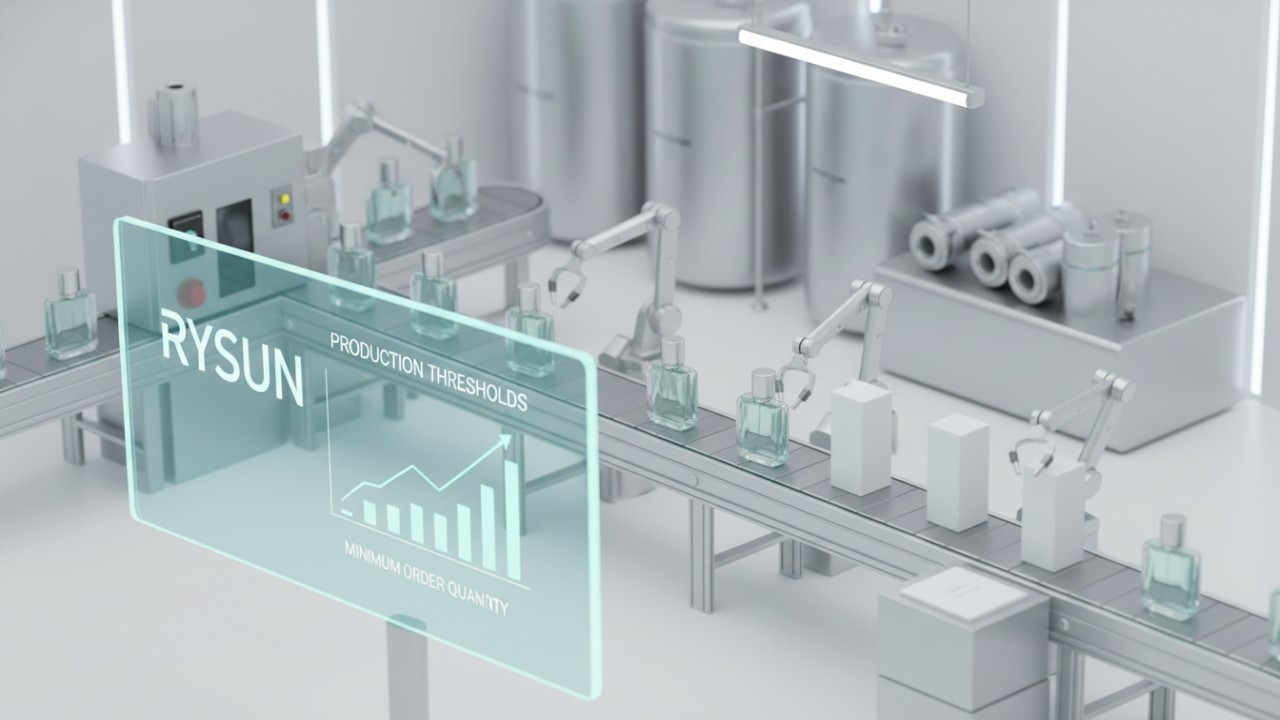
Private label cosmetics MOQ, or Minimum Order Quantity, is the lowest number of units a cosmetic manufacturer is willing to produce for a single order, serving as a critical financial threshold that covers machinery setup, raw materials, and specialized labor.
Understanding this baseline is critical before entering any cosmetics contract manufacturing negotiations in 2026. As reported by Wikipedia, contract manufacturing occurs when a hiring firm approaches a contract manufacturer with a design or formula, and the manufacturer quotes the parts based on processes, labor, tooling, and material costs, which establishes the baseline for minimum viable production volumes. For beauty brands, this MOQ directly impacts initial capital requirements, warehousing capacity, and overall business cash flow.
- Stock formulas: These pre-engineered formulations typically offer lower minimums because the laboratory already has the raw materials tested and readily available.
- Custom formulations: Creating a unique product requires higher unit commitments to offset the intensive research, development, and stability testing costs.
- Financial Impact: High MOQs demand heavy upfront investment, whereas lower MOQs provide agility for market testing.
Quick Summary: Key Takeaways for MOQ Negotiation
The core of successful MOQ negotiation lies in balancing a clear brand vision with accurate sales forecasting to avoid costly over-ordering, while mutually respecting the manufacturer's operational limits and supply chain constraints.
When optimizing your private label cosmetics pricing, consider the following essential takeaways:
- Forecast Accurately: Start with a clear brand vision and an accurate sales forecast to avoid over-ordering inventory that may expire before it sells.
- Understand Interconnected Limits: Recognize that MOQ is inextricably tied to raw material sourcing, microbial stability testing, and packaging supplier minimums.
- Focus on Partnerships: Building a long-term partnership strategy based on trust and projected volume is far more effective than aggressively demanding short-term price cuts.
- Leverage Packaging: Utilizing stock packaging for custom formulations can significantly lower your initial manufacturing threshold. For deeper insights on navigating container limits, explore our private label cosmetics packaging guide.
The Skincare Industry Standard: Pre-made vs. Custom Product MOQs
Industry standards for skincare minimums vary drastically based on formulation complexity, with pre-made white-label formulas typically starting around 50 to 500 units, whereas bespoke bespoke formulations demand much higher initial commitments.
Understanding these industry benchmarks prevents emerging brands from setting unrealistic expectations during the sourcing phase. A custom cosmetic formulation moq generally starts at 1,000 to 5,000 units due to the extensive R&D, microbial testing, and specialized active ingredients required. To explore the detailed steps of creating a unique product, review our custom cosmetic formulation guide. Packaging choices drastically alter these numbers; using custom molds rather than standard stock containers will universally increase your minimum commitment.
MOQ Comparison Table
| Feature | Pre-Made (White Label) | Custom Formulation | Packaging Impact |
|---|---|---|---|
| Average MOQ | 50 - 500 units | 1,000 - 5,000+ units | Adds 5,000 - 10,000+ for custom molds |
| Initial Cost | Low to Moderate | High (Includes R&D and Testing) | Very High for bespoke physical molds |
| Time to Market | Fast (2-4 weeks) | Slow (3-6+ months) | Adds 4-8 weeks to standard lead time |
| Customization Level | Label and Branding only | Fully bespoke chemical formula | Fully bespoke container structure |
Smart Strategies to Negotiate Private Label Cosmetics MOQ in 2026
To successfully lower production minimums, beauty brands must strategically consolidate their product lines, offer a premium per-unit price on initial runs, and propose phased rollout contracts to build trust with their manufacturing partners.
If you are wondering how to negotiate manufacturer minimums, apply these proven strategies to your next vendor meeting:
- Consolidate SKUs: Order multiple product lines that utilize the same core base formula (e.g., various scented body washes). This makes smaller, segmented batches much more profitable for the lab to produce.
- Offer Premium Pricing: Propose paying a slight premium per unit on your very first run in exchange for a lower initial production quantity. This effectively reduces your total inventory risk while covering the factory's setup fees.
- Propose Phased Rollouts: Sign a formal letter of intent for guaranteed future orders. Committing to a long-term roadmap builds manufacturer trust and secures highly flexible starting minimums.
- Supply Your Own Packaging: If the manufacturer's rigid packaging minimums are the primary bottleneck for your initial launch, supply your own standardized components to keep the liquid formula MOQ low.
Common Mistakes Brands Make When Scaling (Expert Tips)
The most devastating scaling mistake is over-ordering inventory solely to secure a cheaper per-unit cost, which frequently results in expired active ingredients, massive financial losses, and strained warehousing capacity.
When selecting a partner via a Private Label Cosmetic Products Manufacturer Guide, avoid these costly pitfalls:
- Chasing the Lowest Price: Over-ordering to drop the unit cost leads to expired inventory, especially for highly active products like vitamin C face serums and retinol eye creams.
- Ignoring Operational Costs: Expecting unrealistic profit margins on micro-batches while completely ignoring the manufacturer's heavy machine setup and labor costs.
- Misjudging Lead Times: Failing to account for complex global supply chain lead times in 2026 when negotiating smaller, more frequent production runs.
- Sacrificing Quality: Waiving essential quality control procedures and stability testing just to meet a lower price point or lower MOQ threshold.
Bridging the Gap: What Competitors Miss About Quality Control and Low MOQs
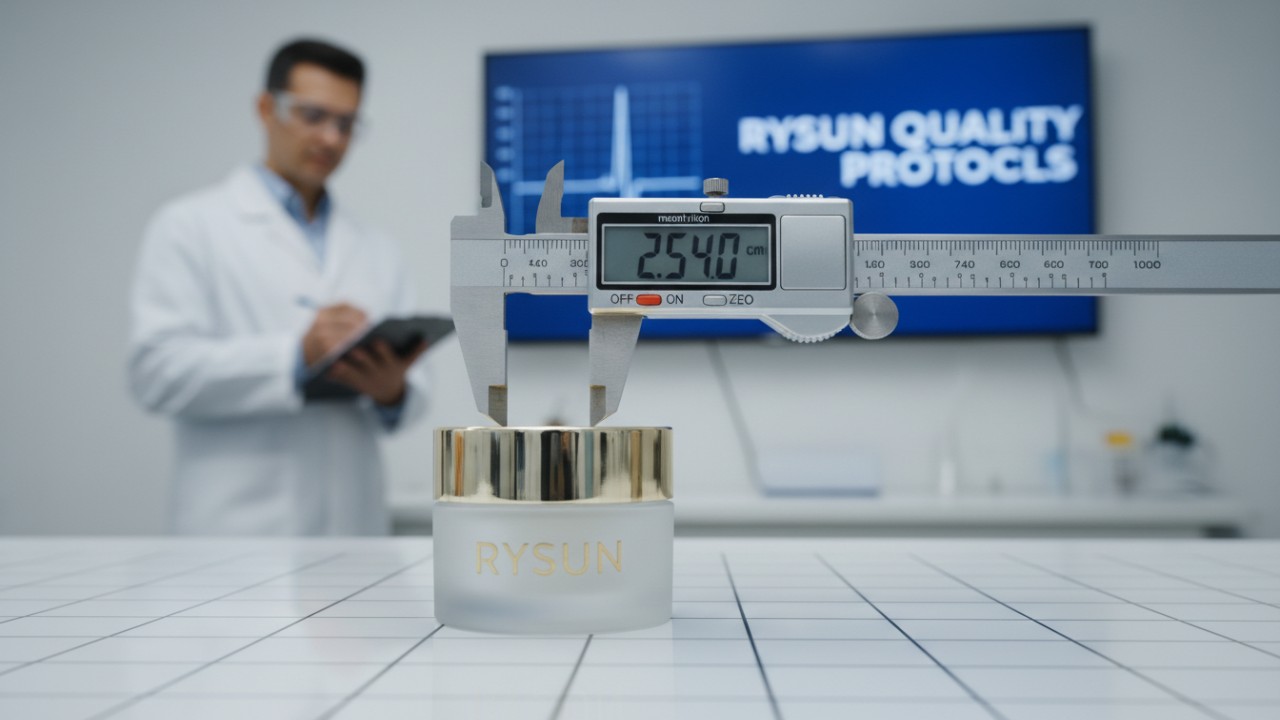
Many competing brands mistakenly assume that securing a low MOQ allows them to bypass rigorous stability, safety, and microbiological testing, which poses severe health risks to end-users and threatens long-term brand reputation.
A major gap in the industry is the severe misconception that small batches require less oversight. As reported by the U.S. Food and Drug Administration, the Federal Food, Drug, and Cosmetic Act strictly prohibits the delivery of adulterated cosmetics, requiring that all buildings used in the manufacture of cosmetics maintain unobstructed, orderly, and sanitary operations to prevent contamination regardless of the batch size.
- Strict Microbiological Standards: High-quality low moq skincare manufacturers maintain advanced formulation science and sterile testing protocols regardless of the ordered batch size.
- Balanced Growth: Affordability and low minimums must be expertly balanced with practical solutions and uncompromising quality assurance to protect the brand's reputation in a highly regulated market.
- Robust Inspections: Brands must actively ensure their chosen partner implements robust inspection procedures, even on minimum test runs, to guarantee absolute end-user safety.
Case Study: Scaling with Guangzhou Rysun Biotechnology Co., Ltd.
Guangzhou Rysun Biotechnology Co., Ltd. exemplifies how a research-driven manufacturing partner can successfully scale an emerging cosmetic brand through uncompromising quality control, expert formulation science, and highly adaptable production capabilities.
Founded in 2014 by Ivy Wong, Guangzhou Rysun Biotechnology Co., Ltd. was established to solve the market's inconsistent skincare quality through research-driven cosmetic solutions.
- Advanced Research Institute: Operating out of the Guangzhou High-Tech Development Zone, Rysun's Research Institute features a multidisciplinary team of doctors and professors specializing in dermatology, biology, chemistry, and pharmacology.
- Global Reach: Over the past 10+ years, Rysun has securely partnered with over 700 brands and exported premium formulations to more than 50 countries, proving their ability to scale independent brands into global powerhouses.
- Proprietary Innovation: Backed by an impressive 105 product patterns and 253 intellectual properties, their 20 leading scientific researchers provide world-class innovation that remains fully accessible to rapidly growing brands.
Why RYSUN is Your Ideal Partner for Flexible Manufacturing
RYSUN stands out as the premier flexible manufacturing partner by perfectly combining market affordability, practical scaling solutions, and an intensive 50-step quality inspection procedure for every single cosmetic product manufactured.
Whether you are developing heavy-duty makeup removers, sensitive face care products, anti-aging eye care products, tanning products, potent face serums, rich face creams, or daily body wash, RYSUN has the targeted expertise necessary to execute your vision flawlessly.
- Uncompromising Quality: RYSUN strictly emphasizes affordability, practical supply chain solutions, and rigid quality control, implementing up to 50 inspection procedures per product to ensure premium, market-ready results.
- Deep Industry Expertise: The professional R&D team seamlessly combines deep industry insights with innovative research, allowing emerging beauty brands to access top-tier clinical formulations without crippling minimums.
- Shared Growth Vision: Their overarching vision to become the world's leading cosmetics manufacturer ensures they treat every individual partner's growth trajectory as a reflection of their own success.
Conclusion

Negotiating your manufacturing minimums requires a strategic balance of precise financial forecasting, deep industry knowledge, and securing the right production partner to protect your cash flow and scale successfully.
As you expand your beauty brand in 2026, it is imperative to prioritize contract manufacturers that offer scalability and flexibility alongside robust R&D. Remember that uncompromising quality control standards should never be sacrificed in the pursuit of cheaper inventory. Aligning yourself with a trusted facility ensures that your custom products hit the market safely, efficiently, and profitably. Ready to launch or scale your custom cosmetic line with a trusted, research-driven partner?
Contact us today at k.lee@rysunoem.com to optimize your private label cosmetics moq strategy.
FAQs About private label cosmetics moq
What does MOQ mean in cosmetics?
MOQ stands for Minimum Order Quantity. It is the smallest number of units a cosmetics manufacturer will agree to produce in a single production run. This number ensures the manufacturer successfully covers the fixed costs of machine setup, raw materials procurement, and manual labor.
Can I start a skincare line with no MOQ?
Yes, some dropshipping and ultra-low minimum private label suppliers offer 'no MOQ' or initial orders starting at exactly 1 unit. However, these are almost universally pre-made, stock formulas with extremely limited to no customization options. Scaling beyond the initial market testing phase usually requires moving to a reputable manufacturer with standard minimums.
How much does it cost to start a private label cosmetic brand?
Costs vary wildly depending on your negotiated MOQ and specific formulation type. A low MOQ stock formula launch can cost anywhere between $1,000 and $5,000. Conversely, custom formulations that require unique packaging and higher MOQs typically demand upfront investments ranging from $10,000 to $50,000+.
Why is the MOQ higher for custom formulation skincare?
Custom formulas require dedicated Research and Development (R&D) time from specialized chemists. They also mandate entirely new stability, microbial, and packaging compatibility testing. Furthermore, manufacturers must buy specific raw active ingredients in bulk, pushing the minimum production requirement significantly higher.
How can I lower the MOQ with my cosmetic manufacturer?
You can proactively negotiate a lower MOQ by offering to pay a slightly higher cost per unit to offset the lab's setup risks. Additionally, utilizing the manufacturer's standard stock packaging instead of bespoke custom molds can drastically lower minimums. Finally, committing to a longer-term contract or guaranteeing future re-orders can successfully persuade manufacturers to be flexible.
Does packaging affect private label MOQ?
Absolutely. Often, the cosmetic liquid formula MOQ is quite low, but the custom packaging MOQ is exceedingly high (e.g., demanding 10,000 units for custom printed plastic tubes). Using standardized, in-stock packaging paired with custom-printed aesthetic labels is the absolute best way to keep initial MOQs down.
What are the best low MOQ cosmetics manufacturers for 2026?
Top manufacturers consistently offer a delicate balance of chemical innovation and supply chain flexibility. Companies like Guangzhou Rysun Biotechnology Co., Ltd. offer highly researched formulations backed by strict quality controls tailored specifically for scaling brands. Other notable directories include Lady Burd and Pravada for various basic stock options.
How do I transition from low MOQ dropshipping to wholesale contract manufacturing?
Begin your transition by meticulously analyzing your top-selling dropshipped products to guarantee market demand. Once verified, strategically work with a research-driven manufacturer to custom formulate your bestsellers for dramatically higher retail margins. Lastly, plan your business cash flow carefully to easily accommodate the larger upfront investment inherently required for wholesale production runs.
Related articles

Get more information
If you have any comments or good suggestions, please leave us a message; later our professional staff will contact you as soon as possible.
Rysun Biotechnology--Unremittingly strive for human health and beauty
Contact RYSUN
Email: k.lee@rysunoem.com
WhatsApp: +86 156 0306 9138
Address: No. 62 Nanxiang First Road, Science Town of Guangzhou Developed Zone, Huangpu, Guangzhou, China.
© 2025 RYSUN. All Rights Reserved. Privacy Policy | Terms and Conditions | Sitemap
Facebook
Instagram