


Unboxing Psychology: Selecting the Perfect Private Label Cosmetics Packaging in 2026
What is Private Label Cosmetics Packaging?
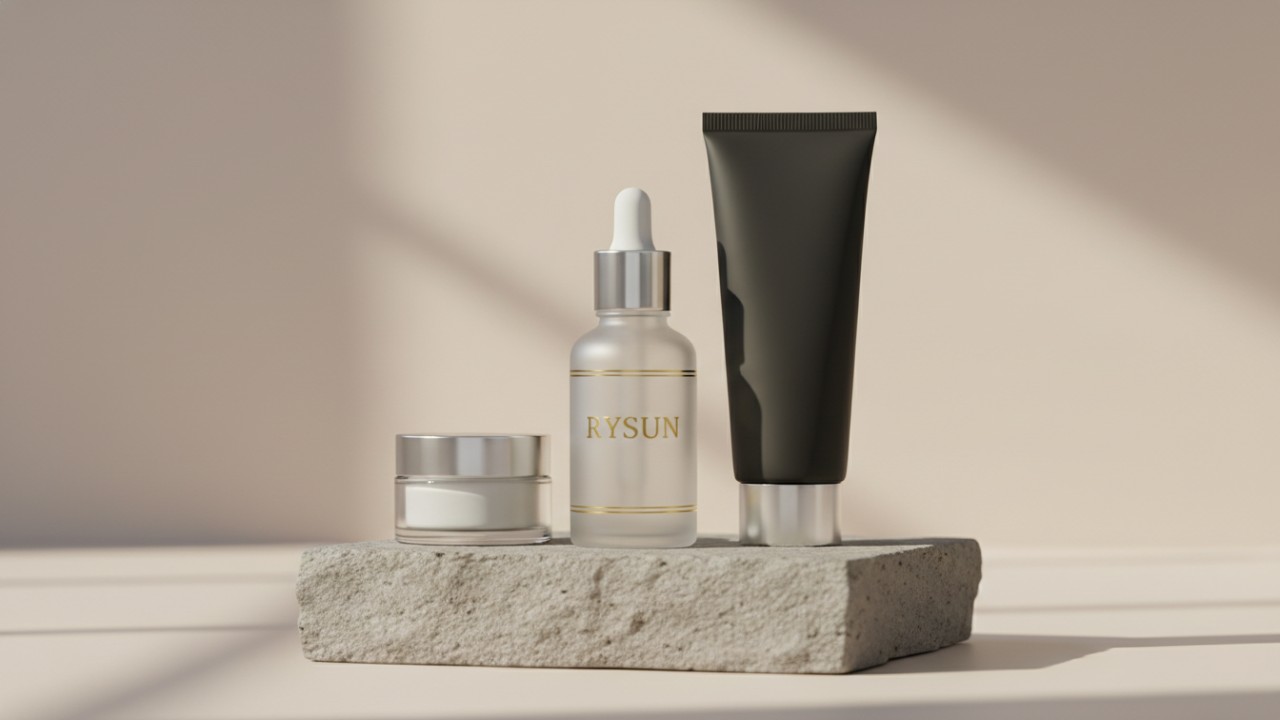
Private label cosmetics packaging refers to the customized containers, boxes, and labels used to house beauty products manufactured by a third-party facility but sold under your unique brand name. It encompasses everything from glass dropper bottles to eco-friendly PCR cosmetic tubes, serving as the primary physical touchpoint between your brand and the consumer.
Choosing the right skincare packaging design is crucial for maintaining product efficacy, meeting regulatory compliance, and driving a memorable unboxing experience.
- Physical Touchpoint: It is the very first physical interaction consumers have with your beauty brand.
- Product Efficacy: Proper packaging protects the delicate formula from air, UV light, and bacterial contamination.
- Brand Identity: Custom labels, textures, and unique shapes differentiate your products on crowded retail shelves.
Quick Summary & Key Takeaways
A successful private label cosmetics packaging strategy in 2026 requires balancing visual aesthetics with environmental responsibility and chemical stability. This alignment directly impacts customer retention and overall brand perceived value in a highly competitive market.
Key takeaways for optimizing your packaging strategy include:
- First Impressions Matter: The tactile and visual unboxing experience significantly boosts brand loyalty and repeat purchases.
- Material Matters: The deliberate choice between glass, PET, and PCR cosmetic tubes affects both environmental sustainability and long-term cosmetic formulation stability.
- Compliance is Non-Negotiable: Strict adherence to global FDA and CGMP labeling standards is required for all primary and secondary containers.
- Integrated Solutions Win: Partnering with a comprehensive manufacturer, such as Guangzhou Rysun Biotechnology Co., Ltd., ensures seamless synergy between formulation and packaging. For deeper insights into manufacturing, consult our Private Label Cosmetic Products Manufacturer Guide.
The Psychology of Unboxing: Why Packaging Drives Sales
The psychology of unboxing leverages sensory feedback and cognitive biases to elevate a product's perceived value, meaning that premium tactile and visual packaging directly influences a consumer's willingness to repurchase and share their experience online. When customers open a product, their brain immediately forms judgments about the quality of the formula inside based entirely on the exterior.
Understanding the psychological drivers behind packaging design is essential for growth:
- The Halo Effect: Premium tactile feedback, such as heavy frosted glass or soft-touch matte plastics, elevates the perceived quality of the cosmetic. This cognitive bias means that a positive initial visual impression unconsciously colors the perception of the product's actual efficacy, as reported by Wikipedia.
- Color Psychology: Selecting hues that align with expectations is critical. Minimalist white denotes clinical skincare, while bold, vibrant colors suit trend-driven makeup lines.
- The ASMR Element: Designing for the auditory and physical satisfaction of opening a well-engineered box or the satisfying click of an airless pump creates a memorable sensory experience.
- Social Media Shareability: In 2026, creating highly aesthetic containers specifically designed to stand out on platforms like TikTok and Instagram provides free organic marketing for your brand.
Material Selection: Balancing Luxury, Sustainability, and Stability
Selecting the right cosmetic packaging material requires balancing the luxury appeal of your brand with the chemical demands of the formula, ensuring both environmental sustainability and long-term product stability. The container must safely house the product without degrading the active ingredients over time.
Here is a breakdown of the top material choices for beauty brands in 2026:
- Glass: Offers ultimate luxury and chemical inertness, making it perfect for potent serums. However, it is heavy and more prone to breakage during global transit.
- PET & ABS Plastics: Provide high durability and lower shipping costs, though they may not align with premium eco-conscious brand positioning unless sourced responsibly.
- PCR (Post-Consumer Recycled) Materials: Sustainable cosmetic packaging is no longer optional. Incorporating PCR cosmetic tubes meets the massive 2026 consumer demand for eco-friendly beauty.
- Airless Pump Technology: Crucial for preventing oxidation, these pumps maintain the integrity of sensitive active ingredients like Vitamin C and Retinol.
- Refillable Systems: These systems build long-term customer loyalty through sustainable, multi-use containers.
| Material Type | Best Used For | Pros | Cons |
|---|---|---|---|
| Glass | High-end Serums, Fragrances | Luxurious feel, 100% recyclable, highly stable | Heavy, high shipping costs, fragile |
| Virgin PET Plastic | Lotions, Cleansers | Lightweight, shatterproof, cost-effective | High environmental impact |
| PCR Plastic | Eco-friendly Skincare Lines | Sustainable, reduces carbon footprint | Can have slight color variations |
| Airless Pumps | Active Serums, Creams | Prevents oxidation, zero waste dispensing | Higher manufacturing cost |
Expert Tips: Common Mistakes in Cosmetic Packaging Design
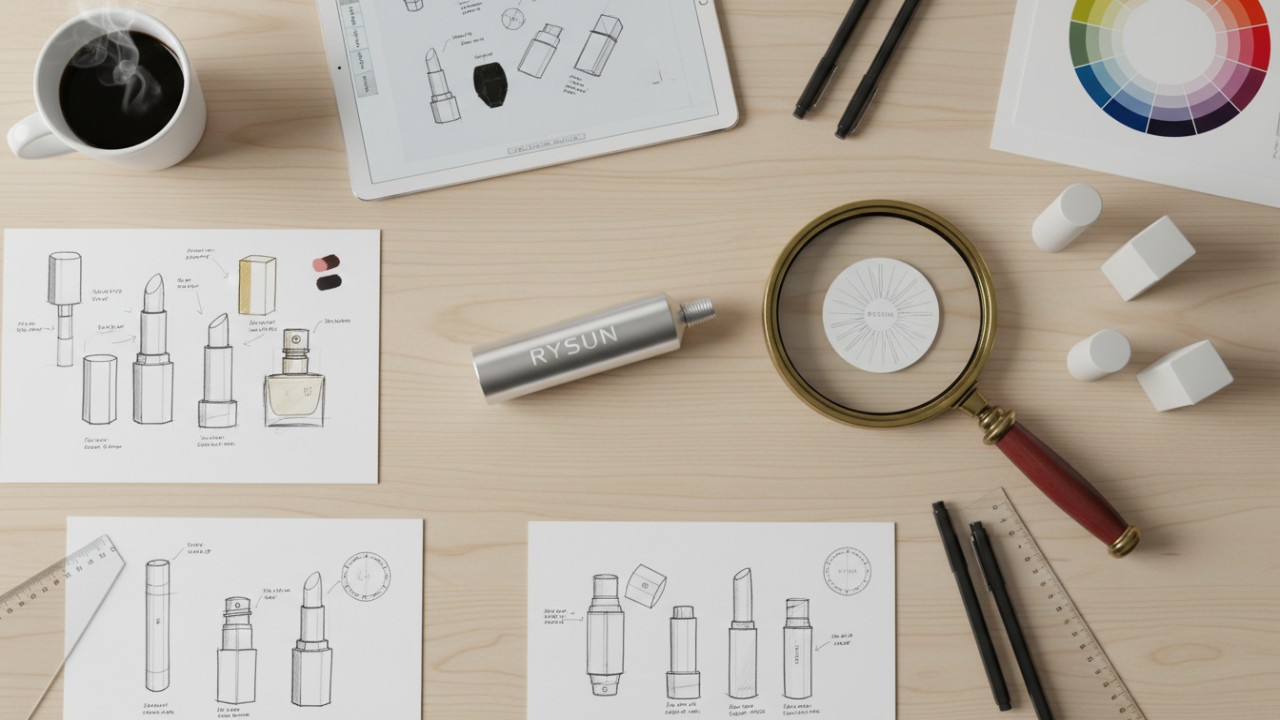
Common mistakes in cosmetic packaging design include ignoring formulation compatibility, sacrificing shipping durability for aesthetics, and failing to leave adequate space for legally required FDA labeling. Avoiding these critical pitfalls is essential to prevent costly product recalls and brand damage.
Ensure you do not make these critical errors when designing your packaging:
- Ignoring Formulation Synergy: Choosing a container that reacts negatively with your cosmetic's chemical makeup can be disastrous. For example, highly concentrated essential oils can quickly degrade cheap plastics. (Learn more in our custom cosmetic formulation guide).
- Overlooking Shipping Durability: Selecting visually stunning but fragile packaging often leads to high breakage rates during global transit, destroying profit margins.
- Missing FDA Labeling Compliance: Brands often fail to allocate enough physical space on the container for mandatory text. Ingredients must be listed in descending order of predominance by weight, as reported by Registrar Corp.
- Sacrificing Function for Form: Designing skincare packaging design that looks great on a shelf but is difficult for the consumer to dispense, open, or close properly ruins the user experience.
Synergy in Formulation and Packaging: The RYSUN Advantage
The true advantage of partnering with an integrated manufacturer like Guangzhou Rysun Biotechnology Co., Ltd. is the guaranteed synergy between your cosmetic formula and its packaging, eliminating the risks of chemical incompatibility. By handling both R&D and packaging in-house, the transition from concept to shelf is seamless and secure.
Founded in 2014 by Ivy Wong, Rysun is deeply committed to delivering high-quality product solutions:
- Integrated Research Institute: Rysun goes beyond generic manufacturing by operating a dedicated Research Institute. This team includes experts in biology, dermatology, chemistry, and packaging technology.
- Guaranteed Compatibility: Rather than sourcing packaging blindly, Rysun's R&D team rigorously tests to ensure 100% compatibility between their premium formulations and the selected containers, ensuring maximum cosmetic formulation stability.
- Proven Track Record: Backed by 105 product patterns and 253 intellectual properties, RYSUN has successfully guided over 700 brands across more than 50 countries to perfectly align their unboxing experience with clinical efficacy.
- Strict Quality Control: Every product undergoes up to 50 strict inspection procedures, ensuring your private label cosmetics arrive flawlessly to your customers and deliver a perfect unboxing experience.
2026 Future Trends in Cosmetics Packaging
Future trends in cosmetics packaging for 2026 heavily focus on digital integration, hyper-personalization, and transitioning completely away from virgin plastics toward next-generation biodegradable materials. Brands that rapidly adopt these innovations will capture the attention of a highly digitized, eco-conscious consumer base.
To stay ahead of the competition, monitor these emerging packaging trends:
- Smart Packaging: The widespread integration of NFC tags and QR codes embedded in labels. These link consumers directly to augmented reality tutorials, ingredient transparency dashboards, and brand stories.
- 100% Biodegradable and Compostable Solutions: The industry is moving beyond easily recyclable plastics and PCR to embrace novel materials like mushroom mycelium and algae-based bioplastics.
- Hyper-Personalization: Utilizing advanced digital printing technology allows brands to offer micro-batch customizations. This is perfect for producing low MOQ custom beauty containers tailored to highly specific niche consumer segments.
Conclusion
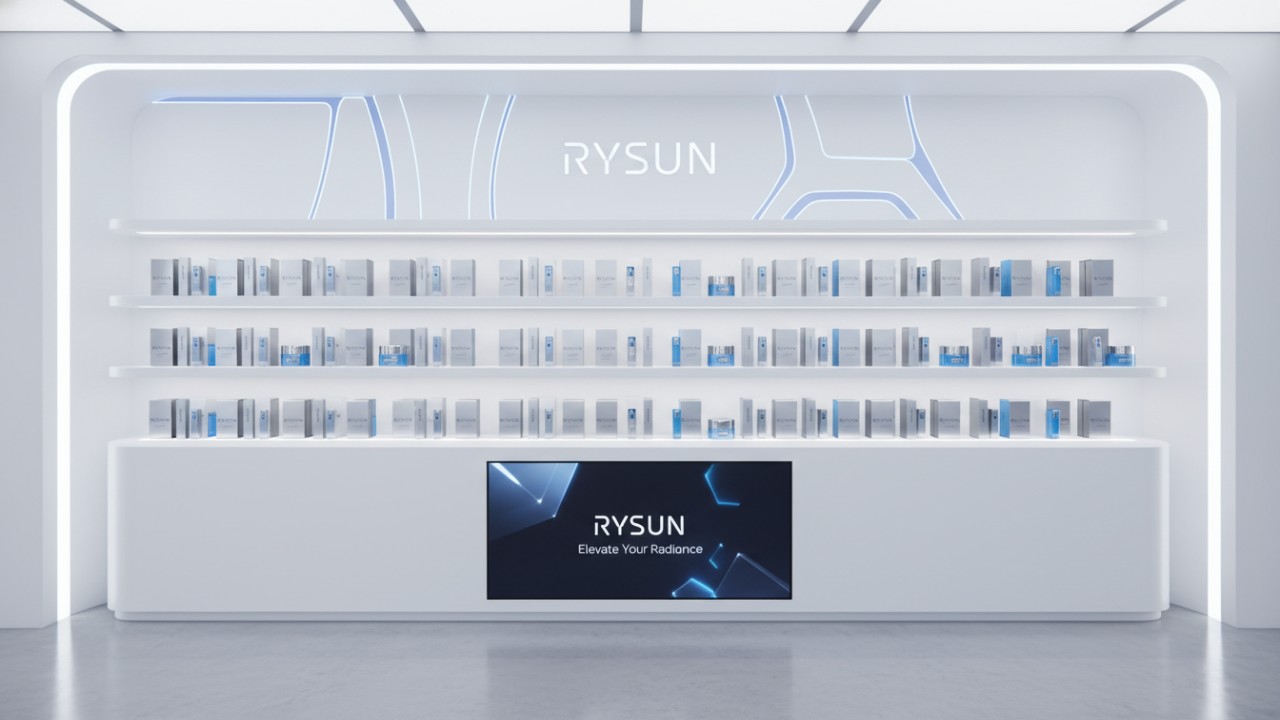
Selecting the perfect private label cosmetics packaging is an intricate balance of consumer psychology, material science, and brand identity. To succeed in the highly competitive 2026 beauty market, you need skincare packaging design that protects your delicate formulas while delivering an unforgettable, shareable unboxing experience. By understanding the halo effect, choosing sustainable materials like PCR cosmetic tubes, and ensuring strict regulatory compliance, your brand can build lasting consumer trust. Partnering with an experienced, integrated manufacturer ensures your packaging and formulation work together in perfect harmony.
Ready to launch a world-class beauty brand with packaging that converts? Contact Guangzhou Rysun Biotechnology Co., Ltd. today at k.lee@rysunoem.com or visit www.rysunoem.com to explore our integrated manufacturing and packaging solutions.
FAQs About private label cosmetics packaging
How do I choose packaging for my private label skincare line?
Start by analyzing your formulation's needs (e.g., light-sensitive serums require opaque or amber glass). Consider your brand's positioning—luxury brands may opt for heavy glass, while eco-friendly brands prefer PCR plastics. Work with an experienced OEM like RYSUN to ensure compatibility and compliance.
What is the minimum order quantity (MOQ) for custom cosmetic packaging?
MOQs vary wildly depending on the supplier and customization level. Standard stock packaging can have MOQs as low as 100-500 units. Fully custom-molded designs or custom printed tubes often require MOQs of 5,000 to 10,000+ units.
Are glass containers better than plastic for skincare serums?
Glass is generally non-reactive, making it excellent for potent active ingredients and essential oils. It also provides a premium, weighty feel that enhances unboxing psychology. However, high-quality PET or airless plastic pumps are superior for travel-friendly products and preventing oxidation.
What is PCR packaging in cosmetics?
PCR stands for Post-Consumer Recycled. It involves taking plastics that have already been recycled by consumers and repurposing them into new cosmetic packaging. It is a top trend for 2026 as it reduces carbon footprint and appeals to eco-conscious buyers.
Do private label manufacturers provide the packaging?
Many top-tier manufacturers, like Guangzhou Rysun Biotechnology, offer turnkey solutions that include both the formulation and an extensive library of packaging options. Alternatively, brands can source packaging from third-party suppliers and ship it to their manufacturer for filling.
How does packaging affect cosmetic formulation stability?
Packaging must protect the product from UV light, oxygen, and moisture. Certain plastics can leach chemicals into formulas, or formulas can degrade the plastic. Airless pumps and dark glass are often used to keep ingredients like Vitamin C stable over time.
What are the FDA labeling requirements for cosmetics?
The FDA requires a principal display panel featuring the identity of the product and net quantity of contents. It also mandates an information panel with the distributor's name and address, material facts, and a full ingredient declaration. Your packaging design must physically accommodate these legal requirements.
How can I make my cosmetic packaging more sustainable in 2026?
Shift away from single-use virgin plastics. Incorporate PCR materials, easily recyclable mono-materials, or biodegradable components. Adopt refillable packaging systems to encourage repeat purchases with minimal waste.
Related articles


Get more information
If you have any comments or good suggestions, please leave us a message; later our professional staff will contact you as soon as possible.
Rysun Biotechnology--Unremittingly strive for human health and beauty
Contact RYSUN
Email: k.lee@rysunoem.com
WhatsApp: +86 156 0306 9138
Address: No. 62 Nanxiang First Road, Science Town of Guangzhou Developed Zone, Huangpu, Guangzhou, China.
© 2025 RYSUN. All Rights Reserved. Privacy Policy | Terms and Conditions | Sitemap
Facebook
Instagram