



AHA vs BHA: What Is the Difference and Which Should Skincare Brands Choose?
Discover the key differences between AHA and BHA, including benefits, skin types, and formulation strategies. A complete B2B guide for skincare brands and product developers.
AHA vs BHA: What Is the Difference? A Complete Industry Guide
Exfoliating acids have become essential components in modern skincare formulations, with AHA (Alpha Hydroxy Acids) and BHA (Beta Hydroxy Acids) leading the category. While both are designed to exfoliate and improve skin clarity, their mechanisms, applications, and formulation requirements differ significantly.
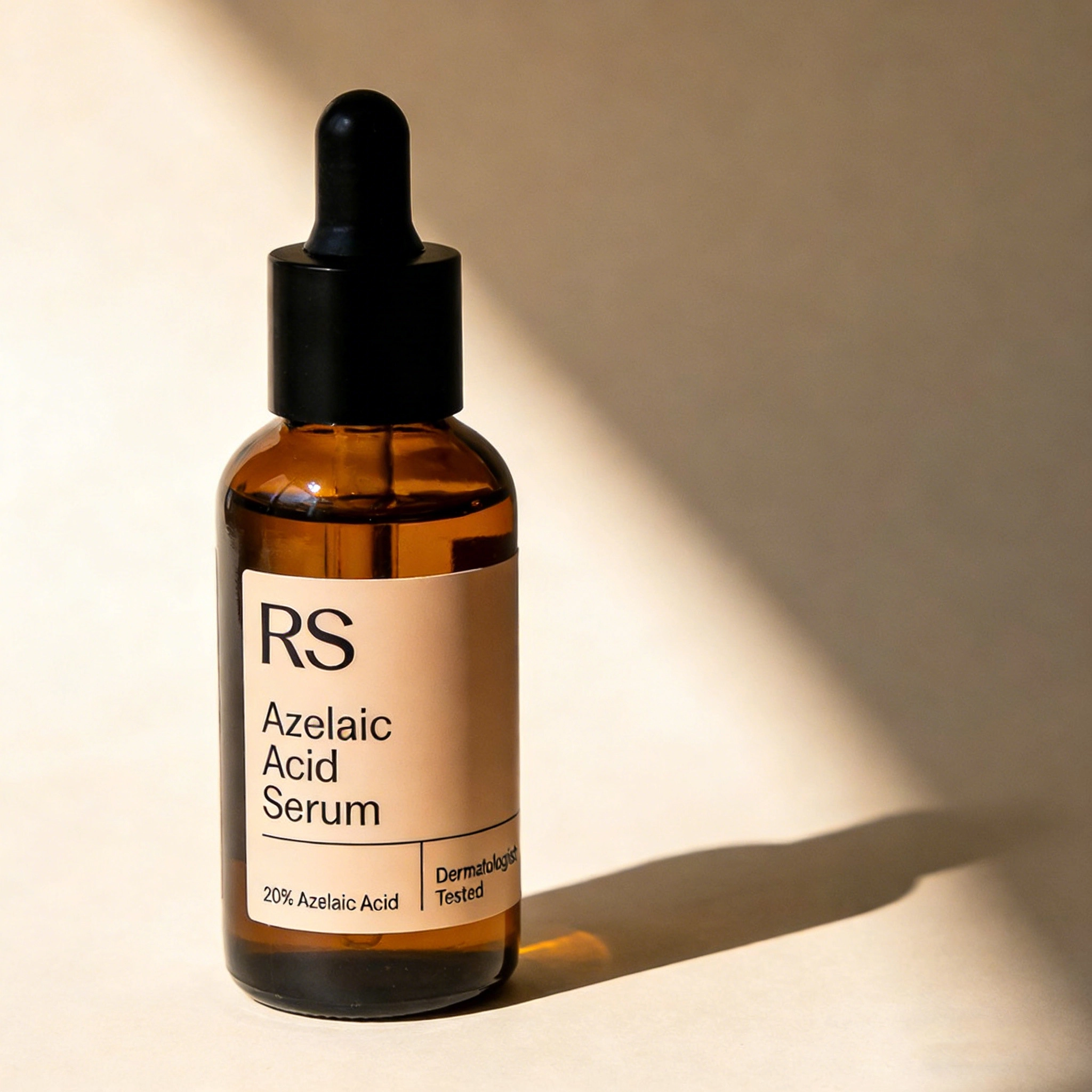
For skincare brands and product developers, understanding the difference between AHA and BHA is crucial for creating targeted, effective, and market-relevant products. Here is our private label AHA serum, pls click here for more details.
What Are AHAs and BHAs?
AHA (Alpha Hydroxy Acids)
AHAs are water-soluble acids that work primarily on the skin’s surface.
Common AHAs include:
- Glycolic acid
- Lactic acid
- Mandelic acid
Key Function:
- Loosen dead skin cells
- Promote cell turnover
- Improve skin brightness and texture
BHA (Beta Hydroxy Acids)
BHAs are oil-soluble acids that penetrate into pores.
The most common BHA:
- Salicylic acid
Key Function:
- Dissolve excess oil
- Unclog pores
- Reduce acne and inflammation
AHA vs BHA: Key Differences
1. Solubility and Penetration
- AHA: Water-soluble → works on skin surface
- BHA: Oil-soluble → penetrates deep into pores
Industry Insight:
This difference determines whether the ingredient targets surface concerns or pore-level issues.
2. Primary Skin Concerns
AHA is Best For:
- Dull or uneven skin tone
- Fine lines and early aging
- Rough texture
BHA is Best For:
- Oily skin
- Acne and breakouts
- Blackheads and whiteheads
3. Skin Type Suitability
- AHA: Normal, dry, or aging skin
- BHA: Oily and acne-prone skin
Formulation Note:
Sensitive skin requires careful handling of both, often with lower concentrations or alternative exfoliants.
4. Exfoliation Mechanism
- AHA: Breaks bonds between dead skin cells on the surface
- BHA: Penetrates and clears pores by dissolving sebum
This makes AHA more suitable for visible skin renewal, while BHA focuses on deep cleansing action.
5. Irritation Potential
Both acids can cause irritation if not properly formulated.
- AHA: Higher risk of surface irritation
- BHA: Can cause dryness, especially in overuse
Development Insight:
Modern formulations aim to reduce irritation through:
- Buffered systems
- Controlled-release technologies
- Inclusion of soothing agents
AHA vs BHA: Side-by-Side Comparison
| Feature | AHA | BHA |
|---|---|---|
| Solubility | Water-soluble | Oil-soluble |
| Target Area | Skin surface | Inside pores |
| Key Ingredient | Glycolic acid | Salicylic acid |
| Best For | Brightening, anti-aging | Acne, oil control |
| Skin Type | Dry, normal, aging | Oily, acne-prone |
| Irritation Risk | Moderate | Moderate |
How Skincare Brands Should Choose Between AHA and BHA
1. Define Target Consumer Needs
- Texture + radiance → AHA
- Acne + oil control → BHA
Understanding the end-user profile ensures better product-market fit.
2. Product Type Strategy
- AHA → toners, serums, exfoliating solutions
- BHA → cleansers, spot treatments, acne serums
Each acid performs differently depending on the formulation format.
3. Combination Formulations (AHA + BHA)
Many advanced products combine both acids to deliver:
- Surface exfoliation (AHA)
- Deep pore cleansing (BHA)
Important Considerations:
- Careful concentration balancing
- Stability testing
- Clear usage instructions
4. Balancing Efficacy with Skin Comfort
Today’s consumers expect visible results without irritation. This drives demand for:
- Mild exfoliation systems
- Multi-functional formulations
- Skin barrier-supporting ingredients
Manufacturers with strong formulation capabilities can help brands fine-tune these elements, ensuring consistency across different markets and product lines.
Market Trends: Growing Demand for Targeted Exfoliation
The exfoliating acid segment continues to grow, with trends including:
- Personalized skincare solutions
- Sensitive-skin-friendly exfoliants
- Hybrid formulations combining acids with soothing ingredients
Brands that differentiate through precision formulation and clear positioning are more likely to succeed in competitive markets.
Conclusion
The difference between AHA and BHA lies in their solubility, penetration, and target function. While AHAs focus on surface renewal and brightening, BHAs excel at pore cleansing and acne control.
For skincare brands, the decision is not about choosing one over the other, but about aligning the right ingredient with the right product strategy and consumer need. With thoughtful formulation and clear positioning, both AHA and BHA can deliver strong performance and commercial success.
FAQs
1. Can AHA and BHA be used together?
Yes, but formulations must be carefully balanced to avoid irritation. Many products combine both for multi-level exfoliation.
2. Which is better for acne, AHA or BHA?
BHA (salicylic acid) is generally more effective for acne due to its ability to penetrate and clean pores.
3. Is AHA suitable for sensitive skin?
It can be, if used in low concentrations and properly formulated with soothing ingredients.
4. Do AHA and BHA cause purging?
Yes, both can accelerate cell turnover, leading to temporary purging in some users.
5. How should brands choose between AHA and BHA?
Brands should consider target skin type, product function, and formulation compatibility to make the right choice.
Related articles
Get more information
If you have any comments or good suggestions, please leave us a message; later our professional staff will contact you as soon as possible.
Rysun Biotechnology--Unremittingly strive for human health and beauty
Contact RYSUN
Email: k.lee@rysunoem.com
WhatsApp: +86 156 0306 9138
Address: No. 62 Nanxiang First Road, Science Town of Guangzhou Developed Zone, Huangpu, Guangzhou, China.
© 2025 RYSUN. All Rights Reserved. Privacy Policy | Terms and Conditions | Sitemap
Facebook
Instagram