


Navigating the Shift to Clean Beauty: Organic Skincare Contract Manufacturing Explained (2026 Guide)
The landscape of the cosmetics industry is rapidly transforming, making organic skincare contract manufacturing a critical pillar for brands aiming to succeed in 2026. As consumers become increasingly educated about ingredient safety and environmental sustainability, the demand for pure, efficacious, and ethically produced skincare has skyrocketed. For independent brands and established beauty enterprises alike, partnering with a specialized facility is no longer just an option—it is a strategic necessity. This guide explores the intricate world of clean beauty production, detailing how to navigate formulation choices, avoid common industry pitfalls, and leverage scientific expertise to create market-leading organic products.
What is Organic Skincare Contract Manufacturing?
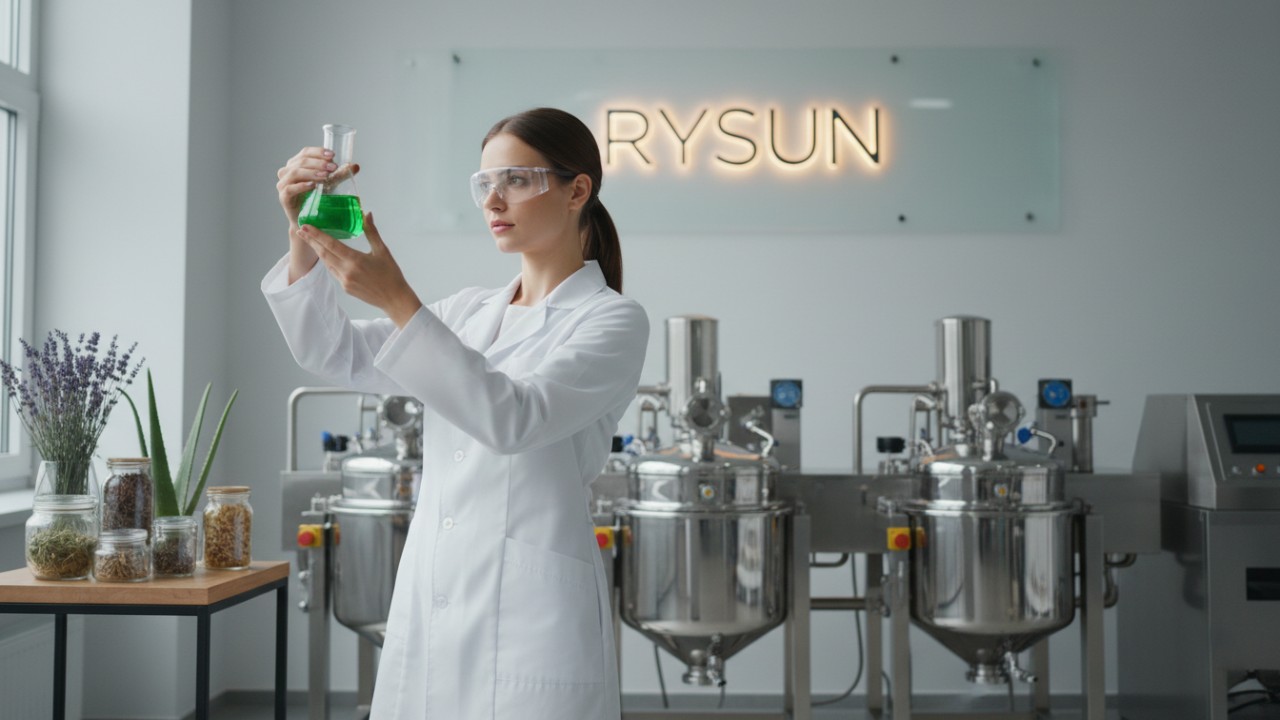
Organic skincare contract manufacturing is a specialized B2B service where a certified facility formulates, produces, and packages natural beauty products for independent brands. It enables businesses to scale up the production of eco-friendly, chemical-free cosmetics without building a proprietary laboratory.
Understanding how this process works is fundamental for beauty entrepreneurs. Developing organic skincare is vastly more complex than traditional cosmetic production. It requires stringent adherence to regulatory guidelines, specialized knowledge in botanical extractions, and advanced preservation techniques. By outsourcing to a dedicated manufacturer, brands can bypass the prohibitive costs of setting up compliant facilities and instead focus on marketing and distribution.
The core benefits of this B2B manufacturing model include:
- Access to Certified Ingredients: Sourcing high-quality, certified organic botanicals from verified global suppliers.
- Regulatory Compliance: Adhering to strict eco-friendly regulatory standards and passing rigorous safety audits.
- Scalable Production: Providing scalable production runs that can grow from initial small batches to mass international distribution.
- Elimination of Harmful Chemicals: Guaranteeing the exclusion of synthetic additives, parabens, and sulfates.
Quick Summary: Key Takeaways for 2026
In 2026, clean beauty is a global standard demanding strict adherence to organic sourcing and sustainable packaging. Choosing a manufacturer with robust R&D capabilities separates high-performance organic products from generic alternatives while ensuring global compliance and preventing contamination.
The modern beauty landscape requires a multifaceted approach to product development. Consumers are no longer satisfied with simple "green" marketing; they expect tangible results backed by clinical science. To succeed, brands must integrate advanced methodologies into their product lines.
Here are the essential takeaways for navigating the market this year:
- Clean Beauty is the Standard: Clean beauty is no longer a niche; it is a global standard requiring strict adherence to organic sourcing and sustainable packaging.
- R&D is the Differentiator: Choosing a manufacturer with robust R&D capabilities separates high-performance organic products from generic alternatives.
- Intellectual Property (IP) Matters: Intellectual property (IP) and proprietary formulations are crucial for brand differentiation in a crowded market.
- Rigorous Quality Control (QC): Global compliance and rigorous quality control (QC) checks are mandatory to prevent contamination and maintain organic certification.
The Evolution of Clean Beauty and Market Demand
The evolution of clean beauty reflects a consumer shift toward demanding ingredient transparency, sustainable harvesting, and scientifically proven botanical efficacy. Today’s consumers actively reject parabens, sulfates, and synthetic fragrances, forcing brands to adopt uncompromising organic manufacturing standards.
Understanding why the market has shifted is key to developing successful product lines. Consumers now scrutinize ingredient labels with unprecedented diligence. The definition of "clean" has expanded beyond simple safety to encompass environmental responsibility and ethical labor practices. Brands must partner with forward-thinking clean beauty formulation services that can anticipate and adapt to these global regulatory shifts. As outlined by the COSMOS-standard, genuine organic cosmetics must respect biodiversity, utilize green chemistry, and ensure that processing is clean and respectful of human health.
Key drivers of current market demand include:
- Ingredient Scrutiny: Consumers are increasingly scrutinizing ingredient lists, demanding transparency.
- Ethical Testing: A strict expectation for cruelty-free testing and vegan formulation options.
- Sustainable Packaging: A strong preference for sustainable harvesting and eco-friendly packaging solutions.
- Proven Efficacy: A demand for scientifically proven botanical efficacy from natural active ingredients.
Turnkey Solutions vs. Custom Formulation: What You Need to Know
Turnkey solutions offer rapid time-to-market by utilizing pre-formulated, white-label organic bases, whereas custom formulation provides full control over the ingredient profile. Evaluating your budget, timeline, and desired level of market exclusivity will dictate the best manufacturing approach.
Choosing how to develop your product line is one of the most significant decisions a brand owner will make. Turnkey solutions allow brands to quickly launch products by applying their branding to existing, tested formulas. Conversely, a custom skincare formulation lab will build a unique product from scratch, allowing the brand to incorporate exclusive active ingredients and claim proprietary benefits. For an in-depth look at creating your own unique product line from scratch, read our comprehensive custom cosmetic formulation guide.
Comparison of Manufacturing Approaches
| Feature | Turnkey Solutions (Private Label) | Custom Formulation |
|---|---|---|
| Time to Market | Rapid (4 to 8 weeks) | Longer (3 to 9 months) |
| Initial Cost | Lower investment required | Higher upfront R&D investment |
| Customization | Minimal (packaging & scent) | Full control over the ingredient profile |
| Exclusivity | Low (shared base formulas) | High (proprietary IP ownership) |
| Best For | Startups testing the market | Established brands seeking unique claims |
Expert Tips: Common Mistakes When Choosing an Organic Manufacturer
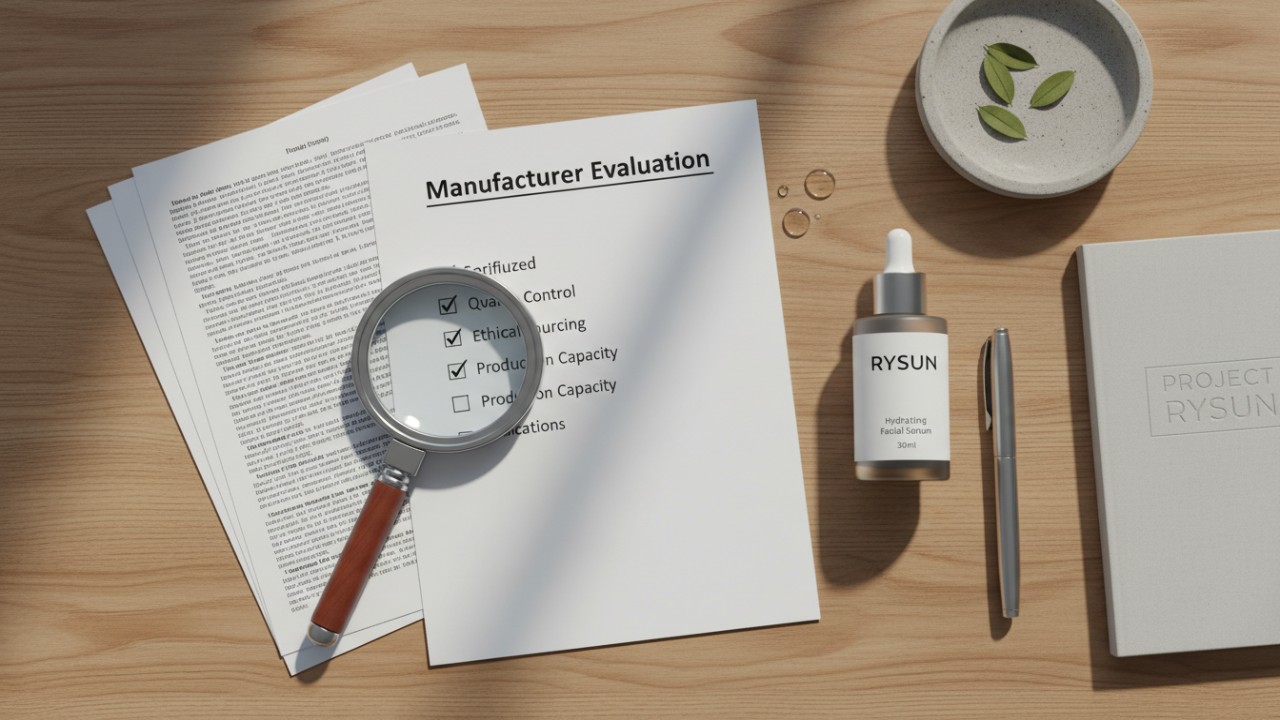
The most common mistakes include prioritizing low costs over quality control, ignoring a manufacturer's chemical and biological R&D depth, and failing to secure intellectual property rights. Avoiding these errors is critical for building a reputable and compliant beauty brand.
When selecting an organic cosmetic OEM/ODM partner, brand owners often underestimate the scientific complexity of natural formulations. Organic ingredients are inherently more unstable than their synthetic counterparts, making expert formulation non-negotiable. Furthermore, as emphasized by the U.S. Food and Drug Administration (FDA), an ingredient's organic source does not inherently determine its safety; all cosmetics must still comply with rigorous safety and labeling regulations.
To ensure success, avoid these critical pitfalls:
- Mistake 1: Prioritizing low cost over rigorous quality control and organic certification verification.
- Mistake 2: Ignoring the manufacturer's R&D depth—organic doesn't mean effective without proper chemical and biological formulation.
- Mistake 3: Failing to secure intellectual property rights or fully understanding the ownership of custom formulations.
- Expert Tip: Always audit a manufacturer's testing protocols; look for multi-stage inspection procedures to ensure stability and efficacy.
The RYSUN Advantage: Elevating Clean Beauty with Science and IP
Guangzhou Rysun Biotechnology Co., Ltd. elevates clean beauty by merging natural ingredients with clinical precision and unparalleled scientific research. Founded in 2014 by Ivy Wong, RYSUN delivers highly effective, globally compliant skincare solutions backed by an expert multidisciplinary team.
The story of RYSUN began when founder Ivy Wong recognized the inconsistent quality of skincare products in the market during discussions with a Swiss anti-aging expert. This inspired the creation of a research-driven cosmetic powerhouse. Unlike generic certified natural skincare manufacturers, RYSUN established an elite Research Institute in 2015. This facility is staffed by doctors, professors, and R&D experts specializing in biology, dermatology, chemistry, microbiology, pharmacology, and packaging technology.
Partnering with RYSUN provides brands with exceptional advantages:
- Scientific Vault Access: Brands gain access to an unparalleled scientific vault, including 105 product patterns and 253 intellectual properties, supported by 20 leading scientific researchers.
- Global Export Experience: Over a decade of experience partnering with more than 700 brands and exporting to over 50 countries, guaranteeing globally compliant formulations.
- Diverse Product Capabilities: Expertise in creating high-quality makeup removers, face care products, eye care products, tanning products, face serums, and organic body care.
- Affordability & Practicality: A commitment to providing practical, cost-effective solutions without ever compromising on clinical efficacy.
How RYSUN’s 50-Step Quality Control Ensures Organic Compliance
Maintaining the integrity of organic formulations requires obsessive attention to detail to prevent cross-contamination and botanical degradation. RYSUN implements a proprietary 50-step quality control inspection procedure for every product, from raw material microbiological screening to final packaging stability checks.
Because organic products exclude traditional synthetic preservatives like parabens, they are inherently more challenging to preserve. This makes rigorous quality control the most critical aspect of private label organic skincare manufacturing. RYSUN's uncompromising QC environment is designed to manage these natural complexities, ensuring that active botanical ingredients remain potent and safe throughout their shelf life.
The 50-step quality control framework includes crucial procedures such as:
- Microbiological Screening: Testing all raw materials before formulation to ensure they are free from harmful bacteria.
- Cross-Contamination Prevention: Maintaining strict sanitized environments to protect organic integrity.
- Active Ingredient Stability Testing: Subjecting formulas to rigorous checks to ensure every makeup remover, eye care product, and tanning lotion meets global safety standards.
- Consumer Confidence: Empowering brands to confidently market their products as premium, reliable, and authentically clean.
Conclusion
Transitioning to clean beauty requires a reliable, scientifically driven organic skincare contract manufacturing partner that prioritizes rigorous quality control and advanced R&D. By avoiding common industry pitfalls and leveraging expert formulation, brands can launch highly effective, sustainable product lines that resonate with modern consumers.
Guangzhou Rysun Biotechnology Co., Ltd. offers the perfect blend of innovation, affordability, and stringent quality control. With deep expertise in dermatology, a vast portfolio of intellectual property, and a proven global track record, RYSUN is positioned to turn your clean beauty vision into a commercial reality. Contact us today at k.lee@rysunoem.com or visit https://www.rysunoem.com to optimize your organic skincare contract manufacturing strategy.
FAQs About organic skincare contract manufacturing
What is the difference between private label and contract manufacturing?
Private label involves purchasing pre-made formulas from a manufacturer and putting your brand name on them. Contract manufacturing usually implies custom formulation, where the manufacturer creates a unique product specifically for your brand from scratch.
What certifications are needed for organic skincare?
Common certifications include USDA Organic, Ecocert, COSMOS, and NSF/ANSI 305. Your manufacturing facility should also follow cGMP (Current Good Manufacturing Practices) guidelines.
How do I find a reputable organic skincare manufacturer?
Look for manufacturers with strong R&D departments, transparent quality control processes (like RYSUN's 50-step inspection), and proven experience exporting to multiple countries. Verify their capabilities in specialized areas like microbiology and dermatology.
What does MOQ mean in cosmetic manufacturing?
MOQ stands for Minimum Order Quantity. It is the lowest number of units a manufacturer is willing to produce for a single production run.
Can I use my own formula with a contract manufacturer?
Yes, many contract manufacturers, including RYSUN, offer reverse formulation or can scale up an existing formula you own. They will run stability and efficacy tests to ensure your formula is viable for mass production.
How long does it take to manufacture organic skincare products?
Private label (pre-formulated) can take 4 to 8 weeks. Custom formulation generally takes 3 to 9 months, factoring in R&D, stability testing, and packaging sourcing.
Are organic skincare products harder to preserve?
Yes, because traditional synthetic preservatives like parabens are excluded. Manufacturers must use natural preservative systems and conduct rigorous microbiological testing to ensure a safe shelf life.
Why choose Guangzhou Rysun Biotechnology Co., Ltd. for clean beauty?
RYSUN combines over 10 years of OEM/ODM experience with a world-class Research Institute. With 253 intellectual properties, 105 product patterns, and a commitment to strict 50-step QC, RYSUN delivers high-quality, scientifically-backed clean beauty solutions globally.
Related articles
Get more information
If you have any comments or good suggestions, please leave us a message; later our professional staff will contact you as soon as possible.
Rysun Biotechnology--Unremittingly strive for human health and beauty
Contact RYSUN
Email: k.lee@rysunoem.com
WhatsApp: +86 156 0306 9138
Address: No. 62 Nanxiang First Road, Science Town of Guangzhou Developed Zone, Huangpu, Guangzhou, China.
© 2025 RYSUN. All Rights Reserved. Privacy Policy | Terms and Conditions | Sitemap
Facebook
Instagram