


What Are PHAs in Skincare? A Complete Guide for Brands and Product Developers
Learn what PHAs are in skincare, how they compare to AHA and BHA, and how brands can develop gentle exfoliating products for sensitive skin markets.
What Are PHAs in Skincare? A Professional Industry Guide
As consumer demand shifts toward gentle, skin-friendly formulations, Polyhydroxy Acids (PHAs) have emerged as a key category in modern skincare development. Often described as the “next generation” of exfoliating acids, PHAs offer effective exfoliation with significantly reduced irritation potential.
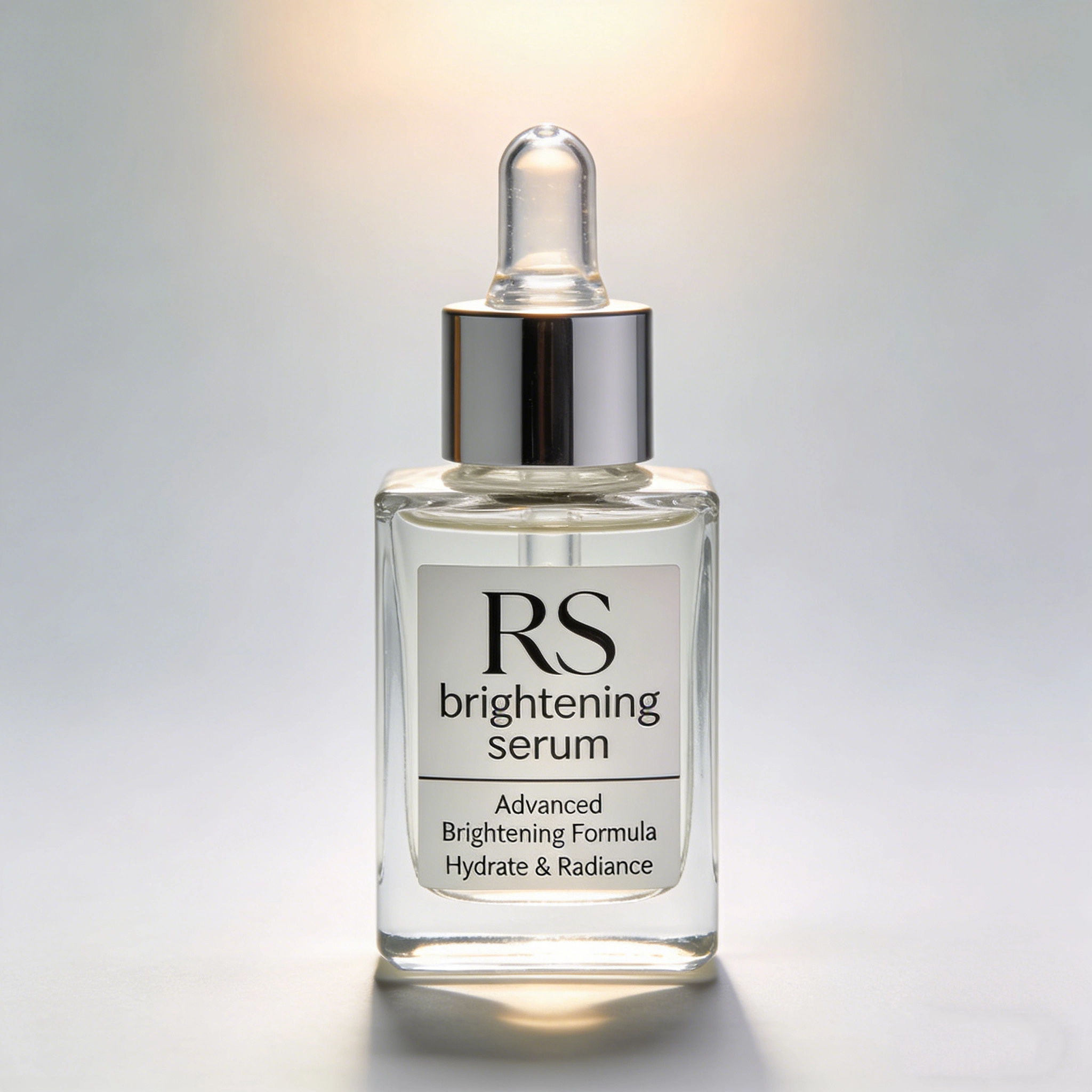
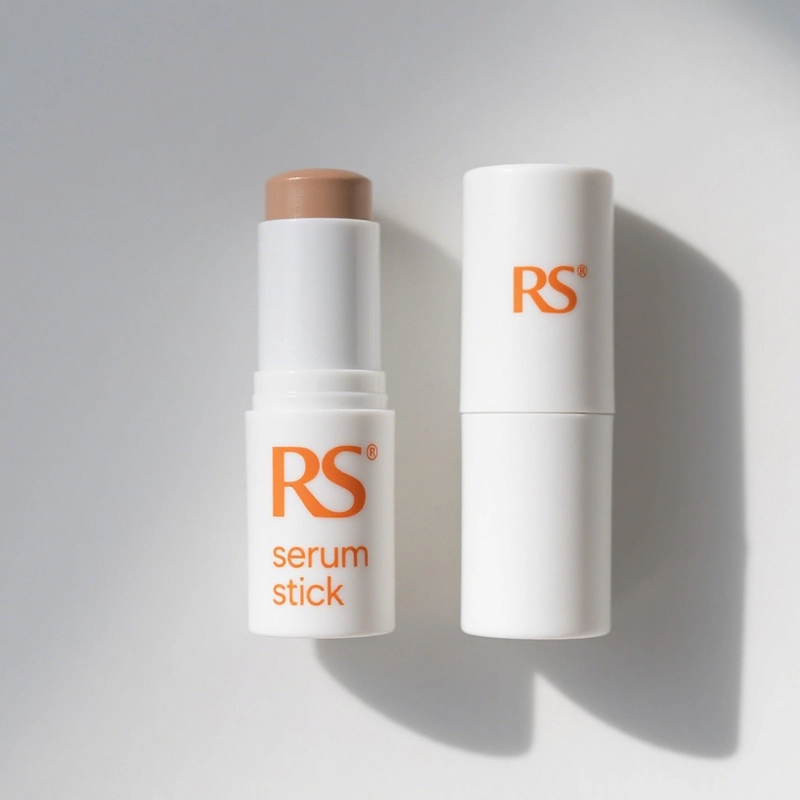
For skincare brands and product developers, understanding what PHAs are in skincare opens new opportunities to target sensitive skin segments and expand product portfolios beyond traditional AHA and BHA formulations. Here is our private label serum collection, pls click here for more details.
What Are PHAs (Polyhydroxy Acids)?
PHAs are a class of chemical exfoliants structurally similar to AHAs but with larger molecular sizes. This difference slows their penetration into the skin, making them milder and less irritating.
Common PHAs Used in Skincare:
- Gluconolactone
- Lactobionic acid
- Galactose derivatives
Core Functions:
- Gently exfoliate the skin surface
- Improve skin texture and tone
- Support hydration and barrier function
How PHAs Work Compared to AHA and BHA
1. Molecular Size and Penetration
- PHA: Large molecules → slow penetration → gentle action
- AHA: Small molecules → faster penetration → stronger exfoliation
- BHA: Oil-soluble → penetrates pores
Industry Insight:
- PHAs are ideal for consumers who cannot tolerate stronger acids but still want visible skin renewal.
2. Exfoliation Strength
- PHAs provide mild, gradual exfoliation
- AHAs offer intensive surface resurfacing
- BHAs deliver deep pore cleansing
This makes PHAs particularly suitable for maintenance-level exfoliation rather than aggressive treatment.
3. Additional Skin Benefits
Beyond exfoliation, PHAs also:
- Act as humectants, attracting moisture
- Provide antioxidant properties
- Help strengthen the skin barrier
Formulation Advantage:
This multi-functionality allows brands to create hybrid products combining exfoliation with hydration and protection.
Key Benefits of PHAs for Skincare Products
1. Gentle Exfoliation for Sensitive Skin
PHAs minimize:
- Redness
- Stinging
- Irritation
They are ideal for:
- Sensitive skin
- First-time acid users
- Post-treatment skincare
2. Hydration Support
Unlike many exfoliants, PHAs:
- Help retain moisture
- Improve skin softness
This makes them highly suitable for dry or dehydrated skin lines.
3. Barrier-Friendly Formulation
PHAs support the skin’s natural barrier, reducing the risk of:
- Over-exfoliation
- Long-term sensitivity
4. Compatibility with Other Ingredients
PHAs are easier to combine with:
- Niacinamide
- Hyaluronic acid
- Mild actives
This flexibility simplifies formulation design.
Who Should Use PHA-Based Products?
PHAs are especially suitable for:
- Sensitive or reactive skin
- Dry or compromised skin
- Consumers new to chemical exfoliation
- Users who cannot tolerate AHA or BHA
Market Opportunity:
The rise of “skin barrier care” trends has significantly increased demand for mild exfoliation solutions like PHAs.
Formulation Considerations for Skincare Brands
1. Positioning PHAs as a Gentle Alternative
Brands can position PHA products as:
- Entry-level exfoliants
- Daily-use exfoliating toners or serums
- Sensitive skin solutions
2. Combining PHAs with Other Actives
PHAs work well in:
- Hydrating exfoliation systems
- Anti-aging products with low irritation
- Barrier-repair formulations
3. Texture and Product Formats
Common PHA product formats include:
- Toners
- Essences
- Serums
- Leave-on masks
Their mild nature allows for higher usage frequency, improving user compliance.
4. Meeting Global Market Demand
Different regions increasingly favor:
- Low-irritation skincare
- Dermatologically tested products
- Multi-functional formulations
Manufacturers with strong R&D and formulation adaptability can support brands in customizing PHA-based products to meet these evolving preferences while maintaining consistency across production batches.
PHA vs AHA vs BHA: Quick Comparison
| Feature | PHA | AHA | BHA |
|---|---|---|---|
| Molecular Size | Large | Small | Medium |
| Penetration | Slow | Fast | Deep (pores) |
| Irritation Risk | Low | Moderate–high | Moderate |
| Best For | Sensitive, dry skin | Dull, aging skin | Oily, acne-prone skin |
| Extra Benefit | Hydration | Brightening | Oil control |
How PHAs Fit into Modern Skincare Trends
The growing focus on:
- Skin barrier health
- Minimal irritation
- Long-term skin maintenance
has made PHAs increasingly relevant.
Brands that incorporate PHAs into their product lines can:
- Differentiate in crowded markets
- Address underserved sensitive-skin consumers
- Expand into premium “gentle active” categories
Conclusion
PHAs represent a new generation of exfoliating acids that combine effectiveness with skin comfort. Their gentle nature, hydrating properties, and formulation flexibility make them an excellent choice for brands targeting sensitive skin and barrier-focused skincare trends.
For product developers, PHAs are not just an alternative to AHA and BHA—they are a strategic ingredient for creating balanced, consumer-friendly formulations that align with evolving market demands.
FAQs
1. Are PHAs better than AHAs?
PHAs are not necessarily better, but they are gentler. They are ideal for sensitive skin, while AHAs provide stronger exfoliation.
2. Can PHAs be used every day?
Yes, due to their mild nature, PHAs are often suitable for daily use depending on formulation.
3. Do PHAs cause purging?
Purging is less common with PHAs compared to AHAs and BHAs because of their slower penetration.
4. Are PHAs good for acne?
They can help with mild acne but are less effective than BHAs for deep pore congestion.
5. Can PHAs be combined with other acids?
Yes, PHAs are often used alongside AHAs or BHAs to create balanced exfoliating systems.
Related articles

Get more information
If you have any comments or good suggestions, please leave us a message; later our professional staff will contact you as soon as possible.
Rysun Biotechnology--Unremittingly strive for human health and beauty
Contact RYSUN
Email: k.lee@rysunoem.com
WhatsApp: +86 156 0306 9138
Address: No. 62 Nanxiang First Road, Science Town of Guangzhou Developed Zone, Huangpu, Guangzhou, China.
© 2025 RYSUN. All Rights Reserved. Privacy Policy | Terms and Conditions | Sitemap
Facebook
Instagram