

News
Bringing together brand information, R&D results, industry trends and common problems, the Info Center provides you with comprehensive and timely information support to help you make efficient decisions and collaborate.
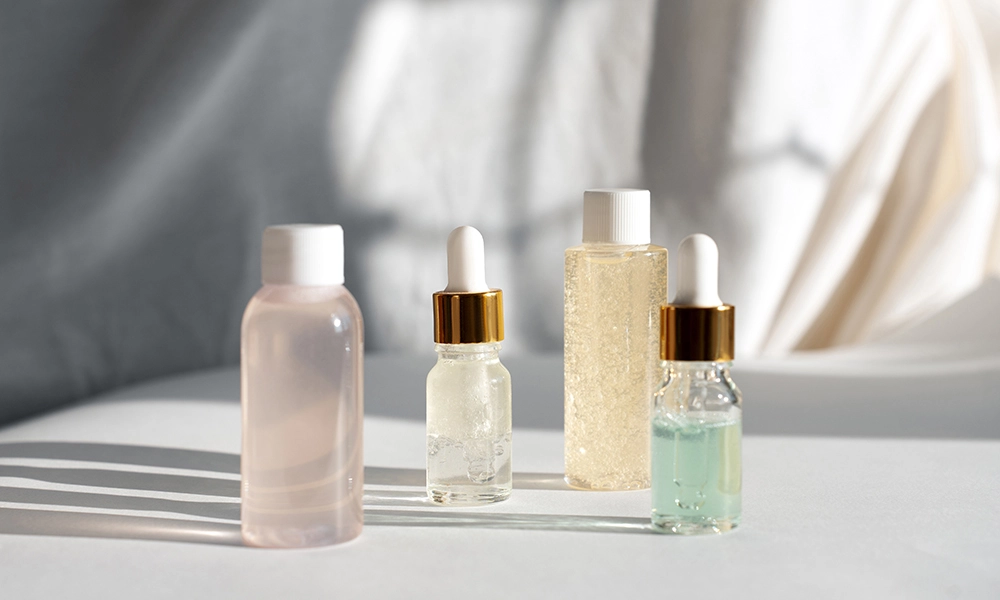
Formulating for Clarity: The OEM Guide to Brightening Serum Mechanisms
Successfully launching a brightening serum requires more than just marketing popular ingredients; it requires advanced formulation stability and a deep understanding of skin biology. Explore our comprehensive B2B guide to the mechanisms of action behind high-performance brightening, from tyrosinase inhibition to overcoming Vitamin C oxidation in mass production.
Glycolic acid (GA) is the smallest alpha-hydroxy acid (AHA) in commercial skincare use—molecular weight 76.05 g/mol—which enables penetration depths of 0.2–0.5 mm, deeper than lactic acid (90.08 g/mol) or mandelic acid (152.15 g/mol). At a working pH of 3.0–4.0, free-acid availability reaches 50–70%, driving exfoliation through desmosome disruption in the stratum corneum. This same profile—low molecular weight, low pH requirement, high reactivity—is what makes glycolic acid ingredient compatibility a critical formulation decision, not an afterthought.
For OEM and private-label buyers, compatibility failures translate directly to shortened shelf life, increased consumer irritation complaints, and regulatory non-compliance in target markets. This guide documents the 5 highest-risk ingredient combinations with glycolic acid, with mechanism-level analysis and directly applicable formulation strategies.
Compare salicylic acid and benzoyl peroxide in terms of benefits, mechanisms, and formulation strategies. A complete guide for skincare brands and manufacturers.
Compare salicylic acid and glycolic acid in terms of benefits, skin types, and formulation strategies. A complete guide for skincare brands and product developers.
This comprehensive B2B formulation guide explores the complexities of manufacturing private label glycolic acid skincare. Moving beyond basic consumer beauty advice, it addresses the critical supply chain and chemical challenges brand owners face—such as low-pH instability, active ingredient degradation, and packaging corrosion. The article details the cellular desquamation mechanism of alpha hydroxy acids (AHAs), maps out clinical efficacy timelines for legal marketing claims, and provides a strategic formulation matrix for positioning daily-use toners versus intensive peels. Finally, it outlines how partnering with an advanced OEM/ODM manufacturer like Rysun Biotechnology—utilizing proprietary buffering, multi-phase emulsions, and acid-resistant packaging—mitigates production risks, reduces consumer return rates, and protects brand profit margins.
Is Glycolic Acid Better Than Azelaic Acid? A Formulator's Comparison Guide for Skincare Brands
"Is glycolic acid better than azelaic acid?" is a question we hear constantly from brand founders and procurement managers. However, from a professional OEM/ODM manufacturing perspective, the answer isn't about which ingredient is "better" for a consumer's skin—it is about which active ingredient aligns with your brand’s product claims, target demographics, and profit margins.
Both acids are highly effective, but they present entirely different challenges on the production line. Glycolic acid requires precise pH buffering to prevent severe consumer reactions, while azelaic acid is notoriously difficult to solubilize, often leading to gritty textures and high return rates if improperly manufactured.
In this technical guide, the R&D team at the Rysun Research Institute breaks down the biological mechanisms, global compliance limits, and supply chain strategies required to successfully manufacture and scale competitive, high-margin acid treatments.
Discover incompatible ingredients with glycolic acid and how to create safe, effective skincare formulations. Ideal for OEM/ODM buyers and brands.
A professional guide to Glycolic Acid efficacy timelines. Learn the science of cell turnover to manage brand expectations and marketing claims with a professional OEM/ODM partner.
Learn the critical safety considerations and formulation limits for glycolic acid products. Discover how a professional turnkey partner ensures efficacy and compliance for your private label skincare line
Explore the real benefits of glycolic acid based on its mechanism of action. A professional B2B guide for skincare brands and OEM/ODM buyers.
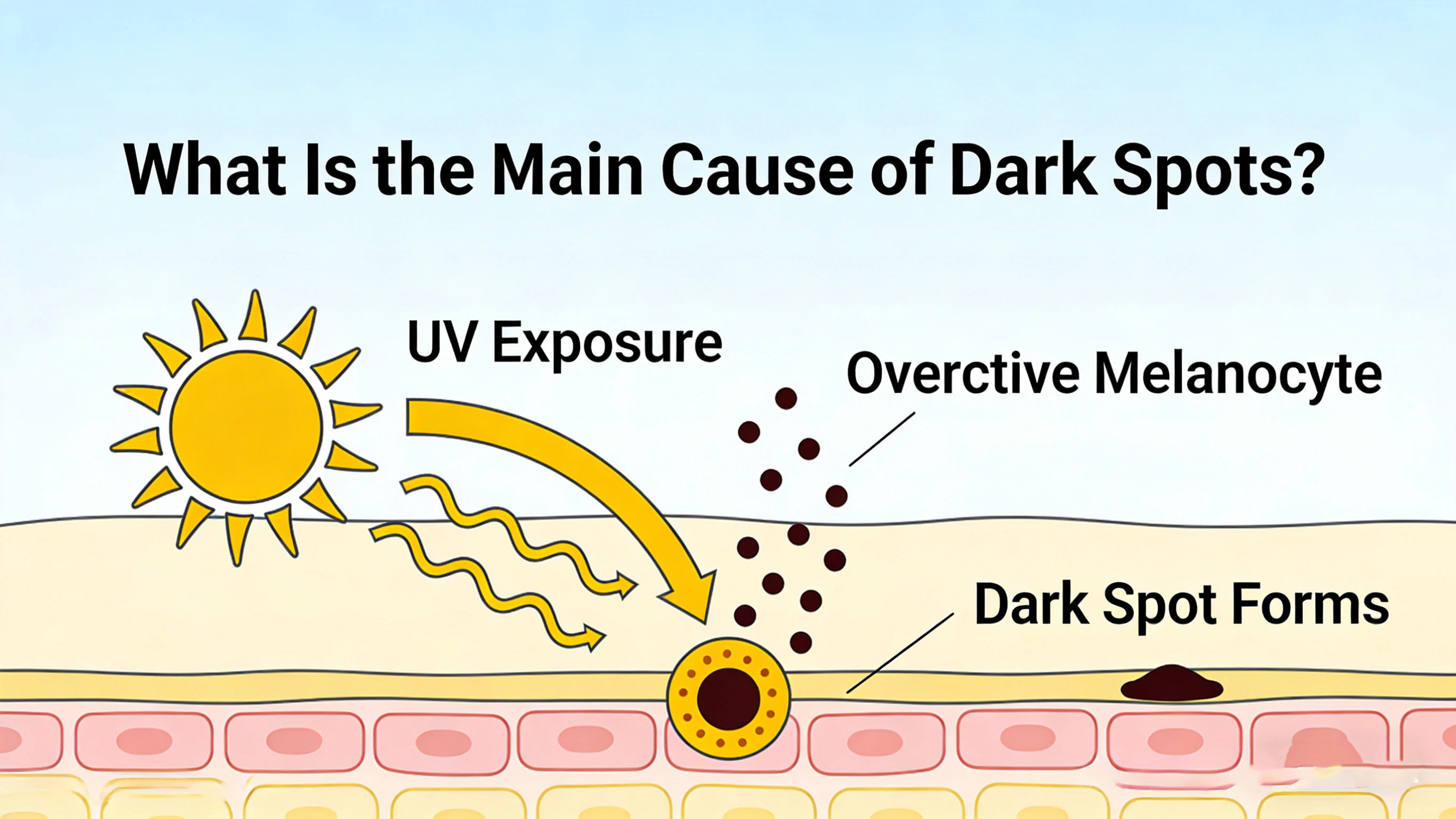
Master the science of hyperpigmentation formulation. Learn how our OEM & Turnkey services provide stable, mechanism-based solutions for private label brightening lines.
Expert guide for brand owners on hyperpigmentation formulation. Explore ingredient stability, regulatory compliance, and turnkey OEM/ODM strategies for launching high-performance brightening serums in 2026.
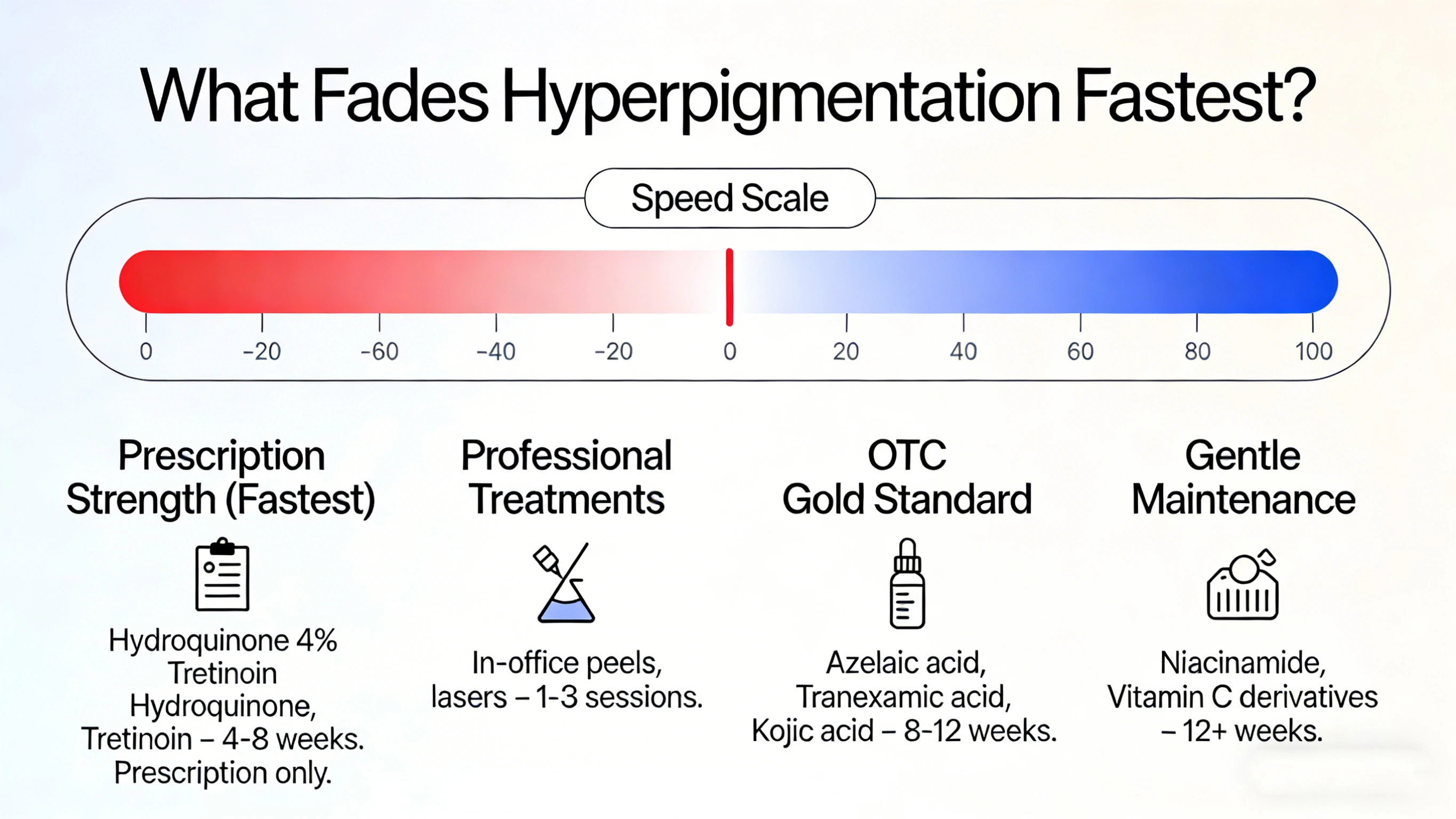
Discover the fastest mechanism-driven solutions for hyperpigmentation. Explore stable formulations, turnkey private label services, and global compliance for your next skincare line.
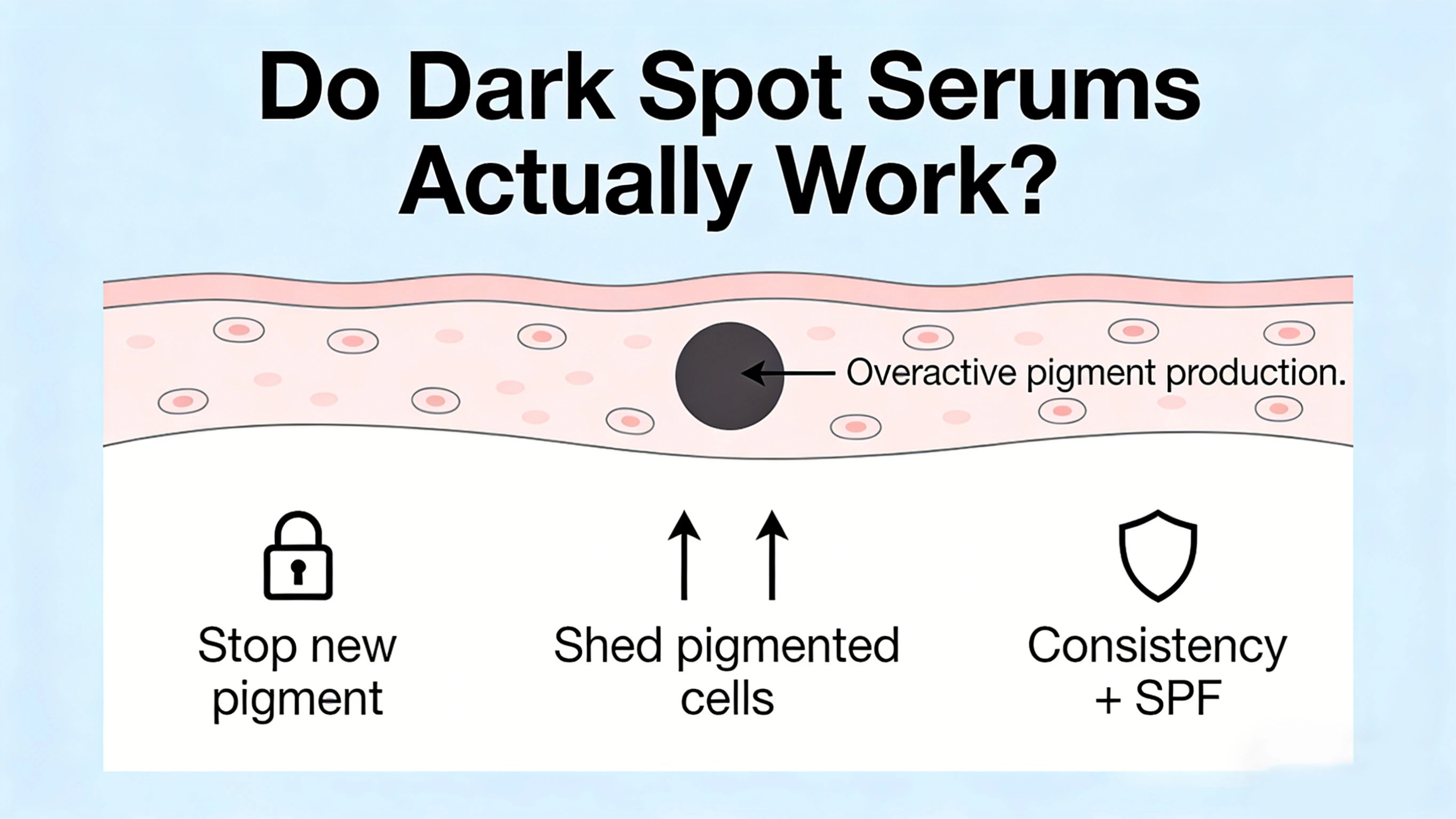
The global demand for hyperpigmentation solutions is accelerating, driven by consumers asking the same persistent questions: What is the main cause of dark spots? Do dark spot serums actually work? Why is my hyperpigmentation not going away? While the consumer market is flooded with products claiming to remove pigmentation quickly, many fail to deliver, resulting in high return rates and damaged brand trust.
For skincare brands and product developers, capturing a share of this market requires understanding the exact biological mechanisms of melanogenesis. At Guangzhou Rysun Biotechnology Co., Ltd., we approach product development through the lens of molecular biology. Supported by our Research Institute and a multidisciplinary team of 20 leading scientists, this guide breaks down the science of hyperpigmentation for brand owners. We will explore what actually causes dark spots at a cellular level, why standard formulations fail, and how to engineer stable, highly efficacious brightening lines that guarantee consumer retention.
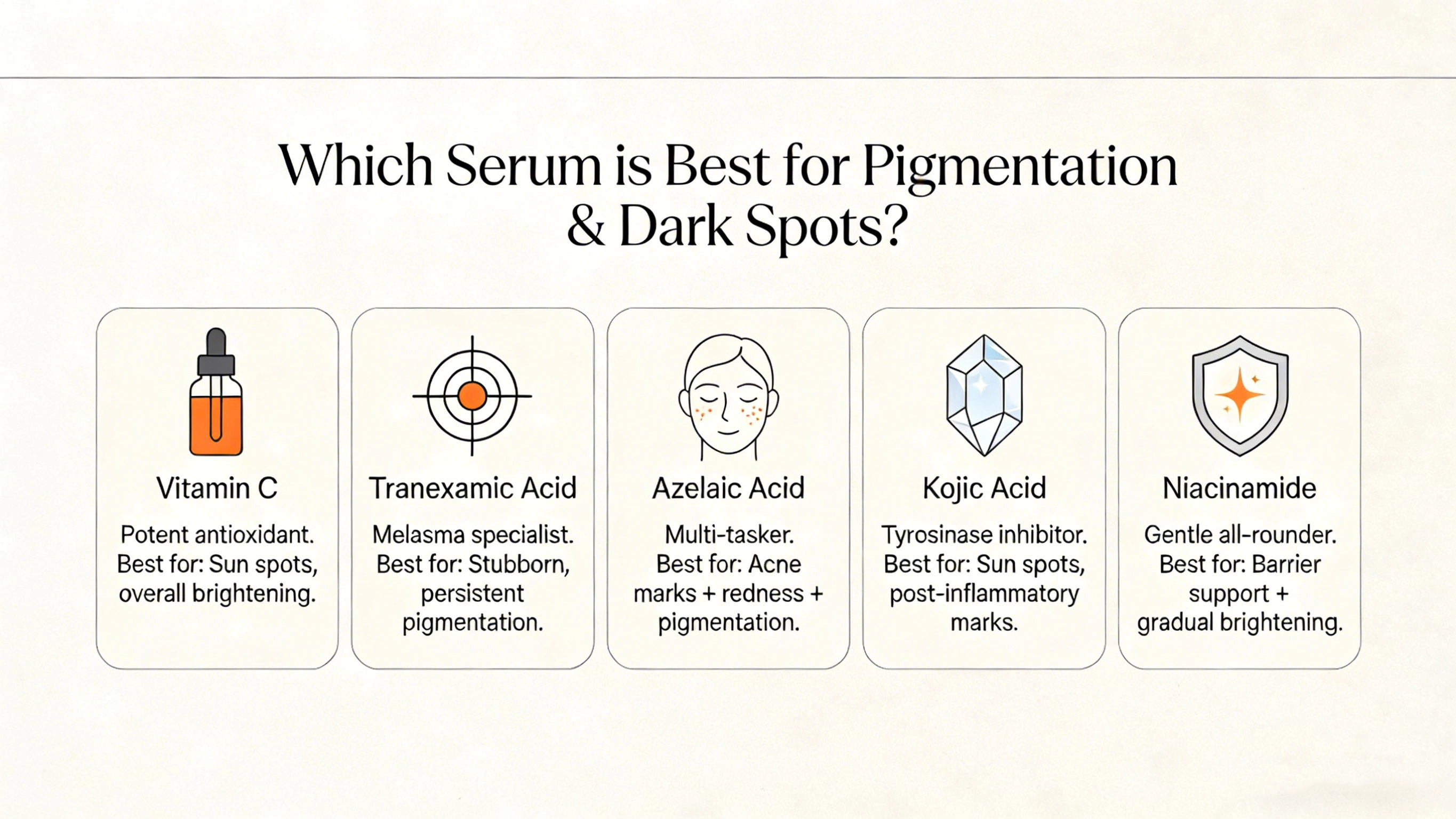
The hyperpigmentation market is rapidly moving away from harsh, single‑acid “bleaching” formulas. Today’s educated consumers demand biocompatible, multi‑pathway serums that deliver rapid results without compromising the skin barrier. So when brand owners ask, “Which serum is best for pigmentation?” or “What fades dark spots fastest?”, the answer is no longer a single hero ingredient—it’s chemical synergy and advanced delivery systems.
In this B2B guide, we break down the high‑performance formulation architecture that defines market‑leading brightening serums. You’ll learn how to combine synergistic actives like Tranexamic Acid, SymWhite® 377, and Niacinamide, why K‑Beauty fermentation changes penetration kinetics, and how Nanostructured Lipid Carriers (NLCs) can cut visible results from 12 weeks down to 4–6 weeks.
Whether you’re developing a private‑label serum or a custom OEM formula, this guide gives you the molecular blueprint to engineer a pigmentation solution that outperforms the competition.
The global hyperpigmentation market is set to hit $9.5 billion by 2031, yet consumers still ask: Do dark spot serums actually work?
For skincare brand owners, this skepticism is a wake-up call. Generic formulas fail because they ignore the real chemistry of pigmentation. Clinical efficacy requires precision engineering—targeting melanogenesis across three pathways, maintaining strict pH compatibility, and ensuring deep penetration past the skin barrier.
In this B2B guide, we skip the marketing fluff. You’ll learn why common ingredient clashes can trigger regulatory risks, how the 500 Dalton Rule determines real results, and what it takes to manufacture a dark spot serum that delivers measurable, marketable efficacy.
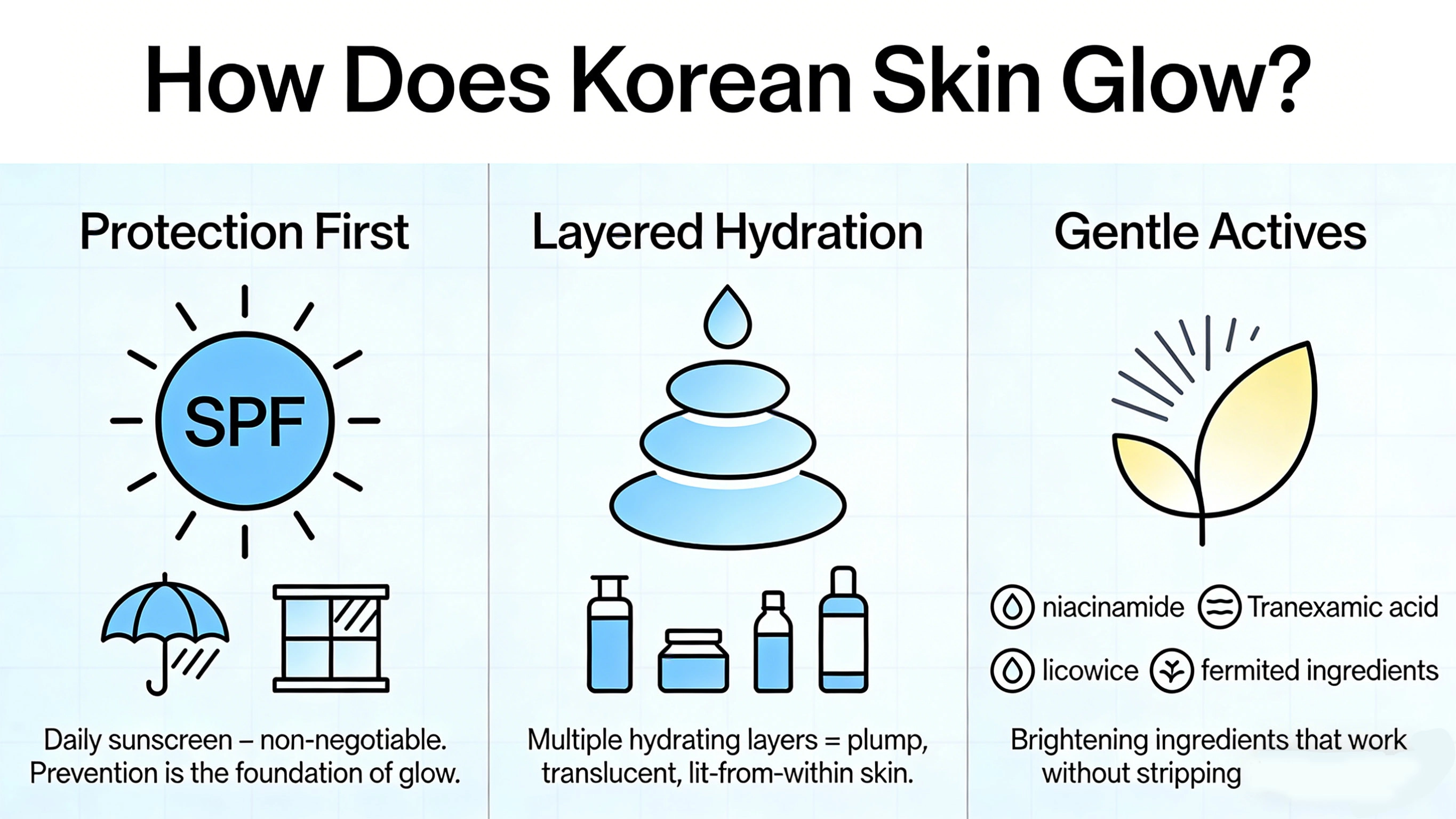
How do you capture the massive demand for K-Beauty without compromising on formula stability? For brand owners and B2B buyers, the challenge is engineering products that deliver the signature "glow" while remaining gentle on the skin barrier. Explore our comprehensive guide to developing highly profitable, trend-driven K-Beauty products—from milky toners to targeted ampoules.
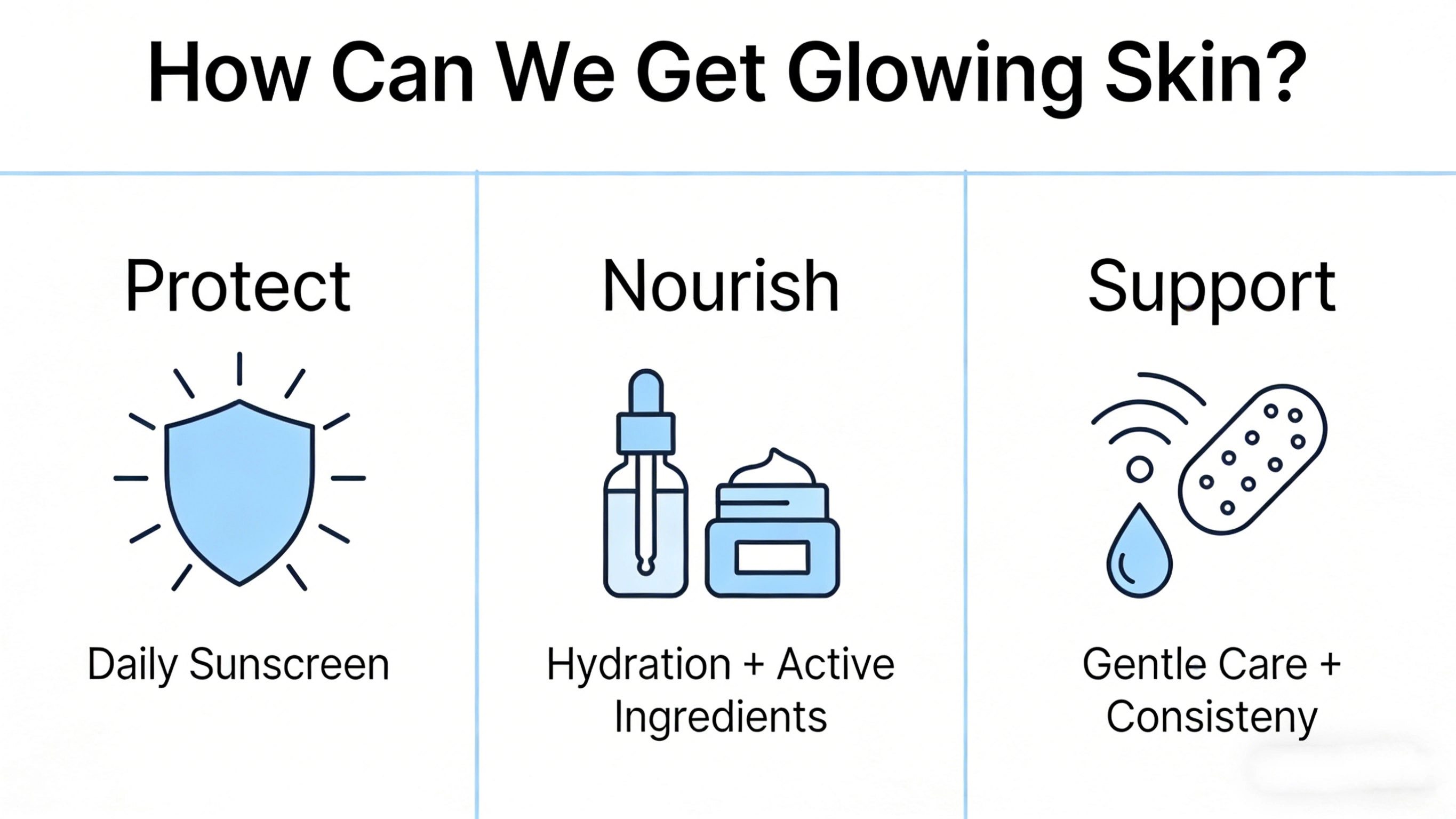
How do you translate the massive demand for "glowing skin" into a stable, highly profitable product line? This technical guide from Rysun Biotechnology’s R&D team explores the chemistry of radiance, the necessity of oxidation shielding for Vitamin C, and how turnkey manufacturing can fast-track your next globally compliant skincare launch.
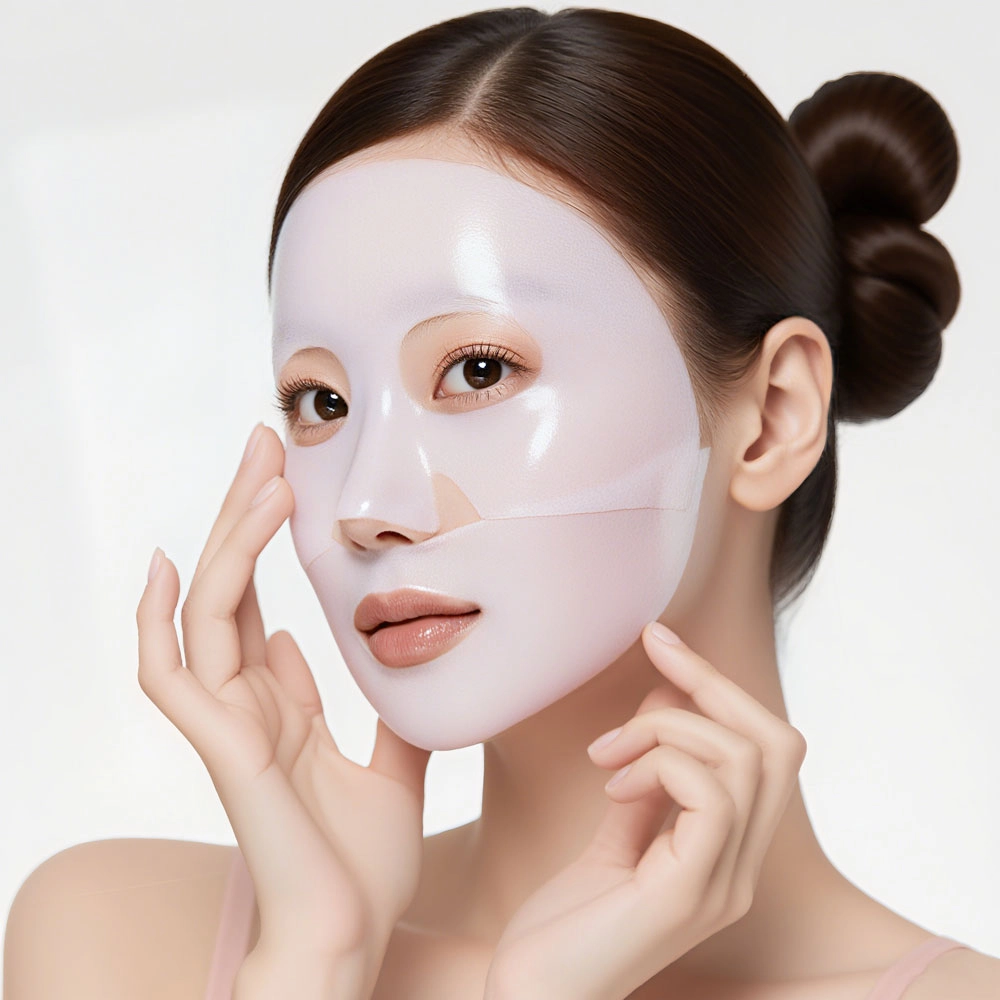
Master the "Glass Skin" trend with Rysun Biotechnology’s B2B guide. Explore stable brightening actives, turnkey manufacturing, and MoCRA-compliant OEM/ODM solutions for global brands.
Recommended
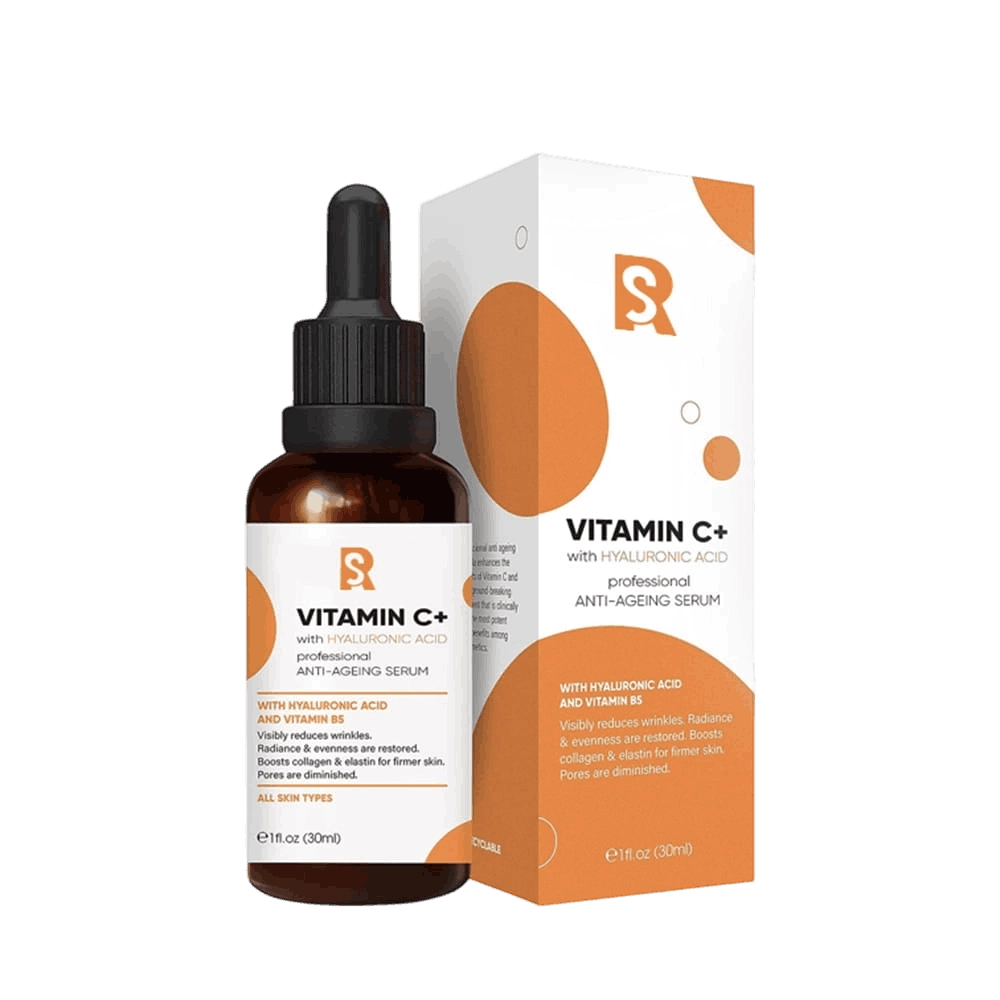
Private Label Good Vitamin C Serum At An Affordable Price Even Suitable For Sensitive Skin
Private Label Hyaluronic Acid Serum For Dry Skin Hydrating
Get more information from RYSUN
Fill out the form to get the latest information, product information or customized service details. Our team will contact you as soon as possible to provide professional answers and support.
© 2025 RYSUN. All Rights Reserved. Privacy Policy | Terms and Conditions | Sitemap
Facebook
Instagram