


The Science of Beauty: Deep Dive into Custom Cosmetic Formulation Services in 2026
The landscape of the global beauty industry in 2026 demands significantly more than just aesthetic appeal; it requires scientifically backed, high-efficacy products. For visionary brand owners seeking to completely dominate the modern market, investing in a custom cosmetic formulation is no longer just an option—it is a critical strategic necessity. To build a brand that lasts, understanding the deep chemistry, dermatology, and strict manufacturing standards behind the products is essential.
What is Custom Cosmetic Formulation?
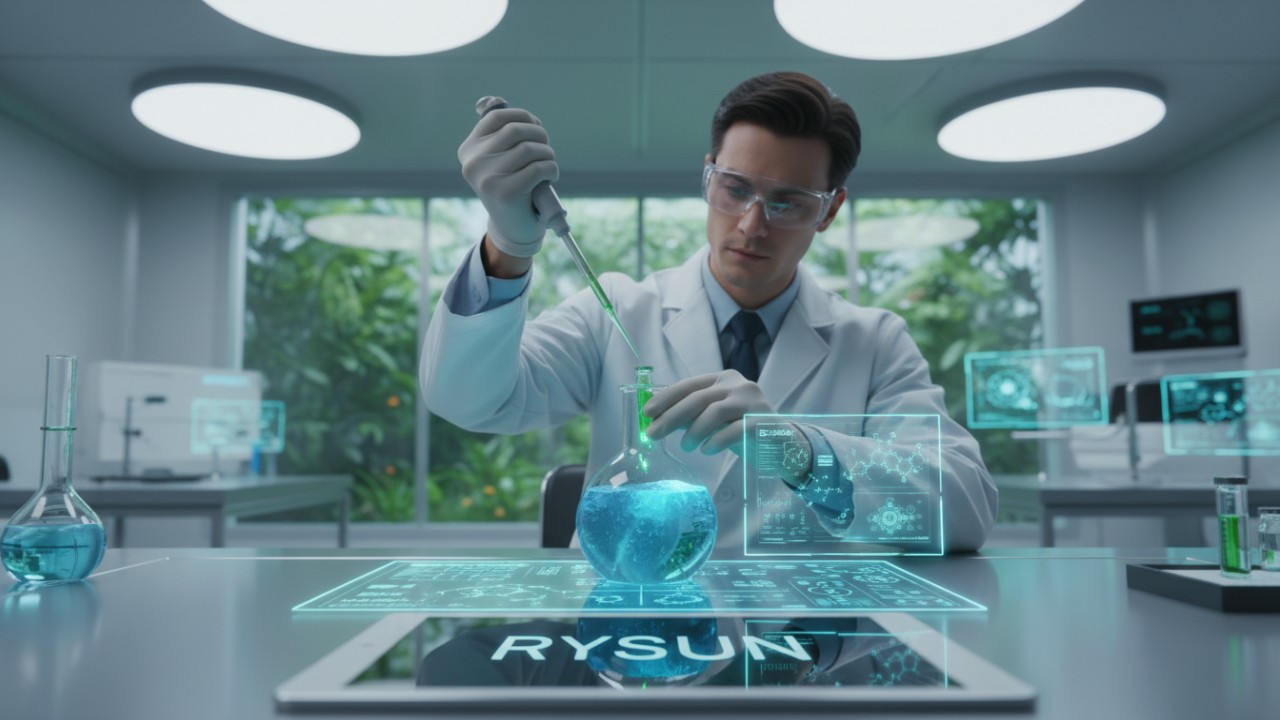
Custom cosmetic formulation is a highly specialized process where expert R&D chemists design and build a proprietary cosmetic or skincare product completely from scratch, ensuring it perfectly meets a brand's precise specifications for active ingredients, texture, safety, and market performance.
Fundamentally, cosmetics are chemical mixtures derived from natural or synthetic sources intended for personal care and skin enhancement, as reported by Wikipedia. Unlike white or private label manufacturing, which simply repurposes pre-made generic bases for different clients, custom beauty product development requires a highly tailored approach. By building the formula from the ground up, a brand gains total control over every single ingredient, ensuring that the final output aligns perfectly with the target demographic's exact needs. This rigorous scientific approach successfully grants brands full intellectual property (IP) ownership, meaning the formulation is uniquely theirs and establishes an unshakeable, unique market positioning that competitors cannot replicate.
Quick Summary: Key Takeaways for Brand Owners
For brand owners, the primary takeaway of custom formulation is the ability to secure full intellectual property ownership, ensuring your scientifically backed product remains functionally exclusive and cannot be easily replicated by competitors utilizing standard generic manufacturing bases.
By fully embracing a customized approach, businesses unlock several massive structural advantages:
- Proprietary Advantage: Custom formulas ensure you are not simply selling the exact same underlying product as your competitors in a different bottle.
- Science-Backed Efficacy: High-end formulations demand the deep integration of advanced biology, clinical dermatology, and organic chemistry to guarantee results.
- Rigorous Testing: Proper development natively includes mandatory microbiology checks, ongoing stability evaluations, and strict pharmacology assessments to protect the consumer.
- Future-Proofing: Complete customization allows brands to adapt instantly to 2026's rapidly emerging biotech innovations and stringent sustainability trends.
The Core Science: Biology, Dermatology, and Chemistry Combined
The core science of beauty relies on intimately integrating biology, dermatology, and chemistry to engineer sophisticated products that safely interact with the skin barrier, remain chemically stable over time, and deliver potent therapeutic benefits without causing irritation or bacterial contamination.
The absolute best cosmetics are not just casually mixed; they are meticulously engineered. To understand exactly how active ingredients interact with the delicate human skin barrier requires profound dermatological knowledge. Moreover, advanced chemistry dictates the ultimate cosmetic stability testing and texture of the product. Skincare chemists must ensure that the water-based and oil-based chemical components do not unpleasantly separate on the retail shelf.
Furthermore, microbiology and pharmacology are completely crucial to guarantee that the formulation remains entirely safe, contamination-free, and consistently delivers therapeutic levels of active organic compounds directly to the targeted skin layers. Without a deep understanding of these overlapping scientific disciplines, a product will simply fail to perform.
The Comprehensive Custom Formulation Process
The comprehensive custom formulation process is a multi-phased operational workflow encompassing initial ideation, iterative prototyping, rigorous stability testing, global regulatory compliance checks, and finally, transitioning from a highly controlled lab environment into large-scale mass production with zero drop in quality.
Creating proprietary cosmetic formulations is an exact science that generally follows these structured steps:
- Ideation and Whitespace Analysis: This initial phase involves clearly defining the brand's long-term goals, identifying the primary active ingredients, and mapping out the specific target demographics to find missing gaps in the retail market.
- Prototyping by Expert Chemists: Scientists conduct highly iterative sample creation, continuously adjusting the formula for optimal texture, scent profile, and perfect ingredient synergy.
- Rigorous Testing Phases: The lab conducts extreme temperature variations, comprehensive stability checks, and strict preservative efficacy tests to ensure total product safety.
- Regulatory Compliance: Meeting global standards means adhering strictly to Good Manufacturing Practices (GMPs). These guidelines assist cosmetic manufacturers in proactively controlling production variables to consistently deliver high-quality products, as detailed by The ANSI Blog. This guarantees the formula passes FDA, EU, and ISO compliance.
- Large-Scale Manufacturing: Finally, engineers facilitate the complex transition from small-batch lab environments to massive commercial production lines without sacrificing safety or consistency.
Expert Tips & Common Mistakes in Cosmetic Product Development
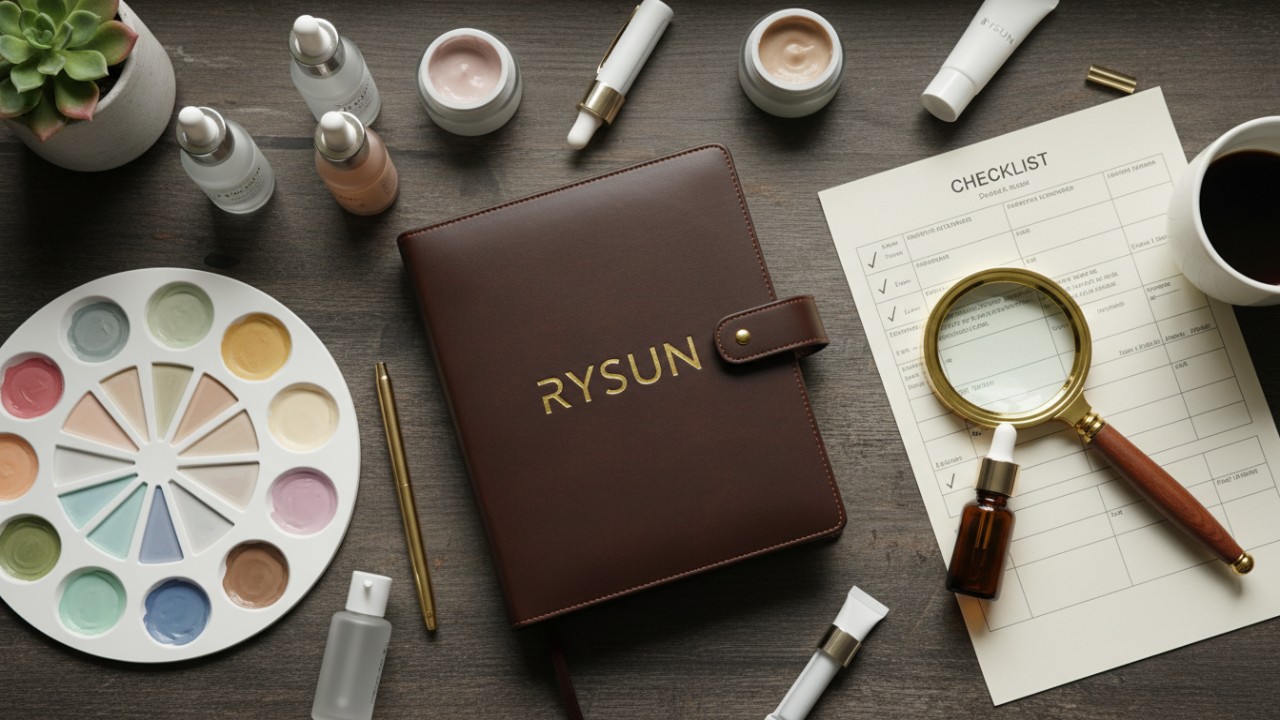
Successfully navigating cosmetic product development requires intentionally avoiding common pitfalls like rushing critical stability tests or ignoring international compliance regulations, and instead prioritizing the early alignment of packaging technology with chemical formulas to prevent any potentially disastrous incompatible material reactions.
Developing a world-class beauty brand is fraught with hidden challenges. Here is how expert skincare contract manufacturing R&D partners manage the risks:
- Mistake: Rushing the crucial stability testing phase, which frequently leads to embarrassing product separation, discoloration, or microbial contamination while sitting on retail shelves.
- Expert Tip: Always aggressively align your planned packaging technology with the liquid formula very early in the R&D process to entirely prevent unexpected chemical incompatibilities (such as acidic serums degrading plastic pumps).
- Mistake: Completely ignoring global regulatory differences when planning to inevitably scale your brand internationally.
- Expert Tip: Work exclusively with a manufacturer that actively implements extensive quality control systems—aiming for multiple, redundant inspection procedures per manufactured product.
For those currently debating which manufacturing route makes the most financial sense for their specific business model, reviewing a comprehensive Private Label Cosmetic Products Manufacturer guide can rapidly help clarify the exact operational differences.
2026 Market Gaps: Biotech Innovations and Global Scaling
In 2026, the primary market gaps revolve around an urgent industry need for biotech-enabled active ingredients, environmentally sustainable packaging technologies, and highly scalable manufacturing partners capable of flawlessly navigating diverse regulatory compliance frameworks across more than fifty distinct international markets.
The global beauty industry in 2026 is moving aggressively toward highly sustainable, biotech-enabled ingredients, demanding substantially more sophisticated contract formulation than ever before. Brands now critically need supply chain partners who fully understand both sustainable packaging technology and eco-friendly organic preservation systems. Scaling globally requires a manufacturing partner capable of efficiently maintaining strict cost-effectiveness.
To better understand the structural paths available to modern brands, review the data comparison below regarding private label vs custom cosmetic formulation:
| Operational Feature | Private Label Solutions | Custom Cosmetic Formulation |
|---|---|---|
| Intellectual Property (IP) | Manufacturer retains formula IP | Brand fully owns formula IP |
| Market Differentiation | Low (Similar baseline as competitors) | High (Proprietary, distinct product) |
| Development Timeframe | 2-4 weeks (Using pre-made bases) | 12-20 weeks (Engineered from scratch) |
| Ingredient Customization | Low (Basic packaging & scent only) | High (Full control over actives and texture) |
| Ideal Target Audience | Startups seeking a rapid, low-cost launch | Established brands scaling global authority |
Industry Leading Solution: Why Top Brands Partner with RYSUN
Top global brands partner with Guangzhou Rysun Biotechnology Co., Ltd. because the organization provides research-driven, end-to-end manufacturing solutions backed by a specialized multidisciplinary team, over two hundred intellectual properties, and more than a decade of proven clinical R&D market experience.
Founded in 2014 by Ivy Wong specifically to solve the rampant issue of inconsistent skincare quality in the market, Guangzhou Rysun Biotechnology Co., Ltd. (Brand Name: RYSUN) has rapidly evolved into a premier research-driven manufacturer. After consulting with Swiss anti-aging experts, the Rysun Research Institute was officially founded in 2015, assembling an elite, multidisciplinary team of doctors, professors, and R&D experts specializing heavily in biology, dermatology, chemistry, microbiology, pharmacology, and advanced packaging technology.
RYSUN showcases unmatched industry Authority and Innovation. The company currently holds an incredible 105 product patterns and 253 intellectual properties, fully supported by 20 leading scientific researchers. Their stringent quality control is industry-leading; RYSUN implements up to 50 incredibly strict inspection procedures per individual product to ensure utterly flawless manufacturing for diverse product lines, including premium makeup removers, face serums, eye care products, tanning solutions, and body lotions.
With over 10 years of dedicated operational experience, RYSUN has successfully partnered with over 700 distinct brands and expertly exports to more than 50 countries globally, making them the ultimate trusted partner for ambitious skincare brands worldwide.
Conclusion
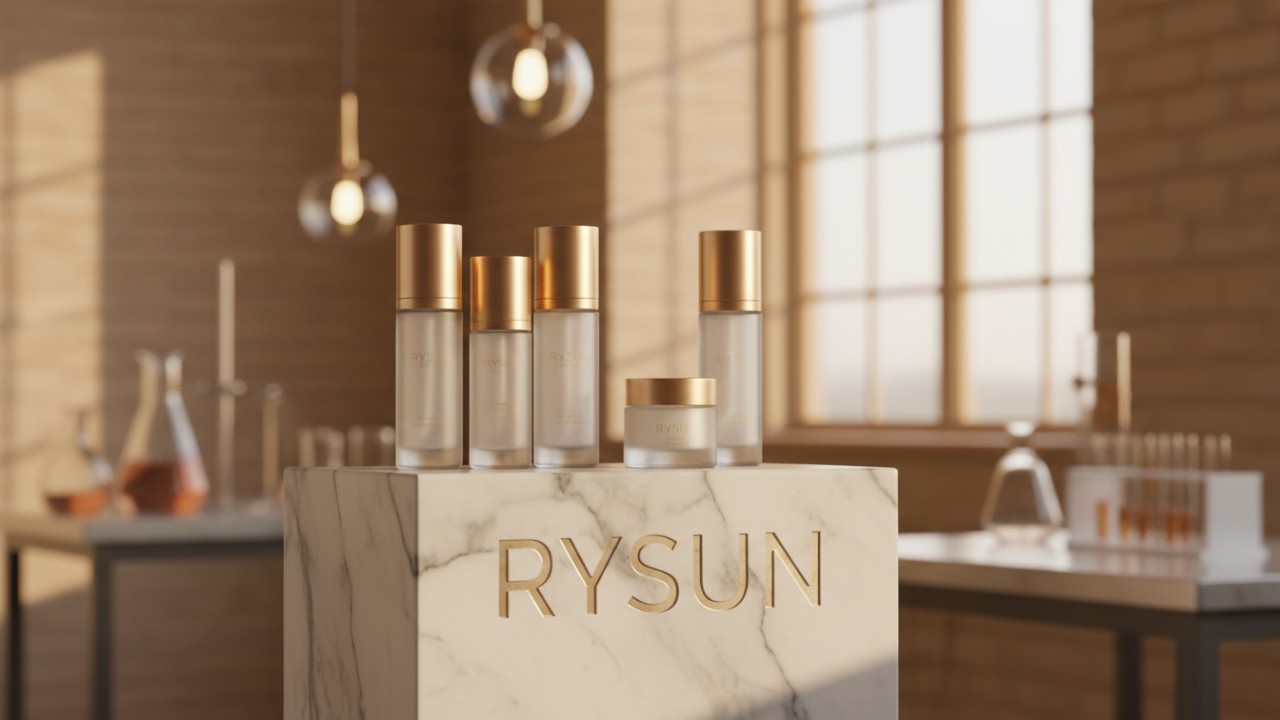
Ultimately, custom formulation represents the absolute best scientific pathway for visionary brands aiming to develop and deliver highly efficacious, proprietary beauty products that genuinely stand out and dominate in an increasingly competitive, fast-paced, and technologically advanced global consumer retail market.
Partnering with an experienced, multidisciplinary R&D laboratory directly ensures that your final product is medically safe, chemically stable, and completely distinct from standard private-label competitors. From mastering the core baseline sciences of dermatology and chemistry to effortlessly navigating complex international regulations, true brand authority is always built on the solid foundation of rigorous scientific development.
Contact us today at k.lee@rysunoem.com to optimize your custom cosmetic formulation strategy.
FAQs About custom cosmetic formulation
The following frequently asked questions provide immediate, expertly curated answers regarding the timelines, operational costs, minimum order quantities, and intellectual property considerations involved when partnering with a professional manufacturing laboratory to create your unique custom cosmetic formulation.
How long does a custom cosmetic formulation process take?
The end-to-end process typically takes anywhere from 12 to 20 weeks. This timeframe includes initial R&D, sample iterations, stability testing, and final regulatory compliance checks.
What is the difference between custom formulation and private label?
Private label involves putting your brand name on a pre-existing formula created by the manufacturer. Custom formulation involves creating a unique, proprietary product from scratch specifically for your brand.
Do I own the intellectual property (IP) of my custom formula?
In most custom formulation agreements, once the final development fees are paid, the brand owns the intellectual property and the specific formula. It is important to secure this via a clear contract with your manufacturing partner.
What kind of testing is required for custom skincare products?
Crucial tests include stability testing, preservative efficacy (challenge) testing, and microbiology tests. Depending on the claims, you may also need clinical efficacy and dermatological safety testing.
How much does it cost to formulate a custom cosmetic product?
Costs can range from $2,000 to over $10,000 per formula depending on the complexity, active ingredients, and the lab's expertise. This fee usually covers the chemist's time, lab materials, and basic stability testing.
What is the minimum order quantity (MOQ) for custom cosmetics?
MOQs for custom formulated products are typically higher than private label, often starting between 2,500 and 5,000 units. This ensures that sourcing specific raw materials and running large-scale manufacturing equipment is cost-effective.
Can a laboratory match a benchmark product's formula?
Yes, expert chemists can reverse-engineer or match the texture, scent, and performance of a benchmark product. However, they will formulate it to be legally distinct and customized to your specific brand requirements.
What certifications should a custom cosmetic manufacturer have?
A reputable facility should be ISO 22716 certified and follow Good Manufacturing Practices (GMP). Additional certifications may include FDA registration, organic certifications, or specific ISO standard compliances depending on global markets.
Related articles
Get more information
If you have any comments or good suggestions, please leave us a message; later our professional staff will contact you as soon as possible.
Rysun Biotechnology--Unremittingly strive for human health and beauty
Contact RYSUN
Email: k.lee@rysunoem.com
WhatsApp: +86 156 0306 9138
Address: No. 62 Nanxiang First Road, Science Town of Guangzhou Developed Zone, Huangpu, Guangzhou, China.
© 2025 RYSUN. All Rights Reserved. Privacy Policy | Terms and Conditions | Sitemap
Facebook
Instagram