


Profit Pools of 2026: Identifying Trending Private Label Cosmetic Products
The global beauty industry is evolving at breakneck speed. To capture the profit pools of 2026, brands must identify and launch trending private label cosmetic products that meet rising consumer expectations for efficacy, safety, and sustainability. This comprehensive guide reveals the most lucrative opportunities, formulation strategies, and manufacturing secrets necessary for your next high-margin beauty brand launch.
What Are the Trending Private Label Cosmetic Products for 2026?
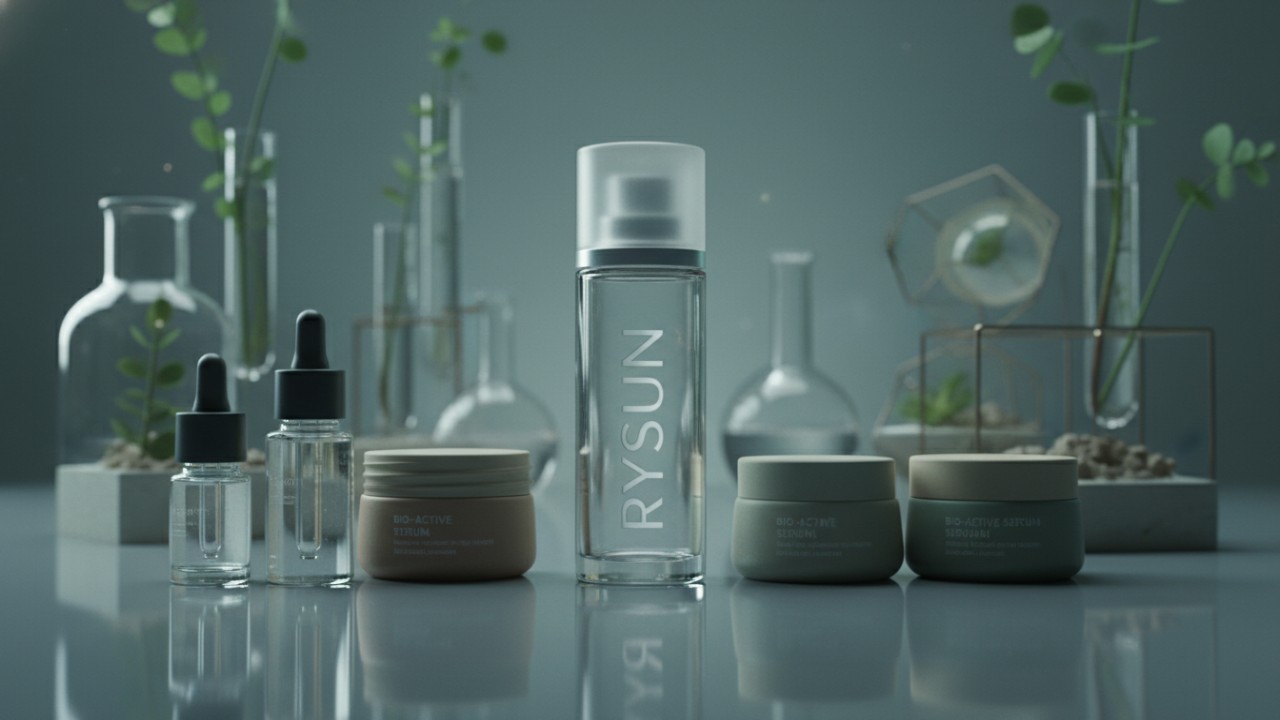
Trending private label cosmetic products for 2026 are high-margin, scientifically formulated beauty goods manufactured by third parties but sold under your own brand. The upcoming market is dominated by personalized skincare, advanced anti-aging face serums, clean tanning products, and hybrid cosmetics prioritizing clinical efficacy and eco-conscious packaging.
To understand the "how" and "why" behind these categories taking over, we must look at rapidly shifting consumer behaviors. Modern shoppers are actively moving away from generic, mass-produced formulas and demanding highly targeted, clinical results. They want products that respect their skin's natural biology while delivering visible improvements.
Key examples of these highly sought-after, trending products include:
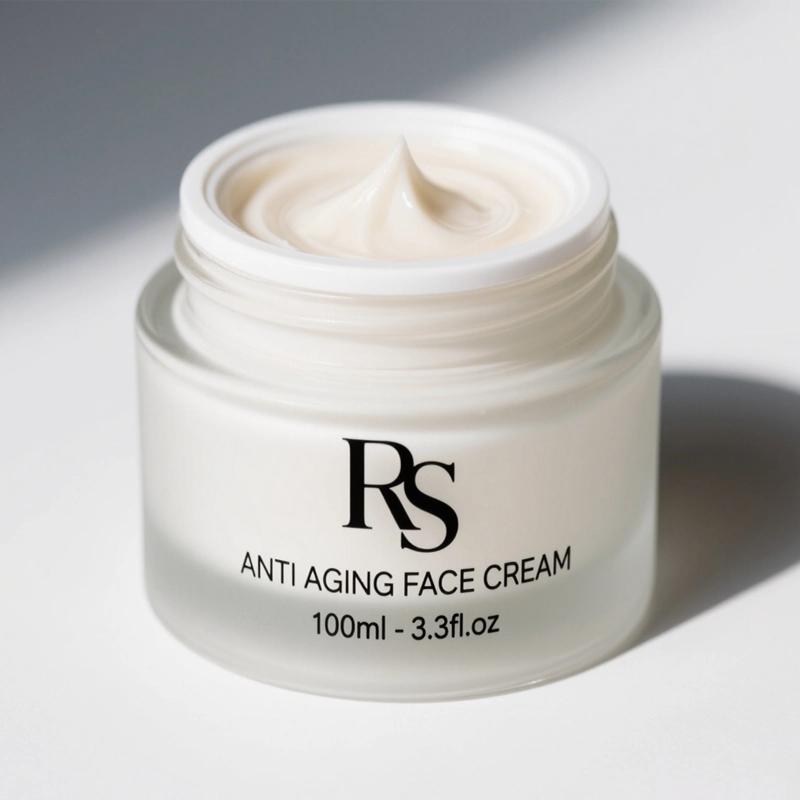
- Bio-active face creams that utilize specialized delivery systems for deeper dermal penetration.
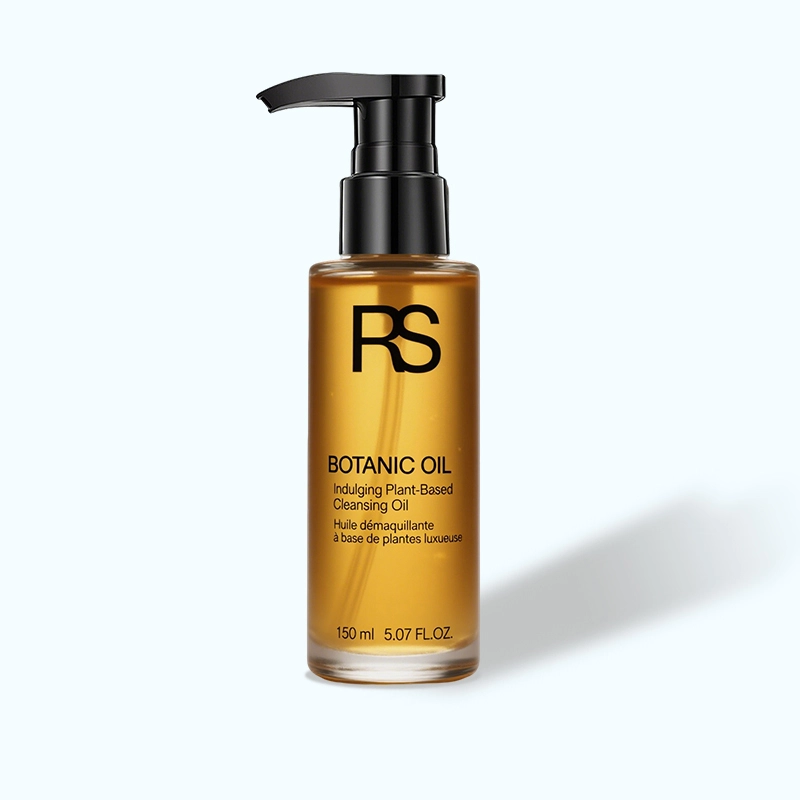
- Eco-friendly makeup removers that effectively cleanse while protecting the skin's natural microbiome barrier.
- Targeted eye care serums expertly formulated to combat digital screen blue light damage, puffiness, and premature aging.
Key Takeaways: The Future of Beauty Brands
The future of beauty brands in 2026 relies on shifting from basic white labeling to proprietary, science-backed private label formulations. Consumers demand clinical efficacy, rigorous quality control, and innovative solutions, driving immense profitability in niche categories like reef-safe tanning and advanced eye care.
The beauty industry is currently undergoing a massive structural transformation. Brands can now easily partner with elite private label skincare manufacturers to develop high-end, clinically tested product lines without the prohibitive overhead of building and maintaining their own dedicated factories.
- Proprietary Innovation: Moving away from standard "white label" catalogs ensures your product cannot be easily replicated by competitors, building stronger long-term brand equity.
- Quality Assurance (QA): Clinical backing and strict quality control are now minimum market requirements, not optional premium upgrades.
- Niche Profitability: Narrowing your focus onto specialized, scientifically advanced categories yields high-margin beauty products that build passionate, highly loyal customer bases.
Gap Analysis: Why 2024 Trends Won't Survive 2026
The fast beauty trends of 2024 will not survive 2026 because consumers now demand efficacy-first skincare backed by high-tech research and development. Brands must pivot toward advanced clinical testing, adopting K-Beauty and Swiss anti-aging philosophies to meet sophisticated global market expectations.
Many competitor analyses and industry reports still focus heavily on the oversaturated 2024 trends, completely ignoring the complex product development lifecycle required for successful 2026 launches. A brand launching today must look ahead, not backward.
- From Fast to Efficacy-First: In 2024, rapid speed to market was everything. By 2026, consumers want proven, dermatologically tested results over social media hype.
- The R&D Gap: Countless brands fail annually because they lack deep technical insights into proprietary R&D, formulation stability, and specific microbiological quality control procedures.
- Global Influences: The profound global impact of K-Beauty's multi-step hydration methodologies and Swiss anti-aging cellular science are continuously raising the bar for global market standards.
Top High-Margin Private Label Cosmetic Categories for 2026
The top high-margin private label cosmetic categories for 2026 include advanced anti-aging face serums, microbiome-friendly makeup removers, targeted eye care, clean tanning solutions, and luxurious body care. These clean beauty private labeling segments offer exceptional profitability due to rising demand for premium, clinically-proven ingredients.
These specific product categories provide the perfect strategic balance of high consumer demand and excellent profit margins. For a broader overview of how to partner with top suppliers to develop these lines, consult our Private Label Cosmetic Products Manufacturer Guide.
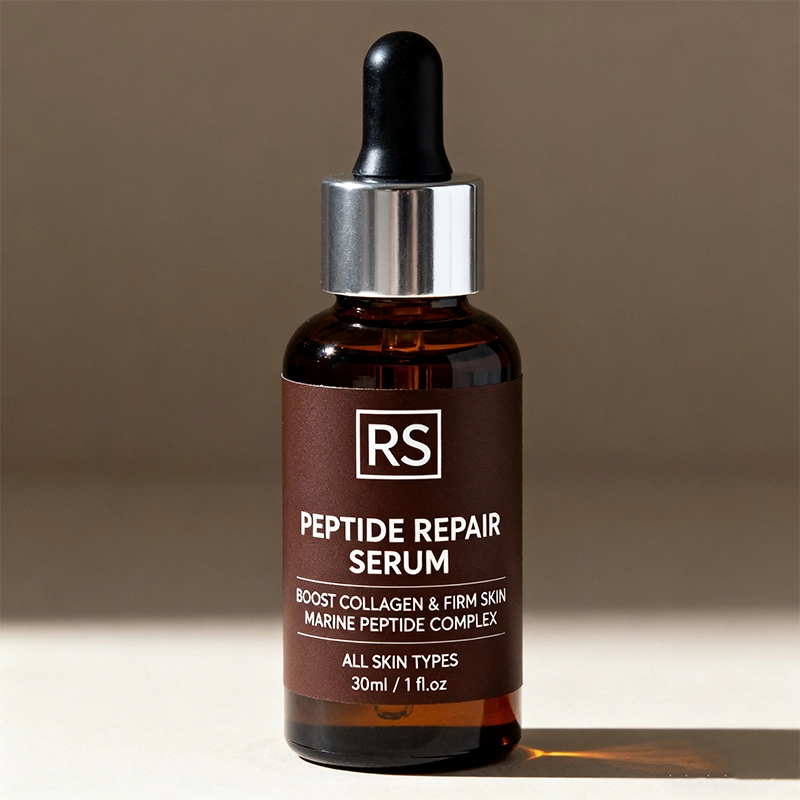
- Advanced Face Serums & Creams: The modern focus is strictly on proprietary peptides and bio-active ingredients. As noted on Wikipedia, modern anti-aging products increasingly bypass basic hydration to utilize sophisticated, scientifically backed compounds to combat visible signs of aging.
- Next-Gen Makeup Removers: Consumers require exceptionally gentle, microbiome-friendly formulations that efficiently cleanse environmental pollutants without stripping the skin's delicate lipid barrier.
- Targeted Eye Care Products: These high-value products must address modern concerns, such as oxidative stress from digital blue light, deep chronological aging, and chronic fatigue.
- Clean Tanning Products: Next-generation tanning formulations must be fully FDA-compliant, reef-safe, and deeply skin-nourishing. According to a recent report by Grand View Research, the global clean beauty market size is projected to experience massive growth, driven heavily by transparent, safe, and sustainable products.
- Luxurious Body Wash & Lotions: Delivering high-end, spa-grade, experiential body care routines to the mass market at accessible price points.
Expert Tips: Common Mistakes When Launching a Private Label Brand
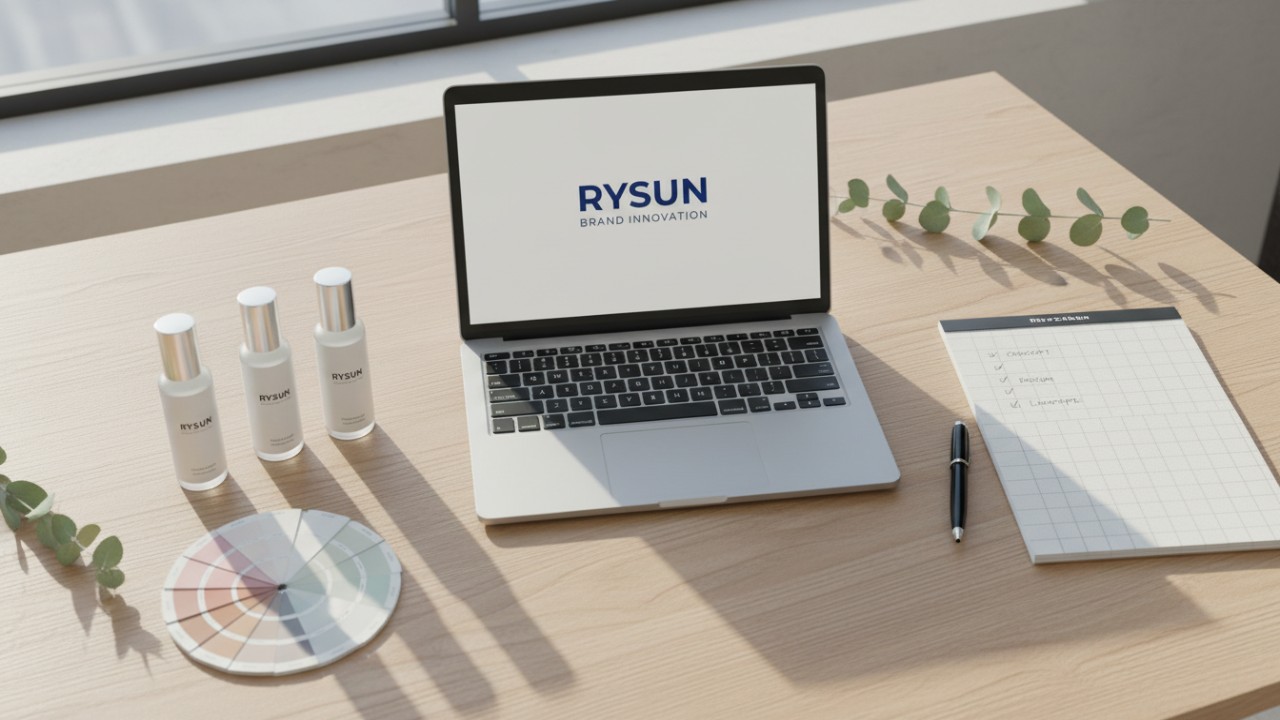
The most common mistakes when launching a private label brand include partnering with manufacturers that have poor quality control, ignoring formulation stability, and overlooking packaging compatibility. Avoiding these errors requires rigorous R&D testing and strict multi-step inspection procedures before every product launch.
Even with the best trending skincare ingredients 2026 has to offer, poor manufacturing execution will instantly ruin a highly anticipated product launch. How do you proactively prevent these costly, brand-destroying errors?
- Mistake 1: Accepting Low Quality Control Standards. Always choose a trusted manufacturing partner that implements extensive, multi-step inspection procedures. A single compromised batch can permanently ruin your brand's reputation.
- Mistake 2: Ignoring Formulation Stability. Dedicated R&D stability testing is non-negotiable. An untested, unstable formula will eventually separate, change color, or lose its clinical efficacy while sitting on a retail shelf.
- Mistake 3: Overlooking Packaging Compatibility. The absolute best face serum will completely fail if the selected pump degrades the active ingredients. Learn more about matching formulas to containers in our private label cosmetics packaging guide.
Industry Leading Solution: How Guangzhou Rysun Biotechnology Co., Ltd. is Shaping 2026
Guangzhou Rysun Biotechnology Co., Ltd. is shaping 2026 by offering world-class custom cosmetic formulation services backed by extensive R&D. Established in 2014, Rysun implements up to 50 rigorous quality inspection procedures per product, partnering with over 700 global brands to ensure flawless, high-margin launches.
Rysun's impressive journey is rooted in an unwavering commitment to unparalleled quality. Founded by Ivy Wong after recognizing the severely inconsistent quality of skincare products in the market through critical discussions with a Swiss anti-aging expert, the company quickly evolved into a premier, research-driven cosmetic powerhouse.
- Global Reach & Deep Experience: With over 10 years of specialized experience, Rysun has exported premium products to more than 50 countries, gaining unparalleled, real-time insights into regional market trends.
- Strict Quality Control: The implementation of up to 50 strict inspection procedures guarantees that every single unit leaving the facility meets the absolute highest global standards.
- Comprehensive Offerings: From highly effective face serums and eye care products to makeup removers and body lotions, Rysun is perfectly equipped to manufacture an entire holistic beauty line under your brand name. Their overarching vision is clear: to become the world's leading cosmetics manufacturer.
The R&D Advantage: Custom Formulation vs. Generic White Labeling
The R&D advantage of custom formulation versus generic white labeling lies in the ability to offer exclusive, proprietary products tailored to your audience. Unlike white labeling, custom formulations leverage elite scientific research, specialized dermatological expertise, and unique intellectual properties to build long-term brand equity.
Why should an ambitious brand exclusively choose custom cosmetic formulation services over standard, off-the-shelf catalog options? The core answer is marketplace differentiation. In 2015, Rysun proudly founded its dedicated Research Institute, assembling a brilliant multidisciplinary team of doctors, professors, and R&D experts specializing in biology, dermatology, chemistry, microbiology, pharmacology, and packaging technology.
If you want to dive deeper into the science of building totally unique, market-disrupting formulas, read our custom cosmetic formulation guide.
Currently, Rysun holds an impressive 105 product patterns and 253 intellectual properties, directly supported by 20 leading scientific researchers. This unparalleled access to advanced R&D allows ambitious brands to offer highly affordable yet clinically effective practical solutions to their customers.
| Feature | Generic White Labeling | Custom Private Labeling (2026 Standard) |
|---|---|---|
| Formulation | Pre-made, generic, widely available | Exclusive, proprietary, scientifically backed |
| Brand Equity | Low (easily replicated by competitors) | High (unique selling propositions and IP) |
| Profit Margin | Moderate (competing primarily on price) | High (competing on proven efficacy and value) |
| R&D Involvement | None (catalog selection only) | Extensive (Dermatologists, Biologists, Chemists) |
| Quality Control | Basic, minimum standard checks | Up to 50 rigorous, multi-stage inspection procedures |
Conclusion
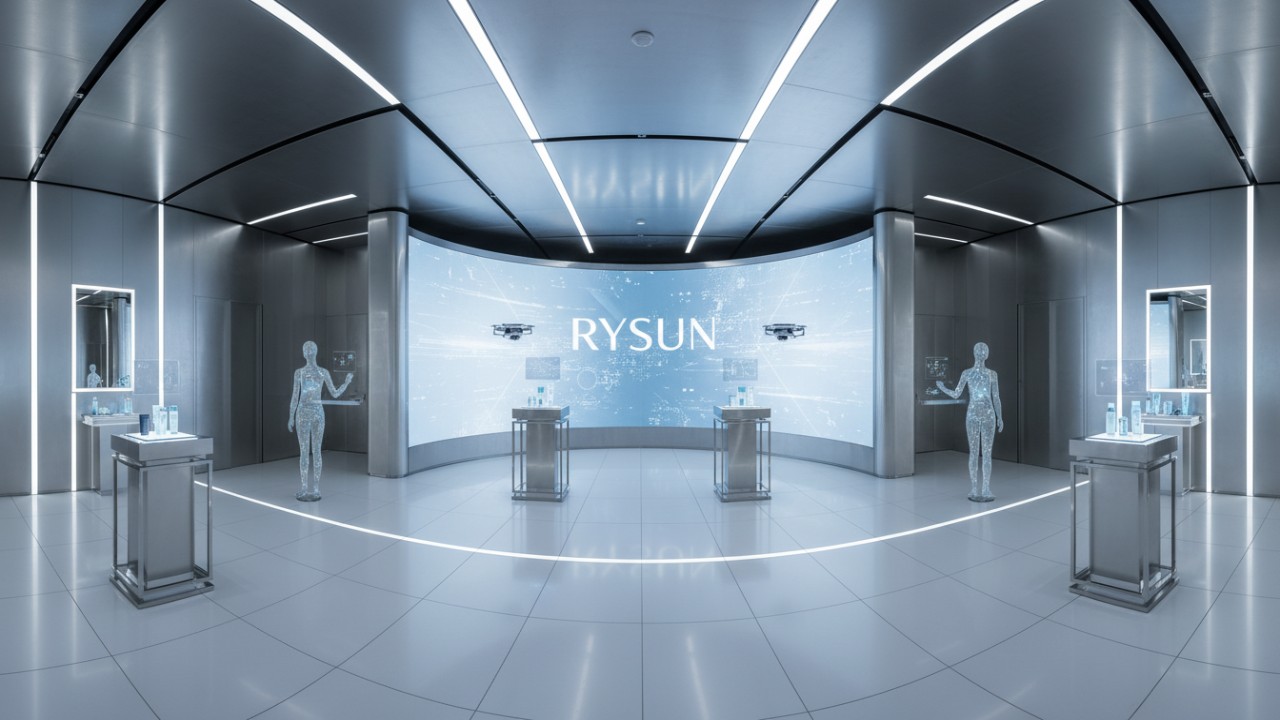
Dominating the 2026 beauty market requires launching trending, science-backed skincare products with stringent quality control by partnering with an elite manufacturing research institute. Investing in advanced, proprietary formulations will ultimately separate highly profitable global brands from generic competitors.
The strategic path to building a truly world-class beauty brand necessitates a highly capable, research-driven manufacturing partner who intimately understands both your creative vision and the strict global regulatory landscape. By focusing on the right clean beauty private labeling categories, prioritizing clinical R&D, and implementing flawless QA, you ensure your formulations are built for long-term dominance.
Contact us today to optimize your trending private label cosmetic products strategy.
FAQs About trending private label cosmetic products
Frequently asked questions about trending private label cosmetic products cover the most profitable categories, how to find reliable manufacturers, and the exact costs of custom formulations. Read below for expert insights on launching your high-margin beauty brand successfully in 2026.
What is the most profitable cosmetic product to private label?
Advanced anti-aging face serums and targeted eye care products typically yield the highest profit margins due to high perceived value. Consumers are highly willing to pay a premium for clinically backed, results-driven formulations that deliver visible anti-aging and restorative benefits.
How do I find a reliable private label cosmetic manufacturer?
Look for manufacturers with their own internal R&D institutes, stringent quality control (like 50+ inspection procedures), and extensive, proven industry experience. A reliable partner, such as Guangzhou Rysun Biotechnology, will offer comprehensive full turnkey solutions and complete transparency from initial concept to final production.
What are the trending skincare ingredients for 2026?
Peptides, microbiome-friendly ferments, bakuchiol (a potent natural retinol alternative), and advanced hyaluronic acid complexes are overwhelmingly leading the 2026 trend forecasts. Formulating with these targeted active ingredients ensures your products perfectly align with modern consumer demands for supreme efficacy and safety.
Is starting a private label beauty brand worth it?
Yes, the global cosmetics market continues to grow rapidly year over year. Private labeling allows passionate entrepreneurs and established businesses alike to seamlessly build high-equity, scalable brands without the massive financial overhead of building and managing their own manufacturing facilities.
What is the difference between white label and private label cosmetics?
White label involves purchasing a generic, mass-produced pre-made formula and simply putting your brand logo on the packaging. In stark contrast, private label allows for meticulous custom formulation, highly unique ingredient profiles, and proprietary technologies that are entirely exclusive to your brand.
How much does it cost to start a private label cosmetics line?
Costs vary wildly based on MOQ (Minimum Order Quantity), custom formulation needs, and customized packaging choices. Partnering with a specialized manufacturer that emphasizes affordable, practical solutions helps effectively control initial investments. Read our private label cosmetics moq guide to thoroughly understand how to optimize your initial purchasing strategy.
Can I formulate custom skincare products with a private label manufacturer?
Yes, elite manufacturers equipped with internal Research Institutes enthusiastically allow you to completely customize active ingredients, scents, textures, and packaging to meet your specific target audience's desires. This enables you to create a superior product that perfectly matches your brand's core ethos.
How do I ensure quality control for my private label beauty products?
Choose a dedicated manufacturing partner with a highly documented, uncompromising multi-step QA process. For example, ensuring the factory conducts rigorous microbiological, chemical, and shelf-life stability testing before any product is shipped is absolutely critical. For more on meeting these strict standards, check out our cosmetic manufacturing regulations guide.
Related articles
Get more information
If you have any comments or good suggestions, please leave us a message; later our professional staff will contact you as soon as possible.
Rysun Biotechnology--Unremittingly strive for human health and beauty
Contact RYSUN
Email: k.lee@rysunoem.com
WhatsApp: +86 156 0306 9138
Address: No. 62 Nanxiang First Road, Science Town of Guangzhou Developed Zone, Huangpu, Guangzhou, China.
© 2025 RYSUN. All Rights Reserved. Privacy Policy | Terms and Conditions | Sitemap
Facebook
Instagram