


The Legal Landscape: Mastering Global Cosmetic Manufacturing Regulations for 2026
What Are Cosmetic Manufacturing Regulations?
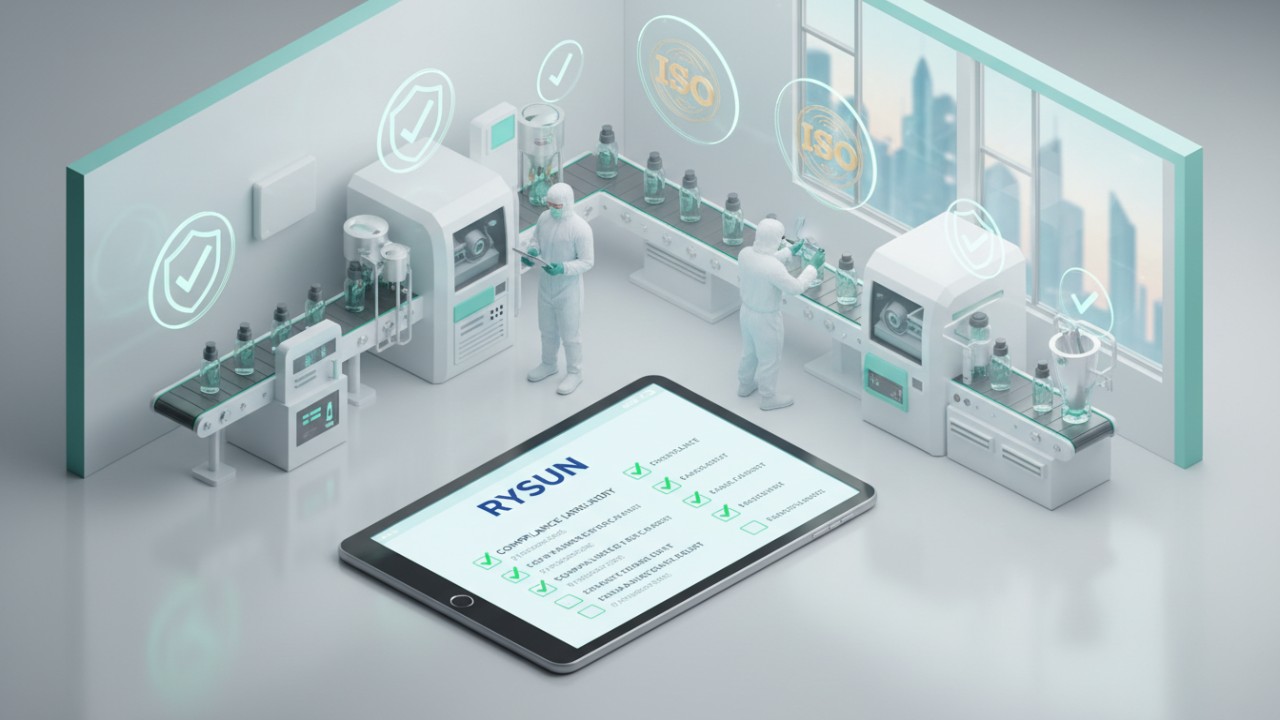
Cosmetic manufacturing regulations are mandatory legal frameworks established by global health authorities to ensure the safety, efficacy, and accurate labeling of beauty and personal care products. They dictate how brands must source, formulate, and test cosmetics to protect consumers worldwide.
Understanding the global cosmetic regulatory framework is the foundation for any successful beauty brand. As we move through 2026, these laws are becoming more comprehensive. Health organizations mandate strict adherence to Good Manufacturing Practices (GMP), facility registration, rigorous ingredient safety assessments, and serious adverse event reporting to protect public health.
Key benefits of fully embracing these regulatory frameworks include:
- Consumer Safety: Prevents adverse reactions by banning toxic chemicals and controlling allergens.
- Brand Trust: Builds long-term loyalty and confidence among your target audience by providing transparent labeling.
- Market Access: Allows legal entry into highly regulated, lucrative international markets without the risk of product seizures.
Key Takeaways: Quick Summary of Global Compliance
Global compliance requires strict adherence to new safety baselines set by US and EU laws, utilizing international Good Manufacturing Practices standards, and partnering with certified manufacturers to minimize legal risks and avoid product recalls in 2026.
Compliance is no longer optional. As governments crack down on substandard products and implement modernized tracking systems, cosmetic brands must stay proactively ahead of the curve to survive.
- Mandatory Updates: MoCRA compliance requirements in the US and the EU cosmetic regulation 1223/2009 set rigorous new operational baselines for 2026.
- Gold Standards: ISO 22716 certification serves as the international gold standard for global manufacturing safety and hygiene.
- Strategic Partnerships: Collaborating with a compliant OEM/ODM manufacturer minimizes legal risk and significantly accelerates your global market entry.
If you are planning to scale your brand internationally, reviewing a Private Label Cosmetic Products Manufacturer Guide can help you identify a partner who thoroughly understands these complex legal nuances.
The Global Regulatory Framework: US, EU, and Asia-Pacific
The global cosmetic regulatory framework is divided into regional mandates, such as the US MoCRA's facility registration, the EU's strict ingredient safety assessments, and Asia-Pacific's functional cosmetics categorizations. Each jurisdiction demands unique documentation to legally sell personal care products.
Navigating these differences is vital for global expansion. A formulation that is perfectly legal in one country may be strictly prohibited in another due to varying ingredient hotlists.
- US FDA and MoCRA: The Modernization of Cosmetics Regulation Act of 2022 is the most significant expansion of the FDA's authority since 1938. It introduces mandatory facility registration, strict product listing, and serious adverse event reporting requirements, as detailed by the U.S. Food and Drug Administration.
- European Union: The EU mandates a comprehensive Product Information File (PIF), meticulous cosmetic product safety reports (CPSR), and stringent animal testing bans, as reported by Wikipedia.
- Asia-Pacific: Brands must successfully navigate the CSAR in China and the ASEAN Cosmetic Directive, paying close attention to efficacy evaluation reports and specialized functional cosmetics categorizations.
Table: Comparison of Major Global Cosmetics Regulations in 2026
| Regulatory Body / Law | Core Objective | Safety Documentation | Facility Registration Requirement |
|---|---|---|---|
| US FDA (MoCRA) | Modernize safety & adverse event tracking | Mandatory safety substantiation | Required for all manufacturing facilities |
| EU (Regulation 1223/2009) | Harmonize internal market & ban toxins | Product Information File (PIF) & CPSR | Portal Notification via CPNP |
| China (NMPA / CSAR) | Control new ingredients & claims | Stringent toxicology & efficacy testing | Mandatory domestic registration & filing |
ISO 22716 and Good Manufacturing Practices (GMP)
ISO 22716 certification is the internationally recognized standard for cosmetics GMP guidelines, ensuring products are consistently produced, controlled, and stored according to rigorous quality protocols. It serves as a universal baseline for maintaining hygiene and preventing product contamination.
To achieve and maintain this prestigious certification, manufacturing facilities must follow precise, audited operational protocols. These standards guarantee that your face serums, makeup removers, and body lotions remain safe and unadulterated from the laboratory to the consumer's hands.
- Traceable Documentation: Implementing rigorous documentation and strict record-keeping for both raw material procurement and finished goods distribution.
- Facility Hygiene: Maintaining meticulously hygienic buildings, facilities, and equipment to prevent adulteration and microbiological cross-contamination.
- Process Control: Establishing continuous production and quality control checkpoints to guarantee consistent, high-quality output across every single batch.
When scaling production under strict GMP guidelines, managing your inventory efficiently becomes critical. You can learn more about strategic order planning by reading a private label cosmetics moq guide.
Future Trends: Preparing for Cosmetic Regulations in 2026 and Beyond

Preparing for 2026 cosmetic regulations involves adapting to mandatory sustainability laws, enforcing stricter bans on forever chemicals like PFAS, and adopting digital compliance tracking tools. Forward-thinking brands must integrate these environmental and technological trends to remain legally competitive.
As consumer awareness regarding environmental impact grows, global legal frameworks are rapidly evolving to ensure both human safety and ecological responsibility.
- Sustainability Legislation: The rapid rise of mandatory sustainability legislation and extended producer responsibility (EPR) requires brands to account for the lifecycle of their products.
- Chemical Bans: Implementation of stricter regional bans on PFAS (forever chemicals), microplastics, and controversial preservatives in formulation. To successfully navigate these ingredient restrictions, consult a comprehensive custom cosmetic formulation guide.
- Digital Transparency: Adoption of digital compliance tools, mandatory supply chain transparency, and blockchain-verified safety data. Eco-friendly packaging is also heavily scrutinized under new laws, making a private label cosmetics packaging guide highly relevant for modern product development.
Common Mistakes in Cosmetic Compliance (Expert Tips)
Common compliance mistakes include illegally treating cosmetic claims as drug claims, failing to update technical safety files for new markets, and ignoring minor ingredient threshold differences. Avoiding these errors saves beauty brands from costly product seizures and permanent market bans.
Even experienced skincare brands can stumble when entering new international territories. Here is how to avoid the most frequent regulatory pitfalls:
- Improper Claims: Treating cosmetic claims as drug claims. For example, claiming a face cream "cures acne" or "permanently alters cellular structure" will trigger immediate regulatory action. Claims must focus on improving the skin's appearance.
- Outdated Files: Failing to update safety substantiations and PIFs prior to entering a new regional market. A safety report for the EU does not automatically grant clearance for the Asian market.
- Ingredient Oversight: Overlooking minor, yet critical, ingredient threshold differences between FDA restrictions and international hotlists, such as Health Canada's restricted substances.
Navigating Regulations with Guangzhou Rysun Biotechnology Co., Ltd.
Partnering with Guangzhou Rysun Biotechnology Co., Ltd. ensures your brand navigates complex compliance laws seamlessly, leveraging over a decade of OEM and ODM manufacturing experience. A certified partner is the most effective way to mitigate legal risks and guarantee safety.
Founded in 2014 by Ivy Wong, Guangzhou Rysun Biotechnology Co., Ltd. (operating under the brand name RYSUN) was established after identifying the inconsistent quality of skincare products in the market through profound discussions with a Swiss anti-aging expert. Located in the Guangzhou High-Tech Development Zone, our vision is to become the world's leading cosmetics manufacturer.
- Scientific Authority: In 2015, we founded our Research Institute, assembling a multidisciplinary team of doctors, professors, and R&D experts specializing in biology, dermatology, chemistry, microbiology, pharmacology, and packaging technology.
- Proven Experience: We leverage more than 10 years of industry experience, having partnered with over 700 brands and safely exported strictly compliant cosmetics to more than 50 countries.
- Unmatched Quality Control: Supported by 20 leading scientific researchers, we hold 105 product patterns and 253 intellectual properties. We implement up to 50 strict inspection procedures per product—ranging from makeup removers to tanning products—ensuring everything meets ISO 22716 certification, MoCRA, and EU standards.
Conclusion
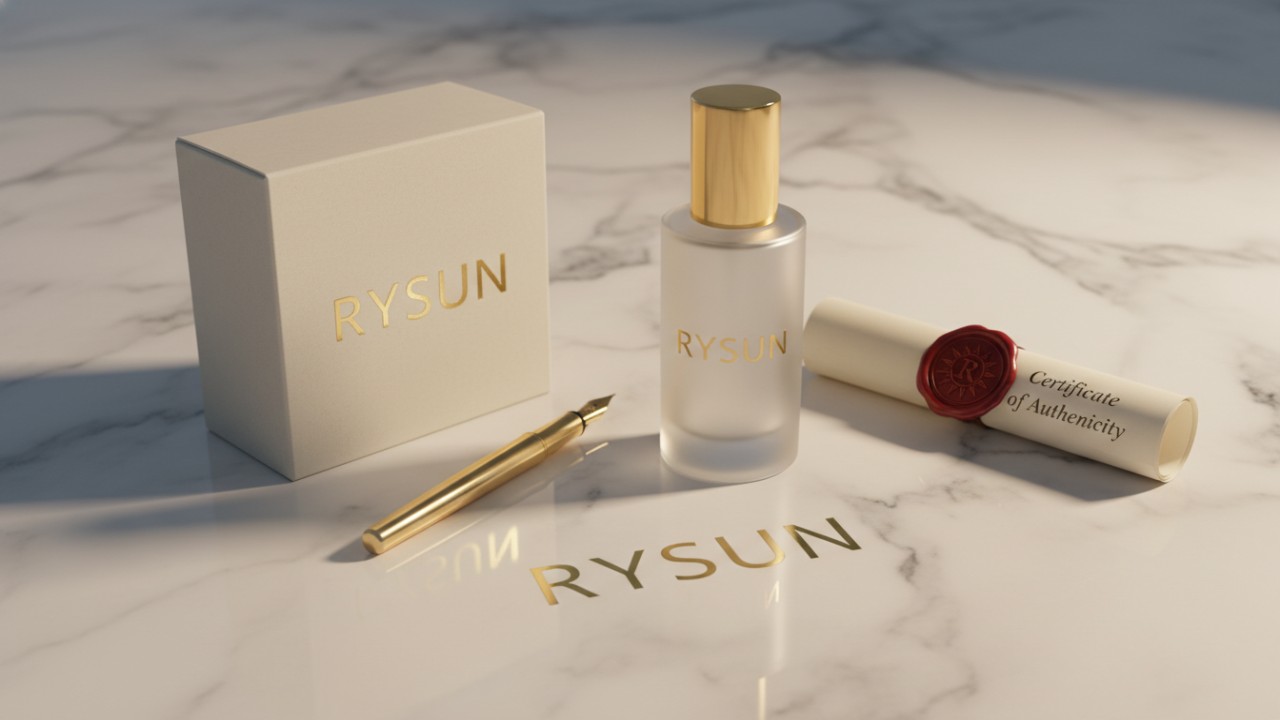
Mastering cosmetic manufacturing regulations is essential to protect your brand reputation, ensure consumer safety, and unlock lucrative international markets. From adapting to strict MoCRA updates to achieving flawless ISO 22716 compliance, staying ahead of global legal changes dictates the long-term success of your skincare line. By partnering with a fully compliant, research-driven manufacturer, you can confidently launch and scale your beauty products worldwide without the fear of regulatory bottlenecks.
Contact us today at k.lee@rysunoem.com to optimize your cosmetic manufacturing regulations strategy.
FAQs About cosmetic manufacturing regulations
What is MoCRA and how does it affect cosmetic manufacturers?
MoCRA is the Modernization of Cosmetics Regulation Act of 2022, expanding the FDA's regulatory authority over cosmetics. It requires facility registration, product listing, safety substantiation, and adverse event reporting.
Do I need ISO 22716 certification to sell cosmetics globally?
While not legally mandated in every country, ISO 22716 is the internationally recognized standard for cosmetic GMP. Holding this certification greatly simplifies market entry into the EU, Canada, and Asia.
What is a Product Information File (PIF) in EU cosmetics law?
A PIF is a mandatory technical document required for every cosmetic product placed on the EU market. It contains a detailed cosmetic product safety report, formulation details, and proof of claimed effects.
How do US cosmetic regulations differ from EU regulations?
The EU generally takes a more precautionary approach with over 1,600 banned substances, whereas the US historically banned far fewer. MoCRA is bridging this gap by giving the US FDA more authority similar to EU regulations.
Are cosmetic companies required to register their facilities with the FDA?
Yes, under the new MoCRA legislation, mandatory facility registration is required for manufacturers producing cosmetics for the US market. Certain exemptions apply for very small businesses, but most commercial facilities must comply.
What are the GMP requirements for cosmetic manufacturing?
GMP requirements encompass quality control processes, proper facility hygiene, equipment maintenance, and rigorous raw material testing. They ensure products are consistently produced and controlled according to quality standards.
How can brands ensure cosmetic ingredient safety compliance?
Brands must perform toxicological risk assessments and cross-reference ingredients with regional restricted substance lists like the EU Annexes or Health Canada Hotlist. Partnering with experienced R&D labs ensures formulations remain compliant before production begins.
What are the penalties for non-compliance in the cosmetics industry?
Penalties can include forced product recalls, import refusals, warning letters, and severe financial fines. Repeated non-compliance can lead to permanent market bans and irreversible damage to brand reputation.
Related articles
Get more information
If you have any comments or good suggestions, please leave us a message; later our professional staff will contact you as soon as possible.
Rysun Biotechnology--Unremittingly strive for human health and beauty
Contact RYSUN
Email: k.lee@rysunoem.com
WhatsApp: +86 156 0306 9138
Address: No. 62 Nanxiang First Road, Science Town of Guangzhou Developed Zone, Huangpu, Guangzhou, China.
© 2025 RYSUN. All Rights Reserved. Privacy Policy | Terms and Conditions | Sitemap
Facebook
Instagram