


Eco-Friendly Aesthetics: Sourcing Sustainable Cosmetic Packaging at Wholesale Prices in 2026
What Is Sustainable Cosmetic Packaging Wholesale?
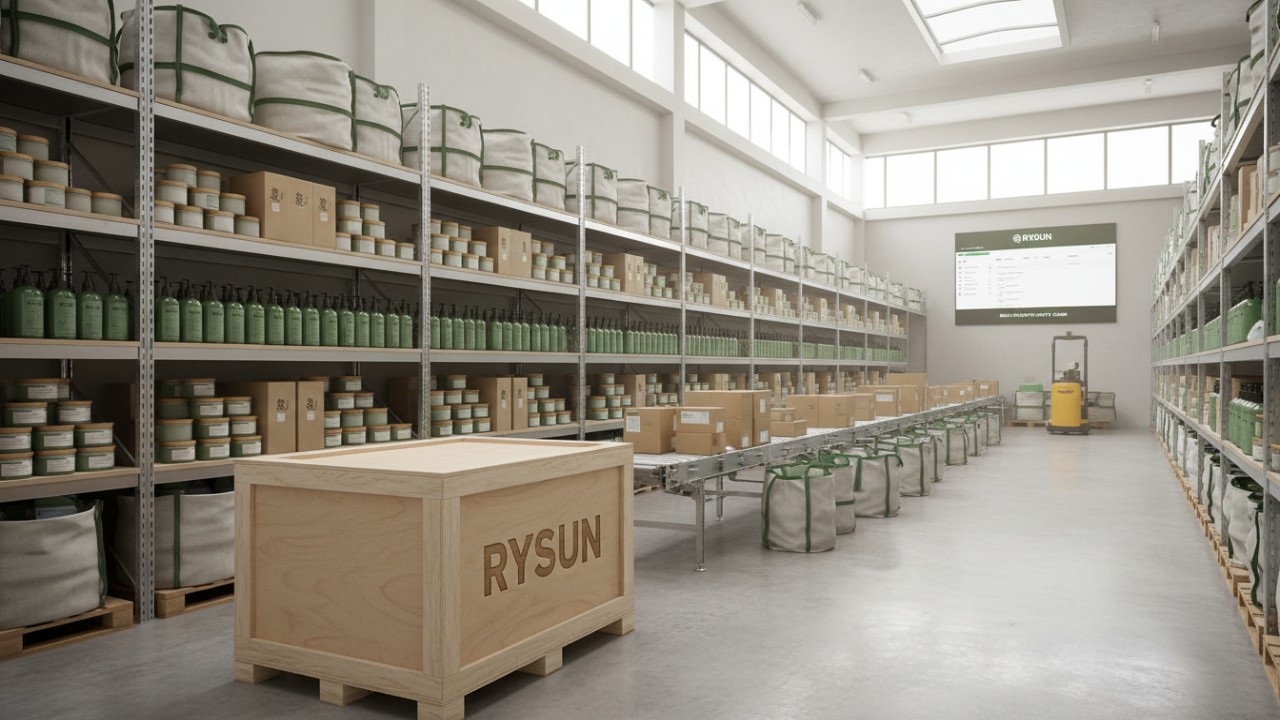
Sustainable cosmetic packaging wholesale is the bulk procurement of environmentally friendly beauty containers—such as post-consumer recycled (PCR) plastics, mono-materials, and biodegradable vessels—designed to reduce carbon footprints while offering brands cost-effective, premium aesthetic solutions at scale.
Sourcing these eco-conscious materials in large quantities is no longer just a marketing angle; it is a structural pillar for beauty brands in 2026. Purchasing PCR cosmetic containers bulk significantly lowers the unit price, enabling both independent indie labels and enterprise-level beauty corporations to remain highly competitive.
Here is how wholesale sourcing impacts the industry:
- Cost Efficiency: Buying in bulk neutralizes the premium typically associated with green materials.
- Circular Economy: It diverts massive amounts of waste from landfills by utilizing materials explicitly designed for recycling or composting.
- Brand Equity: Premium aesthetics are maintained without compromising environmental ethics.
Key Takeaways: Sourcing Eco-Friendly Beauty Packaging
Successfully sourcing eco-friendly beauty packaging requires balancing material innovation with brand aesthetics, navigating minimum order quantities (MOQs) for competitive pricing, and partnering with experienced manufacturers to ensure chemical compatibility between advanced cosmetic formulations and sustainable containers.
Transitioning your brand to greener alternatives involves several critical steps:
- Material Selection: Key materials dominating the 2026 market include Post-Consumer Recycled (PCR) plastics, mono-material beauty packaging, and infinitely recyclable glass.
- Formulation Synergy: Partnering with a comprehensive OEM that understands both complex formulations and packaging technology guarantees that your product remains stable and effective.
- Volume Planning: Understanding Minimum Order Quantities (MOQs) is essential for securing the best wholesale pricing and avoiding budget overruns.
Top Sustainable Packaging Materials for 2026
The leading sustainable packaging materials for 2026 include Post-Consumer Recycled (PCR) plastics, fully recyclable mono-material polymers, bio-based compostable resins, and premium refillable glass systems, each offering unique benefits for circular economy compliance and zero-waste beauty initiatives.
As reported by Future Market Insights, the high-recyclability mono-material flexible packaging market is projected to reach a value of USD 4.5 billion by 2036, highlighting the massive global shift toward single-polymer solutions that eliminate sorting complications.
- Post-Consumer Recycled (PCR) Plastics: These containers divert reliance on virgin plastics by utilizing high-quality recycled PET and HDPE.
- Mono-Material Innovations: Airless pumps and bottles crafted from a single polymer type allow for 100% effortless recyclability by the end consumer.
- Refillable Glass & Aluminum Systems: These offer high-end aesthetic solutions that encourage consumer retention through convenient refill pods. Leading refillable cosmetic packaging suppliers are prioritizing these for luxury skincare lines.
- Bio-Based & Compostable Resins: Utilizing bamboo, wood, and agricultural byproducts creates highly effective biodegradable skincare packaging wholesale options.
Material Comparison Table
| Packaging Material | Primary Benefit | Potential Drawback | Best Suited For | Est. Custom MOQ |
|---|---|---|---|---|
| PCR Plastics | Reduces virgin plastic use | Can have slight color variations | Body washes, shampoos, lotions | 5,000 - 10,000 |
| Mono-Materials | 100% easily recyclable | Higher initial tooling costs | Face serums, airless pumps | 10,000+ |
| Refillable Glass | Premium luxury feel | Heavier shipping weight | Face creams, high-end perfumes | 3,000 - 5,000 |
| Bio-Based Resins | Compostable end-of-life | Requires rigorous compatibility tests | Solid cosmetics, powder jars | 5,000 - 10,000 |
Expert Tips & Common Mistakes in Sourcing Wholesale Packaging
Procuring wholesale eco-friendly packaging demands strict verification of safety data sheets, avoiding greenwashing traps like uncertified wood, and conducting rigorous compatibility testing to prevent active cosmetic ingredients from degrading biodegradable plastics or reacting with recycled resins.
Ensuring safety and compliance is paramount for consumer trust. As reported by Borealis, the CosPaTox (Cosmetics, Packaging, and Toxicology) Consortium has established standardized, stringent guidelines for safely integrating PCR materials into sensitive leave-on and rinse-off cosmetic applications.
To navigate this landscape successfully, consider these expert tips and pitfalls:
- Expert Tip: Always request Material Safety Data Sheets (MSDS) and verify third-party certifications like FSC (Forest Stewardship Council) or ISO before placing wholesale orders.
- Common Mistake: Falling for "greenwashing." Selecting materials that merely look natural (such as uncertified bamboo) but secretly rely on toxic glues or non-recyclable plastic inner liners defeats the purpose.
- Common Mistake: Skipping compatibility testing. Highly active ingredients, such as those found in a potent face serum or Vitamin C face cream, can degrade bio-plastics over time if not properly tested.
- Expert Tip: Negotiate scaled pricing tiers based on your projected annual volume rather than just your initial pilot run.
Bridging the Gap: Real Wholesale Pricing & 2026 Market Trends

Wholesale pricing for sustainable packaging is rapidly approaching parity with virgin plastics in 2026, driven by higher production volumes, standardizing MOQs between 5,000 and 10,000 units, and the integration of smart NFC tags for transparent supply chain tracking.
This cost stabilization is supporting massive industry expansion. As reported by SkyQuest Technology, the global cosmetic packaging market size is poised to surge to USD 81.63 billion by 2033, heavily driven by the escalating demand for premium and sustainable packaging options.
- Pricing Reality: Unlike generic industry guides, it is vital to know that wholesale PCR packaging historically carried a 10-15% premium over virgin plastic. However, heading into 2026, this gap is closing rapidly.
- MOQ Expectations: You can expect MOQs for highly customized eco-friendly cosmetic jars low MOQ to start at 5,000 to 10,000 units. Conversely, standard continuous stock can often be sourced for significantly less.
- Future Trends: Expect to see the widespread integration of NFC tags on packaging to provide ultimate supply chain transparency and digital consumer recycling instructions.
- Budgeting: Brands must account for tooling and mold costs if they require entirely custom shapes for mono-material airless pumps.
Industry-Leading Solutions: Guangzhou Rysun Biotechnology Co., Ltd.
Guangzhou Rysun Biotechnology Co., Ltd. (RYSUN) is a premier, research-driven cosmetics manufacturer founded in 2014, offering seamless OEM/ODM integration of advanced skincare formulations with cutting-edge sustainable packaging to eliminate supply chain delays and ensure optimal product stability.
Sourcing packaging separately from your cosmetic formulations often leads to costly supply chain bottlenecks and severe compatibility issues. This is precisely where a comprehensive OEM partner excels.
- Established Authority: Founded by Ivy Wong to combat inconsistent market quality, Rysun has evolved into a global powerhouse, partnering with over 700 brands and exporting to 50+ countries.
- Research & Development: The Rysun Research Institute features a multidisciplinary team of over 20 leading scientific researchers, including experts in biology, dermatology, and advanced packaging technology.
- Product Excellence: Whether developing makeup removers, eye care products, tanning solutions, or body lotions, Rysun ensures that your eco-friendly containers perfectly preserve high-quality skincare formulas.
- Quality Control: By executing up to 50 strict inspection procedures per product, Rysun guarantees that your sustainable packaging not only boasts a premium aesthetic but performs flawlessly under real-world conditions.
Why R&D Integration Matters for Sustainable Cosmetics
Integrating research and development with sustainable packaging ensures that delicate active ingredients remain stable within eco-friendly containers, leveraging scientific expertise to pass rigorous inspection procedures while aligning your entire supply chain with global environmental mandates.
Advanced formulation requires equally advanced packaging. Relying on an expert partner ensures your brand avoids costly product recalls or rapid expiration dates.
- Intellectual Property: With 105 product patterns and 253 intellectual properties, an R&D-focused partner like Rysun ensures your brand stays ahead of global sustainability innovations.
- Proven Stability: Over 10 years of specialized experience guarantees that delicate anti-aging formulas remain perfectly stable in PCR plastics and refillable environments.
- Carbon Reduction: Leveraging a one-stop OEM/ODM solution reduces carbon emissions resulting from multi-vendor shipping logistics, perfectly aligning your operations with an authentic eco-friendly brand ethos.
For further insights into optimizing your brand's operational flow and aesthetic design, explore our comprehensive private label cosmetics packaging guide.
Conclusion
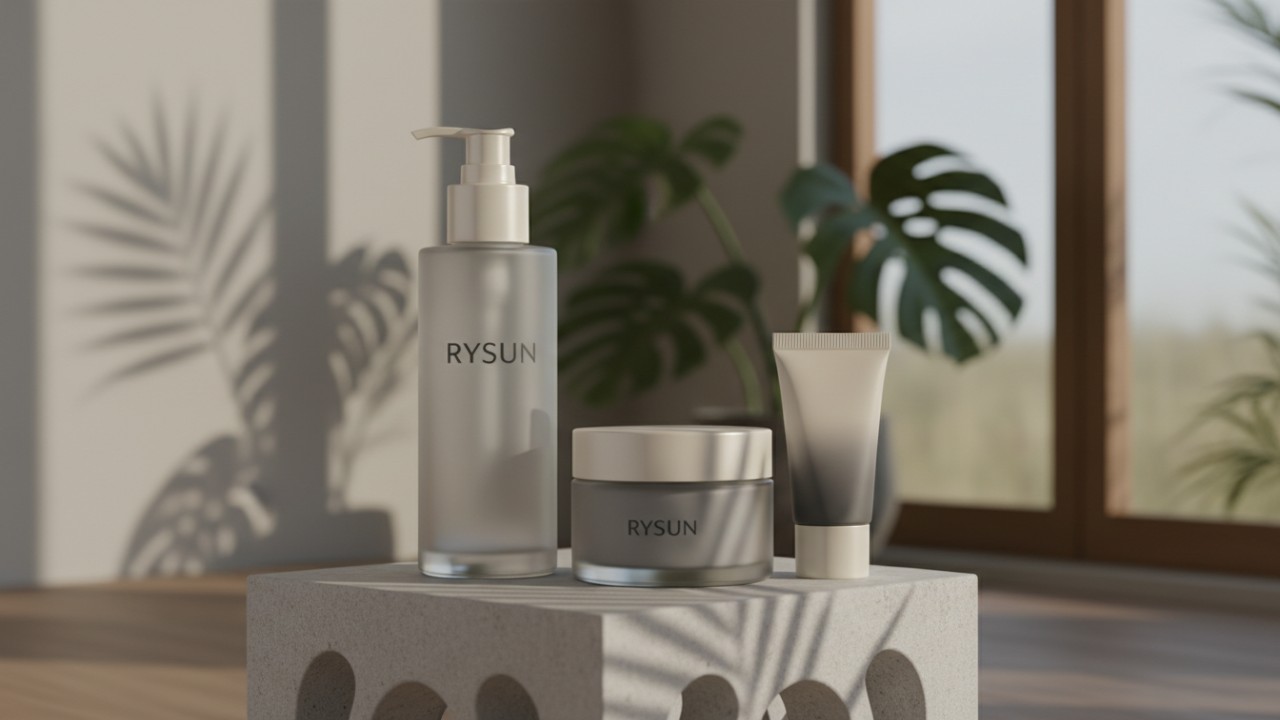
Sourcing sustainable cosmetic packaging wholesale at competitive prices in 2026 requires a deep understanding of material science, realistic budget planning, and highly strategic supplier partnerships. By transitioning to innovative materials like mono-plastics and PCR, and vigilantly avoiding common formulation compatibility pitfalls, modern beauty brands can achieve both their eco-friendly goals and a premium, high-end aesthetic. Bridging the gap between high-performance cosmetics and sustainable housing has never been more achievable.
Contact us today to optimize your sustainable cosmetic packaging wholesale strategy.
FAQs About sustainable cosmetic packaging wholesale
What does PCR mean in cosmetic packaging?
PCR stands for Post-Consumer Recycled. It refers to materials, usually plastics like PET or HDPE, that have been recycled from everyday consumer waste and reprocessed into new cosmetic containers. Using PCR reduces the demand for virgin fossil fuels and minimizes landfill waste.
Are bamboo cosmetic containers truly sustainable?
Bamboo is highly sustainable as a raw material because it grows rapidly without the need for pesticides. However, cosmetic packaging labeled as bamboo often contains a plastic inner liner to prevent product leakage. To ensure true sustainability, verify that the bamboo is FSC-certified and the inner components are made from recyclable or easily separable materials.
What is the average MOQ for wholesale eco-friendly packaging?
The Minimum Order Quantity (MOQ) for wholesale eco-friendly packaging generally ranges from 5,000 to 10,000 units for custom designs. For stock or surplus eco-friendly items, suppliers may offer lower MOQs ranging from 500 to 1,000 units. Higher MOQs typically unlock significantly lower per-unit pricing.
How do refillable airless pump bottles work?
Refillable airless pumps use a vacuum mechanism to dispense the product without allowing air inside, preserving the integrity of active ingredients. The sustainable element comes from an inner cartridge that holds the formula, which can be removed and replaced once empty. The durable outer shell is kept by the consumer, drastically reducing plastic waste over time.
Are mono-material plastics recyclable?
Yes, mono-material packaging is highly recyclable. Traditional cosmetic pumps use mixed materials (e.g., plastic housing with a metal spring), making them difficult for recycling facilities to process. Mono-materials use a single type of polymer for the entire component, allowing consumers to recycle the whole piece without disassembly.
How can I verify if a cosmetic packaging supplier is eco-friendly?
Ask for third-party certifications such as ISO 14001, FSC (Forest Stewardship Council), or B-Corp status. Request Life Cycle Assessment (LCA) data to understand the true environmental impact of their manufacturing process. Ensure transparency regarding their raw material sourcing and end-of-life recyclability claims.
Does sustainable packaging affect the shelf life of skincare products?
It can, if compatibility testing is skipped. Certain bio-resins or thinly walled PCR plastics might allow oxygen or UV light to penetrate, degrading sensitive ingredients like Vitamin C or Retinol. Partnering with an experienced OEM like Guangzhou Rysun Biotechnology ensures rigorous compatibility testing to guarantee shelf life.
How do I transition my beauty brand to green packaging?
Start with an audit of your current packaging and identify items that can be easily switched to PCR or mono-materials. Educate your customers about the transition and how to properly recycle the new packaging. Work with a reliable wholesale supplier or a full-service manufacturing partner to test prototypes before executing a full market launch.
Related articles
Get more information
If you have any comments or good suggestions, please leave us a message; later our professional staff will contact you as soon as possible.
Rysun Biotechnology--Unremittingly strive for human health and beauty
Contact RYSUN
Email: k.lee@rysunoem.com
WhatsApp: +86 156 0306 9138
Address: No. 62 Nanxiang First Road, Science Town of Guangzhou Developed Zone, Huangpu, Guangzhou, China.
© 2025 RYSUN. All Rights Reserved. Privacy Policy | Terms and Conditions | Sitemap
Facebook
Instagram