


FDA & CPNP Compliance: Navigating Strict Cosmetic Label Design Requirements in 2026
What Are Cosmetic Label Design Requirements?
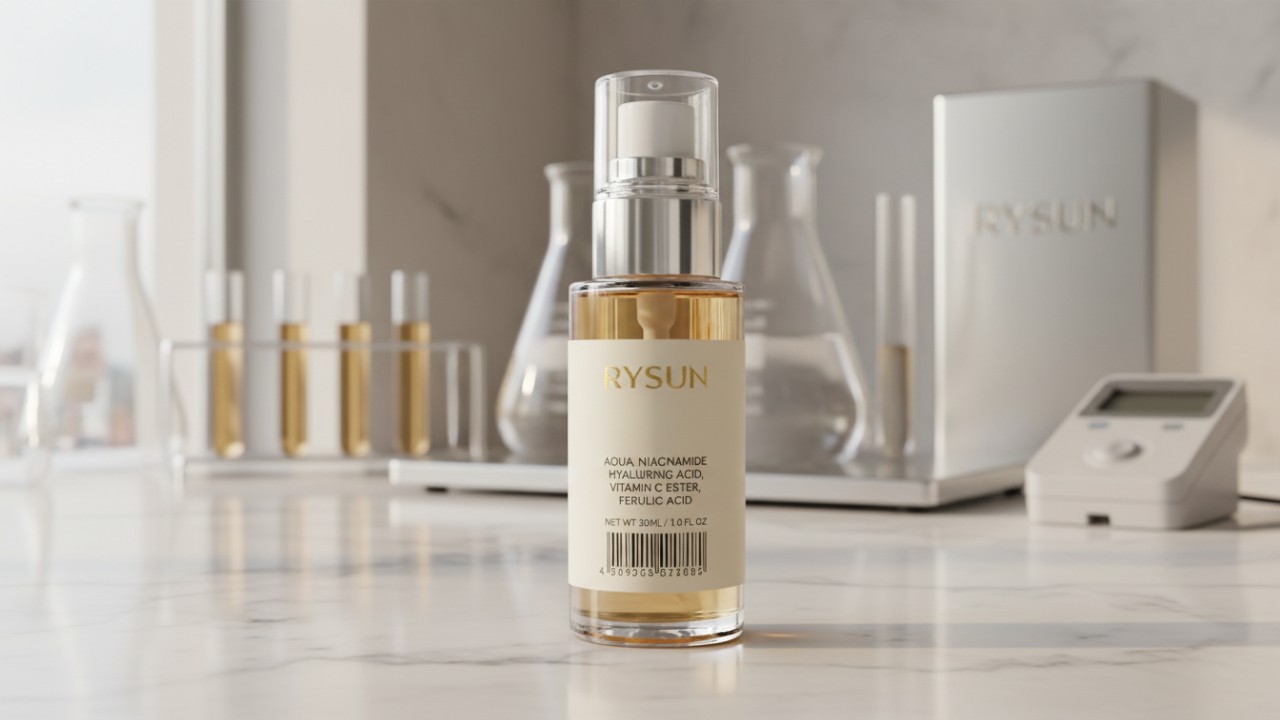
Cosmetic label design requirements are strictly regulated federal and international guidelines dictating how essential product information, such as ingredients, net weight, and health warnings, is displayed on packaging to ensure consumer safety and prevent misbranding across global markets.
Understanding the "How" and "Why" behind these regulations is critical for brand owners navigating the complex compliance landscape of 2026. Whether you are launching a new face serum or updating an existing body wash line, adherence to these rules dictates your market access. Proper formatting ensures your brand meets the rigorous laws enforced by various international authorities, minimizing legal risks and protecting your consumers from adverse reactions.
- Safety Assurance: Accurate placement of the Statement of Identity and Net Quantity following Principal display panel requirements protects consumers by providing clear, immediate product information.
- Regulatory Alignment: Proper labeling formats guarantee that your products comply with both US and European standards, preventing expensive shipment seizures and market bans.
- Risk Mitigation: Strict compliance directly helps businesses avoid costly product recalls and significant damage to brand reputation over easily preventable packaging errors.
Key Takeaways: Quick Global Compliance Summary
A global compliance summary highlights the foundational differences between international markets, specifically emphasizing the strict data placement rules on both the principal display and information panels of your cosmetic packaging.
Failing to separate information correctly between the front and back of your packaging can lead to immediate regulatory rejection. Here is what you need to know before finalizing your artwork:
- Principal Display Panel (PDP): This primary viewing area must clearly show the product's identity and net weight in a highly visible, federally compliant font size.
- Information Panel: Located adjacent to the PDP, this section must securely house your INCI ingredient list formatting, manufacturer details, and all necessary health warnings.
- US FDA Focus: Recent legislative updates prioritize adverse event contact information and impending fragrance allergen disclosures on all packaging.
- EU CPNP Demands: European standards necessitate a registered Responsible Person address, a Period After Opening (PAO) symbol, and rigorous batch tracking for post-market surveillance.
Decoding FDA & MoCRA: US Cosmetic Packaging Rules for 2026
The MoCRA compliance timeline 2026 introduces mandatory fragrance allergen disclosures and standardized adverse event reporting, fundamentally transforming how skincare brands design their labels for the United States market.
The Modernization of Cosmetics Regulation Act (MoCRA) significantly expands the FDA's enforcement authority. As reported by the U.S. Food and Drug Administration and supported by industry advocates like the Personal Care Products Council, this sweeping legislation introduces critical updates to facility registration, product listing, and safety substantiation. For brands operating in 2026, updating your packaging real estate is an absolute legal necessity.
- Adverse Event Contacts: A mandatory domestic US address, domestic phone number, or digital contact method must be included on the label for direct consumer reporting.
- Allergen Disclosures: Brands must prepare their formulations and artwork for the strict 2026 deadline regarding mandatory fragrance allergen disclosures on the product's ingredient deck.
- Net Quantity Compliance: Brands must format the Net Quantity of Contents accurately, utilizing both metric and US customary units placed within the bottom 30 percent of the principal display panel.
Mastering EU CPNP Compliance (Regulation 1223/2009)
EU CPNP cosmetic packaging regulations require brands to pre-notify their products in a centralized digital portal and maintain strict physical labeling standards, including the listing of a designated EU Responsible Person.
Navigating the European market means adhering to one of the strictest cosmetic frameworks globally, as detailed in EC Regulation 1223/2009 on cosmetics. If you intend to export makeup remover, face cream, or body lotion to any of the 27 EU member states, compliance is multi-layered and requires a comprehensive Product Information File (PIF).
- Portal Notification: The European Union strictly requires digital notification via the Cosmetic Products Notification Portal (CPNP) before any item officially hits the consumer market.
- Responsible Person (RP): The exact name and registered physical address of the EU Responsible Person must be indelibly printed on the container and outer packaging.
- Country of Origin: The phrase "Made in [Country]" must be explicitly stated if the cosmetic product is imported from outside the European Union.
- Symbol Integration: Proper use of required symbols is strictly enforced, including the PAO (open jar) symbol, precise batch tracking numbers, and nominal net content "e" marks.
Digital Labels & Future Trends: Bridging the Information Gap
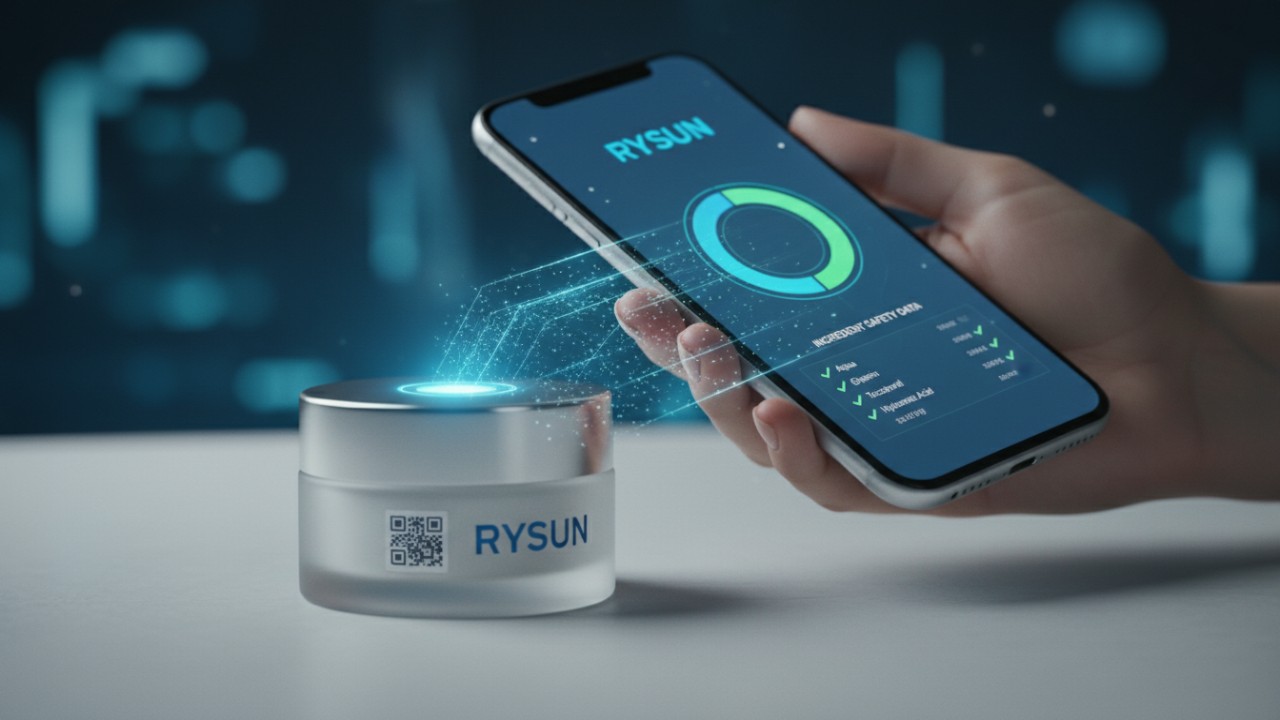
Cosmetic labeling software and QR codes are emerging technological solutions that allow brands to store extensive multi-language translations and regulatory data without overcrowding the physical packaging design.
Many modern brands face a significant operational challenge: balancing a minimalist, highly aesthetic design with the heavy text burden of global legal compliance. A thorough competitor gap analysis shows that many companies still overlook the crucial transition toward digital e-compliance and smart packaging infrastructures.
- Solving Real Estate Issues: QR codes efficiently solve the packaging space problem, especially for extended allergen lists, safety warnings, and bilingual market requirements.
- Aesthetic Balance: Using automated layout software helps brands maintain a minimalist design trend while satisfying mandatory regulatory layout blocks with pixel-perfect accuracy.
- Smart Integration: Incorporating smart packaging enhances consumer trust by providing supply chain transparency, sustainability metrics, and dynamic batch expiration tracking directly to a smartphone.
Expert Tips: Common Cosmetic Labeling Mistakes to Avoid
Avoiding common cosmetic labeling mistakes—such as ignoring minimum font sizes, improperly ordering ingredients, or making unauthorized medical claims—is crucial for maintaining regulatory compliance and consumer trust.
It is incredibly easy to make minor layout errors that lead to major regulatory headaches and shipment seizures. Proper INCI ingredient list formatting is frequently misunderstood by emerging brands, leading to immediate FDA warning letters. Below are the most critical pitfalls to avoid when designing your artwork:
- Improper Nomenclature: Never use regional trade names or marketing terms in the ingredient deck; always utilize standardized INCI terminology across all global markets.
- Font Size Violations: Failing to meet the strict minimum font size requirements based on the total surface area of the packaging is a leading cause of custom delays.
- Medical Claims: Making medical or drug claims (e.g., "treats acne" or "heals eczema") on a cosmetic label instantly triggers strict FDA drug regulations, requiring completely different, highly expensive testing protocols.
- Incorrect Ordering: Ingredients must be listed in descending order of predominance by weight until the 1% concentration threshold is officially reached.
FDA vs. EU CPNP Labeling Comparison
To better visualize the fundamental differences in global standards, refer to this comprehensive compliance comparison table:
| Feature/Requirement | US FDA (MoCRA Requirements) | EU CPNP (Regulation 1223/2009) |
|---|---|---|
| Pre-Market Approval | No (but mandatory facility registration is required) | Yes (via the mandatory CPNP Notification Portal) |
| Allergen Disclosure | Enforced actively under the 2026 MoCRA updates | Mandatory for leave-on (>0.001%) and rinse-off (>0.01%) |
| Responsible Person | Domestic US contact required for adverse event reporting | EU-based Responsible Person (RP) required on the label |
| PAO Symbol | Not federally mandated (but highly recommended for safety) | Mandatory open-jar symbol indicating lifespan after opening |
| Ingredient Format | INCI standard, US Customary + Metric weights required | INCI standard, Metric weights strictly required |
Ensuring Global Compliance with RYSUN's R&D Experts
Partnering with an experienced OEM/ODM manufacturer like Guangzhou Rysun Biotechnology Co., Ltd. eliminates the complex guesswork of navigating international labeling frameworks and ensures your formulas are globally market-ready.
As a brand owner, ensuring that your face serums, eye care products, and body lotions pass international regulatory scrutiny requires deep, multifaceted expertise. Founded in 2014 by Ivy Wong after recognizing the inconsistent quality of skincare products in the market alongside a Swiss anti-aging expert, RYSUN has successfully exported fully compliant cosmetics to over 50 countries. We proudly partner with more than 700 global brands. By working directly with our multidisciplinary Research Institute—composed of 20 leading scientists across biology, dermatology, and packaging technology—you can confidently navigate shifting regulatory landscapes.
- Proprietary Innovation: We leverage our extensive 105 product patterns and 253 intellectual properties to create highly effective, scientifically backed formulas.
- Strict Quality Control: Every single item we produce undergoes up to 50 rigorous inspection procedures to guarantee both formula safety and strict label compliance.
- Comprehensive Support: We expertly guide you through everything from the initial chemical formulation to the final printed box, ensuring your typography, ingredient decks, and warnings are perfect. For more detailed insights on building your product's exterior, read our comprehensive private label cosmetics packaging guide.
Conclusion
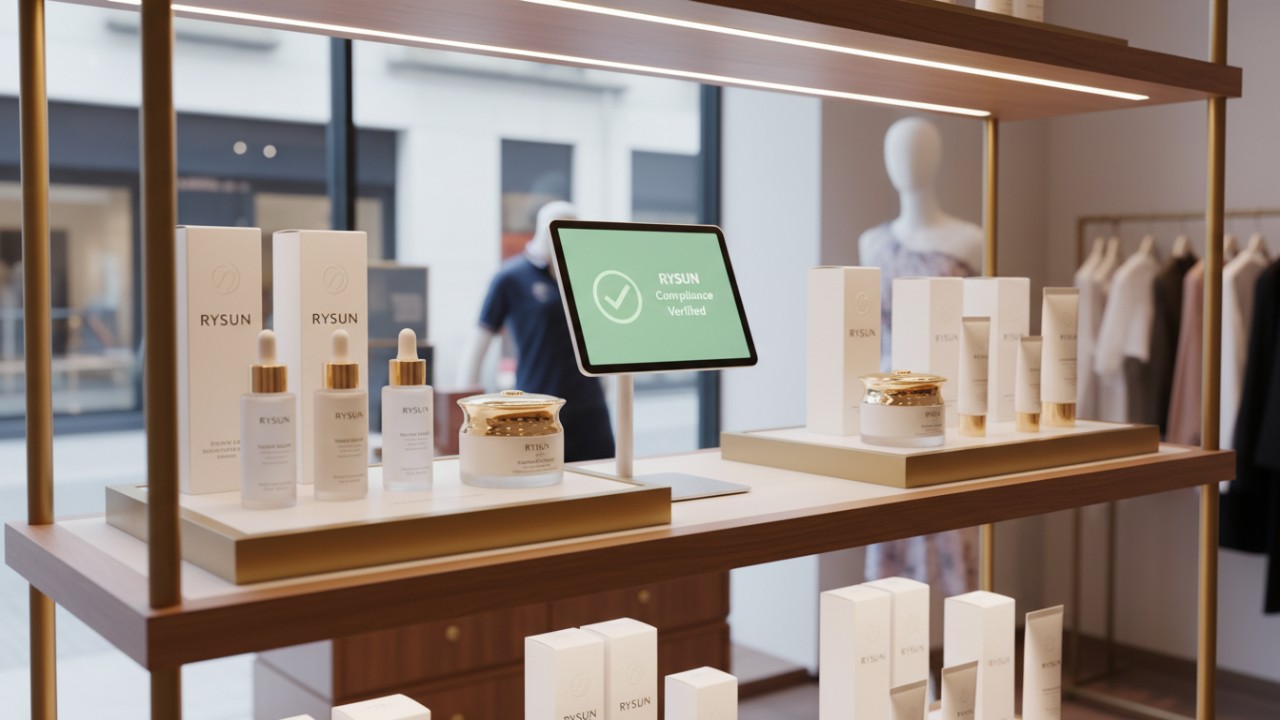
Designing cosmetic labels requires a delicate, highly informed balance between attractive brand aesthetics and rigid global regulatory frameworks. Whether you are adapting to the fast-approaching 2026 MoCRA updates in the United States or navigating the EU's notoriously strict CPNP portal requirements, data accuracy is your best defense against catastrophic misbranding charges and costly product recalls. Relying on an experienced, research-driven manufacturing partner effectively streamlines your formulation process and guarantees that your packaging compliance is handled flawlessly from day one.
If you are ready to launch a globally compliant skincare line, contact us at k.lee@rysunoem.com to partner with Guangzhou Rysun Biotechnology today.
FAQs About cosmetic label design requirements
What is the minimum font size for cosmetic labels?
The minimum font size depends heavily on the specific panel being viewed and the total available surface area of the packaging. For the FDA, the net quantity of contents usually requires a minimum of 1/16 inch in height. Ingredient declarations generally require letters to be at least 1/16 inch, or 1/32 inch if the total package surface is exceptionally small.
Does the FDA approve cosmetic labels before sale?
No, the FDA does not officially pre-approve cosmetic labels or chemical formulations before they go to the consumer market. It is entirely the manufacturer's and brand owner's legal responsibility to ensure that products are safe and labels are strictly compliant. The FDA will, however, take aggressive enforcement action against misbranded or improperly labeled cosmetics found during inspections.
What must be included on the Principal Display Panel (PDP)?
The Principal Display Panel is the specific part of the label most likely to be displayed, presented, or examined under customary conditions of display on a retail shelf. It must clearly include the Statement of Identity (indicating exactly what the product is) and prominently state the Net Quantity of Contents using weight, measure, or numerical count.
How do I list ingredients according to INCI standards?
Ingredients must be listed utilizing their precise International Nomenclature of Cosmetic Ingredients (INCI) names to maintain global consistency and scientific accuracy. They must be listed in descending order of predominance by weight in the overall formula. Ingredients present at a concentration of 1% or less may be randomly listed in any order after those present at greater than 1%.
What is the difference between FDA and EU CPNP labeling?
The FDA focuses specifically on US standards, requiring the English language, dual US customary and metric weights, and specific localized warning statements. The EU CPNP requires a registered Responsible Person address located within the EU, the Period After Opening (PAO) symbol, and often demands multi-language support. Furthermore, the EU maintains significantly stricter bans on over 1,600 chemicals compared to the current US framework.
Do I need to list fragrance allergens on my cosmetic packaging?
In the EU, you must already clearly list specific fragrance allergens on your label if they exceed 0.001% in leave-on products or 0.01% in rinse-off products. In the US, under the modernized MoCRA laws, mandatory fragrance allergen disclosure rules are actively being finalized and will be heavily enforced by the 2026 compliance deadline.
What is the Period After Opening (PAO) symbol?
The PAO symbol looks like a graphical open jar with a number and an 'M' inside (e.g., 12M or 24M). It strictly indicates how many months the product remains safe and effective to use after it has been initially opened by the consumer. This symbol is legally mandatory in the EU and highly recommended globally to ensure consumer safety and product efficacy.
Can I use a QR code instead of printing ingredients on my label?
Currently, core mandatory information like the main ingredient list must be physically printed directly on the label or on a firmly attached tag or leaflet. QR codes cannot entirely replace mandatory printed text under FDA or EU rules. However, QR codes are highly encouraged for providing extended product details, digital translations, allergen updates, and sustainability tracking information.
Related articles

Get more information
If you have any comments or good suggestions, please leave us a message; later our professional staff will contact you as soon as possible.
Rysun Biotechnology--Unremittingly strive for human health and beauty
Contact RYSUN
Email: k.lee@rysunoem.com
WhatsApp: +86 156 0306 9138
Address: No. 62 Nanxiang First Road, Science Town of Guangzhou Developed Zone, Huangpu, Guangzhou, China.
© 2025 RYSUN. All Rights Reserved. Privacy Policy | Terms and Conditions | Sitemap
Facebook
Instagram