



Which Serum Is Best for Pigmentation and Dark Spots? A B2B Guide to High-Performance Skincare Formulations
Discover the best serums for pigmentation and dark spots from a B2B perspective. Learn key ingredients, formulation strategies, and product development insights for skincare brands.
Which Serum Is Best for Pigmentation and Dark Spots? A Strategic Guide for Skincare Brands
Pigmentation and dark spots remain among the top global skincare concerns, driving strong demand for targeted treatment products. For skincare brands, retailers, and private label buyers, the question is not just which serum works best, but how to develop a high-performance serum that stands out in a competitive market.
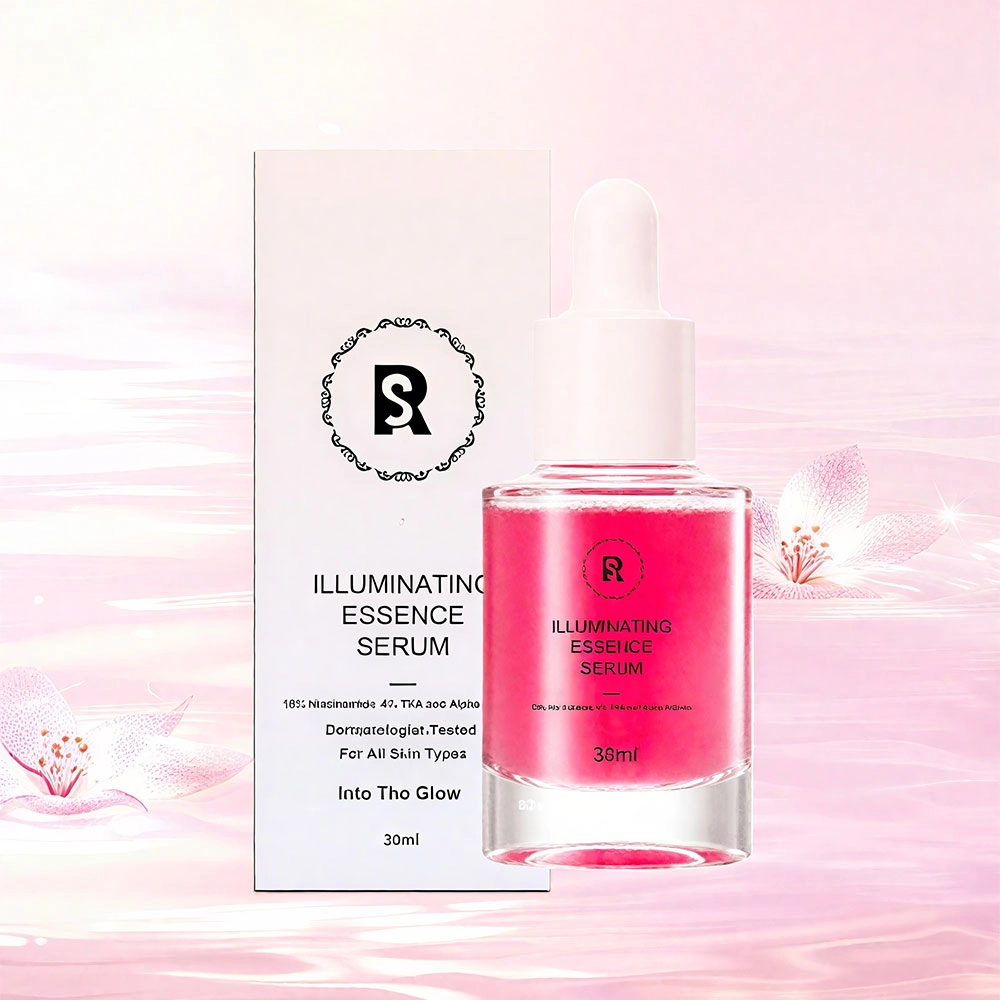
With over 10 years of experience and collaborations with 700+ brands worldwide, Rysun Biotechnology provides advanced formulation solutions to help businesses create effective and commercially successful brightening serums. Here is our private label dark spots removing serum, pls click here for more details.
1. Understanding Pigmentation: A Product Development Perspective
From a formulation standpoint, pigmentation is caused by:
- Excess melanin production
- UV exposure and oxidative stress
- Post-inflammatory hyperpigmentation (PIH)
- Skin barrier damage
Therefore, the most effective serums must combine multiple mechanisms, including:
- Melanin inhibition
- Antioxidant protection
- Skin renewal
- Barrier repair
2. Key Active Ingredients for Pigmentation Serums
Selecting the right actives is critical for efficacy, safety, and market positioning. Based on Rysun’s R&D expertise, the following ingredients are widely used in high-performance formulations:
1. Niacinamide (Vitamin B3)
- Reduces melanin transfer
- Improves skin tone and texture
- Suitable for sensitive skin
2. Vitamin C Derivatives
- Brightens skin and reduces oxidative damage
- More stable than pure ascorbic acid in OEM production
- Supports collagen synthesis
3. Alpha Arbutin
- Targets tyrosinase activity (melanin production)
- Effective for dark spots and uneven tone
4. Tranexamic Acid
- Highly effective for stubborn pigmentation
- Popular in clinical and dermatology-inspired products
5. Azelaic Acid
- Reduces inflammation and pigmentation
- Suitable for acne-prone skin
6. Exfoliating Acids (AHA/PHA)
- Promote cell turnover
- Enhance penetration of active ingredients
At Rysun, formulations are optimized for ingredient compatibility and long-term stability, supported by up to 50 quality inspection procedures.
3. What Defines the “Best” Serum in the Market
For B2B buyers, the “best” serum is not just about ingredients—it must deliver commercial value and scalability.
Key Evaluation Criteria
1. Multi-Functional Performance
Combines brightening, hydration, and repair benefits.
2. Stability & Shelf Life
Stable actives ensure consistent product performance.
3. Skin Compatibility
Low irritation formulas increase consumer retention.
4. Texture & Absorption
Lightweight, fast-absorbing textures are preferred globally.
5. Regulatory Compliance
Formulations must meet requirements across different markets.
4. Popular Serum Types for Pigmentation
To capture market demand, brands should consider multiple product variations:
Core Product Types
- Daily brightening serums (niacinamide-based)
- Intensive treatment ampoules (high concentration actives)
- Antioxidant serums (Vitamin C derivatives)
Emerging Trends
- Sensitive-skin brightening solutions
- Microbiome-friendly formulations
- Combination serums (e.g., niacinamide + tranexamic acid)
Rysun supports OEM/ODM customization, enabling brands to develop unique formulations aligned with their positioning.
5. Formulation Strategies for Competitive Advantage
1. Ingredient Synergy
Combining actives enhances efficacy (e.g., niacinamide + arbutin).
2. Controlled Release Technology
Improves stability and reduces irritation.
3. Barrier-Friendly Formulation
Supports long-term skin health while treating pigmentation.
4. pH Optimization
Ensures effectiveness of active ingredients without compromising skin comfort.
6. Market Trends and Business Opportunities
High Demand Segments
- Brightening and whitening products in Asia-Pacific
- Anti-aging + brightening hybrids in Europe and the US
Consumer Preferences
- Gentle yet effective formulations
- Visible results with minimal irritation
- Multi-benefit products
Business Opportunity
Pigmentation serums offer:
- High repeat purchase rates
- Strong brand differentiation potential
- Opportunities for product line expansion
7. Why Partner with Rysun for Pigmentation Serum Development
Rysun Biotechnology provides comprehensive support for brands:
- 10+ years of manufacturing experience
- 253 intellectual properties and 105 product patterns
- Advanced R&D team across multiple scientific disciplines
- Export experience in 50+ countries
- Strict quality control system with up to 50 inspections
We deliver end-to-end OEM/ODM solutions, from concept to mass production, ensuring efficiency, quality, and scalability.
Conclusion
The best serum for pigmentation and dark spots is not defined by a single ingredient, but by a well-balanced formulation combining brightening actives, antioxidants, and barrier-repair components.
For skincare brands, success in this category depends on scientific formulation, product differentiation, and reliable manufacturing capabilities. By partnering with an experienced manufacturer like Rysun, businesses can develop high-performance serums that meet global demand while maintaining strong market competitiveness.
FAQs
1. Which ingredient is most effective for dark spots?
Niacinamide, tranexamic acid, and alpha arbutin are among the most effective and widely used ingredients.
2. Can multiple brightening ingredients be combined in one serum?
Yes. Combining ingredients can improve results, but requires professional formulation to ensure stability and safety.
3. How long does it take for a pigmentation serum to show results?
Typically 4–8 weeks, depending on formulation strength and skin condition.
4. Is private label a good strategy for pigmentation products?
Yes. It allows brands to enter the market quickly with proven formulations while customizing for differentiation.
5. How does Rysun ensure serum quality and stability?
Through advanced R&D, strict raw material selection, and up to 50 quality control procedures per product.
Related articles
Get more information
If you have any comments or good suggestions, please leave us a message; later our professional staff will contact you as soon as possible.
Rysun Biotechnology--Unremittingly strive for human health and beauty
Contact RYSUN
Email: k.lee@rysunoem.com
WhatsApp: +86 156 0306 9138
Address: No. 62 Nanxiang First Road, Science Town of Guangzhou Developed Zone, Huangpu, Guangzhou, China.
© 2025 RYSUN. All Rights Reserved. Privacy Policy | Terms and Conditions | Sitemap
Facebook
Instagram