Leaping Bunny & Beyond: Securing Cruelty-Free Cosmetics Certification for Your Line 2026
In 2026, obtaining a cruelty free cosmetics certification is no longer just a niche marketing tactic—it is a fundamental business requirement. Modern beauty consumers demand absolute transparency regarding how their skincare and makeup products are formulated, heavily prioritizing ethical manufacturing. For emerging and established cosmetic lines alike, securing this certification proves a commitment to animal welfare and regulatory compliance. However, navigating the complex web of B2B supply chain audits, international testing bans, and rigorous documentation can be overwhelming for brand founders. This comprehensive guide breaks down the essential steps, compares the top certifying bodies, and provides actionable strategies to ensure your beauty line meets the highest global standards for cruelty-free production.
What Is Cruelty Free Cosmetics Certification?
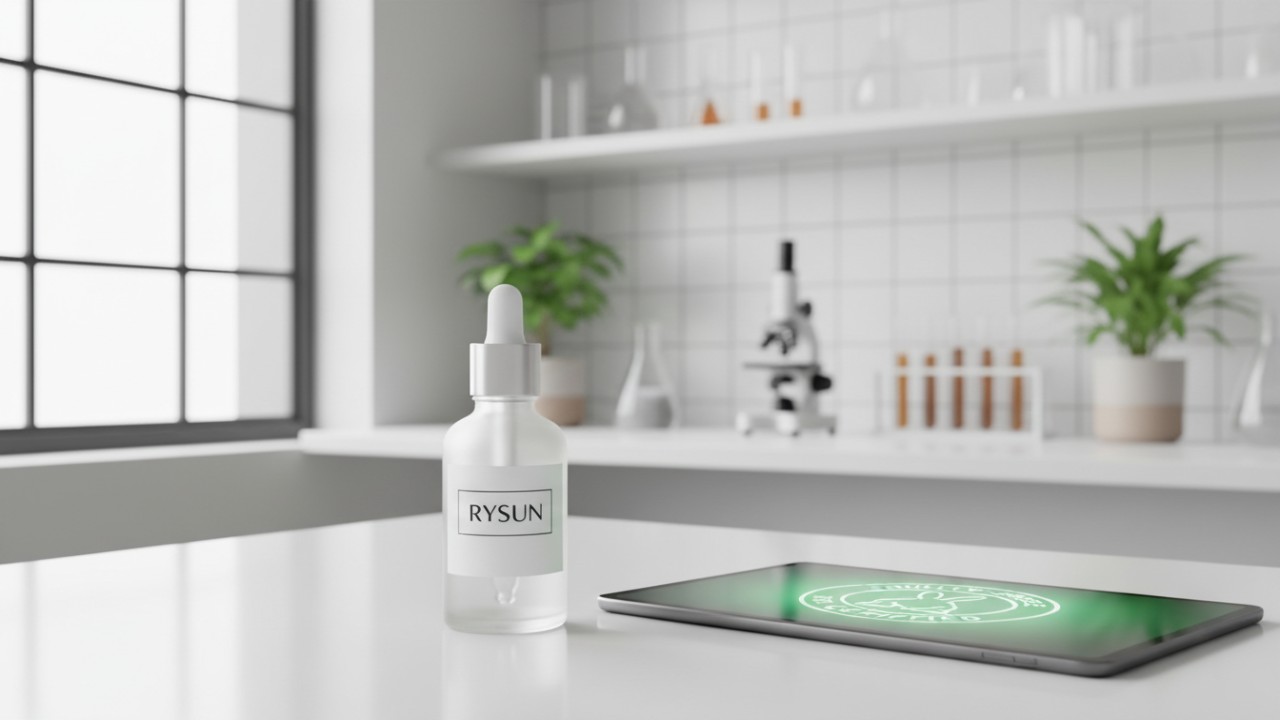
Cruelty-free cosmetics certification is an official, third-party verification confirming that a brand's finished products, ingredients, and formulations have not been tested on animals at any stage of development. This establishes a critical baseline of ethical manufacturing for modern beauty lines.
This certification provides a vital legal and ethical guarantee for conscious consumers. By shifting away from outdated animal models, certified brands utilize advanced, scientifically validated in vitro cosmetic testing methods to ensure the utmost safety and efficacy of their products. This approach not only substantiates complex labeling claims but also aligns with the accelerating global movement toward compassionate commerce. Achieving this status requires a brand to strictly govern its internal operations and its extended network of raw material suppliers, ensuring a totally transparent ecosystem.
- Third-Party Verification: Independent bodies validate claims to prevent greenwashing.
- Comprehensive Scope: Covers both finished products and individual raw ingredients.
- Scientific Advancement: Promotes modern, non-animal safety substantiation methods.
Quick Summary: Key Takeaways for Cosmetic Brands
Securing a cruelty-free status requires comprehensive supply chain transparency, establishing strict fixed cut-off dates, and enforcing rigorous raw material supplier compliance. This certification serves as a non-negotiable consumer expectation and a vital ethical standard for beauty brands in 2026.
To successfully navigate this transition, brands must understand the foundational elements of the modern cruelty-free landscape:
- Baseline Expectation: Certification is no longer an optional luxury; it is a mandatory baseline consumer expectation for any scaling modern beauty brand.
- The Gold Standards: Organizations like Leaping Bunny, PETA, and The Vegan Society remain the globally recognized authorities for ethical verification.
- Audit Necessity: The certification process demands a highly rigorous cruelty-free supply chain audit, requiring Declarations of Product Compliance from every raw material supplier.
- Strategic Partnerships: Partnering with an experienced, already-compliant OEM manufacturer significantly streamlines the audit and approval process.
The Big Three: Comparing Leaping Bunny, PETA, and The Vegan Society
The primary globally recognized cruelty-free certifications are Leaping Bunny, PETA's Beauty Without Bunnies, and The Vegan Society. Each organization offers distinct verification frameworks, ranging from legally binding statements of assurance to rigorous, independent third-party supply chain audits.
Understanding the nuances of these organizations is crucial for determining which logo best aligns with your brand's target demographic and operational capabilities.
- Leaping Bunny: Managed globally by Cruelty Free International, the Leaping Bunny certification process is widely considered the gold standard. It mandates independent audits, an unalterable fixed cut-off date, and ongoing supplier monitoring systems to ensure continuous compliance. According to the official guidelines from Leaping Bunny, brands must implement a strict Supplier Monitoring System that goes beyond mere legal requirements.
- PETA Beauty Without Bunnies: The PETA Beauty Without Bunnies B2B program offers "Animal Test-Free" and "Animal Test-Free and Vegan" certifications. This pathway relies heavily on legally binding signed Statements of Assurance from companies and their suppliers, making it slightly more accessible for newer brands without the resources for independent third-party audits.
- The Vegan Society: While this organization primarily focuses on eliminating all animal-derived ingredients from product formulations, their trademark inherently enforces a strict zero animal testing policy as part of its overarching ethical mandate.
Certification Comparison Table
| Feature | Leaping Bunny | PETA Beauty Without Bunnies | The Vegan Society |
|---|---|---|---|
| Audit Protocol | Independent Third-Party Audit | Signed Statements of Assurance | Desk-Based Ingredient Review |
| Fixed Cut-Off Date | Mandatory & Strict | Not Mandatory | Mandatory |
| Supply Chain Focus | Requires ongoing supplier monitoring | Requires initial supplier declarations | Requires proof of no animal derivatives |
| Global Recognition | Exceptionally High | High | High (Specifically for Vegan markets) |
Navigating the 2026 Regulatory Landscape
The 2026 global regulatory landscape mandates stricter safety substantiation frameworks for cosmetic brands. While regulations like the EU Cosmetics Regulation 1223/2009 enforce testing bans, newer US guidelines emphasize modern, alternative safety testing methods without strictly mandating animal trials.
Global animal testing bans are accelerating at an unprecedented rate. The European Union's Regulation 1223/2009 continues to set the standard for international markets, creating a rigid environment where animal-tested ingredients are strictly prohibited from being marketed. In the United States, the FDA's Modernization of Cosmetics Regulation Act (MoCRA) has fundamentally shifted how brands approach compliance. MoCRA requires robust, documented safety substantiation for all products. However, as confirmed by the U.S. Food and Drug Administration, the MoCRA framework does not mandate animal testing for cosmetic marketing, actively encouraging the industry to adopt humane alternative methods.
Furthermore, brands must skillfully navigate the evolving "China Issue." Historically, entering the Chinese market required mandatory pre-market animal testing. However, recent regulatory shifts have established specific exemptions for general-use cosmetics, allowing ethical brands to bypass these requirements provided they secure Good Manufacturing Practice (GMP) certificates and comprehensive safety assessments.
Step-by-Step Guide to Securing Certification for Your Line
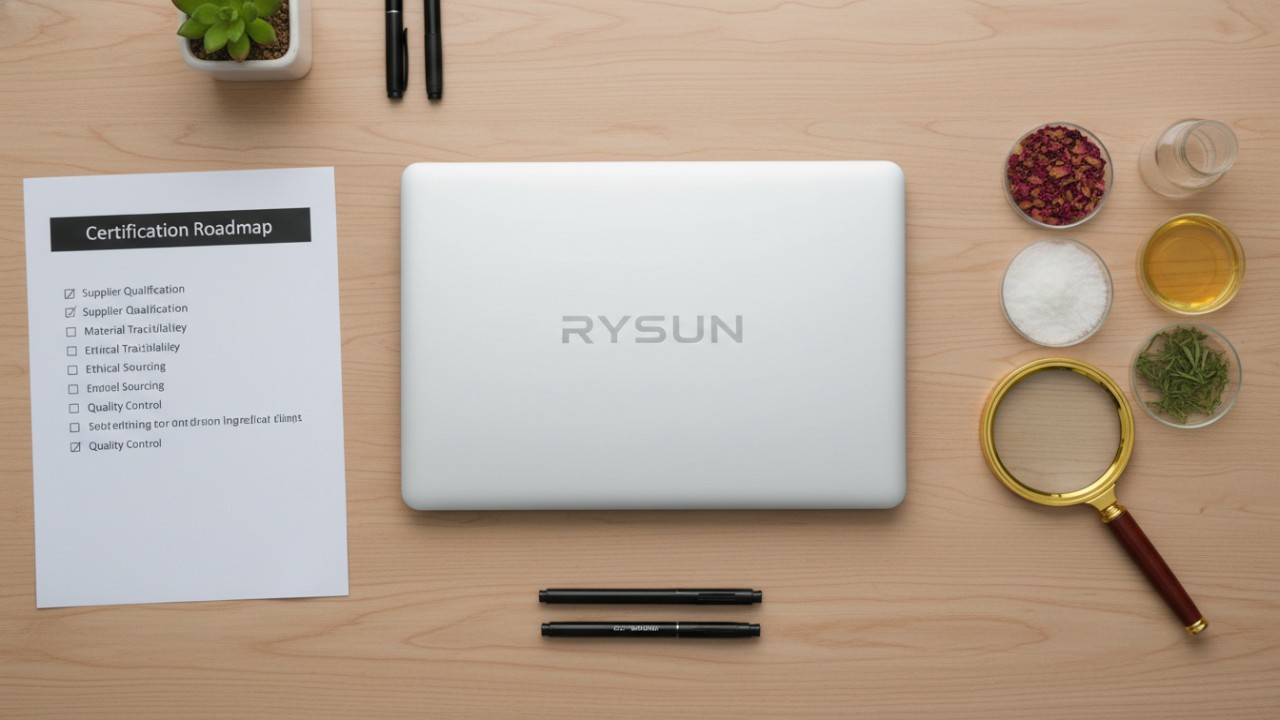
Achieving certification involves systematically auditing internal formulations, setting a firm fixed cut-off date, and collecting comprehensive compliance declarations from all suppliers. Submitting this documented evidence to a recognized certifying body is the final hurdle in securing official cruelty-free status.
For beauty founders, standardizing this procedure ensures no detail is overlooked. For a deeper dive into international compliance, refer to our comprehensive cosmetic manufacturing regulations guide, which maps out global manufacturing standards. Follow these core steps to achieve certification:
- Conduct an Internal Formulation Audit: Review all current product formulations line by line. Identify any non-compliant raw materials or ingredients that may have a history of recent animal testing.
- Establish a Fixed Cut-Off Date (FCOD): Determine a firm, unalterable deadline. After this date, absolutely none of your suppliers or manufacturers can conduct, commission, or be party to animal testing.
- Collect Supplier Declarations: Initiate a rigorous cruelty-free supply chain audit. You must gather signed Declarations of Product Compliance and raw material safety data sheets (MSDS) detailing modern in vitro cosmetic testing methods from every single supplier.
- Submit Application & Evidence: Compile your comprehensive documentation and submit it to your chosen certification body (e.g., Leaping Bunny or PETA) for an intensive review and potential independent audit.
Expert Tips & Common Mistakes in the Audit Process
The most common pitfalls during the certification process include relying on generic, overarching supplier statements rather than product-specific declarations, and fundamentally confusing vegan ingredient claims with cruelty-free safety testing status.
To ensure a smooth, uninterrupted certification journey, brand founders should heed the following expert advice:
- Mistake: Generic Supplier Statements: Never rely on a supplier's broad marketing claim that they are "cruelty-free." Always demand specific, product-level declarations of compliance to successfully pass rigorous Leaping Bunny audits.
- Mistake: Confusing 'Vegan' with 'Cruelty-Free': A product can absolutely be cruelty-free (not tested on animals) but still contain non-vegan ingredients like beeswax, lanolin, or carmine. Ensure your labeling is scientifically and legally accurate.
- Expert Tip: Automated Documentation: Implement a digital, automated document management system for your supply chain. Certifications require annual renewals, and managing hundreds of supplier updates manually is highly inefficient.
- Expert Tip: R&D Alignment: Align your marketing team directly with your R&D department. Especially in vegan cosmetics manufacturing, ensuring that safety substantiation claims are accurate prevents triggering severe FDA warning letters under new MoCRA guidelines.
Partnering with a Certified Manufacturer: The Guangzhou Rysun Advantage
Partnering with an established, fully compliant OEM manufacturer like Guangzhou Rysun Biotechnology Co., Ltd. significantly accelerates the certification process. A reputable manufacturer already enforces a strict, transparent supply chain, providing the necessary documentation to pass rigorous independent audits seamlessly.
Securing certification is significantly easier when your manufacturing partner inherently values ethical production. Guangzhou Rysun Biotechnology Co., Ltd., established in 2014 by visionary founder Ivy Wong, operates a heavily research-driven institute boasting over 105 product patterns and 253 intellectual properties. By integrating advanced non-animal testing protocols, Rysun ensures that high-quality makeup removers, face serums, eye care products, and body lotions are formulated entirely free from animal cruelty.
With a multidisciplinary team of 20 leading scientific researchers spanning dermatology, pharmacology, chemistry, and microbiology, Rysun possesses the profound technical expertise required to substantiate safety claims ethically. Drawing on over 10 years of intensive industry experience partnering with more than 700 brands across 50 countries, Rysun provides the exact supply chain traceability needed to effortlessly pass Leaping Bunny and PETA audits. Furthermore, by implementing up to 50 strict inspection procedures per individual product, Guangzhou Rysun guarantees that your brand meets the absolute highest ethical, safety, and quality standards globally.
Conclusion
Securing cruelty-free certification is a critical milestone for any beauty brand aiming to build consumer trust, meet modern ethical standards, and successfully scale in the 2026 global market. Thorough preparation, internal auditing, and the right manufacturing partner make this achievement entirely possible.
By deeply understanding the distinctive frameworks of Leaping Bunny or PETA, and meticulously validating every tier of your supply chain, you can proudly display a verified cruelty-free logo on your product packaging. Aligning with a research-driven, fully compliant manufacturer takes the guesswork out of complex supply chain audits and ensures your formulations remain both deeply ethical and commercially highly effective.
Contact us today at k.lee@rysunoem.com to optimize your cruelty free cosmetics certification strategy.
FAQs About cruelty free cosmetics certification
How much does Leaping Bunny certification cost?
Applying for Leaping Bunny certification is free of charge. However, if you choose to license their trademarked logo for use on your packaging and marketing materials, there is an annual fee based on your company's gross sales.
What is the difference between PETA and Leaping Bunny?
Leaping Bunny requires an independent audit of your supply chain and mandates a strict fixed cut-off date for animal testing. PETA's certification relies on legally binding Statements of Assurance signed by the brand and its suppliers, but does not mandate an independent third-party audit.
Can a cosmetic brand be cruelty-free but not vegan?
Yes, a brand can be certified cruelty-free (meaning no animal testing was conducted at any stage) but still use animal-derived ingredients. Common non-vegan ingredients frequently found in cruelty-free cosmetics include beeswax, lanolin, carmine, and honey.
How long does the cruelty-free certification process take?
The timeline varies significantly based on the complexity of your supply chain and how quickly your suppliers can provide the necessary documentation. Typically, PETA certification takes a few weeks, while Leaping Bunny can take several months due to their rigorous auditing procedures.
Are cruelty-free products allowed to be sold in China in 2026?
Yes, recent regulatory changes have allowed general use cosmetics imported into China to bypass mandatory animal testing. Brands must obtain a recognized Good Manufacturing Practice (GMP) certificate and comprehensive safety assessments to qualify for this critical exemption.
Does the FDA regulate the term cruelty-free?
No, the FDA does not strictly regulate the legal definition of 'cruelty-free' or 'not tested on animals'. Because of this lack of federal regulation, third-party certifications like Leaping Bunny and PETA are critical for independently verifying a brand's ethical claims.
What is a fixed cut-off date in cosmetics testing?
A fixed cut-off date is a specific, unalterable date set by a company after which neither the brand nor its suppliers will conduct or commission animal testing for their ingredients or finished products. This is a strict requirement for Leaping Bunny and Cruelty Free International approvals.
How do I verify my supply chain for animal testing?
You must require all raw material suppliers and contract manufacturers to sign a formal Declaration of Product Compliance. Working with an experienced, transparent manufacturer like Guangzhou Rysun Biotechnology ensures you have immediate access to necessary safety data sheets and in vitro testing documentation.
Related articles
Get more information
If you have any comments or good suggestions, please leave us a message; later our professional staff will contact you as soon as possible.
Rysun Biotechnology--Unremittingly strive for human health and beauty
Contact RYSUN
Email: k.lee@rysunoem.com
WhatsApp: +86 156 0306 9138
Address: No. 62 Nanxiang First Road, Science Town of Guangzhou Developed Zone, Huangpu, Guangzhou, China.
© 2025 RYSUN. All Rights Reserved. Privacy Policy | Terms and Conditions | Sitemap
Facebook
Instagram