


Risk Mitigation: Why You Must Partner with GMP Certified Cosmetic Manufacturers in 2026
In the rapidly evolving and heavily regulated beauty industry of 2026, finding reliable gmp certified cosmetic manufacturers is no longer a luxury—it is a baseline necessity for survival. As global beauty brands expand, the spotlight on cosmetic contract manufacturing compliance has never been brighter. With increasing consumer scrutiny and tighter regulatory frameworks, brands must proactively mitigate risks associated with product formulation, safety, and supply chain stability. Partnering with verified, certified facilities is the ultimate safeguard. This comprehensive guide will explore why committing to top-tier manufacturing standards is the most important business decision your brand will make this year.
What Are GMP Certified Cosmetic Manufacturers?
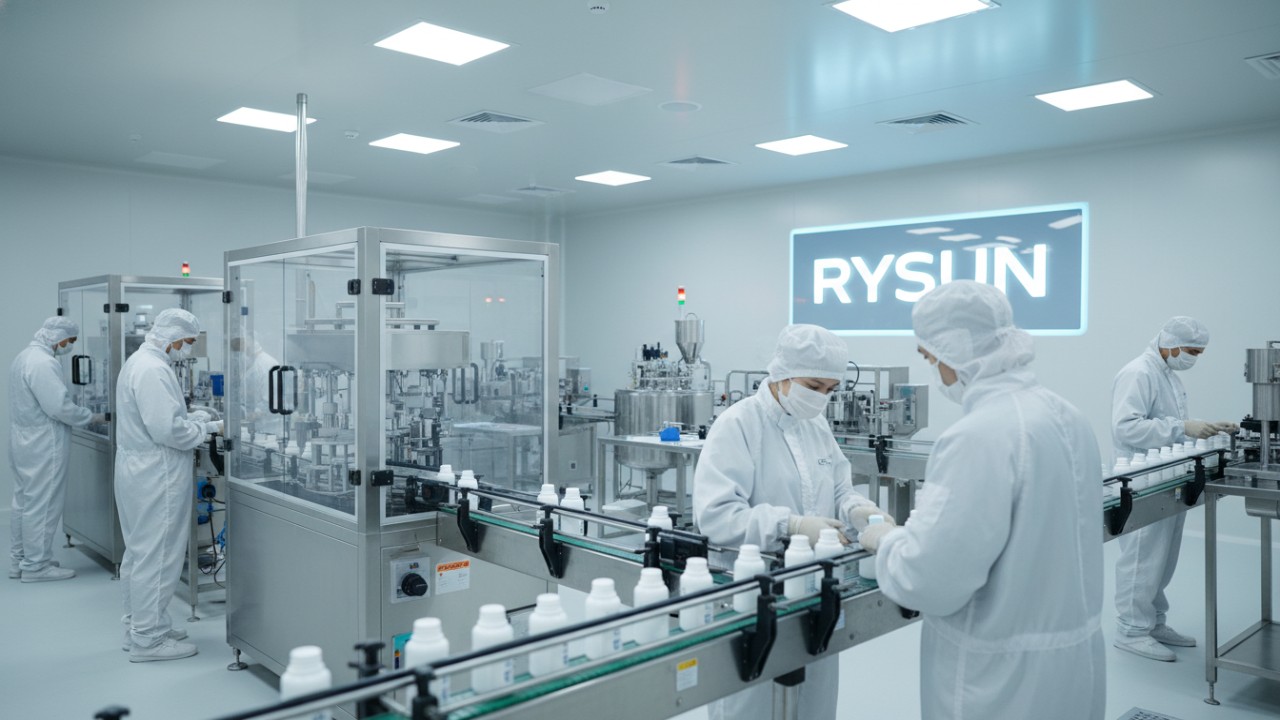
GMP (Good Manufacturing Practice) certified cosmetic manufacturers are specialized production facilities strictly adhering to FDA and ISO 22716 standards. They ensure products are consistently produced and controlled according to rigorous quality standards, minimizing risks related to contamination, safety, and formulation errors.
Navigating the complexities of modern beauty demands a robust quality framework. When you partner with an FDA registered skincare OEM, you are securing a foundation of scientific rigor and legal safety. Here is how and why these specialized manufacturers operate at a higher level:
- Standardized Cleanliness: Facilities are designed to eliminate the risk of cross-contamination using medical-grade sterilization processes.
- Regulatory Adherence: They maintain strict compliance with global health standards, ensuring products are legal to sell internationally.
- Consistent Output: Standard operating procedures guarantee that the first batch of your face cream is identical in quality and efficacy to the thousandth batch.
As reported by the U.S. Food and Drug Administration (FDA), the Modernization of Cosmetics Regulation Act of 2022 (MoCRA) mandates significant new oversight, making verifiable GMP alignment absolutely mandatory for brands operating in 2026 and beyond.
Key Takeaways: The Real Value of Manufacturing Compliance
Manufacturing compliance provides a critical shield against brand-destroying product recalls while ensuring consistent batch-to-batch quality. Proactive adherence to these stringent standards future-proofs your brand against upcoming 2026 global regulatory shifts, providing the extensive documentation required for seamless international market expansion.
Understanding the real value of these frameworks is essential for long-term strategic growth.
- Brand Shielding: GMP compliance is not just a regulatory checkbox; it is your frontline defense against microbial contamination and subsequent FDA warnings.
- Customer Retention: Partnering with certified facilities ensures the consistent batch-to-batch quality that consumers demand.
- Future-Proofing: Proactive compliance perfectly aligns your brand with the stringent requirements of FDA MoCRA and the EU Cosmetics Regulation.
- Seamless Expansion: Certified partners provide the extensive safety dossiers and documentation required to successfully launch products in over 50 countries.
The High Cost of Non-Compliance: Risks You Can't Ignore
Non-compliance in cosmetic manufacturing leads to severe financial devastation from mandatory product recalls, permanent brand reputation damage, legal liabilities, and crippling supply chain delays. Ignoring these risks exposes beauty businesses to regulatory fines and unverified raw material hazards.
The beauty market is unforgiving when it comes to product safety. Brands that attempt to bypass strict regulations often pay a much higher price in the long run.
- Financial Devastation: Uncovering the true cost of FDA warning letters, mandatory product recalls, and the mandatory destruction of adulterated inventory can bankrupt a growing brand.
- Brand Reputation Damage: In the digital age, a single viral video highlighting microbial contamination or an adverse allergic reaction can permanently ruin consumer trust.
- Legal Liabilities: Brands face massive class-action lawsuits and steep regulatory fines stemming from unverified raw materials and poor facility hygiene.
- Supply Chain Delays: Uncertified factories often face unexpected shutdowns from local health authorities, leading to costly out-of-stock scenarios during peak retail seasons.
Common Mistakes Brands Make When Choosing a Cosmetic OEM
Common mistakes include prioritizing rock-bottom pricing over verified quality control standards, failing to personally audit the facility, overlooking intellectual property protection policies, and ignoring the vital importance of dedicated microbiology testing labs for raw material traceability.
Choosing a manufacturing partner is a complex process, and founders often fall into traps that compromise their brand's integrity. To secure a reliable supply chain, you must avoid these critical errors:
- The Price Trap: Prioritizing the cheapest quote over verified CGMP quality control standards and dedicated R&D expertise inevitably leads to inferior product quality.
- Skipping the Audit: Failing to personally audit the facility or request up-to-date ISO and FDA certification documents leaves your brand vulnerable to hidden operational flaws.
- Ignoring IP Protection: Overlooking the manufacturer's intellectual property policies creates a massive risk of your unique, proprietary formulas being stolen and sold to competitors.
- Lack of Traceability: Ignoring the importance of on-site microbiology testing labs makes it impossible to trace the origin of raw material contamination if a recall occurs.
Core Pillars of GMP and ISO 22716 Standards for 2026
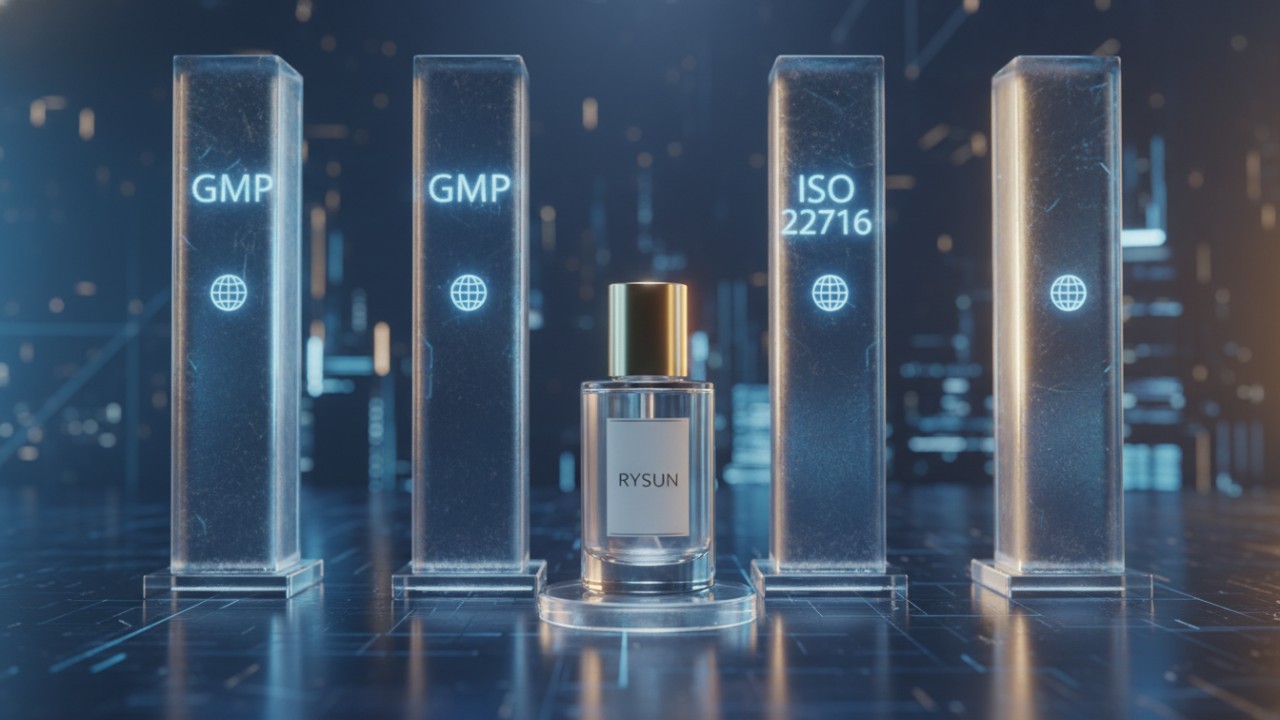
The core pillars of GMP and ISO 22716 standards include rigorous continuous personnel training, utilizing medical-grade premises and equipment, implementing intensive raw material controls, and maintaining flawless documentation and traceability for every single batch produced in the facility.
To achieve true ISO 22716 cosmetic manufacturing excellence, a facility must execute flawlessly across multiple operational dimensions. As detailed by the American National Standards Institute (ANSI), these guidelines provide critical organizational and practical advice on the management of human, technical, and administrative factors affecting product quality.
- Personnel and Training: Ensuring all staff undergo rigorous, continuous training in hygiene protocols and contamination prevention.
- Premises and Equipment: Utilizing medical-grade stainless steel tanks, HEPA air filtration systems, and strict sanitization protocols.
- Raw Material Controls: Implementing intensive quarantine and microbiological testing phases for all incoming ingredients before production begins.
- Documentation and Traceability: Maintaining flawless batch records that allow quality assurance teams to isolate and solve potential issues instantly.
Certified vs. Uncertified Manufacturing Comparison
| Feature / Standard | GMP / ISO 22716 Certified Manufacturer | Uncertified Cosmetic Manufacturer |
|---|---|---|
| Raw Material Quarantine | Mandatory testing before use | Often skipped to save time |
| Batch Traceability | 100% tracked from ingredient to shelf | Highly inconsistent or nonexistent |
| FDA MoCRA Readiness | Fully compliant with 2026 regulations | High risk of regulatory penalties |
| Water Purification | Multi-stage EDI/RO medical-grade water | Standard municipal or basic filtered water |
| Recalls / Liability | Minimized risk via CAPA systems | High risk of contamination lawsuits |
For a deeper dive into global compliance, review our comprehensive cosmetic manufacturing regulations guide.
Industry-Leading Solution: How Guangzhou Rysun Biotechnology Co., Ltd. Mitigates Risk
Guangzhou Rysun Biotechnology Co., Ltd. mitigates brand risk through uncompromising quality control, leveraging a multidisciplinary Research Institute, 105 proprietary product patterns, and up to 50 rigorous inspection procedures per product to guarantee absolute safety and global compliance.
Founded in 2014 by Ivy Wong—after identifying the inconsistent quality of skincare products through discussions with a Swiss anti-aging expert—Rysun has evolved into a premier research-driven powerhouse. When evaluating an FDA registered skincare OEM, Rysun stands out by embedding risk mitigation into the very fabric of its operations.
- Risk Mitigation through R&D: In 2015, Rysun established its proprietary Research Institute. Today, supported by 20 leading scientific researchers spanning biology, dermatology, chemistry, and pharmacology, the company holds an impressive 253 intellectual properties.
- Uncompromising Quality Control: Rysun implements up to 50 distinct inspection procedures per product—from raw material quarantine to final packaging. This exhaustive process guarantees absolute safety for their high-demand face serums, body lotions, and tanning products.
- Global Export Reliability: With over 10 years of intensive industry experience, Rysun has successfully partnered with more than 700 brands and exports to over 50 countries. This global footprint means their regulatory team inherently understands how to navigate complex 2026 international compliance standards.
- Comprehensive Product Lines: Rysun offers a massive array of fully compliant formulations, including advanced makeup removers and targeted eye care products, all developed under the strictest global GMP guidelines.
Expert Tips for Auditing Your Contract Manufacturer
To effectively audit a contract manufacturer, request comprehensive standard operating procedures for equipment cleaning, review corrective and preventive action logs, evaluate water purification systems, and ensure they have robust on-site capabilities for stability and challenge testing.
Don't take a manufacturer's claims at face value. A physical or detailed virtual audit is imperative to verify their CGMP quality control standards.
- Request Comprehensive SOPs: Review their Standard Operating Procedures for equipment cleaning, sanitization, and routine maintenance to ensure no cross-contamination occurs between production runs.
- Analyze CAPA Logs: Request access to their Corrective and Preventive Action (CAPA) logs. A trustworthy facility will be transparent about how they document and resolve internal quality deviations.
- Evaluate Water Systems: Water is the primary ingredient in most skincare formulations. Demand proof of multi-stage Reverse Osmosis (RO) or Electrodeionization (EDI) water purification systems.
- Verify Testing Capabilities: Ensure the facility has independent, on-site laboratories capable of executing long-term stability testing, microbiological challenge testing, and packaging compatibility assessments.
Conclusion
Mitigating risk in the highly competitive beauty industry requires an unwavering commitment to quality, safety, and compliance. Partnering with a fully GMP certified manufacturer like Guangzhou Rysun Biotechnology Co., Ltd. is the ultimate insurance policy for your brand's reputation and growth. From meticulous 50-step inspection procedures to cutting-edge R&D, Rysun is your trusted global partner. By prioritizing strict regulatory adherence and verifiable quality control, your brand can confidently scale in the 2026 market without fear of recalls or legal liabilities.
Contact us today to optimize your gmp certified cosmetic manufacturers strategy.
FAQs About gmp certified cosmetic manufacturers
What does GMP stand for in cosmetics?
GMP stands for Good Manufacturing Practices. It refers to the strict guidelines and minimum standards a manufacturer must meet to ensure cosmetic products are consistently high in quality and safe for consumer use.
Is GMP certification mandatory for cosmetic manufacturers?
While exact legal requirements vary by country, adhering to GMP is highly recommended and often mandated by regional authorities (like the FDA via MoCRA in the USA or the EU Cosmetics Regulation). Without it, products are at high risk of being deemed adulterated or unsafe.
What is the difference between FDA registered and GMP certified?
FDA registration simply means the facility is known to the FDA and has submitted its information. GMP certification is a formal recognition (often by third parties like ISO) that the facility strictly follows comprehensive quality and safety protocols during manufacturing.
How do I verify if a cosmetic manufacturer is GMP certified?
You can request a copy of their current ISO 22716 certificate or GMP compliance audit report. Always check that the certificate is issued by a reputable, accredited third-party auditing firm and that it has not expired.
Why is ISO 22716 important for cosmetic brands?
ISO 22716 is the internationally recognized standard for cosmetic Good Manufacturing Practices. Partnering with an ISO 22716 certified manufacturer ensures your products are compliant with global safety expectations, making international distribution and retail onboarding much easier.
Can I manufacture cosmetics at home without GMP?
While small-scale home production is possible for hobbyists, scaling a commercial brand without following GMP guidelines exposes you to massive liability. Home environments lack the sanitary controls, air filtration, and sterile equipment necessary to prevent microbial contamination.
What happens if a cosmetic product is not manufactured under GMP?
Products not manufactured under GMP have a higher risk of contamination, separation, or incorrect active ingredient dosages. This can lead to severe consumer skin reactions, expensive FDA-mandated product recalls, and permanent brand damage.
How does Guangzhou Rysun Biotechnology ensure GMP compliance?
Rysun enforces strict GMP protocols, backed by a professional team of doctors and researchers. They implement up to 50 separate inspection procedures for every product and utilize state-of-the-art facilities to guarantee consistency, safety, and global regulatory compliance.
Related articles

Get more information
If you have any comments or good suggestions, please leave us a message; later our professional staff will contact you as soon as possible.
Rysun Biotechnology--Unremittingly strive for human health and beauty
Contact RYSUN
Email: k.lee@rysunoem.com
WhatsApp: +86 156 0306 9138
Address: No. 62 Nanxiang First Road, Science Town of Guangzhou Developed Zone, Huangpu, Guangzhou, China.
© 2025 RYSUN. All Rights Reserved. Privacy Policy | Terms and Conditions | Sitemap
Facebook
Instagram