


Formulating for Efficacy: The Rising Demand in Private Label Sun Protection in 2026
What is Private Label Sun Protection?
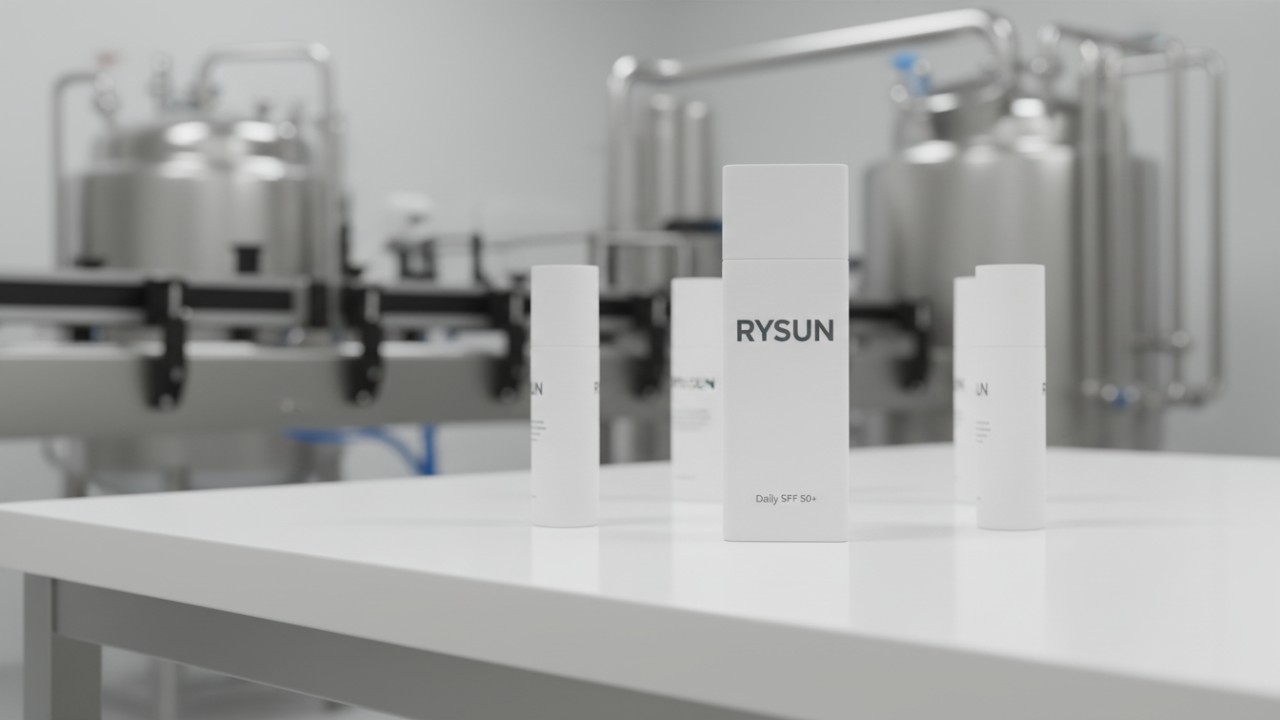
Private label sun protection refers to the strategic process where an original equipment manufacturer (OEM) or original design manufacturer (ODM) develops, formulates, and produces SPF products that are branded and sold under another company's name.
This highly efficient business model provides beauty and skincare brands with ready-to-market or custom-formulated suncare solutions. Instead of investing heavily in building proprietary laboratories, sourcing raw materials, and hiring dedicated chemical engineers, brands can leverage the robust infrastructure of an established manufacturer.
Key Benefits of Private Label Sun Protection:
- Rapid Market Entry: Significantly reduces the time it takes to launch a new, compliant product line.
- Cost Efficiency: Eliminates the heavy overhead costs associated with operating a specialized manufacturing facility.
- Customization: Allows for the rapid customization of active UV filters, textures, and packaging to meet specific regional regulations.
- Regulatory Compliance: Leverages the manufacturer's existing certifications and quality assurance frameworks.
By utilizing this approach, brands can maintain a razor-sharp focus on marketing, sales, and customer acquisition while trusting the complex chemistry of UV defense to specialized formulation experts.
Quick Summary & Key Takeaways for 2026
The 2026 suncare market is fundamentally defined by a consumer shift from seasonal beachwear to daily anti-aging necessity, demanding sophisticated hybrid skincare sunscreen trends that seamlessly merge high-efficacy UV defense with active skincare ingredients.
As we navigate the evolving landscape of cosmetic formulation, several critical takeaways emerge for brands looking to dominate the SPF sector this year. Consumers no longer accept heavy, greasy, or white-cast-leaving sunblocks. Instead, the expectation is a cosmetically elegant, multi-functional product.
Key 2026 Takeaways:
- Daily Necessity: Sun protection is universally recognized as the ultimate preventative health and anti-aging step in any daily skincare routine.
- Hybrid Formulations: There is an unprecedented demand for a broad-spectrum SPF formulation that includes hydrating serums, niacinamide, and potent antioxidants.
- Strategic Partnerships: Partnering with a heavily R&D-focused manufacturer is critical to navigating complex stability challenges and stringent global certifications.
- Sustainability: The modern consumer demands transparency, cruelty-free testing, and environmentally responsible ingredient sourcing.
The Science of Efficacy: Mineral vs. Chemical Filters
Chemical filters absorb UV radiation to provide an invisible finish, while mineral filters like zinc oxide physically reflect rays, serving as the foundation for any reputable reef-safe mineral sunscreen OEM focused on environmental and skin safety.
Understanding the fundamental differences between these two primary categories of ultraviolet (UV) filters is essential for formulating a successful product.
Chemical Filters: Chemical UV absorbers (such as avobenzone and homosalate) are renowned for their ability to create lightweight, invisible textures. These formulations are particularly popular for darker skin tones, as they completely eliminate the dreaded "white cast." However, certain chemical filters have faced regulatory scrutiny regarding coral reef degradation and potential skin sensitization.
Mineral Filters: The rise of non-nano zinc oxide and titanium dioxide has revolutionized the industry. These physical blockers sit on the surface of the skin, acting as a reflective shield against both UVA and UVB rays. They are the preferred choice for pediatric, sensitive skin, and eco-conscious formulations. In fact, sunscreen is so critical to global health that it is recognized on the World Health Organization's List of Essential Medicines, as reported by Wikipedia.
Balancing the Formulation: Achieving the perfect ratio of filters is an intricate scientific process. The goal is to deliver a reliable broad-spectrum defense while maintaining a cosmetically elegant feel that encourages daily application.
| Feature | Mineral (Physical) Filters | Chemical Filters |
|---|---|---|
| Primary Mechanism | Physically reflects and scatters UV rays | Absorbs UV rays and converts them to heat |
| Common Active Ingredients | Zinc Oxide, Titanium Dioxide | Avobenzone, Octinoxate, Homosalate |
| Skin Compatibility | Excellent for sensitive, rosacea, or acne-prone skin | Can occasionally cause irritation in highly sensitive skin |
| Environmental Impact | Generally considered reef-safe (specifically non-nano sizes) | Certain chemicals are restricted due to coral bleaching risks |
| Cosmetic Finish | Can leave a white cast if not elegantly formulated | Provides a lightweight, invisible, and sheer finish |
Mind the Gap: What Most Brands Miss in Suncare Formulation
The most significant gap in the market is the lack of rigorous SPF quality control and testing, as many brands fail to conduct the necessary long-term stability and phototoxicity assessments required for true broad-spectrum efficacy.
Many competitors simply gloss over the rigorous testing protocols required to maintain a consistent Sun Protection Factor (SPF) rating over a product's entire shelf life. When a formulation degrades, the consumer is left unprotected, which poses severe health risks and destroys brand trust.
Critical Testing Gaps to Avoid:
- Long-Term Stability Data: Formulations must be subjected to accelerated aging tests to ensure active filters do not separate or crystallize over time.
- True Water-Resistance Metrics: Transparency regarding whether a product maintains its SPF after 40 or 80 minutes of water exposure is a strict legal requirement.
- Broad-Spectrum Validation: Ensuring equal protection against both burning UVB rays and aging UVA rays. For example, in the United States, sunscreen is strictly regulated as an over-the-counter (OTC) drug that must meet specific labeling requirements, as outlined by the FDA.
Navigating these regulatory hurdles is often underestimated by new brands. It requires specialized compliance with strict global standards that go far beyond basic Good Manufacturing Practices (GMP).
2026 Suncare Trends Defining the Market
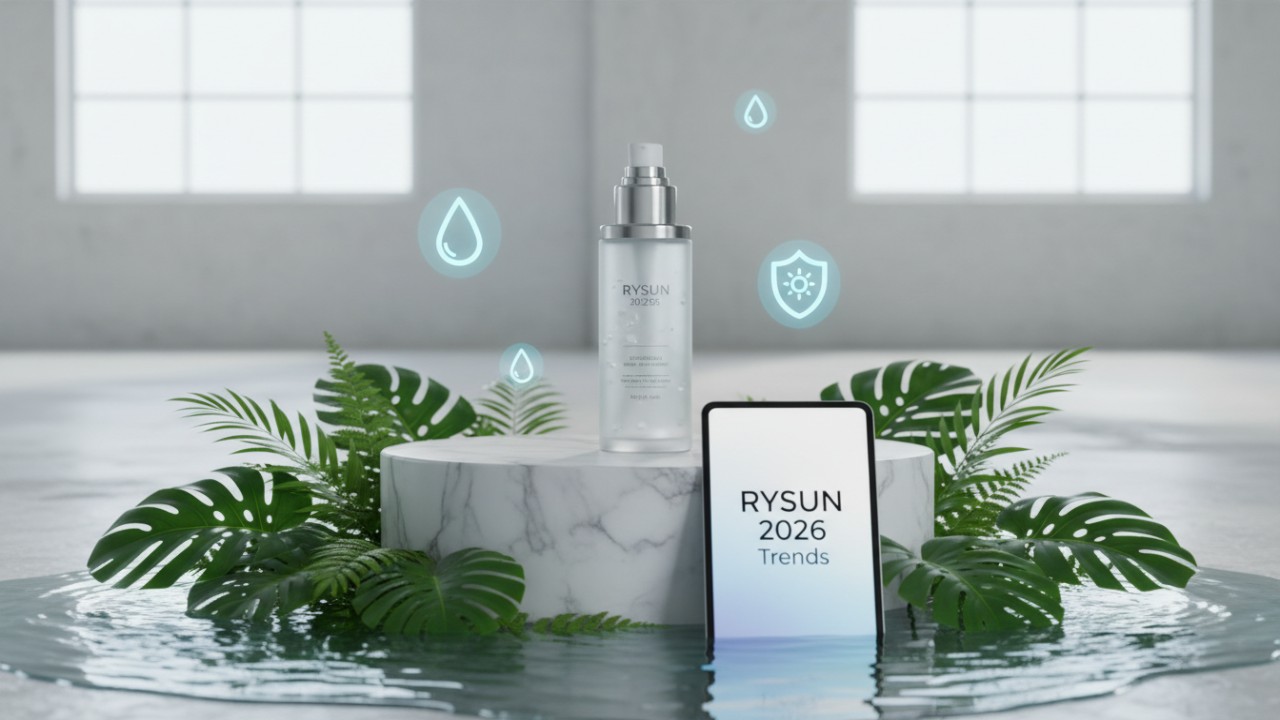
In 2026, market dominance is driven by serum-infused SPF products, tinted environmental defense formulations offering blue light protection, and strict clean beauty mandates demanding pregnancy-safe, hypoallergenic, and ethically sourced raw materials for everyday wear.
To capture the attention of today's highly educated beauty consumer, brands must look beyond basic UV defense. The integration of advanced skincare benefits into sun protection is no longer optional; it is expected. For a comprehensive look at how these elements fit into the broader beauty landscape, consult our trending private label cosmetic products guide.
Top Trends to Watch:
- Serum-Infused Textures: Fluid, dropper-dispensed sunscreens that eliminate multiple steps in a daily beauty routine by offering hydration, barrier repair, and sun protection in one application.
- Environmental Defense: Modern formulations are tackling digital aging by featuring ingredients designed to neutralize blue light (High-Energy Visible light) emitted by screens, alongside robust antioxidant profiles to fight urban pollution.
- Clean Beauty Mandates: Consumers are actively seeking out products free from controversial preservatives, microplastics, and synthetic fragrances.
- Preventative Health Focus: Daily application is paramount for preventative health, effectively reducing the risk of melanoma by 50 percent when used as directed, as detailed by the Skin Cancer Foundation.
Expert Tips & Common Mistakes in Suncare Manufacturing
A critical error in sun protection contract manufacturing is prioritizing the lowest minimum order quantity over evaluating the manufacturer's formulation stability data, multidisciplinary R&D expertise, and rigorous multi-stage packaging compatibility testing protocols.
Launching a successful SPF line requires meticulous planning and a deep understanding of chemical interactions. Taking shortcuts during the manufacturing process inevitably leads to product recalls, separated formulas, and regulatory fines.
Common Mistakes:
- Chasing the Lowest Price: Selecting a manufacturer based solely on cost often results in grainy textures, inconsistent SPF levels, and poor user experience.
- Ignoring Packaging Compatibility: Certain active UV filters can degrade standard plastic containers over time, leading to leaching and compromised efficacy. Always conduct thorough compatibility testing.
- Skipping Micro-Testing: Failing to ensure the preservative system can withstand consumer use, especially in water-resistant or beach-bound products.
Expert Tips for Success:
- Prioritize R&D Depth: Partner with a manufacturer that employs a multidisciplinary team consisting of dermatologists, biologists, and chemical engineers to ensure clinical efficacy.
- Demand Inspection Protocols: Implement strict multi-stage inspection procedures that track the product from raw material sourcing to final product assembly.
- Focus on the User Experience: Efficacy is irrelevant if the consumer refuses to wear the product. Invest heavily in formulating a cosmetically elegant, non-greasy finish.
Elevating Suncare Efficacy with Guangzhou Rysun Biotechnology Co., Ltd.
Guangzhou Rysun Biotechnology Co., Ltd. is an elite, research-driven cosmetic manufacturer established in 2014, leveraging a multidisciplinary Research Institute and 253 intellectual properties to deliver clinical-grade, premium custom skincare and suncare solutions.
Recognizing the inconsistent quality of skincare products in the global market, Ivy Wong collaborated with Swiss anti-aging experts to found Rysun. Over the past decade, the company has grown into an undisputed industry leader, dedicated to merging cutting-edge biological research with strict, zero-defect manufacturing standards.
The Rysun Advantage:
- Unmatched Expertise: In 2015, Rysun founded its advanced Research Institute. Today, it houses a multidisciplinary team of 20 leading scientists specializing in biology, dermatology, chemistry, microbiology, pharmacology, and packaging technology.
- Proprietary Innovation: Rysun’s commitment to scientific excellence is backed by 105 product patterns and 253 intellectual properties, providing brand partners with exclusive, highly effective formulations.
- Global Authority: With more than 10 years of specialized experience, successful partnerships with over 700 brands, and a strong export footprint across more than 50 countries, Rysun possesses deep, actionable insights into global market trends.
- Rigorous Quality Control: To guarantee absolute safety and broad-spectrum efficacy, Rysun implements up to 50 strict inspection procedures per product. This meticulous approach ensures that every batch meets the highest international standards.
By prioritizing affordability, practical solutions, and uncompromising quality, Rysun empowers brands to confidently launch high-performance sun protection lines.
Conclusion
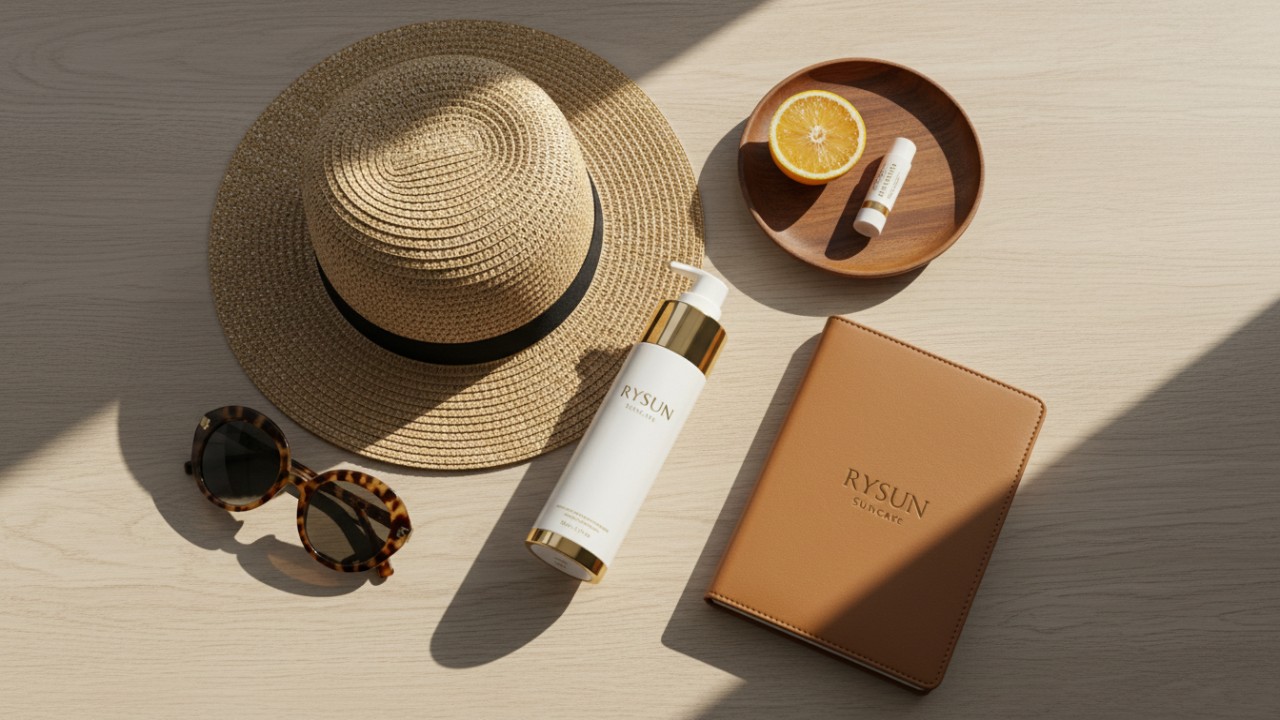
The rising demand for high-efficacy suncare in 2026 offers immense opportunities for innovative brands to launch customized, hybrid skincare solutions that meet strict global regulatory standards and evolving daily-use consumer expectations.
Success in this highly competitive landscape requires moving beyond basic, outdated formulas. It necessitates a strategic partnership with an R&D powerhouse that values rigorous quality control, sustainable sourcing, and innovative cosmetic science. By understanding the intricacies of mineral versus chemical filters, navigating global compliance, and prioritizing the user experience, your brand can capture a loyal, daily-use consumer base.
Contact us today at k.lee@rysunoem.com to optimize your private label sun protection strategy and bring your vision to life.
FAQs About private label sun protection
Navigating the complexities of sunscreen formulation and manufacturing can raise numerous questions for emerging brands. Below are the most frequently asked questions regarding the development, compliance, and production of custom suncare lines.
How do I start a private label sunscreen brand?
To begin, you must first identify your target audience and specific product niche, such as developing a reef-safe mineral lotion or a tinted hybrid SPF serum. Next, strategically partner with an experienced OEM/ODM manufacturer with a strong, proven R&D background. Finally, work closely with them through the iterative processes of sampling, custom formulation, packaging selection, and mandatory regulatory compliance testing.
What is the difference between mineral and chemical private label sunscreens?
Mineral sunscreens utilize physical blockers, primarily zinc oxide and titanium dioxide, to actively reflect and scatter UV rays away from the skin. In contrast, chemical sunscreens use organic active ingredients to absorb UV rays and convert them into harmless heat. Mineral formulas are generally preferred for sensitive skin types and reef safety compliance, while chemical formulas are favored for their transparent, invisible finish on all skin tones.
Are private label sunscreens FDA approved?
In the United States, sunscreen is strictly regulated as an over-the-counter (OTC) drug by the Food and Drug Administration (FDA). Reputable private label manufacturers formulate their products strictly according to established FDA monographs and conduct mandatory, standardized SPF testing. However, the brand owner is typically responsible for officially registering their specific product and brand name, fully supported by the manufacturer's comprehensive compliance documentation.
What makes a sunscreen reef-safe?
Reef-safe sunscreens intentionally avoid chemical filters known to cause coral bleaching and aquatic distress, most notably oxybenzone and octinoxate. Instead, they primarily rely on non-nano mineral filters like zinc oxide and titanium dioxide, meaning the particles are too large to be ingested by marine life. Furthermore, true reef-safe products also rigorously avoid the inclusion of microplastics and environmentally harmful preservatives.
What is the minimum order quantity (MOQ) for custom sun protection products?
Minimum order quantities (MOQs) vary significantly depending on the specific manufacturer and the exact level of customization required for the project. Utilizing pre-existing, tested stock formulations typically allows for lower MOQs, while developing entirely custom, ground-up formulations necessitates higher minimums to offset R&D costs. Working with a flexible OEM partner can effectively help balance these initial investment costs with high-quality customized outputs.
Can I add skincare ingredients like serums to my private label SPF?
Yes, integrating active skincare ingredients into SPF is highly encouraged, as hybrid formulations combining UV defense with skincare benefits are a major market trend for 2026. Popular, highly sought-after additions include hydrating hyaluronic acid, brightening niacinamide, and various antioxidant complexes. However, formulating these hybrids requires advanced R&D expertise to ensure the added active ingredients do not destabilize the critical UV filters.
How long does it take to manufacture a private label sunscreen?
The timeline depends heavily on the chosen formulation route. Using a thoroughly pre-formulated stock product can be expedited, often taking just a few weeks to finalize custom packaging and labeling. Conversely, developing a unique custom formulation from scratch typically takes several months. These custom timelines must carefully account for necessary R&D stability testing, micro-testing, packaging compatibility, and securing all necessary regulatory approvals.
Why choose Guangzhou Rysun Biotechnology for OEM suncare?
Guangzhou Rysun Biotechnology Co., Ltd. offers over 10 years of highly specialized experience, proudly exporting to more than 50 countries and sustaining successful partnerships with over 700 brands. They utilize a world-class, multidisciplinary Research Institute staffed by 20 leading scientists and hold an impressive 253 intellectual properties. Their unwavering commitment to zero defects involves executing up to 50 strict inspection procedures per product, guaranteeing clinical-grade efficacy.
Related articles

Get more information
If you have any comments or good suggestions, please leave us a message; later our professional staff will contact you as soon as possible.
Rysun Biotechnology--Unremittingly strive for human health and beauty
Contact RYSUN
Email: k.lee@rysunoem.com
WhatsApp: +86 156 0306 9138
Address: No. 62 Nanxiang First Road, Science Town of Guangzhou Developed Zone, Huangpu, Guangzhou, China.
© 2025 RYSUN. All Rights Reserved. Privacy Policy | Terms and Conditions | Sitemap
Facebook
Instagram