


Pigments and Palettes: Complexities in Contract Manufacturing Color Cosmetics
The global beauty market is expanding rapidly, and at the heart of this growth lies the sophisticated world of contract manufacturing color cosmetics. For brands looking to launch innovative, high-performance makeup lines, partnering with a specialized manufacturer is a strategic necessity. From mastering complex pigment dispersion to navigating stringent global compliance, the journey from concept to consumer involves meticulous science and artistry. In this comprehensive guide, we will explore the intricacies of color cosmetic formulation services, detail the rigorous quality control protocols required for flawless batch-to-batch consistency, and examine the critical trends shaping the beauty industry leading up to 2026. Whether you are an emerging indie brand or an established global powerhouse, understanding these complexities is the first step toward launching a successful, market-defining cosmetic line.
What Is Contract Manufacturing for Color Cosmetics?
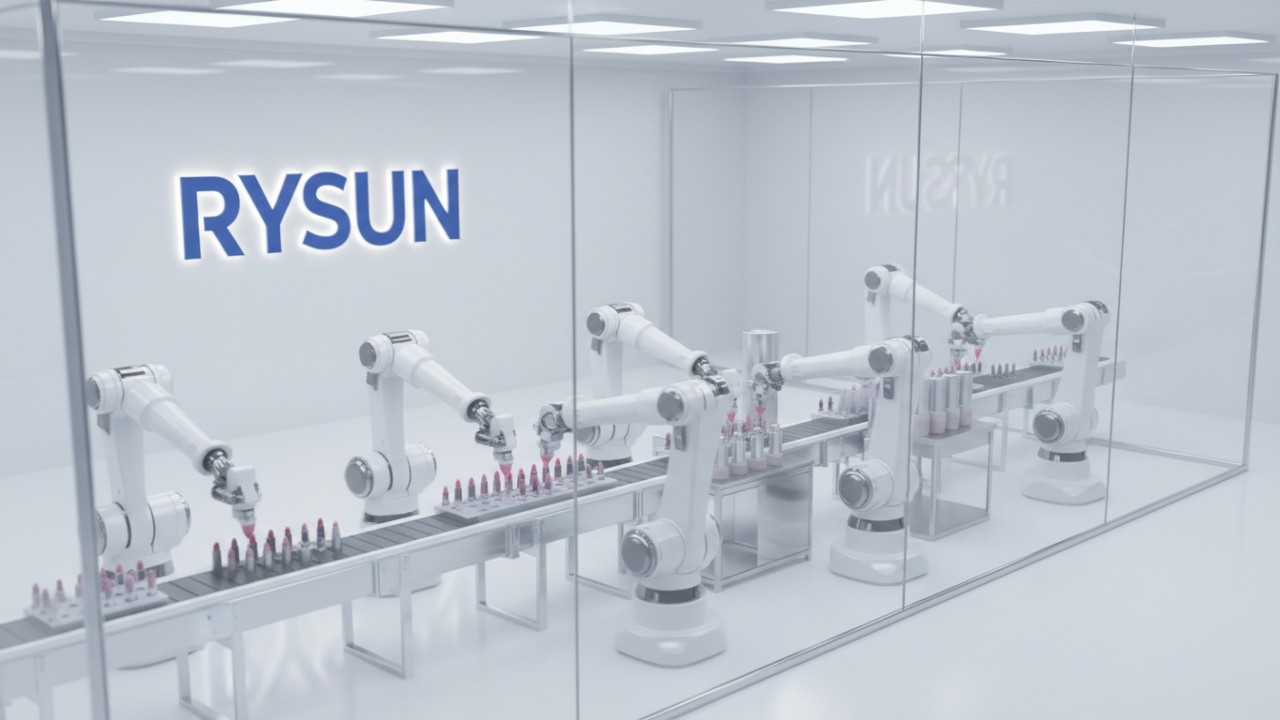
Contract manufacturing for color cosmetics is a specialized B2B service where a third-party facility develops, formulates, and produces makeup products—such as foundations, lipsticks, and eyeshadows—on behalf of a brand, providing turnkey solutions to scale without owning a factory.
Understanding how this partnership works is crucial for brands seeking turnkey beauty manufacturing solutions. The manufacturer acts as an extension of the brand's own research and development team. Why is this important? Developing high-quality color cosmetics is inherently complex, requiring specialized machinery and chemical expertise that most brands do not possess in-house. By outsourcing production, brands can focus entirely on marketing and distribution while relying on technical experts to handle the heavy lifting of product creation.
Key benefits of this manufacturing model include:
- Scalable Production: Brands can adjust order volumes based on market demand without investing in heavy capital equipment.
- Access to Innovation: Utilizing dedicated R&D labs to create cutting-edge, custom pigment dispersion cosmetics.
- Regulatory Support: Ensuring all formulations meet strict global compliance and safety standards.
- End-to-End Solutions: Managing everything from initial pigment matching and raw material sourcing to final packaging and global distribution.
Key Takeaways & Quick Summary
The essential takeaways for developing color cosmetics include mastering complex pigment dispersion, ensuring strict quality control for batch-to-batch consistency, leveraging research-driven partners for regulatory compliance, and embracing the defining sustainable ingredient trends leading into 2026.
How do these elements combine to create a successful product line? The formulation of color cosmetics relies heavily on precise scientific principles. A minor miscalculation in rheology or pigment concentration can completely alter a product's texture and color payoff. Why does this matter? Because modern consumers demand perfection and consistency. If a customer repurchases their favorite shade of foundation, they expect an identical match every single time. For a deeper understanding of what product categories are currently dominating consumer demand, explore our trending private label cosmetic products guide.
Key takeaways to guide your strategy:
- Color cosmetics require deep expertise in pigment wetting and rheology to achieve the perfect texture.
- Strict quality control is mandatory; achieving identical color matching across massive batches is the industry's highest hurdle.
- Partnering with a research-driven manufacturer drastically reduces time-to-market.
- Sustainable pigments and hybrid makeup-skincare formulas are the defining market expectations for 2026.
The Complexities of Pigment Dispersion and Color Matching
Pigment dispersion and color matching involve the intricate science of wetting, grinding, and milling raw pigment particles into a liquid or powder medium to prevent streaking, avoid color shifting, and ensure absolute shade uniformity across massive production batches.
How is proper dispersion achieved? Pigments are naturally insoluble and tend to clump together into agglomerates. To break these down, chemists use high-shear milling equipment to force the particles apart and coat them evenly within a carrying medium. As reported by the Society of Cosmetic Chemists, optimal color development requires intense energy input to reach a precise particle size of 3-5 µm. Why is this process so critical? If pigments are not fully dispersed, the resulting cosmetic will apply unevenly, look streaky on the skin, or change color throughout the day.
The core complexities of this process include:
- Pigment Wetting: Displacing air from the surface of dry pigment powders using specialized oils or silicones.
- Grinding and Milling: Applying sheer force to break down agglomerates without over-milling, which can degrade color intensity.
- Cross-Contamination Prevention: Managing the immense risks of color bleeding in large-scale facilities by utilizing dedicated color-mixing vessels.
- Raw Material Variances: Adjusting formulations dynamically to account for subtle differences in raw materials that impact final undertones.
Formulation Challenges: Balancing Wear, Texture, and Safety
Formulating color cosmetics requires balancing long-wear performance and luxurious textures while navigating complex global regulatory standards, integrating active skincare ingredients safely, and executing rigorous stability testing against extreme temperature fluctuations and UV exposure.
How do formulators strike this delicate balance? Modern consumers demand "skinification"—makeup that performs like skincare. This requires formulating hybrid color cosmetics infused with active ingredients like hyaluronic acid or niacinamide. However, adding active ingredients can destabilize pigment dispersions. Why is regulatory compliance equally challenging? Governments strictly control which coloring agents can be applied to the human body. As outlined by the U.S. Food and Drug Administration, color additives are subject to a strict system of approval and must be batch-certified if used in cosmetics marketed in the United States.
To overcome these formulation hurdles, manufacturers must focus on:
- Innovating Hybrid Cosmetics: Seamlessly blending long-wear pigments with sensitive skincare actives.
- Preserving the Skin Barrier: Ensuring waterproof and smudge-proof properties do not clog pores or cause irritation.
- Navigating Regulatory Standards: Adhering strictly to FDA, EU, and global standards for approved lakes and dyes.
- Executing Stability Protocols: Stress-testing products in specialized chambers to ensure formulas do not separate or degrade over time.
Future Outlook: Cosmetic Contract Manufacturing Trends 2026
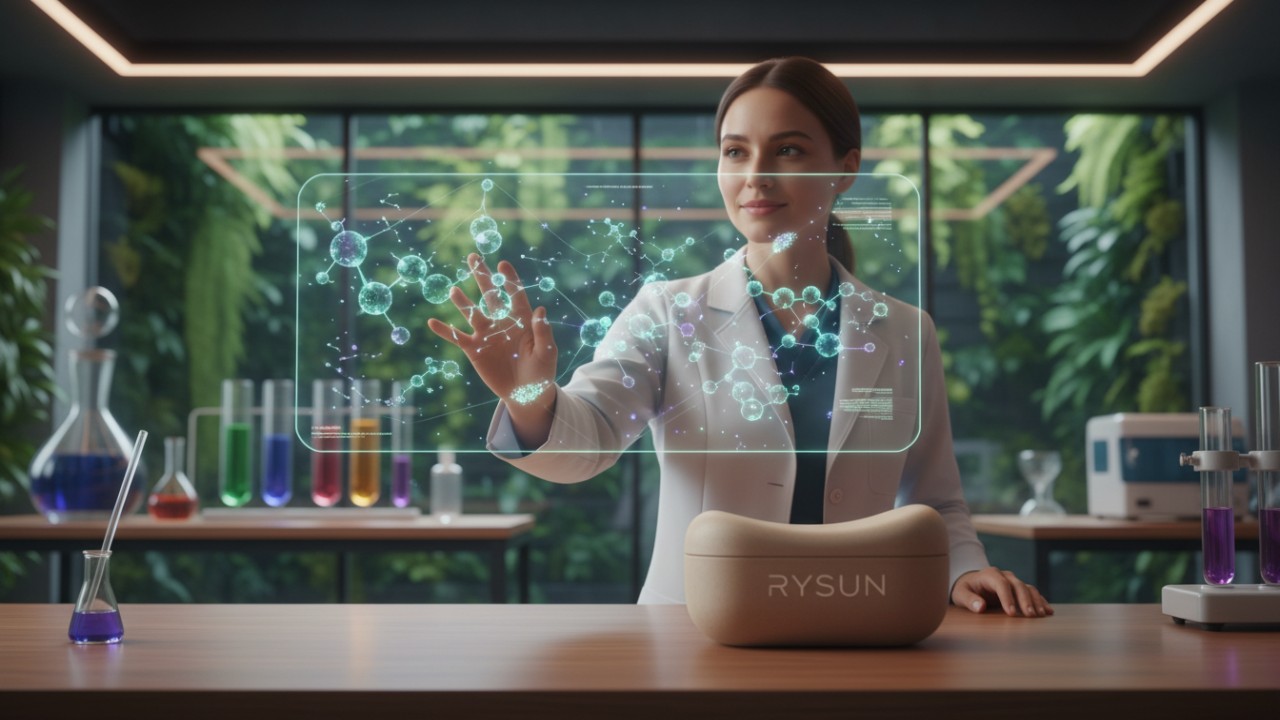
The defining cosmetic contract manufacturing trends for 2026 include a massive industry shift toward biotechnology-derived sustainable pigments, ultra-customizable micro-batch production for niche audiences, and the integration of artificial intelligence for rapid color matching and prototyping.
How is the landscape shifting? As consumer awareness surrounding ethical sourcing grows, the industry is moving away from controversial mined ingredients like natural mica. Instead, labs are developing synthetic, lab-grown alternatives that offer higher purity and lower environmental impact. Why is compliance also driving these trends? New legal frameworks, such as the Modernization of Cosmetics Regulation Act (MoCRA), enforce mandatory facility registrations and serious adverse event reporting, as detailed by the FDA for full enforcement leading into 2026.
The most impactful trends for 2026 encompass:
- Biotechnology-Derived Pigments: Utilizing sustainable, lab-grown colorants to ensure an ethical and transparent supply chain.
- Micro-Batch Customization: Adapting manufacturing lines to handle smaller, hyper-specific runs catering to highly diverse skin tones.
- AI-Driven R&D: Implementing artificial intelligence and spectrophotometers to rapidly reverse-engineer and match existing shades.
- Premiumization Optimization: Balancing the rising costs of raw materials with efficient supply chain strategies to maintain premium product positioning.
Why Brands Trust Guangzhou Rysun Biotechnology Co., Ltd. for Complex Formulations
Global brands trust Guangzhou Rysun Biotechnology Co., Ltd. for complex formulations because our multidisciplinary team leverages 105 proprietary product patterns and implements up to 50 strict inspection procedures per product to guarantee flawless color consistency and safety.
How did we build this foundation of trust? Established in 2014 by Ivy Wong—after identifying a gap in the market for consistently high-quality skincare and cosmetics—Rysun has evolved into a powerhouse of research and innovation. In 2015, we launched our dedicated Research Institute, assembling a multidisciplinary team of 20 leading scientific researchers spanning dermatology, chemistry, and pharmacology. Why does this matter for your brand? Because experience dictates outcome. With more than 10 years of operational excellence, we deeply understand the nuances of contract manufacturing color cosmetics.
The strategic advantages of partnering with Rysun include:
- Advanced R&D Capabilities: Backed by 253 intellectual properties and decades of combined scientific expertise.
- Uncompromising Quality Assurance: Utilizing up to 50 rigorous inspection points per item to eliminate batch-to-batch deviations.
- Global Export Experience: Successfully partnering with over 700 brands and delivering premium cosmetics to more than 50 countries.
- Comprehensive Turnkey Production: Providing affordable, practical, and highly scalable solutions for brands of all sizes.
Expert Tips for Choosing the Right Color Cosmetic Manufacturer
Selecting the ideal color cosmetic manufacturer requires verifying comprehensive ISO and GMP certifications, evaluating their in-house pigment milling equipment, ensuring ethical supply chain transparency, and running small-scale test batches to confirm product texture and consistency.
How should you vet potential partners? It begins with asking the right technical questions. Do not settle for standard brochures; inquire specifically about their color cosmetic formulation services and their approach to rheology control. Why is transparency critical? Your brand's reputation rests on the safety and ethical sourcing of your ingredients, particularly concerning heavy-metal testing protocols.
| Feature | Private Label Makeup Manufacturers | Custom Contract Manufacturing |
|---|---|---|
| Formulation Ownership | Brand uses a pre-existing formula owned by the manufacturer. | Brand retains complete ownership of the custom formula. |
| Time to Market | Extremely fast (ready-made products requiring only branding). | 6 to 12 months (due to custom R&D and stability testing). |
| Customization Level | Limited to exterior packaging and logo application. | Fully customizable shades, textures, and active ingredients. |
| Initial R&D Costs | Low to zero initial formulation fees required. | Higher initial investment for custom chemical engineering. |
Crucial steps for choosing your manufacturing partner:
- Request Comprehensive Documentation: Always verify current ISO certifications and Good Manufacturing Practice (GMP) compliance.
- Inquire About Milling Equipment: Ensure they possess advanced high-shear mixers and dedicated color-matching laboratories.
- Verify Supply Chain Transparency: Demand proof of ethical sourcing for micas and strict heavy-metal limit testing.
- Start with Smaller Test Runs: Evaluate batch-to-batch color fidelity and textural consistency before committing to massive volumes.
Conclusion
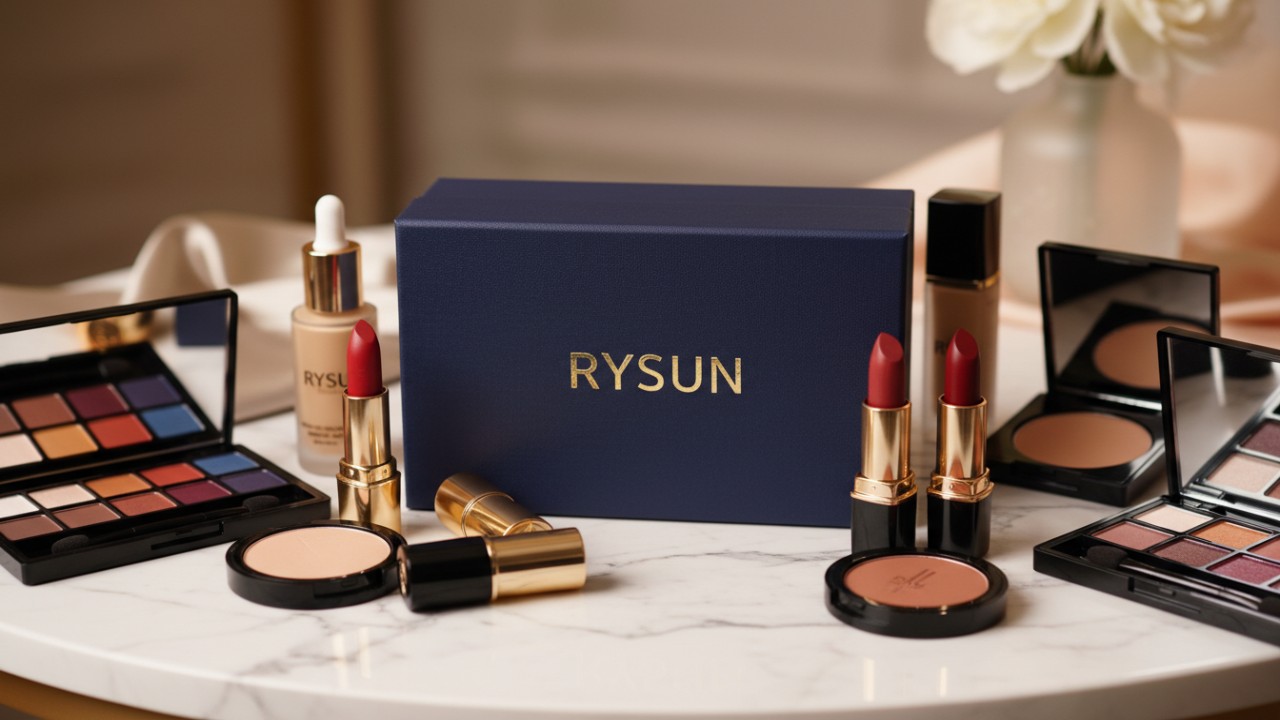
Navigating the complexities of contract manufacturing color cosmetics requires a strategic partnership with a highly skilled facility that offers deep scientific expertise, advanced pigment milling technology, and uncompromising quality control standards to ensure global brand success.
From mastering the precise science of pigment dispersion to anticipating the shifting regulatory landscapes and sustainability trends of 2026, the development of high-performance makeup is a rigorous process. Choosing a manufacturer with a proven track record of innovation, strict quality assurance, and ethical sourcing is the bedrock of your brand's longevity and market dominance.
Contact us at k.lee@rysunoem.com or visit https://www.rysunoem.com to optimize your contract manufacturing color cosmetics strategy today.
FAQs About contract manufacturing color cosmetics
How much does it cost to contract manufacture color cosmetics?
Costs vary widely based on formulation complexity, custom packaging requirements, and total order volume. Typically, custom formulations require higher initial R&D fees compared to standard private label formulas, as they involve dedicated chemist time, raw material sourcing, and specialized stability testing.
What is the minimum order quantity (MOQ) for custom makeup?
MOQs depend heavily on the manufacturer and specific product type, usually ranging from 1,000 to 10,000 units per shade. However, some specialized contract manufacturers offer flexible, low MOQs specifically designed to help emerging indie beauty brands scale their operations sustainably.
What is the difference between private label and contract manufacturing for cosmetics?
Private label involves purchasing pre-formulated, ready-made products and simply applying your brand's customized logo and packaging. Contract manufacturing, conversely, entails creating a completely custom formulation from scratch, granting the brand total ownership and exclusivity over the final formula.
How long does the cosmetic product development process take?
Developing a custom color cosmetic product from concept to completion typically takes 6 to 12 months. This extended timeline carefully accounts for rigorous R&D phases, iterative color matching, mandatory stability testing, and comprehensive regulatory compliance checks across target markets.
Can a contract manufacturer match an existing color cosmetic formula?
Yes, expert contract manufacturers can meticulously reverse-engineer and color-match existing products. Advanced R&D laboratories utilize digital spectrophotometers and specialized high-shear pigment milling equipment to achieve an exact, imperceptible match to a benchmark product.
How do manufacturers ensure color consistency across cosmetic batches?
Manufacturers achieve absolute consistency by utilizing standardized operating procedures (SOPs), precise digital weighing, and rigorous quality control checks throughout the compounding phase. Advanced facilities like Rysun implement up to 50 strict inspection procedures to guarantee zero shade deviation between batches.
Are color cosmetic manufacturers required to be FDA registered?
In the US, cosmetic manufacturing facilities are now required to register through the FDA's MoCRA (Modernization of Cosmetics Regulation Act) framework. Furthermore, manufacturers must ensure all utilized color additives strictly comply with FDA regulations for their specific intended use, differentiating between eye-area and lip-area safety.
How do I start my own color cosmetics line with a manufacturer?
Begin by clearly defining your target audience, desired product type, and budget, then seek a manufacturing partner that perfectly aligns with your brand vision. Reach out to the manufacturer's sales team to deeply discuss their technical capabilities, request physical samples, and comprehensively review their testing and production processes.
Related articles
Get more information
If you have any comments or good suggestions, please leave us a message; later our professional staff will contact you as soon as possible.
Rysun Biotechnology--Unremittingly strive for human health and beauty
Contact RYSUN
Email: k.lee@rysunoem.com
WhatsApp: +86 156 0306 9138
Address: No. 62 Nanxiang First Road, Science Town of Guangzhou Developed Zone, Huangpu, Guangzhou, China.
© 2025 RYSUN. All Rights Reserved. Privacy Policy | Terms and Conditions | Sitemap
Facebook
Instagram