



Fresh Deep Hydration Face Cream: Formulation Insights, Benefits, and Market Applications (2026 Analysis)
An expert analysis of Fresh Rose Deep Hydration Face Cream, dissecting its dual-weight hyaluronic acid formula, proprietary hydropatch technology, and market positioning in the 2026 skincare landscape.
Introduction
The global facial cream market is projected to reach $73.9 billion by 2030, driven by a surge in demand for barrier-repairing formulations. Amidst this growth, the Fresh Deep Hydration Face Cream remains a benchmark for hybrid gel-creams, particularly for consumers seeking sustained moisture without heavy occlusion. This analysis dissects the product’s formulation logic, its proprietary ‘hydropatch’ technology, and its strategic position in the evolving 2026 market.
What is the Fresh Deep Hydration Face Cream technology?
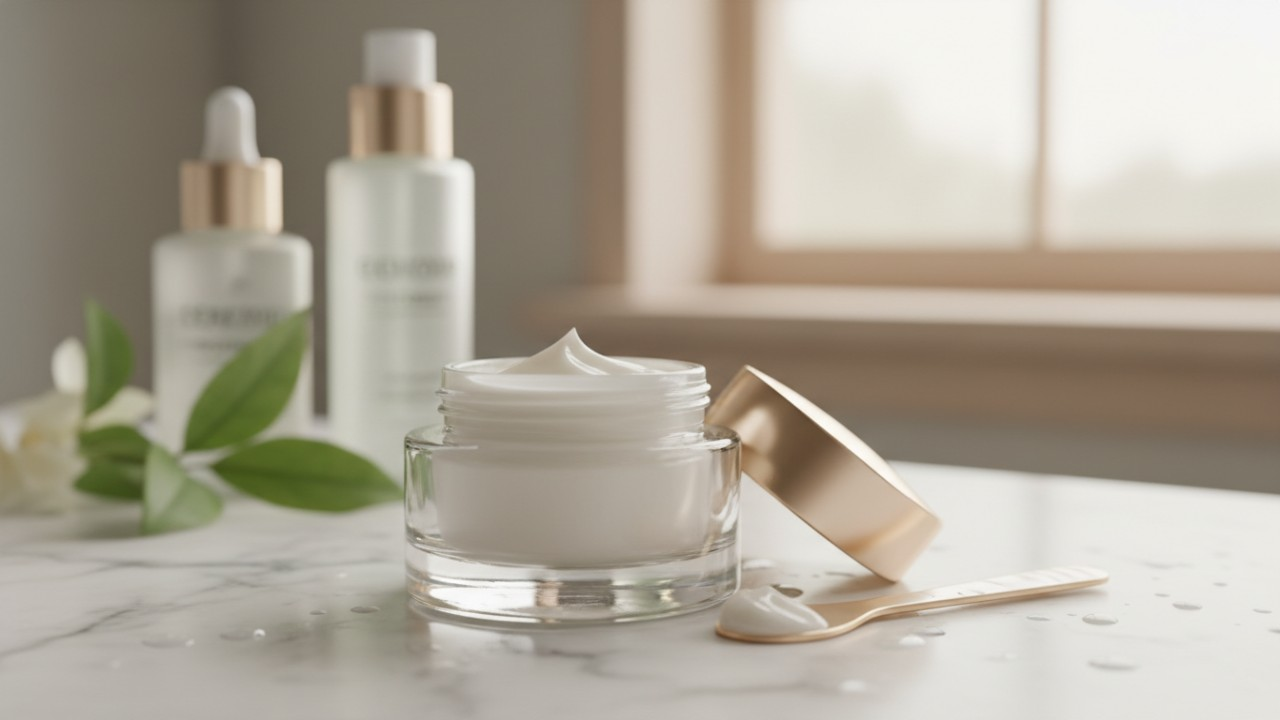
This technology is a specialized ‘time-release’ hydration system that utilizes a semi-permeable web of algin, acacia gum, and serine to lock in moisture. This molecular mesh sits on the skin’s surface, slowly releasing water vapor to the epidermis as humidity levels drop.
In standard formulations, water evaporates rapidly after application (transepidermal water loss, or TEWL). Fresh addresses this by creating a ‘micro-network’ or patch. Unlike a standard occlusive (like petrolatum), which blocks the pores, this hydro-patch allows the skin to breathe while maintaining a reservoir of hydration. This is particularly relevant for those seeking a nice cream for face application that doesn't feel suffocating.
· Hydrophobic Patch: Creates a protective film using Acacia Senegal Gum and Algin.
· Hydrophilic Reservoir: Traps water molecules using serine and glycerin.
· Dynamic Release: Moisture is released gradually over a 72-hour period, confirmed by instrumental tests.
Formulation Insights: Deconstructing the Ingredients
The formula’s efficacy relies on ‘Entity Stacking,’ where Damask Rose acts as a barrier strengthener while dual-weight Hyaluronic Acid targets different skin depths. It is not merely a rose-scented lotion but a calculated chemical emulsion.
According to 2025 market data from Fortune Business Insights, the demand for Hyaluronic Acid (HA)-based skincare is growing at a CAGR of over 7%. Fresh capitalizes on this by using two forms of HA. High molecular weight HA (1,500 kDa) stays on the surface to smooth texture, effectively acting as a face firming cream by plumping the outer layer. Meanwhile, low molecular weight HA (50 kDa) penetrates deeper to hydrate the dermis.
Key Ingredient Breakdown:
1. Damask Rose Extract: Scientifically proven to strengthen the skin barrier. A 2024 study noted its efficacy in protecting skin against stress mediators.
2. Tocopheryl Acetate (Vitamin E): A stable form of Vitamin E. While you can find a dedicated vitamin E cream for face use, Fresh integrates it here for antioxidant protection against lipid peroxidation.
3. Solvent Modifiers: The use of C15-19 Alkane provides a silicone-like slip without the bio-accumulation issues of older silicones, catering to the modern ‘clean’ standard.
For a broader understanding of hydration mechanics, you can explore our guide on Deep Hydrating Face Cream.
Critical Benefits for Skin Barrier Health
The primary benefit of this formulation is the restoration of the skin’s microbiome balance through pH-optimized rosewater and sustained hydration. A healthy barrier is acidic; rosewater helps maintain this ‘acid mantle,’ preventing bacterial proliferation.
Data from Mintel (2024) indicates a 68% jump in men's facial skincare usage. Because this product absorbs fully without a greasy residue, it has crossed over as a popular face cream for men. The ‘bombogenesis’ effect—where the cream explodes into water upon contact—provides immediate relief for shaving irritation or post-workout heat.
· Microbiome Support: Rosewater creates an environment hostile to acne-causing bacteria.
· Texture Versatility: Acts as a primer, smoothing fine lines better than a standard aloe face cream, which can sometimes be sticky.
· Barrier Reinforcement: Clinical data suggests a strengthening of the lipid barrier within 24 hours of use.
Market Applications: Positioning in the 2026 Landscape
In the 2026 landscape, Fresh positions this cream as a ‘sensorial functional’ product, targeting the premium market segment that values efficacy and experience equally. It competes directly with clinical brands by offering comparable barrier support but with superior aesthetic elegance.
While an organic face cream might appeal to purists, Fresh dominates the ‘Masstige’ (prestige mass) sector. The global hyaluronic acid market is expected to reach $11 billion by 2034, and Fresh maintains its share by updating its preservation systems (removing parabens) to meet evolving ‘Clean at Sephora’ standards.
Target Demographics:
1. The Dehydrated-Oily Consumer: Needs water, not oil. The gel-cream texture is ideal.
2. The Luxury Minimalist: Wants one cream that hydrates, primes, and soothes.
3. Sensitive Skin Types: Often cited as the best face cream for sensitive skin due to the soothing properties of Rosa Damascena and cucumber extract.
Expert Tips for Application and Routine Integration
To maximize the humectant properties, this cream must be applied to damp skin, sealing in the water provided by a toner or essence. Applying it to dry skin reduces its ‘moisture magnet’ efficiency.
Many users struggle with pilling when layering products. Because this formula uses high molecular weight HA, it forms a film. Therefore, it should be the final step before sunscreen. It pairs exceptionally well with peptides. For those concerned with aging, combining this hydration step with a specialized treatment is recommended. Read more about this in our article on the Best Face Cream for Wrinkles and Fine Lines.
· The ‘Damp Skin’ Method: Apply immediately after toning to trap moisture.
· Retinol Buffering: Apply this cream 20 minutes after retinol to reduce irritation without diluting the active.
· Avoid Over-Massage: extensive rubbing can disrupt the polymer film; patting is superior.
Future Outlook: The Evolution of Hydration Technology
The future of moisturizing lies in ‘adaptive hydration,’ where polymers expand or contract based on environmental humidity. Fresh’s current time-release technology is a precursor to these smart materials.
By late 2026, we expect to see a shift from standard botanical extracts to bio-fermented rose ingredients. Fermentation lowers the molecular size of actives, increasing bioavailability. This evolution will likely render standard face cream for dry skin obsolete, replacing them with biocompatible emulsions that mimic the skin's natural lamellar structure.
· Smart Polymers: Ingredients that react to climate changes.
· Bio-Fermentation: Enhanced potency of rose extracts.
· Sustainable Sourcing: Increased transparency in the supply chain of Damask Rose from Turkey and Bulgaria.
Conclusion
The Fresh Rose Deep Hydration Face Cream remains a formidable competitor in 2026, balancing sensory pleasure with genuine hydration mechanics. Its ‘hydropatch’ technology offers a sophisticated solution to TEWL, making it a staple for dehydrated skin types. As the market moves toward barrier health, this formulation’s reliance on time-tested botanicals and modern polymer chemistry secures its relevance.
Related articles
Get more information
If you have any comments or good suggestions, please leave us a message; later our professional staff will contact you as soon as possible.
Rysun Biotechnology--Unremittingly strive for human health and beauty
Contact RYSUN
Email: k.lee@rysunoem.com
WhatsApp: +86 156 0306 9138
Address: No. 62 Nanxiang First Road, Science Town of Guangzhou Developed Zone, Huangpu, Guangzhou, China.
© 2025 RYSUN. All Rights Reserved. Privacy Policy | Terms and Conditions | Sitemap
Facebook
Instagram