

Sustainable Packaging & Branding for Private Label Curly Hair Masks
- Sustainable Packaging & Branding for a Private Label Hair Mask For Curly Hair
- Why sustainability matters for a hair mask for curly hair
- Product snapshot: Private Label Hair Mask For Curly Hair
- Define objectives: sustainability goals tied to business outcomes
- Material options: pros and cons for hair mask packaging
- Recommended packaging strategy for Private Label Hair Mask For Curly Hair
- Design and branding: communicate sustainability without greenwashing
- Certifications and verifications that matter
- Labeling, regulatory compliance and claims for a hair mask for curly hair
- Supply chain, MOQ considerations, and scalability
- Manufacturing and quality control for curly-hair product lines
- Customer experience: dispensing, texture, and accessibility
- Cost vs. sustainability trade-offs — practical guidance
- Marketing & eCommerce: SEO and product listing optimization
- Brand advantages when choosing our Private Label Hair Mask For Curly Hair
- Implementation checklist: move from concept to shelf
- Frequently Asked Questions (FAQ)
- Q: Is a jar or a pouch better for a hair mask for curly hair?
- Q: What does PCR mean and is it really recycled?
- Q: Will sustainable packaging affect the performance of the Private Label Hair Mask For Curly Hair?
- Q: Do I need certifications to market my product as sustainable?
- Q: Can I customize the formula or fragrance for my private label run?
- Contact & product CTA
- Authoritative references and further reading

Sustainable Packaging & Branding for a Private Label Hair Mask For Curly Hair
Why sustainability matters for a hair mask for curly hair
Curly-hair consumers prioritize targeted performance — intense hydration, frizz control, and curl definition — but increasingly they also expect the brands they buy to minimize environmental impact. For a Private Label Hair Mask For Curly Hair, sustainable packaging and authentic branding are not optional add-ons: they directly influence purchase decisions, retailer acceptance, and long-term brand value.
Product snapshot: Private Label Hair Mask For Curly Hair
A lightweight formula that provides a perfect balance of intense hydration, frizz control, and lasting curl definition.
It is enriched with hydrolyzed proteins and amino acids that help restore hair elasticity, strengthen fragile strands, and bring back the natural bounce curls crave while repairing your damaged hair core.
And we use lightweight oils that bring back and lock moisture. This mask quenches thirsty curls without leaving behind greasy residue.
MOQ for this private label hair mask for curly hair is 1000 units.
Define objectives: sustainability goals tied to business outcomes
Before choosing packaging, clarify measurable goals: reduce single-use plastic, increase recycled content (PCR), achieve recyclability in target markets, lower carbon footprint per SKU, or offer refill systems. Tie those goals to business outcomes: retailer listings, reduced shipping cost, improved conversion for eco-conscious shoppers, and stronger brand loyalty among curly-hair communities.
Material options: pros and cons for hair mask packaging
Selecting the right container for a hair mask for curly hair balances product protection, user experience, cost, and sustainability. Below is a practical comparison of common packaging choices used for creams and masks.
| Material | Recyclability | Weight / Carbon Impact | Barrier & Stability | Brand Perception | Notes |
|---|---|---|---|---|---|
| Glass jar | High (widely recyclable) | Higher weight → higher transport emissions | Excellent chemical compatibility; High Quality look | High Quality, sustainable perception | Good for prestige lines; consider heavier logistics cost |
| PCR PET jar (recycled plastic) | High (if labeled & processed locally) | Low weight → lower transport emissions | Good barrier; practical for creams | Modern, eco-conscious | Ensure PCR content claims are verified |
| HDPE/PP jar | Variable (depends on local recycling streams) | Low weight | Good stability & cost-effective | Functional, less High Quality | Cost-effective for mass-market private label |
| Refill pouch (laminate) | Low to medium (complex films) | Very low weight | Can protect formula if barrier layers used | Eco-savvy if paired with durable primary pack | Best used with a reusable jar program |
| Compostable plastics | Low (requires industrial composting) | Low weight | Variable; check compatibility | Can appear sustainable but may confuse consumers | Use only if target markets support composting infrastructure |
Recommended packaging strategy for Private Label Hair Mask For Curly Hair
For a hair mask for curly hair, the ideal approach for most private-label brands is a hybrid system:
- Primary container: PCR PET jar or lightweight glass jar with recyclable cap — protects the formula, offers a High Quality unboxing, and balances weight vs. perception.
- Secondary option: offer a refill pouch (reduced plastic & transport emissions) to reduce single-use primary units over time.
- Labelling: use water-based inks and minimal adhesives to keep jars recyclable and to make recycling easier for consumers.
Design and branding: communicate sustainability without greenwashing
Clear, honest messaging builds trust. For Private Label Hair Mask For Curly Hair, integrate performance claims with sustainability claims, e.g., Formulated for curly textures alongside Made with 30% PCR recycled plastic jar. Avoid vague claims like eco-friendly without backing details.
Key branding elements to include on pack and online:
- Primary benefit callouts (hydration, frizz control, curl definition) to target curly hair shoppers searching for a hair mask for curly hair.
- Material disclosure (e.g., Jar contains 50% recycled PET) and recycling instructions specific to major markets.
- Certification icons when applicable (see next section): RSPO, FSC (for cardboard), or EcoCert/COSMOS for organic claims.
Certifications and verifications that matter
Third-party certifications support E-E-A-T and reduce perceived risk for retail buyers and consumers:
- ISO 14001 / corporate environmental management (for manufacturers)
- Recycled Content Certification (e.g., Recycled Claim Standard)
- Cosmetic certifications such as COSMOS or Ecocert (if you make organic/natural claims for ingredients)
- Product safety and regulatory compliance references (FDA in U.S., EU Cosmetic Regulation in EU)
Note: Certifications add cost and lead time but improve retailer and consumer trust—an important trade-off for private label customers.
Labeling, regulatory compliance and claims for a hair mask for curly hair
Label copy must prioritize safety and transparency. Required elements vary by market, but common requirements include:
- Full ingredient list (INCI names) and any allergens
- Net weight/volume and country of manufacture
- Directions for use and storage
- Batch/lot number and best-before date where required
- Claims substantiation: keep documentation for claims like sulfate-free, no silicones, or ingredient-specific benefits.
Embedding the commercial keyword naturally: on-label messaging should include phrases like hair mask for curly hair in the product descriptor to match consumer and improve SEO/listing relevance.
Supply chain, MOQ considerations, and scalability
Your stated MOQ (1000 units) is appropriate for many boutique and DTC brands testing the market. When balancing sustainability with cost:
- Lower MOQs often mean higher per-unit costs. Consider staggered launches: test with PCR PET at MOQ 1000; scale to larger glass options if demand and margins allow.
- Negotiate packaging commitments with suppliers to secure recycled content and color consistency as you scale.
- Plan inventory to avoid overproduction — sustainable strategy includes avoiding waste and obsolescence.
Manufacturing and quality control for curly-hair product lines
Private label partners should verify Good Manufacturing Practice (GMP) compliance and request Certificates of Analysis (CoA) for ingredients like hydrolyzed proteins and oils. Curly-hair consumers are sensitive to performance; maintain consistent viscosity, pH, and preservative efficacy through stability testing, especially when switching containers or using pouch refills.
Customer experience: dispensing, texture, and accessibility
Packaging must support the consumer ritual for mask application: wide-mouth jars allow fingertip scooping, airless pumps (for creams with low viscosity) reduce contamination. Consider tactile design and accessible copy for users who want straightforward instructions for use on curly textures. Include clear portions: e.g., Apply 1–2 tablespoons to clean, damp hair. Leave 5–10 minutes.
Cost vs. sustainability trade-offs — practical guidance
Most brands find a middle ground: using PCR plastics to reduce virgin plastic use while offering refill pouches to cut long-term waste. Up-front costs for PCR or High Quality materials are often offset by higher retail price points associated with performance and sustainability positioning for curly-hair categories.
Marketing & eCommerce: SEO and product listing optimization
Optimize product pages and packaging copy using the main commercial keyword: hair mask for curly hair and the product name Private Label Hair Mask For Curly Hair. Include attributes such as lightweight formula, frizz control, and hydrolyzed proteins in the product title, bullets, and description. Use high-quality images of the pack and refill options, and show sustainability badges and recycling instructions to reduce purchase hesitation.
Brand advantages when choosing our Private Label Hair Mask For Curly Hair
Choosing our Private Label Hair Mask For Curly Hair delivers several brand advantages:
- Turnkey formula paired with flexible sustainable packaging options (PCR jars, glass, refill pouches).
- Proven performance claims (hydration, frizz control, curl definition) that speak directly to curly-hair consumers.
- Low MOQ of 1000 units for market testing and DTC launches.
- Regulatory support and labeling templates to speed retail approvals.
- Ability to co-brand or white-label with tailored artwork and certified recycled content documentation to support retailer RFPs.
Implementation checklist: move from concept to shelf
Follow these practical steps to launch a sustainable, branded private label hair mask for curly hair:
- Define product benefits and target curly hair segments (type 2–4).
- Choose primary container (PCR PET jar recommended) and optional refill pouch.
- Confirm recycled content percentages and request certificates.
- Complete stability and preservative efficacy tests in chosen container.
- Prepare compliant label copy and ingredient list (INCI).
- Order an initial run at MOQ 1000 units; coordinate packaging lead times.
- Launch with clear sustainability messaging, recycle instructions, and return/refill information.
Frequently Asked Questions (FAQ)
Q: Is a jar or a pouch better for a hair mask for curly hair?
A: A jar is best for user experience (easy scooping) and High Quality perception. A refill pouch lowers environmental impact and transport emissions—pair them: sell the jar as primary and offer pouches for refills.
Q: What does PCR mean and is it really recycled?
A: PCR stands for Post-Consumer Recycled content. It means the plastic contains material recovered from consumer-used products. Verifiable PCR claims require supplier documentation or third-party certification to avoid greenwashing.
Q: Will sustainable packaging affect the performance of the Private Label Hair Mask For Curly Hair?
A: Performance depends on the formulation and packaging compatibility. PCR PET and glass are both suitable for creamy masks. Verify stability and preservative efficacy when changing materials.
Q: Do I need certifications to market my product as sustainable?
A: Certifications help build trust but are not strictly required. If you make specific claims (e.g., recycled content or organic), documentation is essential. Certifications like COSMOS or Recycled Claim Standard strengthen retailer acceptance.
Q: Can I customize the formula or fragrance for my private label run?
A: Yes—formulation and scent customization are common. Discuss minimum change requirements with your manufacturer; customization may affect MOQ and lead time.
Contact & product CTA
Ready to launch your own Private Label Hair Mask For Curly Hair with sustainable packaging? Contact our sales team to request samples, packaging options, and pricing for an MOQ of 1000 units. View product specs and request a quote: .
Authoritative references and further reading
- FDA — Cosmetics: https://www.fda.gov/cosmetics
- European Commission — Cosmetics and personal care products: https://ec.europa.eu/growth/sectors/cosmetics_en
- Ellen MacArthur Foundation — Circular economy & packaging: https://ellenmacarthurfoundation.org
- Sustainable Packaging Coalition: https://sustainablepackaging.org
- American Academy of Dermatology — Caring for curly hair: https://www.aad.org/public/everyday-care/hair-scalp-care/hair-care/curly-hair-care
- Wikipedia — Sustainable packaging: https://en.wikipedia.org/wiki/Sustainable_packaging
Reference note: The above references provide regulatory context, circular-economy guidance, and practical consumer care advice for curly hair. Use them to validate labeling, packaging choices, and consumer-facing copy.
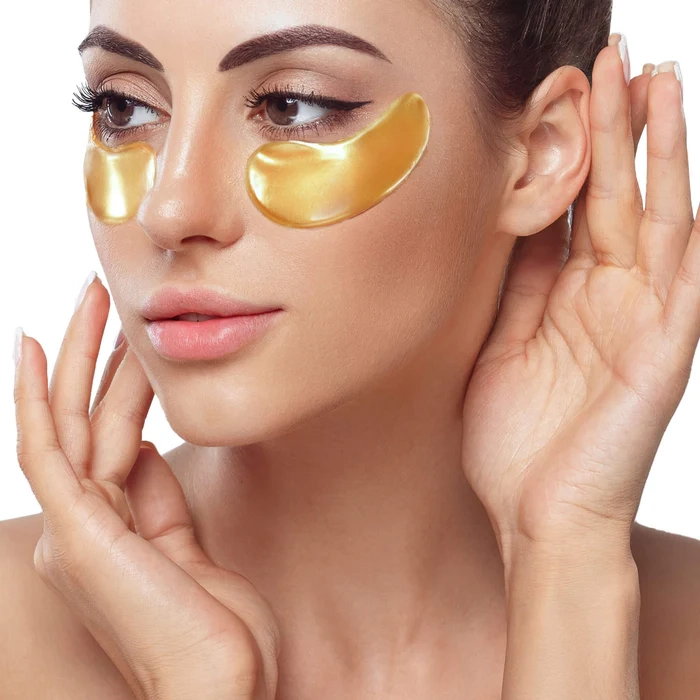
Packaging and Branding Tips for Private Label Eye Mask Lines
Quality Standards and Certifications for 24k Gold Eye Masks

Formulation Checklist: Effective Hair Oil for Dry Hair
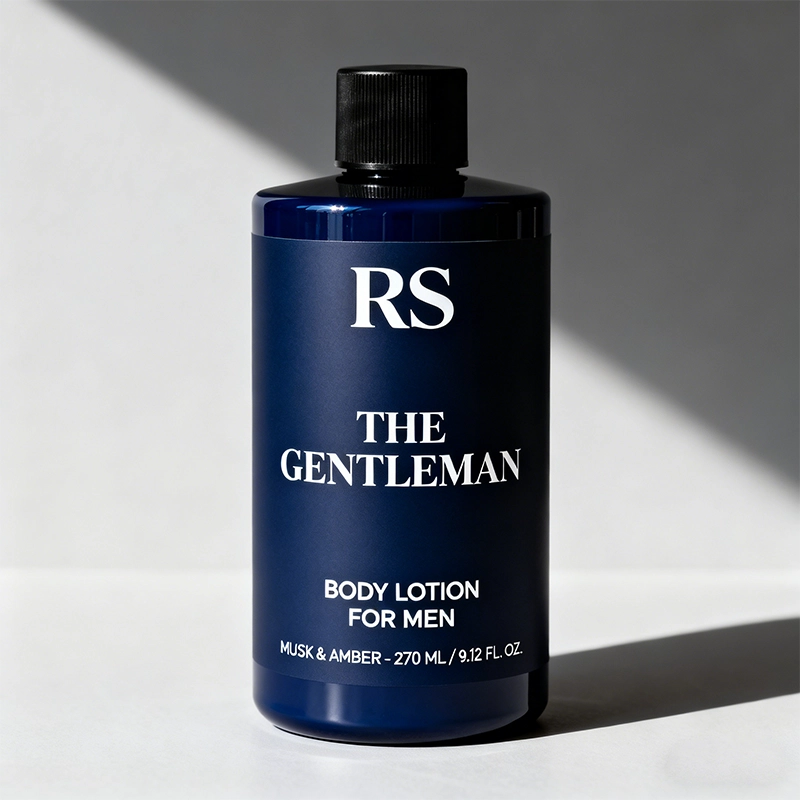
Lightweight vs. Rich: Picking Men's Body Lotion Textures
Makeup Remover
Is it okay to use makeup remover every day?
It is safe to use makeup remover every day to remove makeup, but not as a daily face cleanser.
Eye Care
Do you offer branding and marketing support?
Yes, we do. We give marketing videos and photos.
Body Scrub
Can this formula be adapted for the scalp?
We have formulas especially for the scalp.
FAQs
What types of products are we good at?
As a manufacturer in this field for over 10 years, we collect a lot of satisfaction from branded customers around the world. We specialize in skincare...
Hand & Foot Care
Can we add face-grade actives like Retinol, Vitamin C, or Niacinamide to hand cream?
Yes, that is not a problem.


Get more information
If you have any comments or good suggestions, please leave us a message; later our professional staff will contact you as soon as possible.
Rysun Biotechnology--Unremittingly strive for human health and beauty
Contact RYSUN
Email: k.lee@rysunoem.com
WhatsApp: +86 156 0306 9138
Address: No. 62 Nanxiang First Road, Science Town of Guangzhou Developed Zone, Huangpu, Guangzhou, China.
© 2025 RYSUN. All Rights Reserved. Privacy Policy | Terms and Conditions | Sitemap
Facebook
Instagram