

Sourcing Private Label Argan Oil as Best Hair Oil for Fine Hair
- Sourcing Private Label Argan Oil as Best Hair Oil for Fine Hair
- Why argan oil often ranks as the best hair oil for fine hair
- What makes Private Label Argan Oil special for fine hair
- How the cold-pressed method supports fine hair needs
- Practical benefits for users with fine hair
- How to formulate and position Private Label Argan Oil as the best hair oil for fine hair
- Application recommendations to maximize results for fine hair
- Comparing oils: Why argan oil often outperforms others for fine hair
- Sourcing and private-label logistics for Private Label Argan Oil
- Quality control, regulatory and labeling checkpoints
- Packaging, branding and merchandising tips to sell as the best hair oil for fine hair
- How to educate customers and reduce returns
- Brand Advantages: Why choose our Private Label Argan Oil
- Positioning Private Label Argan Oil as a High Quality yet practical choice
- FAQ — Frequently asked questions about Private Label Argan Oil and the best hair oil for fine hair
- Is argan oil really the best hair oil for fine hair?
- How much Private Label Argan Oil should someone with fine hair use?
- Can I use Private Label Argan Oil every day?
- What’s the shelf life of cold-pressed argan oil with Vitamin E?
- Will Private Label Argan Oil help with hair growth?
- What should brands check before ordering the MOQ of 1000 units?
- Contact and call to action
- Authoritative references and further reading

Sourcing Private Label Argan Oil as Best Hair Oil for Fine Hair
Why argan oil often ranks as the best hair oil for fine hair
Fine hair requires lightweight hydration, cuticle smoothing, and frizz control without weighing strands down. Argan oil—particularly cold-pressed argan oil—has a unique composition of fatty acids (mostly oleic and linoleic acid), tocopherols (Vitamin E), and minor phytosterols that provide shine, softness, and manageability while absorbing rapidly. Those properties make it an excellent candidate for the best hair oil for fine hair.
What makes Private Label Argan Oil special for fine hair
A cold-pressed argan oil offers a truly natural, lightweight, and effective solution for hair health.
The key to our formula is the cold-pressing Argan Oil, which is crucial as it preserves the oil's natural characteristics and high concentration of beneficial nutrients that effectively smooths the hair cuticle, taming frizz and flyaways, providing deep moisture without a greasy feel. This results in hair that is softer and has a natural, long-lasting shine.
In the formula, we also add Vitamin E to prevent the argan oil from oxidizing. A true mate to your healthier hair.
MOQ for this private label argan oil is 1000 units.
How the cold-pressed method supports fine hair needs
Cold-pressing preserves heat-sensitive compounds—like tocopherols and certain polyphenols—so the oil keeps its natural lightness and bioactive profile. For consumers with fine hair, this means an oil that penetrates and smooths rather than coating or weighing hair down. From a sourcing perspective, specifying cold-pressed, unrefined argan oil to suppliers is essential to deliver a product that can reasonably be marketed as the best hair oil for fine hair.
Practical benefits for users with fine hair
When applied correctly, argan oil helps with:
- Cuticle sealing — smoother shafts reflect more light for a shinier appearance.
- Frizz and flyaway control — taming without stiffness or heavy residue.
- Lightweight moisturization — reduces breakage from dryness without limpness.
- Heat protection support — while not a full heat protectant, it can reduce moisture loss from styling tools.
How to formulate and position Private Label Argan Oil as the best hair oil for fine hair
Formulation choices and labeling affect customer perception and performance. For fine hair, recommend a formulation that emphasizes purity and lightness:
- Primary ingredient: Cold-pressed Argania spinosa kernel oil (unrefined) — listed high on INCI.
- Antioxidant: Vitamin E (tocopherol) to extend shelf life and communicate stability.
- Optional: Light carrier blend (e.g., fractionated coconut oil or low-viscosity caprylic/capric triglyceride) at a low percentage (5–10%) only if extra slip is needed—avoid heavy oils like pure coconut oil for fine hair formulas.
- Preservative: Not required for 100% oil products, but ensure strict GMP packaging to avoid contamination.
Application recommendations to maximize results for fine hair
Consumers will get the best outcome if you provide clear usage instructions on the label and online. Suggested guidance:
- Start with 1–2 drops on the palms, rub hands together, and apply sparingly to mid-lengths and ends on damp or dry hair.
- Avoid the scalp for oily-prone or fine hair to prevent greasiness.
- Use as a mid-week refresh on dry hair to tame flyaways and add shine without washing.
- For thermal styling, apply a minimal amount to damp hair first, then style; do not rely on argan oil as the primary heat protectant.
Comparing oils: Why argan oil often outperforms others for fine hair
Not all plant oils are equal for fine hair. The table below compares commonly used oils by properties important to fine hair.
| Oil | Typical Feel/Viscosity | Benefit for Fine Hair | Comedogenic Rating (approx.) | Absorption Speed |
|---|---|---|---|---|
| Argan Oil | Light, satin | Moisturizes, smooths, shine without heavy residue | 0–2 | Fast to medium |
| Jojoba Oil | Light, similar to sebum | Balances oil, good for scalp; can be used similarly to argan | 2 | Fast |
| Coconut Oil | Thicker, heavier | Excellent moisture but can weigh down fine hair and cause stiffness | 4 | Slow |
| Olive Oil (Extra Virgin) | Medium–heavy | Deep nourishment; risk of greasiness for fine hair | 2–3 | Medium |
Sourcing and private-label logistics for Private Label Argan Oil
If you plan to position Private Label Argan Oil as the best hair oil for fine hair, consider these sourcing actions:
- Supplier selection: Choose certified suppliers who provide COA (Certificate of Analysis) showing fatty acid profile, peroxide value, and absence of contaminants.
- Cold-pressed and unrefined certification: Ensure the supplier documents cold-press extraction and minimal processing steps.
- Minimum order quantity (MOQ): Our MOQ for this Private Label Argan Oil is 1000 units—factor this into initial SKU and marketing budgets.
- Packaging: Opt for dark glass or UV-blocking containers to reduce oxidation; provide dropper or pump options for dosing control.
Quality control, regulatory and labeling checkpoints
Meeting quality and regulatory expectations helps establish trust and E‑E‑A‑T. Key items:
- Analytical testing: Fatty acid profile, peroxide value, heavy metals, and microbial testing (even if oil products are low risk) are best practice.
- Stability testing: Accelerated and real-time stability to confirm shelf life.
- Label claims: Avoid unapproved medical claims. Use structure/function claims like nourishes and smooths hair rather than cures hair loss. Check local cosmetic regulations (e.g., FDA for the U.S., EU Cosmetics Regulation in Europe).
- Allergens and safety: Declare allergens where applicable and provide patch-test recommendations for sensitive users.
Packaging, branding and merchandising tips to sell as the best hair oil for fine hair
Brand differentiation matters. For a product targeted at fine hair:
- Communicate lightweight performance clearly on the front label (e.g., Lightweight Cold-Pressed Argan Oil for Fine Hair).
- Show usage visuals: 1–2 drops usage images, before/after examples, and styling tips.
- Provide a transparent ingredient statement with INCI names and a short benefits callout (e.g., Rich in Vitamin E — helps seal cuticles and add shine).
- Offer multiple sizes: a trial/mini size for first-time users and a larger refill-friendly bottle to reduce cost per use and waste.
How to educate customers and reduce returns
Fine hair customers are sensitive to perceived heaviness. Clear, practical education reduces negative reviews:
- Explain dosage precisely: Start with one drop; increase only if needed.
- Show photos/videos demonstrating correct application on damp vs. dry hair.
- Provide FAQs addressing common concerns (product feel, scalp use, layering with other products).
Brand Advantages: Why choose our Private Label Argan Oil
Positioning Private Label Argan Oil as a High Quality yet practical choice
Our Private Label Argan Oil balances purity, performance, and commercial readiness. Key brand advantages:
- Cold-pressed, unrefined ingredient for authentic sensory performance and marketed authenticity.
- Vitamin E added for oxidative stability—longer shelf life and consistent quality.
- MOQ aligned to commercial launches (1000 units) enabling scalable rollouts and promotional testing.
- Packaging options to protect oil quality and support High Quality positioning (dark glass, precise dispensers).
FAQ — Frequently asked questions about Private Label Argan Oil and the best hair oil for fine hair
Is argan oil really the best hair oil for fine hair?
Argan oil is one of the best options because it is lightweight, absorbs relatively quickly, and contains nutrients that smooth and shine hair without heavy residue. However, individual results vary—some people prefer jojoba or fractionated oils depending on personal scalp oiliness and styling routine.
How much Private Label Argan Oil should someone with fine hair use?
Start with 1–2 drops for short or fine hair; 2–4 drops for shoulder-length fine hair. Apply to mid-lengths and ends; avoid the scalp unless hair is very dry.
Can I use Private Label Argan Oil every day?
Yes—used sparingly, daily use can maintain softness and reduce flyaways. Monitor hair feel and reduce frequency if you notice greasiness.
What’s the shelf life of cold-pressed argan oil with Vitamin E?
Properly packaged cold-pressed argan oil with added Vitamin E typically has a shelf life of 12–24 months when stored away from heat and light. Stability testing provides a verified shelf life for labeling.
Will Private Label Argan Oil help with hair growth?
Argan oil supports scalp and hair health, potentially reducing breakage, which can make hair appear fuller over time. It is not a clinically proven hair-growth drug and should not be marketed as such.
What should brands check before ordering the MOQ of 1000 units?
Confirm COAs, packaging samples, lead times, shipping costs, labeling compliance, and whether the supplier can provide batch testing and traceability documents.
Contact and call to action
If you’re ready to source Private Label Argan Oil positioned as the best hair oil for fine hair, contact our sourcing team to request samples, packaging mockups, and pricing for MOQ 1000 units. Visit the product page to view full specifications or email our private label manager for a quote and lead-time estimate.
Authoritative references and further reading
Sources used to inform this article and for further, reliable reading:
- Argan oil — Wikipedia: https://en.wikipedia.org/wiki/Argan_oil
- U.S. Food & Drug Administration (Cosmetics): https://www.fda.gov/cosmetics
- European Commission — Cosmetics: https://ec.europa.eu/growth/sectors/cosmetics_en
- American Academy of Dermatology — Hair Care: https://www.aad.org/public/everyday-care/hair-scalp-care
For supplier samples, COAs, and private-label packaging options, reach out via our contact form or email the private label team directly. We can provide technical data sheets and sample bottles tailored for fine hair positioning.
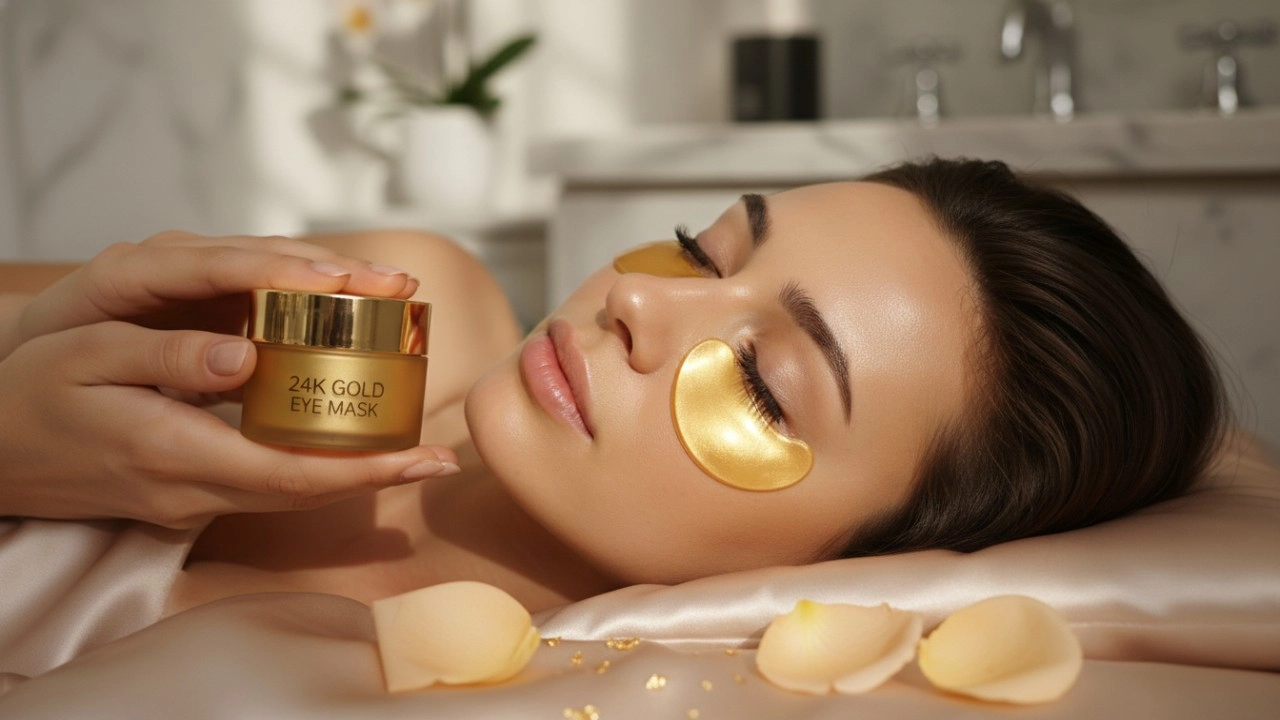
24k Gold Eye Mask Guide 2026: Science-Backed Benefits & Expert Hacks for Ageless Skin
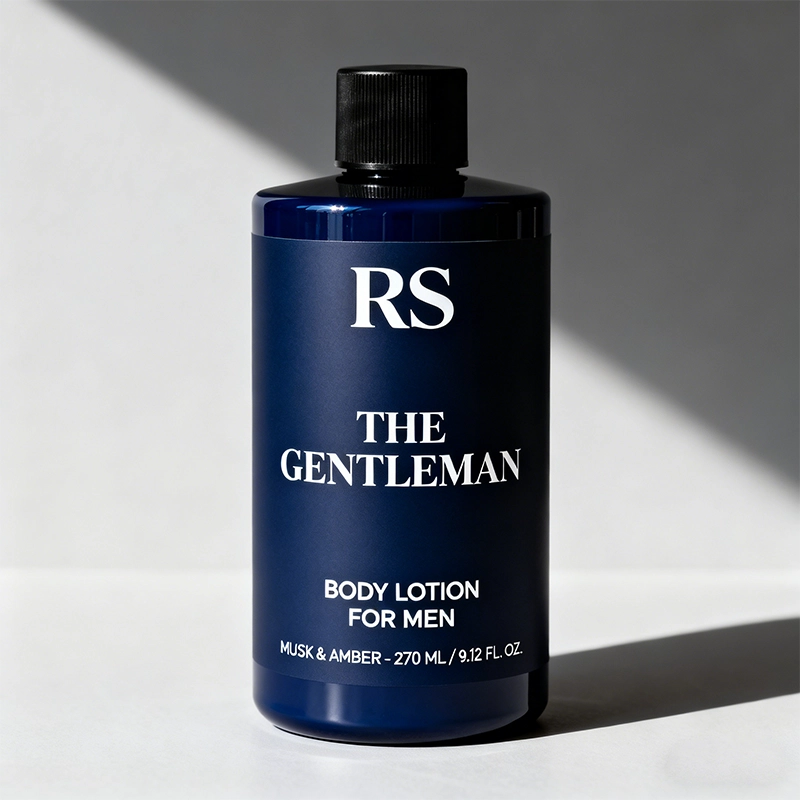
Best Fragrance-Free Lotions for Sensitive Men

Quality Control Checklist for Private Label Argan Oil (Fine Hair)
Packaging and Labeling Tips for Private Label Argan Oil
Face Toner
What does toner do?
It acts as a primer for the rest of your skincare routine, removes final traces of impurities, and provides targeted benefits.
Body Lotion
General MOQ for the body lotion ?
Usually we will ask for 1000 units.
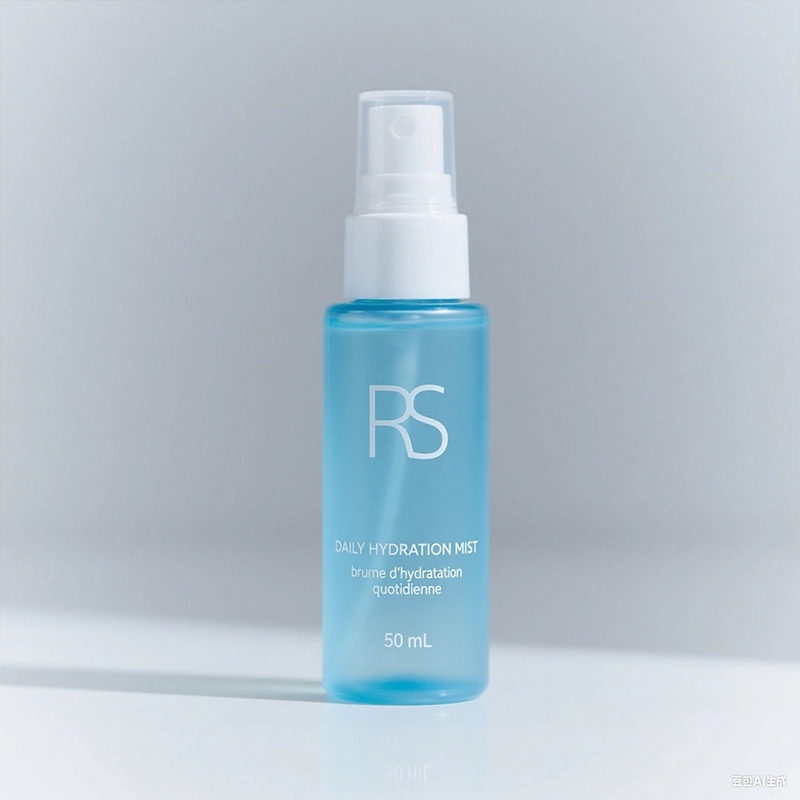
Face Mist
Can it be used over makeup without smudging?
Yes, it can.
Hair Mask
What are your MOQ for hair masks?
Usually we ask for 1000 units.
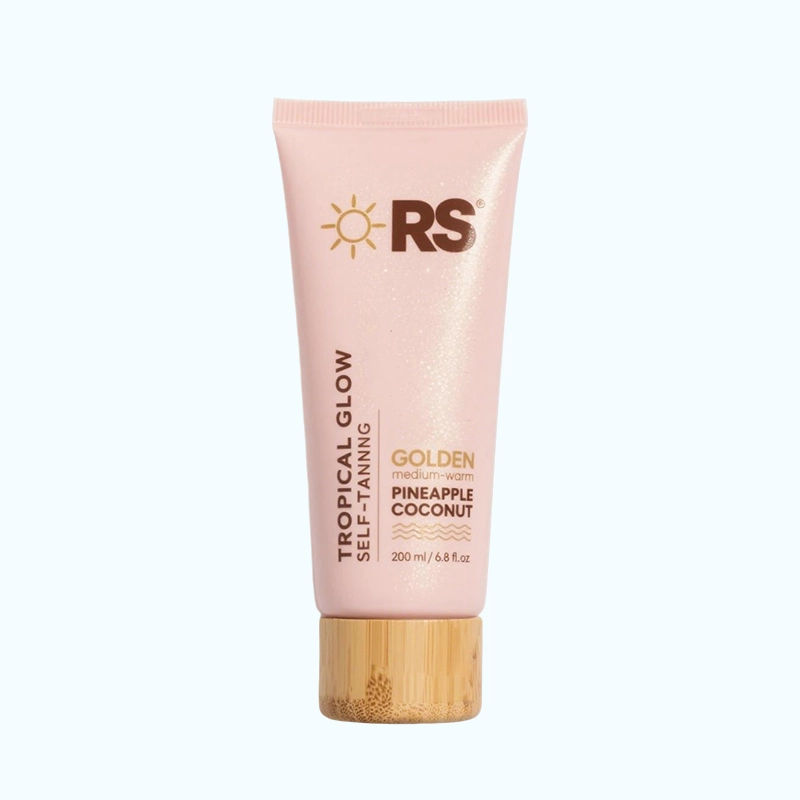
Beauty Tanning
How do you avoid an orange hue?
We balance the pH value to 4-6 to avoid orange color.

Get more information
If you have any comments or good suggestions, please leave us a message; later our professional staff will contact you as soon as possible.
Rysun Biotechnology--Unremittingly strive for human health and beauty
Contact RYSUN
Email: k.lee@rysunoem.com
WhatsApp: +86 156 0306 9138
Address: No. 62 Nanxiang First Road, Science Town of Guangzhou Developed Zone, Huangpu, Guangzhou, China.
© 2025 RYSUN. All Rights Reserved. Privacy Policy | Terms and Conditions | Sitemap
Facebook
Instagram