


Quality Testing and Shelf Life for Argan Hair Oil
- Why Quality Testing Matters for Argan Hair Oil
- Health and Safety: preventing rancidity and contamination
- Performance: preserving sensorial properties and efficacy
- Key Quality Tests for Cold-Pressed Argan Oil
- Chemical and oxidative stability testing
- Analytical profiling: identity and purity
- Microbiological testing
- Stability Studies: Real-Time and Accelerated Approaches
- Real-time stability
- Accelerated stability and extrapolation
- Typical test matrix and pass criteria (example)
- Packaging, Antioxidants, and Storage — Practical Controls
- Packaging choices to preserve quality
- Role of Vitamin E and other antioxidants
- Recommended storage and temperature control
- Regulatory and Good Manufacturing Practices (GMP)
- Cosmetic regulations and labeling
- Documentation and batch release
- Claims, advertising, and substantiation
- Private Label Considerations: Bringing Private Label Argan Oil to Market
- MOQ, sourcing, and supplier qualification
- Speed to market vs. shelf-life assurance
- Quality control checkpoints
- Quick Reference: Typical Shelf-Life Expectations and Actions
- Frequently Asked Questions (FAQ)
- How long will a cold-pressed argan hair oil last once opened?
- What are the main signs that argan oil has gone bad?
- Can I rely on accelerated testing alone to set a shelf-life?
- Is pure argan oil microbiologically safe without preservatives?
- How does packaging affect the shelf life?
- References and Further Reading

Quality testing and robust shelf-life determination are essential for any hair oil for dry hair, especially a cold-pressed formulation like Private Label Argan Oil. Proper analytical, microbiological, sensory, and accelerated/realtime stability testing — combined with correct packaging, antioxidants (such as Vitamin E), and Good Manufacturing Practices — ensure the product remains safe, effective, and desirable throughout its labeled life. Below we detail testing protocols, pass/fail criteria, practical shelf-life planning, and regulatory considerations for launching a private label argan hair oil.
Why Quality Testing Matters for Argan Hair Oil
Health and Safety: preventing rancidity and contamination
Argan oil is rich in unsaturated fatty acids and micronutrients that deliver moisturizing benefits for dry hair, but these same components can oxidize or support microbial growth if not properly handled. Rancid oils produce off-odors and degraded activity and can irritate the scalp. Microbiological contamination (bacteria, yeasts, molds) presents safety risk, so microbiological limits and preservative strategies must be defined and verified before market release. Regulatory bodies like the U.S. FDA provide guidance on cosmetic safety obligations.
Performance: preserving sensorial properties and efficacy
Consumers buy a hair oil for dry hair to gain detangling, frizz control, and smoothness without greasiness. Quality testing ensures that sensory attributes (color, odor, viscosity, spreadability) and functional outcomes (cuticle smoothing, shine retention) remain consistent over time. Objective tests such as viscosity measurements, refractive index, and targeted efficacy assays are standard in product release and stability monitoring.
Key Quality Tests for Cold-Pressed Argan Oil
Chemical and oxidative stability testing
Oxidation is the primary degradation pathway for botanical oils. Common chemical tests include peroxide value (PV), p-anisidine value (p-AV), and total oxidation value (TOTOX = 2*PV + p-AV). Free fatty acid (FFA) content and iodine value are also useful to monitor hydrolysis and unsaturation changes. For a product containing Vitamin E (tocopherol), track residual antioxidant levels to predict protection over time.
Analytical profiling: identity and purity
Gas chromatography–mass spectrometry (GC-MS) or GC-FID is used to profile fatty acid composition and confirm argan oil authenticity. Adulteration with cheaper oils is a market risk; chromatographic profiling and sterol markers help verify purity. Fourier-transform infrared spectroscopy (FTIR) and refractive index can be quick identity checks during incoming material inspection.
Microbiological testing
Although pure oil has low water activity and is less permissive to microbial growth, finished hair oil formulas may include botanicals or emulsifiers that introduce water or support microbial survival. Standard tests include total aerobic microbial count (TAMC), total yeast and mold count (TYMC), and absence of pathogenic organisms (Staphylococcus aureus, Pseudomonas aeruginosa, Salmonella spp.). Use accredited methods consistent with industry guidance such as Cosmetics Europe.
Stability Studies: Real-Time and Accelerated Approaches
Real-time stability
Real-time (long-term) stability testing stores products at recommended storage conditions (commonly 25°C/60% RH for cosmetics) for the intended shelf life (e.g., 24 or 36 months) and periodically assesses key attributes (PV, p-AV, color, odor, viscosity, microbial status). This provides the most reliable shelf-life data but requires time that may slow speed-to-market.
Accelerated stability and extrapolation
Accelerated stability tests expose product to elevated temperatures (e.g., 40°C or 45°C) and/or light to hasten degradation, allowing quicker predictions. While accelerated tests help screen formulations and packaging, extrapolation to real-time shelf life must be validated with supporting real-time data. Common accelerated protocols include 3–6 month studies at 40°C and light exposure per ICH Q1B principles adapted for cosmetics.
Typical test matrix and pass criteria (example)
| Test | Method / Frequency | Acceptable Limit (Example) |
|---|---|---|
| Peroxide value (PV) | AOAC / EN method; baseline, 1, 3, 6, 12 months | < 10 meq O2/kg (product dependent) |
| p-Anisidine value (p-AV) | Specific colorimetric assay; same schedule | Product-specific threshold |
| Microbial counts (TAMC / TYMC) | Weekly for pilot; baseline, 3, 6, 12 months | TAMC <100 CFU/g; TYMC <10 CFU/g; absence of pathogens |
| Sensory and odor panel | Baseline, 3, 6, 12 months | No unacceptable off-odors or color change |
Packaging, Antioxidants, and Storage — Practical Controls
Packaging choices to preserve quality
Light, oxygen, and heat accelerate oxidation. Choose opaque or UV-blocking containers (amber glass, metallized PET) and options with minimal headspace. Airless pump dispensers reduce oxygen ingress compared with open-mouth jars. For private label brands, ensure compatibility testing between argan oil and container materials to avoid leaching or interaction.
Role of Vitamin E and other antioxidants
Vitamin E (tocopherol) is commonly added to botanical oils as an antioxidant to slow oxidative rancidity. In Private Label Argan Oil, Vitamin E helps maintain the oil's sensory and functional properties. Antioxidant selection and dosage should be validated in stability studies because excessive antioxidants can affect odor or color; combinations (tocopherols with rosemary extract or ascorbyl palmitate) are sometimes used for synergy.
Recommended storage and temperature control
Advise distributors and retailers to store argan hair oil away from direct sunlight and heat sources. For finished goods, typical recommended storage is 5–25°C. During transport, avoid temperature excursions; cold or heat extremes can accelerate separation or oxidation. Cold-pressed oils should not be repeatedly heated or chilled, as that can induce condensation and potential microbial risk in formulas with additives.
Regulatory and Good Manufacturing Practices (GMP)
Cosmetic regulations and labeling
Cosmetic companies must ensure safety, truthful labeling, and good manufacturing practices. The U.S. FDA provides cosmetic regulations; for manufacturing guidelines consider ISO 22716 (Cosmetics — Good Manufacturing Practices). These frameworks guide raw material control, testing, batch records, and stability data requirements for shelf-life claims.
Documentation and batch release
Establishing a release specification document for each lot is critical. Typical release tests for a private label argan oil include identity (GC profile), peroxide value, viscosity, water content (Karl Fischer, if applicable), and microbial status. Batch record retention and Certificates of Analysis (COAs) for raw argan oil should be traceable back to supplier harvest and processing data to support claims like “cold-pressed” or “pure.”
Claims, advertising, and substantiation
Claims like suitable as a hair oil for dry hair or cold-pressed must be substantiated by formulation and production records. Efficacy claims (e.g., reduces frizz or improves shine) should be supported by consumer or instrumental studies. Be mindful of local advertising standards; some markets have specific restrictions on clinical claims for cosmetics.
Private Label Considerations: Bringing Private Label Argan Oil to Market
MOQ, sourcing, and supplier qualification
For Private Label Argan Oil, MOQ is 1000 units. Source certified cold-pressed argan oil from suppliers with traceability documentation and COAs for each harvest. Evaluate supplier audit records, pesticide residues, heavy metals testing, and adulteration screens to ensure supply stability and compliance.
Speed to market vs. shelf-life assurance
Accelerated testing can shorten initial timelines, but a defensible shelf-life claim requires some real-time data. A common industry approach: run accelerated testing (3–6 months) for initial release and continue real-time stability in parallel; update packaging or labeling if real-time data suggests a shorter shelf life than initially projected.
Quality control checkpoints
Implement incoming material checks (identity, PV, FFA), in-process monitoring (fill weight, headspace), and finished product release testing. Keep an ongoing stability program for each production batch to monitor drift in key markers like PV and antioxidant levels over the labeled shelf life.
Quick Reference: Typical Shelf-Life Expectations and Actions
| Product Type | Typical Labeled Shelf Life | Key Controls |
|---|---|---|
| Cold-pressed pure argan oil in amber glass | 24–36 months (with antioxidant) | Vitamin E, oxygen-minimizing fill, COA, PV monitoring |
| Argan hair oil with added botanicals/water phase | 12–24 months (depends on preservation) | Preservative system validation, microbial testing |
Frequently Asked Questions (FAQ)
How long will a cold-pressed argan hair oil last once opened?
Once opened, a well-formulated cold-pressed argan oil with Vitamin E and proper packaging typically remains satisfactory for 12–24 months under normal home use. Look for changes in smell, color, or texture. If the oil smells sharply off or rancid, discontinue use.
What are the main signs that argan oil has gone bad?
Rancid, sharp, or papier-like odors; pronounced color darkening; sticky/uneven texture; and reduced efficacy in smoothing hair are common signs. Chemical markers like elevated peroxide value and p-anisidine can objectively indicate oxidation.
Can I rely on accelerated testing alone to set a shelf-life?
No. Accelerated testing is useful for screening but should be supported by at least some real-time stability data to validate the extrapolation. Best practice is to use accelerated studies for early release while collecting ongoing real-time data.
Is pure argan oil microbiologically safe without preservatives?
Pure, water-free argan oil has low water activity and is inherently less prone to microbial growth, but finished formulas that include other ingredients or emulsified phases require validated preservation systems and routine microbiological monitoring.
How does packaging affect the shelf life?
Packaging that limits light and oxygen exposure — e.g., amber glass, airless pumps, and reduced headspace — significantly improves shelf life. Compatibility testing is recommended to ensure the oil does not extract plasticizers or otherwise interact with the container.
References and Further Reading
- Argan oil — Wikipedia (overview of composition and traditional uses)
- U.S. Food & Drug Administration — Cosmetics (regulatory guidance)
- ISO 22716 — Cosmetics — Good Manufacturing Practices (GMP guidance for cosmetics)
- Cosmetics Europe (industry guidance on safety and preservation)
Want to evaluate a ready-made private label solution? Private Label Argan Oil is a cold-pressed argan oil formula enhanced with Vitamin E to prevent oxidation — a lightweight, non-greasy hair oil that tames frizz and nourishes dry hair. MOQ is 1000 units. Contact our sales team to request stability data, COAs, and packaging samples, or view the product details and private label options today.
Contact us: For pricing, stability reports, or sample requests, please contact our customer service or request a product brochure via our sales portal.
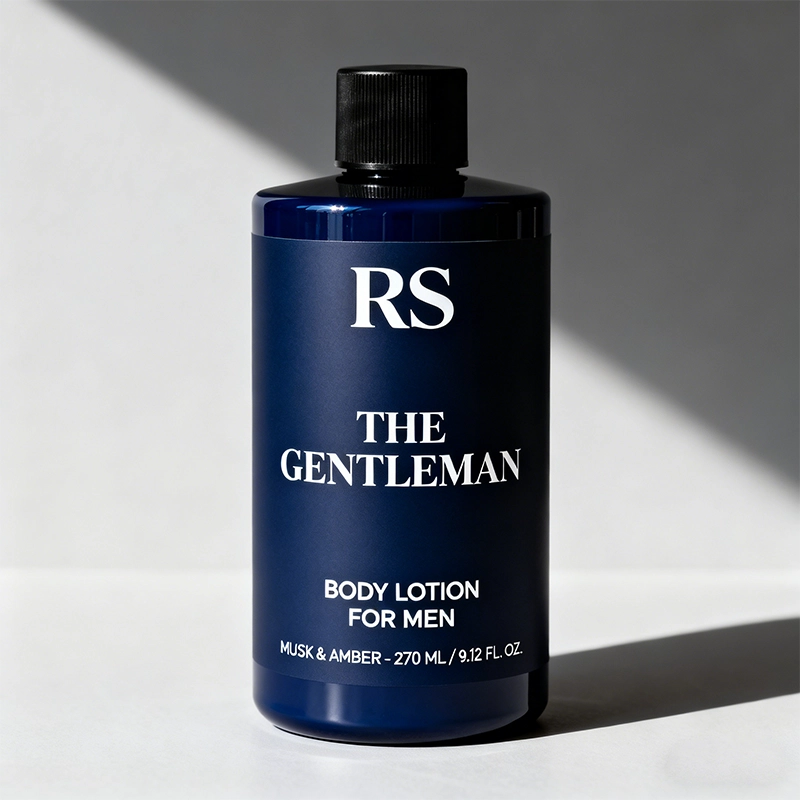
Best Anti-Aging Body Lotions for Men
Ingredients to Look for in Men's Body Lotion
Best Non-Greasy Lotions for Men's Daily Use
DIY Gentle Makeup Remover Recipes with Natural Oils
Face Mist
Is a face mist a common product?
Honestly, it is not, the searching is much less than other skincare products, but it is very good for skin moisturizing when you are outside.
Hair Shampoo
What is your lead time?
Usually it will need around 25 to 30 days for us to get the order ready.
Facial Mask
What is the MOQ for our Facial mask?
Usually we ask for at least 10000 sheets for one design, but price for 30000 sheets will much lower. For clay mask, it is 1000 units.
Makeup Remover
Should I wash my face after using a makeup remover?
Yes, you should do that. Makeup remover just breaks down makeup; the residue will still cover your face. Regular face cleaning helps to wash it away. It is better to use a face cleanser even after you use a cleansing pad.
FAQs
How do you protect customers’?
We is able to sign Non-Disclosure Agreements.


Get more information
If you have any comments or good suggestions, please leave us a message; later our professional staff will contact you as soon as possible.
Rysun Biotechnology--Unremittingly strive for human health and beauty
Contact RYSUN
Email: k.lee@rysunoem.com
WhatsApp: +86 156 0306 9138
Address: No. 62 Nanxiang First Road, Science Town of Guangzhou Developed Zone, Huangpu, Guangzhou, China.
© 2025 RYSUN. All Rights Reserved. Privacy Policy | Terms and Conditions | Sitemap
Facebook
Instagram