



What are common regulatory issues for vanilla body oil?
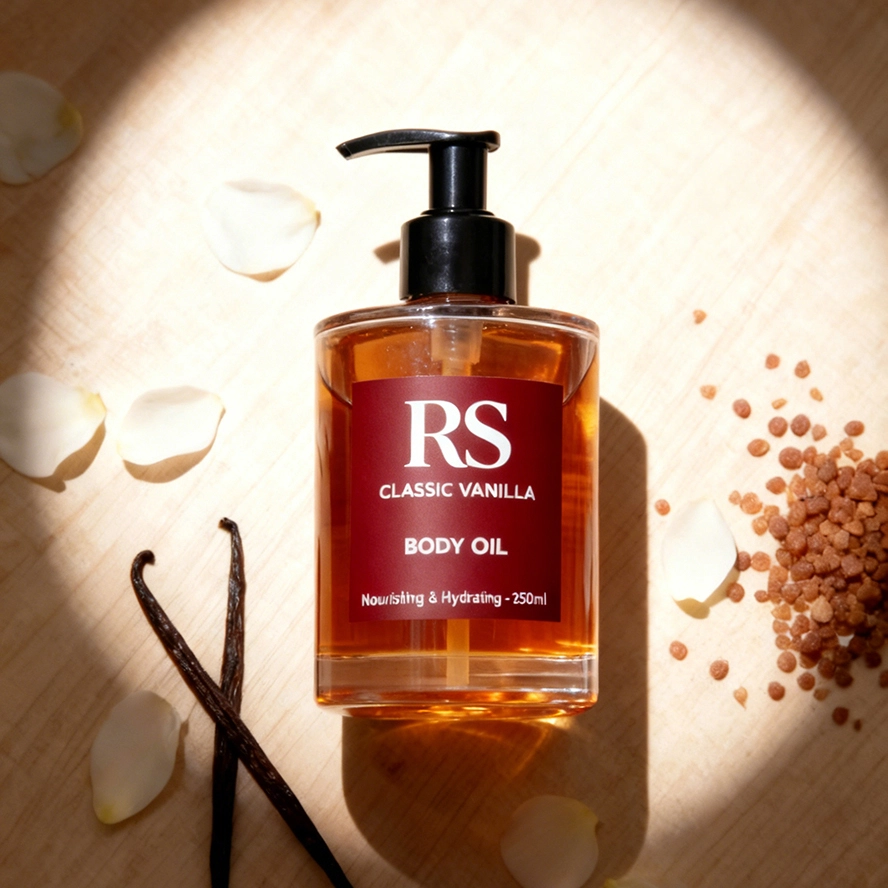
Vanilla body oil is a cherished ingredient in the skin care industry, renowned for its moisturizing and antioxidant properties. However, when procuring vanilla body oil, it's crucial to address several key considerations to ensure product quality, safety, and regulatory compliance.
1. Product Classification: Cosmetic or Drug?
Determining whether your vanilla body oil is classified as a cosmetic or a drug is essential. In most jurisdictions, a body oil used for moisturizing and sensory benefits is regulated as a cosmetic. However, if claims such as repairing skin structure, healing, or treating a medical condition are made, regulators may classify it as a drug or medicinal product, which triggers different approvals and clinical requirements. ((https://www.rysunoem.com/article/regulatory-checklist-private-label-vanilla-body-oil.html))
2. Ingredient Assessment: Vanilla Oil and Meadowfoam Seed Oil
Vanilla oil and meadowfoam seed oil are key ingredients in your formula. Treat vanilla as a bioactive ingredient—this means performing a focused safety and purity assessment:
Source and Botanical Identification: Confirm species and extract method (e.g., Vanilla planifolia extract, CO₂ or solvent extraction).
Contaminant Testing: Check for pesticide residues, heavy metals, and mycotoxins (vanilla beans can carry agricultural residues).
Allergen and Sensitization Risk: Quantify fragrance allergens or reactive constituents and include them on the label if required (EU Annex III rules).
Stability and Oxidation: Vanilla volatiles are volatile; meadowfoam seed oil provides oxidative stability, but measure peroxide value, anisidine, and conduct accelerated stability to set shelf life. ((https://www.rysunoem.com/article/regulatory-checklist-private-label-vanilla-body-oil.html))
3. Mandatory Safety and Technical Documentation
Most markets require a product safety dossier. For cosmetics, the typical documentation set includes:
Cosmetic Product Safety Report (CPSR): Prepared by a qualified safety assessor.
Product Information File (PIF): Containing formulation, manufacturing method, safety data, stability results, and labeling text.
Material Safety Data Sheets (SDS): For ingredients where applicable and Certificates of Analysis (COAs) from suppliers.
Microbiological and Stability Test Reports: And if claiming antimicrobial benefits, supporting efficacy data. ((https://www.rysunoem.com/article/regulatory-checklist-private-label-vanilla-body-oil.html))
4. Testing Checklist for Vanilla Body Oil
Testing demonstrates stability, safety, and claim support. Below is a recommended testing matrix:
| Test | Purpose | Suggested Standard / Notes |
|---|---|---|
| Accelerated Stability | Predict shelf life; check color, odor, phase separation | 40°C/75% RH for 3 months; real-time stability for shelf life |
| Oxidative Stability (peroxide, anisidine) | Measure rancidity and lipid oxidation | Peroxide value, anisidine value, Rancimat if available |
| Microbial Limits / Challenge | Ensure microbiological safety; required if water in formula | ISO 21149 / ISO 16212; ISO 11930 for preservatives |
| Heavy Metals (Pb, As, Cd, Hg) | Consumer safety and regulatory limits | ICP-MS or equivalent |
| Pesticide Residues | Botanical safety (vanilla beans can have residues) | GC-MS / LC-MS screening |
| Fragrance/Volatile Profile (GC-MS) | Confirm vanilla volatiles, support IFRA calculations | GC-MS batch profile |
| Sensitization / Irritation (patch testing) | Human repeat insult patch test (HRIPT) or clinical irritancy | Consider for luxury claims and marketing risk reduction |
| Claim Support (instrumental) | Substantiate moisturizing or skin barrier benefits | TEWL, corneometry, clinical trial design |
((https://www.rysunoem.com/article/regulatory-checklist-private-label-vanilla-body-oil.html))
5. Regulatory Compliance in Vanilla Extract Skincare
The skincare industry has witnessed a significant surge in the popularity of natural ingredients, with vanilla extract being one of the most sought-after components due to its antioxidant and soothing properties. However, as the demand for vanilla extract in skincare products grows, so does the complexity of regulatory compliance. Ensuring that products containing vanilla extract meet the necessary safety and efficacy standards is crucial for manufacturers.
6. Allergen Disclosure and Sensitization Risks
Vanilla essential oil, while beneficial, can be quite potent and may cause irritation, especially in individuals with sensitive skin. Common symptoms of an allergic reaction include redness, itching, and swelling, which can deter consumers from using the product. To address these issues, it is essential for business buyers to source high-quality vanilla oils that have been properly diluted and tested for safety. Additionally, providing clear usage instructions and highlighting any potential allergens on the product label can help to mitigate the risk of adverse reactions.
7. Pesticide Residue Concerns
Some studies found a pesticide called quintozene in the vanilla fruit, Vanilla planifolia. This means there could be a safety question for vanilla ingredients used in baby skincare. The data are not complete, so it is not clear how much of this chemical ends up in the final vanilla oleoresin. It is mentioned by some sources that this pesticide may not be on danger lists, but the overall data are limited. This makes it hard to be sure about what it means for babies.
8. Fragrance Ingredient Disclosure
“Fragrance” is either made from petroleum (synthetic fragrances) or botanical raw materials (natural fragrance) or both. It can also contain ingredients like solvents, stabilizers, UV absorbers, preservatives, phthalates, and dyes. These types of chemicals vary in toxicity. But there is lots of mystery surrounding “fragrance” in personal care products. Companies that make perfume buy chemicals from other companies called “fragrance houses.” This means it is possible for a brand to not even know the fragrance chemicals inside their own product. However, as companies and states are moving toward fragrance ingredient disclosure, this is slowly starting to change.
Conclusion: RYSUN's Commitment to Quality and Compliance
RYSUN is dedicated to providing high-quality vanilla body oil products that adhere to all regulatory standards. Our commitment includes thorough ingredient assessments, comprehensive safety documentation, and transparent labeling practices. By choosing RYSUN, you ensure that your skin care products are both effective and compliant with industry regulations.
((https://www.rysunoem.com/article/regulatory-checklist-private-label-vanilla-body-oil.html))
Related articles
Get more information
If you have any comments or good suggestions, please leave us a message; later our professional staff will contact you as soon as possible.
Rysun Biotechnology--Unremittingly strive for human health and beauty
Contact RYSUN
Email: k.lee@rysunoem.com
WhatsApp: +86 156 0306 9138
Address: No. 62 Nanxiang First Road, Science Town of Guangzhou Developed Zone, Huangpu, Guangzhou, China.
© 2025 RYSUN. All Rights Reserved. Privacy Policy | Terms and Conditions | Sitemap
Facebook
Instagram