



Regulatory Checklist for Private Label Vanilla Body Oil
- Regulatory Checklist for Private Label Vanilla Body Oil
- Why regulatory compliance matters for your Private Label Vanilla Body Oil
- Product identity and classification: is your vanilla body oil a cosmetic or a drug?
- Ingredient assessment: vanilla oil and Meadowfoam Seed Oil considerations
- Mandatory safety and technical documentation for vanilla body oil
- Testing checklist for Private Label Vanilla Body Oil
- Labeling requirements and ingredient declaration for vanilla body oil
- Claims, marketing language, and the risk of functional claims
- Market-specific regulatory steps: quick comparison
- Good Manufacturing Practices (GMP) and supplier controls
- Packaging compatibility, shelf life, and preservative strategy
- Documentation and record-keeping: what to keep in the PIF
- Launch timeline and practical checklist for Private Label Vanilla Body Oil
- Brand advantages and why our Private Label Vanilla Body Oil stands out
- FAQ — Frequently Asked Questions about Private Label Vanilla Body Oil regulatory compliance
- Contact us / View product
- Authoritative references and further reading
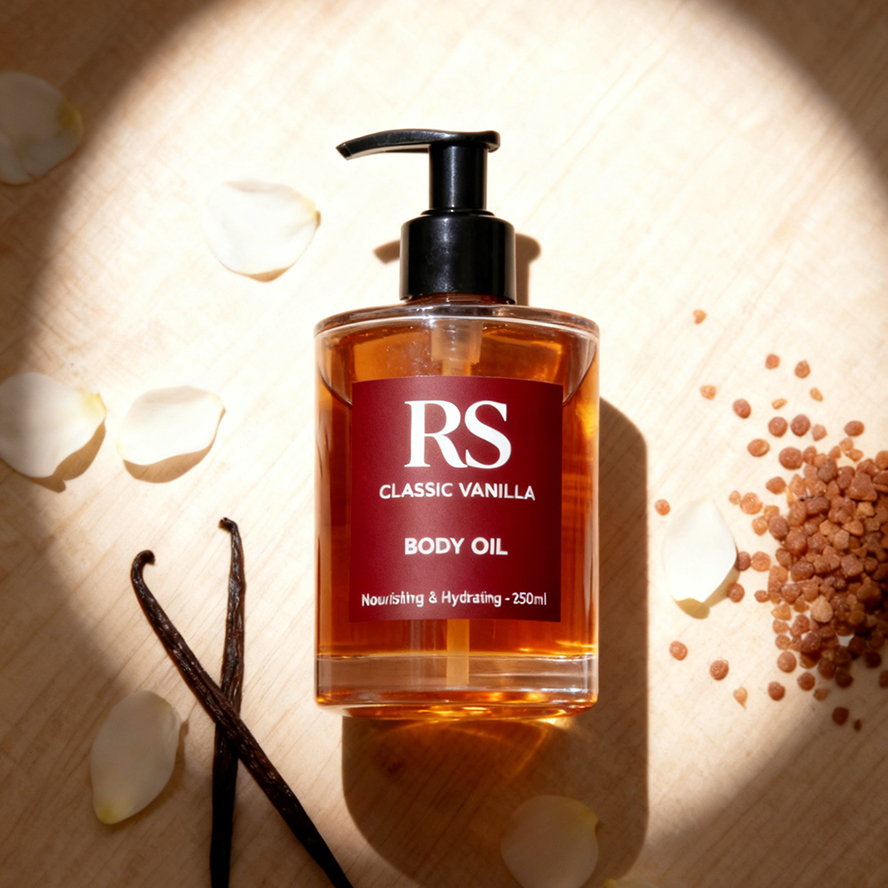
Regulatory Checklist for Private Label Vanilla Body Oil
Why regulatory compliance matters for your Private Label Vanilla Body Oil
Launching a High Quality Private Label Vanilla Body Oil requires more than an attractive scent and upscale packaging. Regulators worldwide evaluate cosmetics for consumer safety, truthful labeling, allergen disclosure, and appropriate marketing claims. Noncompliance can lead to import holds, fines, forced recalls, or reputational damage. This checklist focuses on the practical regulatory steps and tests you should complete before you market a vanilla body oil that treats vanilla as a bioactive ingredient, not merely a perfume.
Product identity and classification: is your vanilla body oil a cosmetic or a drug?
Before you proceed, determine the product classification. In most jurisdictions, a body oil used for moisturizing and sensory benefits is regulated as a cosmetic. However, if you make claims such as repairs skin structure, heals, or treats a medical condition, regulators may classify it as a drug or medicinal product, which triggers different approvals and clinical requirements.
For Private Label Vanilla Body Oil, avoid therapeutic claims unless you have clinical evidence and are prepared for pharmaceutical-style regulatory pathways. Instead, use substantiated cosmetic claims (e.g., moisturizes, antioxidant-rich) and maintain documentation that supports those claims.
Ingredient assessment: vanilla oil and Meadowfoam Seed Oil considerations
Vanilla oil (and its major component vanillin) and meadowfoam seed oil are key ingredients in your formula. Treat vanilla as a bioactive ingredient — that means performing a focused safety and purity assessment:
- Source and botanical identification: confirm species and extract method (e.g., Vanilla planifolia extract, CO2 or solvent extraction).
- Contaminant testing: check for pesticide residues, heavy metals, and mycotoxins (vanilla beans can carry agricultural residues).
- Allergen and sensitization risk: quantify fragrance allergens or reactive constituents and include them on the label if required (EU Annex III rules).
- Stability and oxidation: vanilla volatiles are volatile; Meadowfoam Seed Oil provides oxidative stability, but measure peroxide value, anisidine, and conduct accelerated stability to set shelf life.
Maintain Certificates of Analysis (COAs) and supplier declarations for each raw material.
Mandatory safety and technical documentation for vanilla body oil
Most markets require a product safety dossier. For cosmetics the typical documentation set includes:
- Cosmetic Product Safety Report (CPSR) or equivalent prepared by a qualified safety assessor.
- Product Information File (PIF) containing formulation, manufacturing method, safety data, stability results, and labeling text.
- Material safety data sheets (SDS) for ingredients where applicable and COAs from suppliers.
- Microbiological and stability test reports, and if claiming antimicrobial benefits, supporting efficacy data.
Testing checklist for Private Label Vanilla Body Oil
Testing demonstrates stability, safety, and claim support. Below is a recommended testing matrix:
| Test | Purpose | Suggested Standard / Notes |
|---|---|---|
| Accelerated stability | Predict shelf life; check color, odor, phase separation | 40°C/75% RH for 3 months; real-time stability for shelf life |
| Oxidative stability (peroxide, anisidine) | Measure rancidity and lipid oxidation | Peroxide value, anisidine value, Rancimat if available |
| Microbial limits / challenge | Ensure microbiological safety; required if water in formula | ISO 21149 / ISO 16212; ISO 11930 for preservatives |
| Heavy metals (Pb, As, Cd, Hg) | Consumer safety and regulatory limits | ICP-MS or equivalent |
| Pesticide residues | Botanical safety (vanilla beans can have residues) | GC-MS / LC-MS screening |
| Fragrance/volatile profile (GC-MS) | Confirm vanilla volatiles, support IFRA calculations | GC-MS batch profile |
| Sensitization / irritation (patch testing) | Human repeat insult patch test (HRIPT) or clinical irritancy | Consider for luxury claims and marketing risk reduction |
| Claim support (instrumental) | Substantiate moisturizing or skin barrier benefits | TEWL, corneometry, clinical trial design |
Labeling requirements and ingredient declaration for vanilla body oil
Labeling rules vary by market, but common requirements include:
- INCI ingredient list in descending order by weight.
- Net quantity (weight or volume), country of origin where required, and manufacturer/distributor contact details.
- Batch code / lot number and nominal shelf life. If shelf life after opening (PAO) is claimed, include the open-jar symbol and months (e.g., 12M).
- Safety warnings and directions for use (e.g., avoid contact with eyes; for external use only).
- Fragrance allergens labeling where required (EU Annex III list) and any claim-triggered statements.
Ensure label review by a regulatory professional in each target market prior to print approval.
Claims, marketing language, and the risk of functional claims
Because your formulation treats vanilla as a bioactive ingredient (antioxidant, anti-inflammatory), you must carefully word any claims. General cosmetic claims like helps nourish and protect skin or antioxidant-rich are acceptable if supported by data.
Avoid explicit medical/therapeutic claims (repairs skin structure, treats eczema) unless you have appropriate clinical and regulatory pathways in place. If you intend to use stronger claims, engage a regulatory strategist early to plan required studies and dossier submissions.
Market-specific regulatory steps: quick comparison
Below is an overview of common regulatory/notification expectations in major markets. This is a high-level summary; regional nuances and updates apply.
| Market | Key Steps | Notes |
|---|---|---|
| European Union | Prepare PIF, CPSR, notify product via CPNP | Responsible Person required; list of allergens must be labeled |
| United States | No pre-market registration; ensure safety, truthful claims | FDA monitors cosmetics; cosmetics with drug claims require approval |
| Canada | Notify via Cosmetic Notification Form to Health Canada | SDS, labeling in English/French; regulations under Health Canada |
| China | Registration with NMPA (special procedures exist for imported cosmetics) | Requirements have evolved; animal testing may be required for some imports |
| Australia | Check AICIS and NICNAS legacy rules; follow industrial chemical notifications | Rules depend on ingredient status; consult AICIS |
Good Manufacturing Practices (GMP) and supplier controls
Adopt cosmetic GMP (ISO 22716) for manufacturing, packaging, and storage. Key elements include:
- Documented procedures (SOPs) for batch records, quality control, and deviation handling.
- Supplier qualification and audit trail for vanilla oil and carrier oils.
- In-process controls: fill-weight checks, particulate control, and environment monitoring where necessary.
- Traceability systems so you can identify every finished good lot back to raw material COAs.
Packaging compatibility, shelf life, and preservative strategy
Because this product is an anhydrous (oil-based) formula with Meadowfoam Seed Oil acting as a natural fixative, water-based microbial risks are lower. However, packaging that prevents oxygen ingress is crucial to maintain fragrance stability and prevent oxidation. Consider:
- Opaque or UV-resistant bottles to protect volatiles.
- Airless or tight-closure caps to reduce oxidation and contamination.
- Compatibility assessment between fragrance components and container materials.
Documentation and record-keeping: what to keep in the PIF
Your Product Information File should include:
- Full qualitative and quantitative formulation (INCI and percentages).
- Manufacturing method and GMP evidence.
- Safety assessment (CPSR) and toxicological profile of ingredients.
- Stability, microbiology, and analytical test reports.
- Label artwork and claims substantiation documents.
Launch timeline and practical checklist for Private Label Vanilla Body Oil
A realistic pre-launch timeline for a private label product that includes regulatory work is 10–16 weeks (faster if documentation and testing are already in place):
- Week 1–2: Finalize formula and supplier COAs; confirm MOQ (1000 units) and packaging specs.
- Week 2–6: Conduct stability and oxidative testing (accelerated) and GC-MS fragrance profiling.
- Week 4–8: Prepare CPSR/PIF, labeling text, and perform any necessary patch testing.
- Week 6–10: Approve packaging and print labels; finalize batch production date.
- Week 8–12: Manufacture first production run, QC release testing, and generate batch records.
- Week 10–16: Complete market notifications (e.g., CPNP) and distribute to market channels.
Brand advantages and why our Private Label Vanilla Body Oil stands out
Our Private Label Vanilla Body Oil combines sensory luxury with technical performance. Key differentiators:
- Vanilla treated as a bioactive: we select vanilla oil for its antioxidant and anti-inflammatory properties and test raw material quality to minimize contaminants and maximize efficacy.
- High-stability carrier: Meadowfoam Seed Oil provides exceptional oxidative stability, acts as a natural fixative that preserves vanilla volatiles, and enhances product shelf life and scent longevity.
- GMP and regulatory-first approach: we prepare CPSRs, PIFs, and provide COAs and test data to support claims and market entry.
- Flexible private label support: MOQ 1000 units, with options for custom formulas and bespoke packaging solutions.
FAQ — Frequently Asked Questions about Private Label Vanilla Body Oil regulatory compliance
Q: What is the minimum order quantity (MOQ)?
A: The MOQ for Private Label Vanilla Body Oil is 1000 units. Custom formulations are available based on minimums agreed during project scoping.
Q: Do you provide the Product Information File and Cosmetic Product Safety Report?
A: Yes. For private label projects we provide the CPSR prepared by a qualified safety assessor and a PIF containing test reports and supporting documentation required for most markets such as the EU.
Q: Is animal testing required for exports to China?
A: China’s regulatory environment has evolved; some imported cosmetics still face pre-2021-style registration requirements that historically required animal testing. Recent updates enable more pathways without animal testing for certain products, but requirements vary. We recommend consulting a local regulatory expert for China export plans.
Q: Can I use the claim anti-inflammatory on the label?
A: Anti-inflammatory can be a borderline claim. If you present vanilla as having anti-inflammatory activity, you should have robust in vitro or clinical data to back it up and ensure it does not trigger a drug classification. Consider softer phrasing like soothing unless you have clinical substantiation.
Q: What tests are essential before manufacturing?
A: At minimum: accelerated stability, peroxide/anisidine values, GC-MS fragrance profile, heavy metals, pesticide screening for botanicals, and microbiological limits. If you will make skin benefit claims, plan for clinical or instrumental testing.
Q: How long does regulatory clearance typically take?
A: Time-to-market depends on target regions. For EU notification via CPNP it can be completed within days after documentation is ready. Testing programs usually drive timelines (4–12 weeks). Allow 10–16 weeks for end-to-end private label production and regulatory readiness.
Contact us / View product
With regulatory compliance in place, many brands strengthen their positioning by adopting sustainable sourcing strategies for vanilla body oil at scale.Ready to launch a luxurious, compliant Private Label Vanilla Body Oil? Contact our regulatory and private label team to request product specs, COAs, and sample testing data. Email: sales@example.com or request a quote via our product inquiry page: https://www.example.com/contact. We can provide formulation customization and guide you through market-specific regulatory steps.
Authoritative references and further reading
- European Cosmetics Regulation (EC) No 1223/2009: https://eur-lex.europa.eu/eli/reg/2009/1223/oj
- European Cosmetic Product Notification Portal (CPNP): https://ec.europa.eu/growth/sectors/cosmetics/cpnp_en
- U.S. Food & Drug Administration (FDA) — Cosmetics: https://www.fda.gov/cosmetics
- IFRA — International Fragrance Association: https://ifrafragrance.org/
- ISO 22716 — Cosmetics GMP (overview): https://www.iso.org/standard/36437.
- Health Canada — Cosmetics: https://www.canada.ca/en/health-canada/services/consumer-product-safety/cosmetics.
- National Medical Products Administration (NMPA), China: https://www.nmpa.gov.cn/
- AICIS (Australia) — Industrial Chemicals: https://www.industrialchemicals.gov.au/
- Vanillin (chemical & safety data) — PubChem: https://pubchem.ncbi.nlm.nih.gov/compound/Vanillin
- Meadowfoam (botanical overview) — Wikipedia: https://en.wikipedia.org/wiki/Meadowfoam
Best Face Wash for Dry Skin and Hydration

Quality Testing and Shelf Life for Argan Hair Oil
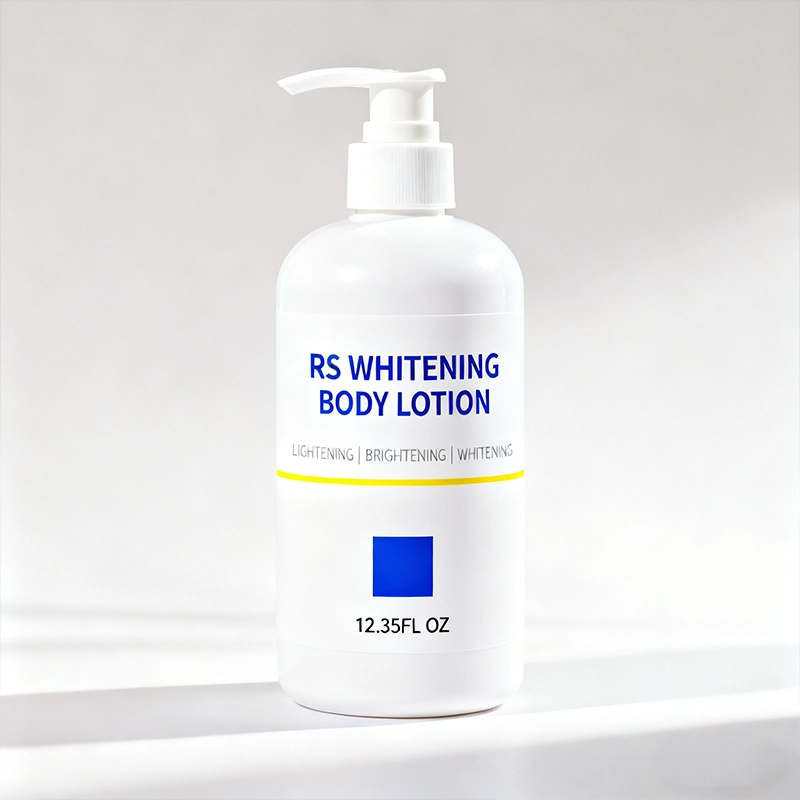
Top 10 Private Label Whitening Body Lotion Manufacturers
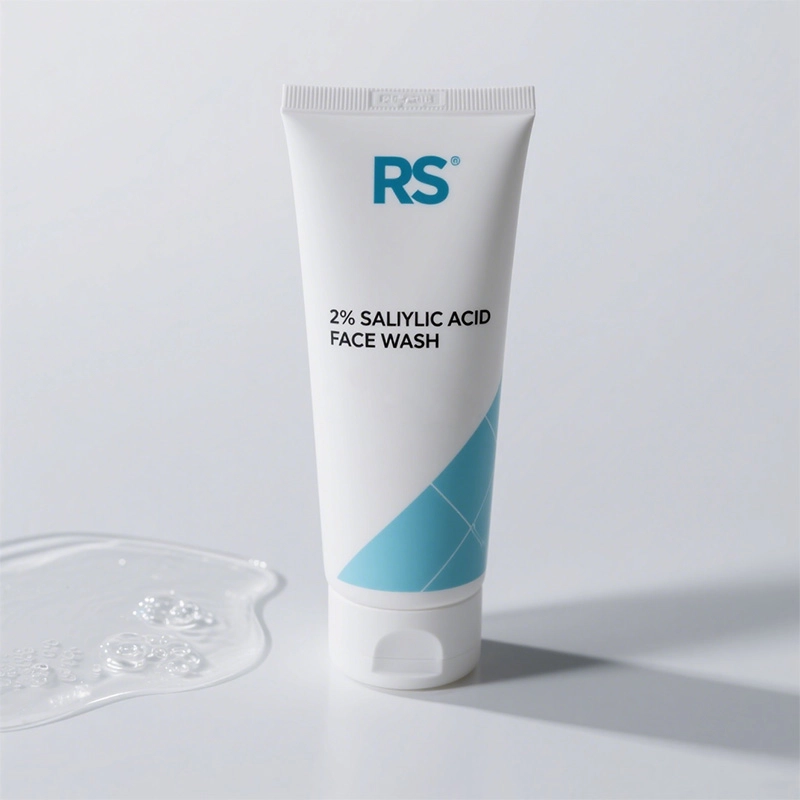
Private Label Salicylic Acid Face Wash vs Best Face Wash Options
FAQs
Do you settle supply chain management and logistics?
Yes, we have cooperative shipping agents that is able to deliver products worldwide and in different shipping terms like DDP and DDU.
At first, our professional staff will listen to your thoughts on the products or the project. What do you want? What is for? What do you want to achieve? etc. We want to know everything on your mind for this project; only with this will we understand better and make the product you want and make it a success.
What kind of certifications do you have?
Firstly we are a GMPC manufacturer that meets the standard worldwide. And we have ISO 9001, ISO 22716 certifications. Besides, our factory has passed US FDA audit, able to apply CPNP and CPSR.
Face Cream
How long does it take for the face cream to show visible results?
If your target audiences keep using our cream and have good sun protection, it usually takes around 3 weeks to see an obvious result.
Face Mist
Can it be used over makeup without smudging?
Yes, it can.
Hand & Foot Care
Can you formulate a hand cream that is also antibacterial?
We could add ingredients like Benzalkonium Chloride to achieve this.

Get more information
If you have any comments or good suggestions, please leave us a message; later our professional staff will contact you as soon as possible.
Rysun Biotechnology--Unremittingly strive for human health and beauty
Contact RYSUN
Email: k.lee@rysunoem.com
WhatsApp: +86 156 0306 9138
Address: No. 62 Nanxiang First Road, Science Town of Guangzhou Developed Zone, Huangpu, Guangzhou, China.
© 2025 RYSUN. All Rights Reserved. Privacy Policy | Terms and Conditions | Sitemap
Facebook
Instagram