



How to address allergen concerns in vanilla body oil?
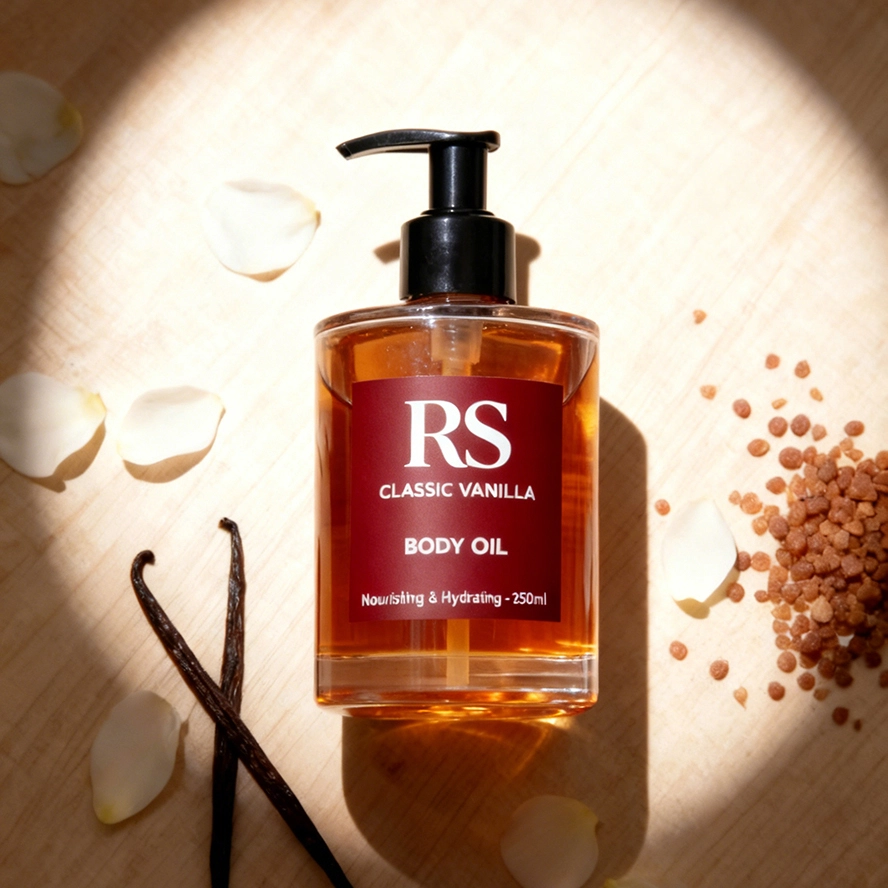
Vanilla body oil is a popular ingredient in skincare products, cherished for its soothing properties and delightful fragrance. However, it's essential to address potential allergen concerns to ensure product safety and consumer well-being.
Understanding Vanilla Body Oil and Its Allergen Risks
Vanilla body oil is derived from the beans of the vanilla orchid, primarily containing vanillin, the compound responsible for its characteristic aroma. While vanilla is generally safe, some individuals may experience allergic reactions, including skin irritation or respiratory issues. Notably, reactions are more likely to be delayed or Type IV hypersensitivity responses.
Common Allergens in Vanilla Body Oil
The primary allergen in vanilla body oil is vanillin. Additionally, certain fragrance components may be subject to International Fragrance Association (IFRA) restrictions, and some markets require disclosure of specific fragrance allergens when concentrations exceed threshold levels. ((https://www.rysunoem.com/article/vanilla-body-oil-compliance.html))
Symptoms of Vanilla Allergy
Individuals allergic to vanilla may experience:
Skin reactions such as hives, itching, or eczema.
Respiratory issues like nasal congestion, coughing, or wheezing.
In rare cases, severe reactions like anaphylaxis.
Preventing Allergic Reactions
To minimize the risk of allergic reactions to vanilla body oil:
Conduct Patch Tests: Before widespread use, apply a small amount of the product to a discreet skin area and monitor for adverse reactions over 24 hours.
Choose Natural Fragrances: Opt for products with natural vanilla extracts, as they may reduce the likelihood of irritation compared to synthetic fragrances.
Be Aware of Cross-Reactivity: Individuals allergic to balsam of Peru or other spices may experience similar reactions to vanilla.
Regulatory Compliance and Labeling
Manufacturers should adhere to regulatory standards by:
Accurate Ingredient Disclosure: Clearly list all ingredients, including any potential allergens, on product labels.
Complying with IFRA Guidelines: Ensure fragrance components meet IFRA standards and disclose allergens as required. ((https://www.rysunoem.com/article/vanilla-body-oil-compliance.html))
RYSUN's Commitment to Safety and Quality
RYSUN prioritizes consumer safety by adhering to stringent quality control measures, including:
Comprehensive Ingredient Testing: Conducting thorough testing to identify and mitigate potential allergens.
Transparent Labeling: Providing clear and accurate product information to empower informed consumer choices.
Regulatory Compliance: Ensuring all products meet international standards and regulations.
By choosing RYSUN, consumers can trust in the safety, quality, and efficacy of their skincare products.
References
Thermo Fisher Scientific. (2022). F234 Vanilla.
Healthline. (2025). Essential Oil Allergic Reaction: Symptoms, Treatments, and Prevention.
Lavanila. (2025). Are Fragrance Oils Toxic to Your Skin and Overall Health?
RYSUN. (2025). Labelling, Claims & Compliance for Vanilla Body Oil Retailers.
Enticare ENT. (2025). Vanilla Allergy: Symptoms, Causes, & Effective Treatments.
Snuggymom. (2025). Allergy To Vanilla | Hidden Risks Revealed.
One Seed. (2025). Understanding fragrance allergens.
Number Analytics. (2025). The Hidden Dangers of Vanilla Extract.
The Vanilla Beauty. (2025). The Harmful Skincare Ingredients to Avoid | The Vanilla Beauty.
CanABaby. (2025). Can 0-6 month old babies use Vanilla Oil? Safety Guide.
By addressing these allergen concerns and implementing preventive measures, both consumers and manufacturers can ensure the safe use of vanilla body oil in skincare products.
Related articles
Get more information
If you have any comments or good suggestions, please leave us a message; later our professional staff will contact you as soon as possible.
Rysun Biotechnology--Unremittingly strive for human health and beauty
Contact RYSUN
Email: k.lee@rysunoem.com
WhatsApp: +86 156 0306 9138
Address: No. 62 Nanxiang First Road, Science Town of Guangzhou Developed Zone, Huangpu, Guangzhou, China.
© 2025 RYSUN. All Rights Reserved. Privacy Policy | Terms and Conditions | Sitemap
Facebook
Instagram