

What Is the Banned Ingredient in Sunscreen? A Global Compliance Guide | Rysun Biotech
Asking "what is the banned ingredient in sunscreen?" From Oxybenzone (reef bans) to Benzene (contaminants), Rysun Biotech’s R&D experts explain global regulations and safe manufacturing.
What Is the Banned Ingredient in Sunscreen? A Manufacturer’s Guide to Global Compliance and Safety
Introduction
In the sun care industry, regulations are shifting rapidly. From the FDA in the US to environmental laws in Hawaii and Palau, specific chemical filters are being scrutinized or outlawed. For brand owners exporting globally, the most critical question today is: "What is the banned ingredient in sunscreen?"
At Guangzhou Rysun Biotechnology, we view regulatory compliance as the first step of product development. Founded in 2014 by Ivy Wong to solve the "inconsistent quality" of market products, and inspired by deep discussions with a Swiss anti-aging expert, we know that a product cannot be effective if it isn't legal and safe.
With experience exporting to 50+ countries and partnering with 700+ brands, our Research Institute stays ahead of these bans. Here is the definitive guide to which ingredients are banned, why they are banned, and how Rysun manufactures safe, compliant alternatives.
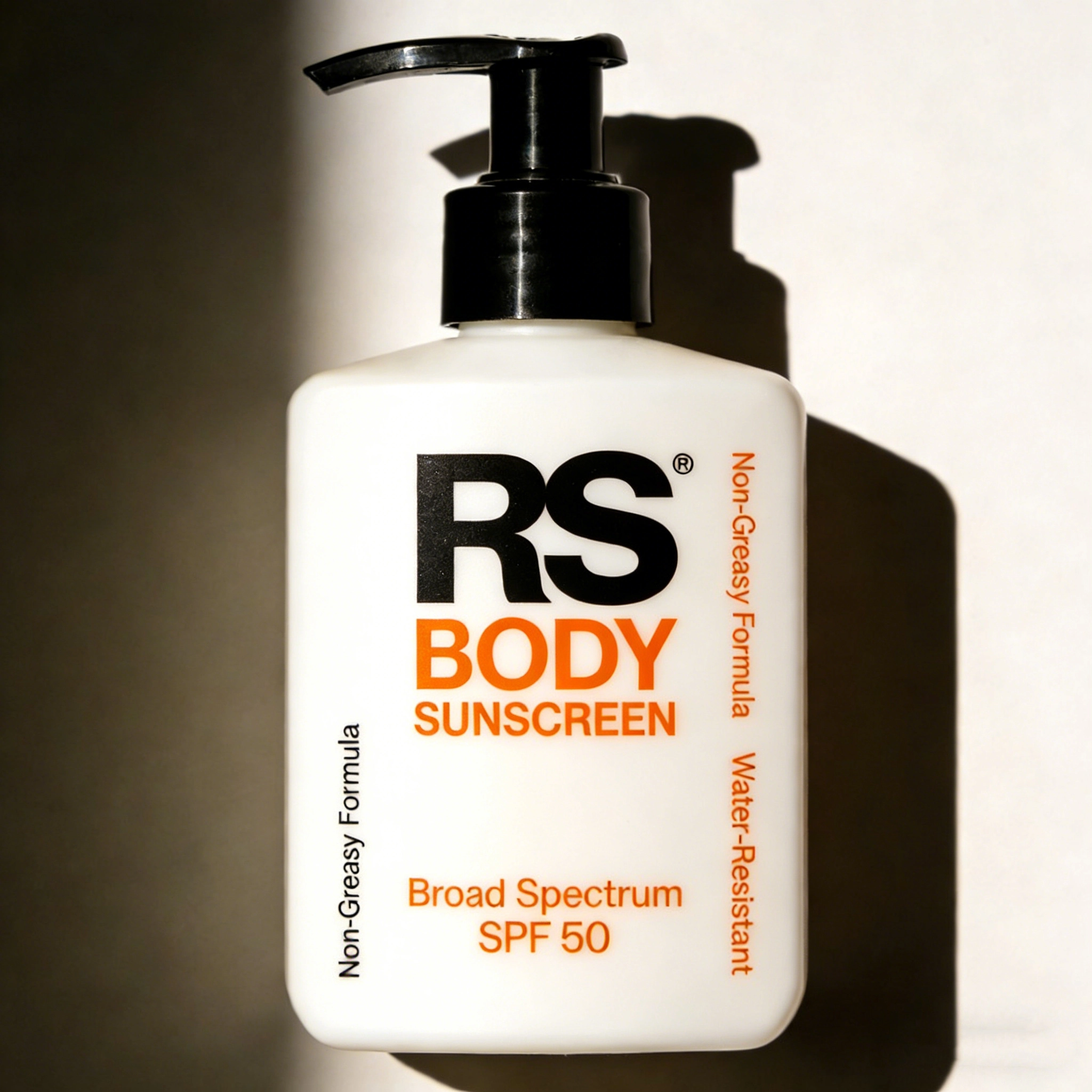
Here is our private label sunscreen collection, pls click here for more details.
1. The "Reef Ban": Oxybenzone and Octinoxate
When people ask about "banned" sunscreen, they are usually referring to the environmental bans in Hawaii, Key West, Thailand, and Palau.
- The Ingredients: Oxybenzone and Octinoxate.
- The Reason: Scientific studies have shown that these chemicals wash off swimmers and bleach coral reefs, disrupt marine ecosystems, and deform juvenile coral.
- The Rysun Solution: We specialize in Reef-Safe Formulations. We replace these controversial filters with Zinc Oxide or Titanium Dioxide (Physical Blockers) or modern, eco-friendly chemical filters. Leveraging our 253 intellectual properties, we ensure these reef-safe formulas are just as effective and elegant as the banned ones.
2. The "Safety Ban": PABA and Trolamine Salicylate
The FDA (U.S. Food and Drug Administration) has officially deemed certain ingredients as not GRASE (Generally Recognized As Safe and Effective).
- The Ingredients: PABA (Para-aminobenzoic acid) and Trolamine Salicylate.
- The Reason: PABA was once common but is now banned or voluntarily removed because it caused high rates of allergic reactions and photosensitivity.
- The Rysun Solution: We do not use these outdated ingredients. Our Research Institute formulates strictly with FDA-compliant Category I ingredients (like Zinc Oxide) or globally accepted modern filters for our EU clients.
3. The "Contaminant Ban": Benzene
Recently, headlines were dominated by recalls due to Benzene.
- The Distinction: Benzene is not an ingredient; it is a contaminant. It is a carcinogen that can accidentally appear during the manufacturing process of aerosol sunscreens if quality control is poor.
- The Reason: It causes cancer. There is zero tolerance for it.
- The Rysun Solution: This is where our "Swiss-standard" quality control shines. Benzene issues usually stem from cheap propellant sourcing. Rysun implements up to 50 inspection procedures. We test our raw materials and finished goods to ensure they are 100% free from contaminants like Benzene. We prioritize safety over cutting costs.
The Manufacturer’s Role: Future-Proofing Your Brand
Regulations change. Today's standard ingredient could be tomorrow's banned substance.
How does a brand survive? By partnering with a research-driven manufacturer.
Rysun Biotechnology offers:
- Global Regulatory Insight: We track legislation in the EU, USA, and Asia. If an ingredient is "under review" (like Homosalate or Octocrylene), we can help you reformulate before the ban hits.
- Mineral Expertise: The safest route to avoiding bans is Mineral Sunscreen. Rysun has mastered the art of "Invisible Zinc." We create non-nano, reef-safe mineral sunscreens that comply with the strictest bans worldwide while satisfying consumer demand for clear, lightweight textures.
Conclusion
So, what is the banned ingredient in sunscreen?
Currently, Oxybenzone and Octinoxate are banned in eco-zones, while PABA and Benzene are banned for safety reasons globally.
Navigating this list requires expertise. At Rysun Biotechnology, we combine over 10 years of manufacturing excellence with a team of 20 leading scientists to ensure your sun care products are safe, legal, and effective. Partner with us to manufacture a sunscreen that protects your customers and your brand's reputation.
FAQs
Q1: Is Avobenzone banned?
A: No. Avobenzone is currently FDA-approved and widely used for UVA protection. However, some regions (like Hawaii) are reviewing it. Rysun can formulate with or without it depending on your target market's preference.
Q2: What does "GRASE" mean?
A: It stands for Generally Recognized As Safe and Effective. It is the FDA's standard. Currently, only Zinc Oxide and Titanium Dioxide are fully designated as GRASE. Rysun specializes in these two ingredients.
Q3: Does Rysun have a list of banned ingredients for different countries?
A: Yes. Our regulatory team maintains a database of prohibited substances for the 50+ countries we export to (EU vs. USA vs. ASEAN). We review your formula against these lists before production begins.
Q4: Can Rysun help me reformulate if my current product contains banned ingredients?
A: Absolutely. Our R&D team can reverse-engineer your current formula and replace the banned filters with safe, compliant alternatives while maintaining the same texture and SPF rating.
Related articles
Get more information
If you have any comments or good suggestions, please leave us a message; later our professional staff will contact you as soon as possible.
Rysun Biotechnology--Unremittingly strive for human health and beauty
Contact RYSUN
Email: k.lee@rysunoem.com
WhatsApp: +86 156 0306 9138
Address: No. 62 Nanxiang First Road, Science Town of Guangzhou Developed Zone, Huangpu, Guangzhou, China.
© 2025 RYSUN. All Rights Reserved. Privacy Policy | Terms and Conditions | Sitemap
Facebook
Instagram