


Is Reef Safe Sunscreen Real? A Manufacturer’s Guide to the Truth | Rysun Biotech
Asking "is reef safe sunscreen real?" The term is unregulated, but the chemistry is vital. Rysun Biotech’s R&D experts explain Non-Nano Zinc, eco-toxicity, and how we manufacture truly ocean-friendly SPF.
Is Reef Safe Sunscreen Real? Separating Marketing Hype from Marine Science
Introduction
Walk down any beauty aisle, and you will see the "Reef Safe" seal stamped on countless bottles. But with no standard global definition, consumers and conscientious brand owners are starting to ask the hard question: "Is reef safe sunscreen real, or is it just greenwashing?"
At Guangzhou Rysun Biotechnology, we believe in science over slogans. Founded in 2014 by Ivy Wong to combat the "inconsistent quality" and misleading claims in the market, our approach is rooted in biological reality. Inspired by deep discussions with a Swiss anti-aging expert, we view the health of the skin and the health of the environment as interconnected.
Backed by our Research Institute and 20 leading scientists, we are here to provide the nuanced answer. The marketing term is often loose, but the chemical impact on coral is very real. Here is the scientific guide to what truly makes a sunscreen safe for the ocean and how Rysun manufactures products that uphold this standard.
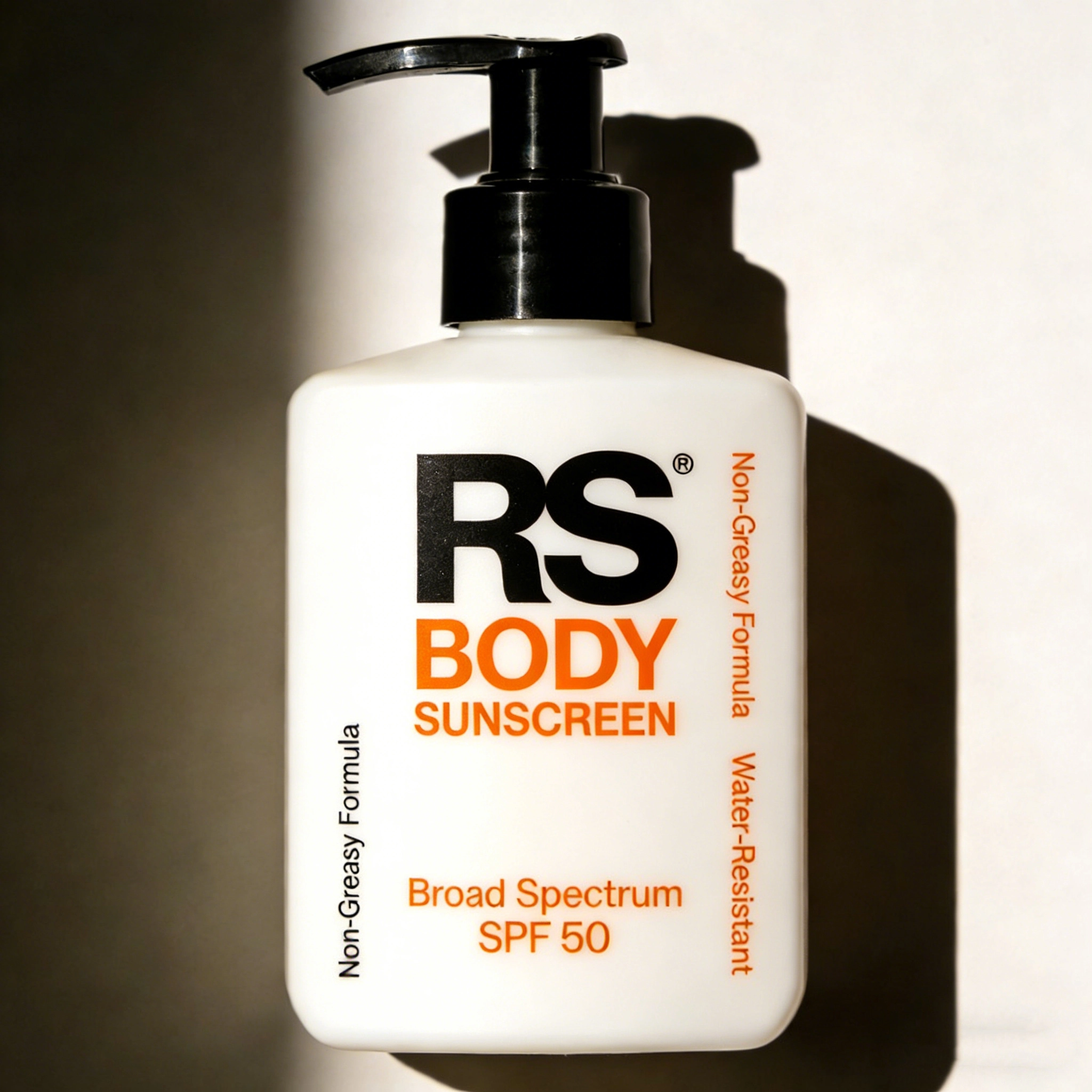
Here is our private label sunscreen collection, pls click here for more details.
The Regulatory Gap: Why People Are Skeptical
To answer "is reef safe sunscreen real," we must admit a hard truth: "Reef Safe" is not a legally regulated term in most of the world.
- The Issue: Unlike "SPF," which is strictly tested, any brand can print a "Reef Friendly" logo on their bottle, even if the formula contains questionable ingredients.
- The Consequence: This has led to consumer distrust.
The Rysun Standard: We don't rely on logos; we rely on legislation. We formulate based on the strict Hawaii Reef Bill and the Palau Sunscreen Ban, which list specific prohibited toxic chemicals. We define "Real" as "Compliant with the strictest environmental laws globally."
The Chemistry: What Actually Harms the Reef?
While the label might be unregulated, the science is clear. Certain chemicals wash off swimmers and disrupt marine life.
1. The "Real" Danger: Oxybenzone and Octinoxate
- The Science: These chemical filters act as endocrine disruptors in coral. They cause "bleaching" (forcing coral to expel its life-giving algae) and deform the DNA of juvenile coral polyps.
- Rysun’s Formulation: We have eliminated these ingredients from our "Eco-Line" formulations. We utilize our 253 intellectual properties to stabilize alternative filters that do not dissolve in seawater or harm marine biology.
2. The "Nano" Problem
This is where many "Reef Safe" mineral sunscreens fail.
- The Science: Zinc Oxide is safe, unless it is a Nano-particle (smaller than 100nm). Nano-zinc is so small it can be ingested by coral, causing internal toxicity.
- The Rysun Solution: We manufacture Non-Nano Zinc Oxide. We use advanced Micronization Technology to ensure particles are large enough to be safe for coral, but dispersed finely enough to be invisible on human skin.
The Manufacturer’s Role: Proving It’s Real
How do we ensure a Rysun product is genuinely eco-friendly? We look beyond the active ingredients.
1. The "Base" Matters
A sunscreen with Zinc Oxide isn't reef safe if the preservatives are toxic.
- Rysun Innovation: We avoid Parabens and Triclosan (known marine toxins). We use biodegradable emollients and plant-based polymers to ensure that everything washing off your skin breaks down harmlessly in the ocean.
2. Water Resistance Testing
If sunscreen washes off immediately, it enters the ocean in higher concentrations.
- Rysun Innovation: We implement up to 50 inspection procedures. We test our water resistance durability (40 to 80 minutes) rigorously. By keeping the sunscreen on the person, we keep it off the reef.
3. Global Export Compliance
We export to 50+ countries. We ensure our clients' formulations meet the "Reef Safe" criteria of their specific target region, whether it is the Great Barrier Reef in Australia or the beaches of Hawaii.
Conclusion
So, is reef safe sunscreen real?
The marketing label can be fake, but the chemistry is real. A formulation free from Oxybenzone, Octinoxate, and Nano-particles effectively reduces the toxic load on our oceans.
At Rysun Biotechnology, we combine over 10 years of manufacturing excellence with Swiss-inspired precision. We don't just print a seal on a bottle; we engineer the formula to be biologically compatible with marine life. Partner with us to manufacture a sun care product that is honest, effective, and truly safe for the planet.
FAQs
Q1: Is "Reef Friendly" the same as "Reef Safe"?
A: There is no standard difference. Both are marketing terms. However, "Reef Safe" usually implies a stricter adherence to Mineral (Zinc/Titanium) ingredients, while "Reef Friendly" might just mean "Oxybenzone Free." Rysun helps you substantiate whichever claim you choose.
Q2: Is Titanium Dioxide reef safe?
A: Yes, provided it is Non-Nano. Like Zinc, Titanium is a natural mineral. It must be coated and sized correctly to ensure it does not harm marine life. Rysun specializes in these eco-friendly dispersions.
Q3: Can a chemical sunscreen be reef safe?
A: Technically, yes. Newer chemical filters (like those used in Europe) have a better safety profile than old ones. However, the most universally accepted "Reef Safe" standard is Non-Nano Mineral.
Q4: Does Rysun offer "Biodegradable" packaging?
A: Yes. To make the product "Real" in every sense, we can package your reef-safe formula in PCR (Post-Consumer Recycled) plastic or sugarcane tubes, aligning the exterior packaging with the eco-friendly interior.
Related articles
Get more information
If you have any comments or good suggestions, please leave us a message; later our professional staff will contact you as soon as possible.
Rysun Biotechnology--Unremittingly strive for human health and beauty
Contact RYSUN
Email: k.lee@rysunoem.com
WhatsApp: +86 156 0306 9138
Address: No. 62 Nanxiang First Road, Science Town of Guangzhou Developed Zone, Huangpu, Guangzhou, China.
© 2025 RYSUN. All Rights Reserved. Privacy Policy | Terms and Conditions | Sitemap
Facebook
Instagram