

What Are the Disadvantages of Niacinamide on the Face? Safety & Science | Rysun Biotech
Asking "What are the disadvantages of niacinamide on the face?" Most issues stem from impurities or high concentrations. Learn how Rysun Biotech’s Swiss-inspired R&D eliminates these risks.
What Are the Disadvantages of Niacinamide on the Face? A Scientific Guide to Risk-Free Skincare
Introduction
Niacinamide (Vitamin B3) is often marketed as the "perfect" ingredient—it fights acne, wrinkles, and pigmentation. But as its popularity grows, so do consumer concerns. Search engines are seeing a spike in the question: "What are the disadvantages of niacinamide on the face?"
At Guangzhou Rysun Biotechnology, we believe in transparency. Founded in 2014 by Ivy Wong specifically to address the "inconsistent quality" of skincare products on the market, our approach is grounded in rigorous science. Inspired by insights from a Swiss anti-aging expert, we know that even the best ingredients have limitations if formulated incorrectly.
While Niacinamide is generally safe, "disadvantages" do exist—usually caused by impurities or marketing hype. Here is a breakdown of the potential downsides and how Rysun’s Research Institute engineers them out of existence.
Here is our private label face serum collection, pls click here for more details.
Disadvantage 1: The "Niacin Flush" (Redness and Heat)
The most commonly cited disadvantage is a sudden, uncomfortable flushing of the skin.
- The Cause: This is not a reaction to Niacinamide itself, but to a chemical impurity called Nicotinic Acid. If a manufacturer uses low-grade raw materials, or if the formula is unstable, Niacinamide converts into Nicotinic Acid, which dilates blood vessels causing a hot, red rash.
- The Rysun Solution: We eliminate this disadvantage through purity. We implement up to 50 inspection procedures per product. We test our raw materials to ensure they are pharmaceutical-grade with minimal residual Nicotinic Acid, ensuring your customers feel soothing relief, not heat.
Disadvantage 2: Irritation from "Percentage Wars"
In the current market, brands compete to have the highest number on the bottle (10%, 15%, 20%).
- The Cause: High concentrations can be a major disadvantage. Studies show that benefits plateau after 5%. Anything higher increases the risk of stinging, burning, and contact dermatitis without adding significant benefit.
- The Rysun Solution: We focus on practical solutions. Our R&D team advises our 700+ brand partners to stick to the "Golden Ratio" of 2% to 5%. This maximizes efficacy while minimizing the risk of irritation, making the product safe for mass-market adoption.
Disadvantage 3: Dryness and Tightness
While Niacinamide strengthens the barrier, it also reduces sebum (oil) production.
- The Cause: For people with naturally dry skin, using a potent oil-control ingredient without added hydration can lead to a feeling of tightness or flaking.
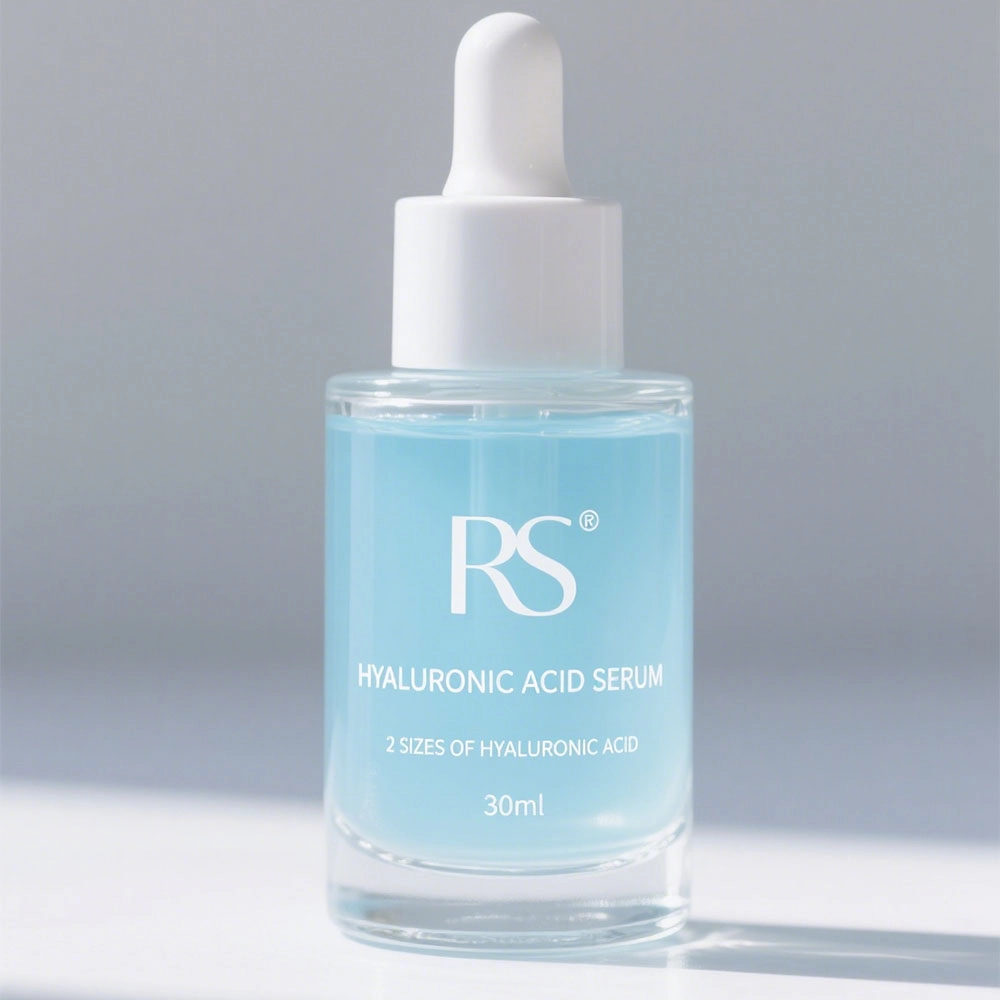
- The Rysun Solution: Synergy is key. We rarely formulate "naked" Niacinamide. Leveraging our 253 intellectual properties, we create hybrid serums that pair Niacinamide with humectants like Hyaluronic Acid or Polyglutamic Acid. This counteracts the drying effect, ensuring the skin remains supple.
Disadvantage 4: Breakouts (The Wrong Base)
Some users claim Niacinamide causes breakouts.
- The Cause: Niacinamide itself is non-comedogenic. However, because it is water-soluble, some manufacturers mix it with heavy, cheap solvents or oils to create a "luxurious" feel. These additives clog pores.
- The Rysun Solution: We use our 105 product patterns to create lightweight, water-based delivery systems. Our microbiology experts test formulations to ensure they are strictly non-comedogenic, removing the disadvantage of clogged pores.
The Rysun Difference: Turning Disadvantages into Advantages
When a consumer asks "What are the disadvantages of niacinamide on the face?", they are usually describing a bad experience with a low-quality product.
Rysun Biotechnology was built to stop this cycle.
- Swiss-Inspired Standards: We view skincare as health care. We don't cut corners on ingredients.
- Global Experience: Exporting to 50+ countries, we have refined our formulas to ensure they are tolerated by diverse skin types and climates.
Conclusion
So, what are the disadvantages of niacinamide on the face?
In a high-quality product, there should be almost none. The disadvantages—redness, stinging, dryness—are symptoms of poor manufacturing or aggressive marketing.
At Rysun Biotechnology, we combine over 10 years of experience with 20 leading scientists to manufacture Niacinamide serums that are pure, stable, and safe. Partner with us to give your customers the benefits without the baggage.
FAQs
Q1: Can Niacinamide cause hair growth on the face?
A: No. This is a common internet myth. Niacinamide improves blood flow and skin health, but it does not interact with hair follicles to stimulate unwanted facial hair growth.
Q2: Is it a disadvantage to use Niacinamide with Vitamin C?
A: No. Modern science shows they can be used together. The idea that they cancel each other out is based on outdated research. Rysun formulates stable "Power Duo" serums containing both.
Q3: Can sensitive skin use Niacinamide?
A: Yes, but the disadvantage appears if the concentration is too high. Sensitive skin should stick to 2-5%. Rysun specializes in gentle formulations specifically for sensitive skin types.
Q4: How do I stop the "Niacin Flush" if it happens?
A: If you experience flushing, wash your face with cool water immediately. It is temporary and harmless, but it indicates you are using a product with impurities. Switch to a high-purity brand manufactured by experts like Rysun.
Related articles
Get more information
If you have any comments or good suggestions, please leave us a message; later our professional staff will contact you as soon as possible.
Rysun Biotechnology--Unremittingly strive for human health and beauty
Contact RYSUN
Email: k.lee@rysunoem.com
WhatsApp: +86 156 0306 9138
Address: No. 62 Nanxiang First Road, Science Town of Guangzhou Developed Zone, Huangpu, Guangzhou, China.
© 2025 RYSUN. All Rights Reserved. Privacy Policy | Terms and Conditions | Sitemap
Facebook
Instagram