



Ultimate Guide to Salicylic Acid Face Wash for 2026
A comprehensive, expert-verified guide to salicylic acid face wash. Discover the science behind this powerful BHA, how it targets acne and oil, and the best ways to integrate it into your routine for 2026.
Introduction: Unlocking Clear Skin with Salicylic Acid Face Wash
For decades, salicylic acid (SA) has remained a cornerstone in the dermatologist's arsenal against acne and congestion. Unlike fleeting skincare trends, this powerhouse ingredient acts on a molecular level to transform skin texture. If you are struggling with persistent blackheads, excess shine, or uneven texture, a salicylic acid face wash is often the most effective first step toward clarity.
While serums and spot treatments are popular, a cleanser salicylic acid formulation offers a unique advantage: it provides a deep clean face wash experience that treats the skin without the potential irritation of leave-on products. In this comprehensive guide, we will move beyond surface-level advice to explore the science of BHA face wash technology, ensuring you have the expert knowledge to achieve clear, healthy skin in 2026.
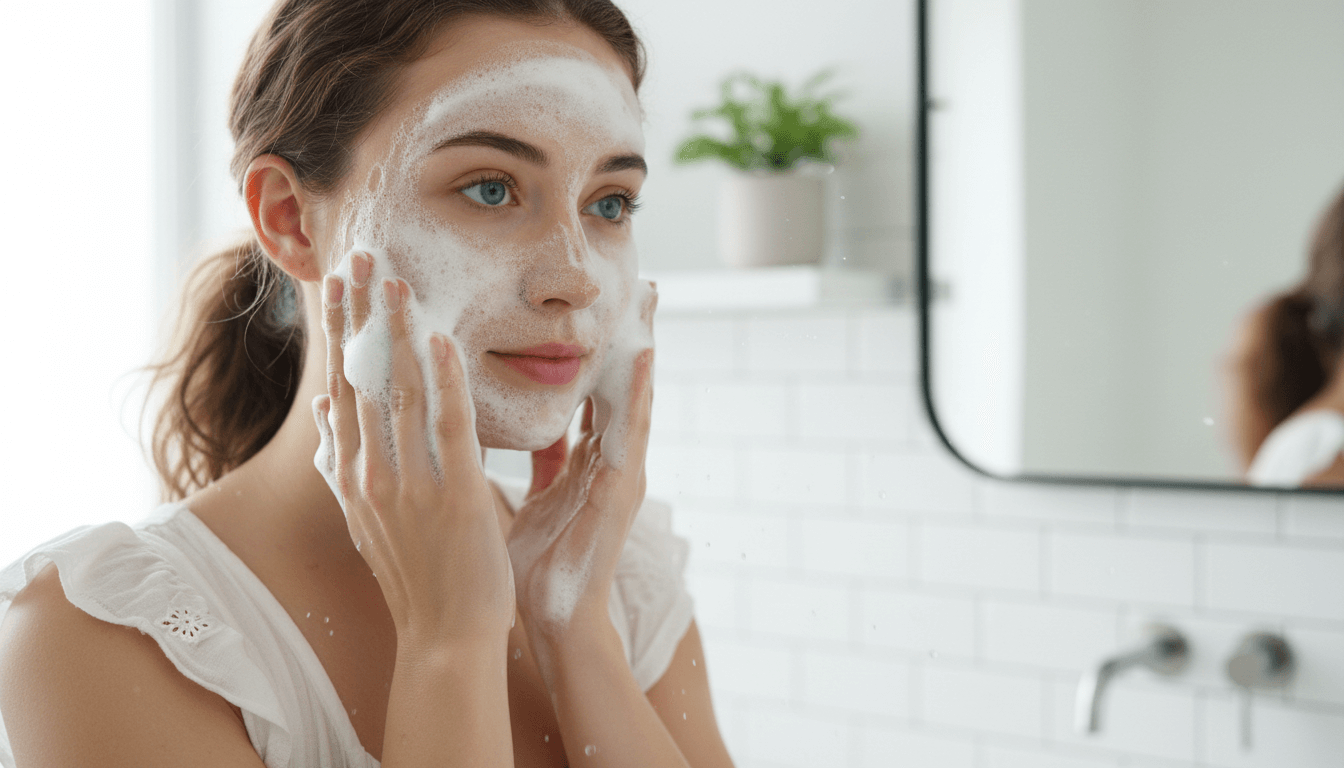
What is Salicylic Acid and How Does It Transform Your Skin?
To understand why this ingredient is so effective, we must look at its chemical structure. Salicylic acid is a Beta Hydroxy Acid (BHA). Unlike Alpha Hydroxy Acids (AHAs) such as glycolic acid, which are water-soluble and work primarily on the skin's surface, salicylic acid is oil-soluble (lipophilic). This makes it particularly effective in face wash for oily skin and large pores, as it can penetrate deep into the pores to break down excess oil and unclog them.
The Mechanism of Action
This lipophilic nature allows the molecule to penetrate through the lipid layers between skin cells and dive deep into the pores (follicles). According to research published by the National Center for Biotechnology Information (NCBI), salicylic acid acts as a desmolytic agent. This means it disrupts the cellular junctions (desmosomes) that hold dead skin cells together, effectively exfoliating the pore lining from the inside out.
Furthermore, recent dermatological studies indicate that salicylic acid for skin benefits extends beyond simple exfoliation. It suppresses specific pathways (AMPK/SREBP-1) in sebocytes, which directly helps regulate sebum production. This dual action—exfoliating deep within the pore and controlling oil—is precisely why salicylic acid face wash for acne is considered a gold standard treatment.
The Transformative Benefits of Salicylic Acid Face Wash
When incorporated correctly, a BHA face wash delivers multi-faceted results:
· Deep Pore Cleansing: By dissolving the intracellular "glue" and sebum plugs, SA effectively treats and prevents comedones (blackheads and whiteheads).
· Anti-Inflammatory Action: As a derivative of salicylates (related to aspirin), SA possesses natural anti-inflammatory properties that reduce the redness and swelling associated with inflammatory acne.
· Sebum Regulation: It is arguably the best oil skin face wash active available, providing a matte finish by normalizing oil production over time.
· Texture Refinement: Consistent use promotes smoother skin by removing rough, dead epidermal cells without the need for abrasive physical scrubs.
Is Salicylic Acid Face Wash Right for Your Skin Type?
While highly effective, SA is not a one-size-fits-all solution. Here is how to gauge if is salicylic acid good for oily skin or your specific concern:
· Oily and Acne-Prone Skin: This is the ideal candidate. The oil-soluble nature of SA targets the root cause of congestion in these skin types, which is why it’s often found in many of the best face washes for teenagers with acne.
· Combination Skin: An acnewash face wash with SA can balance the T-zone while remaining gentle enough for the cheeks, especially in foam or gel formulations.
· Sensitive Skin: Caution is required. A salicylic acid face wash for sensitive skin should typically contain a lower concentration (0.5% to 1%) and include soothing agents like aloe or allantoin.
· Dry Skin: While SA can be drying, it is not off-limits. Look for cream-based formulations that include ceramides or hyaluronic acid to offset potential dehydration.
Choosing the Right Salicylic Acid Face Wash: A Smart Shopper's Guide
Navigating the skincare aisle can be overwhelming. Here are the expert criteria for selecting a high-performance cleanser salicylic acid product:
1. Concentration Matters
The American Academy of Dermatology (AAD) notes that over-the-counter salicylic acid products typically range from 0.5% to 2%.
· 0.5% - 1%: Best for maintenance, sensitive skin, or daily use.
· 2%: The standard therapeutic dose for treating active acne and stubborn blackheads.
2. Formulation and Texture
· Gel and Foaming Face Wash: These penetrate efficiently and are best for oily skin. A foaming face wash lifts oil effectively but ensure it is sulfate-free to avoid stripping the barrier.
· Cream or Lotion Cleansers: ideal for dry or sensitive skin types, as they buffer the active ingredient with emollients.
3. The Importance of pH
For salicylic acid to function as an exfoliant, the product's pH is critical. Research indicates an optimal pH range of 3.0 to 4.0 allows the acid to remain in its active, free-acid form. Many high-quality pharmaceutical-grade cleansers are formulated specifically within this range to ensure efficacy.
4. Ingredient Synergy
If you are looking for an aha bha face wash, be aware that combining acids (like Glycolic and Salicylic) increases exfoliation intensity. This is excellent for tough texture but requires careful introduction. Conversely, look for formulas with Niacinamide or Ceramides to repair the barrier while you cleanse.
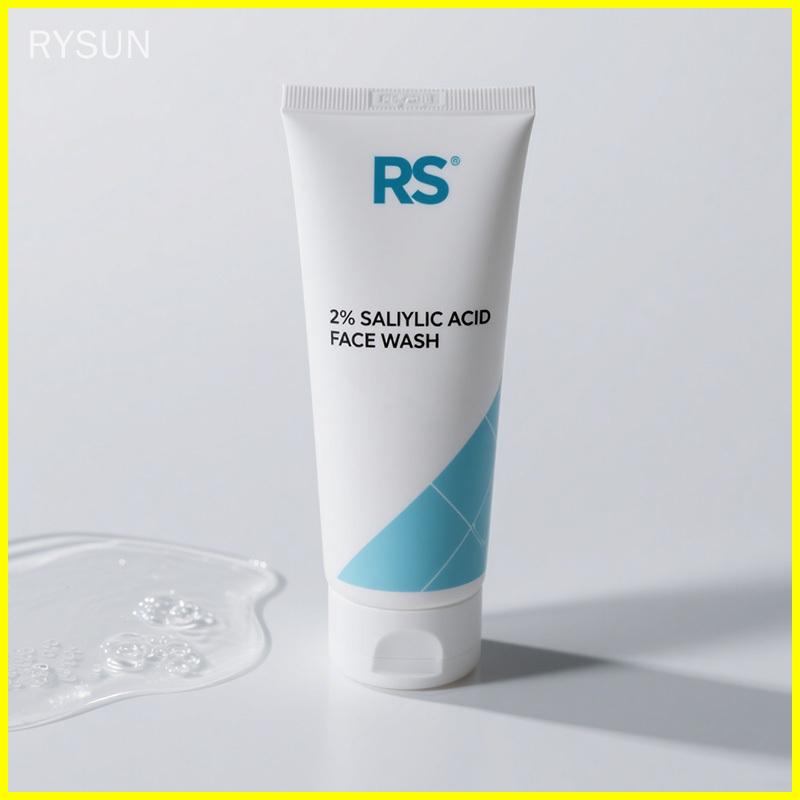
How to Use Salicylic Acid Face Wash Correctly
To maximize results and minimize irritation, follow this dermatologist-approved routine:
1. Preparation: Wet your face with lukewarm water. Hot water can strip natural oils and exacerbate irritation.
2. Application: Dispense a small amount of your acnewash face wash. Gently massage it into the skin for 30 to 60 seconds. This "contact therapy" is crucial; the acid needs time to penetrate the pores.
3. Focus Areas: Concentrate on the T-zone or areas with visible congestion. Avoid the delicate eye area.
4. Rinse & Dry: Rinse thoroughly and pat—do not rub—your face dry with a clean towel.
5. Frequency: Start by using it 2-3 times per week. If tolerated, gradually increase to once daily. Overuse is a common cause of barrier damage.
Integrating Salicylic Acid Face Wash into Your Routine
Successful skincare relies on strategic layering. Here is how to fit a BHA face wash into a regimen:
· Morning vs. Evening: You can use SA in the AM or PM. However, because it removes dead skin, it can slightly increase sun sensitivity.
· Sun Protection is Non-Negotiable: The U.S. Food and Drug Administration (FDA) advises that using beta hydroxy acids necessitates the use of broad-spectrum sunscreen (SPF 30 or higher) to prevent UV damage.
· Layering Actives:
o Vitamin C: Best applied in the morning. If your skin is resilient, you can cleanse with SA first, but sensitive types should alternate.
o Retinoids: Be cautious. Using a strong salicylic acid face wash followed immediately by a retinol can cause significant irritation. Consider using SA in the morning and retinol at night.
o Benzoyl Peroxide: While SA exfoliates, Benzoyl Peroxide kills bacteria. You might use a benzol peroxide face wash on days you have inflammatory pustules and SA on days you are treating blackheads, but using them together in the same session is often too drying.
Common Mistakes to Avoid
· Over-Exfoliating: Combining an aha bha face wash with a scrub and a toner is a recipe for dermatitis. Respect your skin barrier.
· Skipping Moisturizer: SA reduces oil, so you must replenish hydration. Even oily skin needs a lightweight, non-comedogenic moisturizer.
· Giving Up Too Soon: Deep pore cleansing takes time. It typically takes 6-8 weeks of consistent use to see a significant reduction in acne.
Potential Side Effects and Safety
Minor dryness or peeling is normal during the first few weeks. However, if you experience severe burning, hives, or extreme redness, discontinue use.
Pregnancy Safety: According to the American College of Obstetricians and Gynecologists (ACOG), topical salicylic acid in low concentrations (such as those found in OTC face washes) is generally considered safe for use during pregnancy, whereas oral salicylic acid is not. Always consult your healthcare provider for personal medical advice.
Conclusion: Embrace the Power of Salicylic Acid
Achieving clear skin is a marathon, not a sprint. By incorporating a high-quality salicylic acid face wash into your routine, you are utilizing a scientifically proven ingredient that treats the root causes of acne and congestion. Whether you choose a gentle cream or a robust foaming face wash, consistency and barrier protection are your keys to lasting clarity in 2026.
Frequently Asked Questions
How long does it take for salicylic acid face wash to work?
Initial improvements in skin texture and oil control may be seen within 2-4 weeks. However, for significant acne reduction, dermatologists recommend consistent use for at least 6-8 weeks.
Can I use salicylic acid face wash every day?
While many people with oily skin can tolerate daily use, it is best to start with 2-3 times per week. If your skin shows no signs of dryness or irritation, you can gradually increase usage to once daily.
What concentration of salicylic acid is best in a face wash?
For most acne concerns, a 2% concentration is the standard for efficacy. Those with sensitive skin or mild congestion may benefit from lower concentrations between 0.5% and 1%.
Can salicylic acid face wash make acne worse initially?
Yes, a "purging" phase is possible. As the acid accelerates cell turnover, pre-existing micro-comedones may surface as breakouts. This typically resolves within a few weeks.
Do I need to use a moisturizer after using salicylic acid face wash?
Yes. Salicylic acid removes excess oil, which can lead to dryness. Applying a non-comedogenic moisturizer ensures the skin barrier remains healthy and prevents compensatory oil overproduction.
Can pregnant or breastfeeding individuals use salicylic acid face wash?
According to the American College of Obstetricians and Gynecologists (ACOG), low-dose topical salicylic acid (OTC strength) is generally considered safe. However, always consult your doctor before starting new skincare during pregnancy.
Can I use salicylic acid face wash with other active ingredients like Vitamin C or Retinol?
It requires caution. Using SA with retinoids or high-strength Vitamin C can cause irritation. It is often safer to alternate use (e.g., SA in the morning, Retinol at night) or alternate days.
What's the main difference between salicylic acid face wash and benzoyl peroxide face wash?
Salicylic acid (BHA) dissolves oil and exfoliates deep inside the pore, making it best for blackheads and whiteheads. Benzoyl peroxide is an antibacterial agent that kills acne bacteria, making it better for red, inflamed pustules.
References
· American Academy of Dermatology (AAD): Acne clinical guideline
· American College of Obstetricians and Gynecologists (ACOG): Skin Conditions During Pregnancy
· U.S. Food and Drug Administration (FDA): Beta Hydroxy Acids
Related articles

Get more information
If you have any comments or good suggestions, please leave us a message; later our professional staff will contact you as soon as possible.
Rysun Biotechnology--Unremittingly strive for human health and beauty
Contact RYSUN
Email: k.lee@rysunoem.com
WhatsApp: +86 156 0306 9138
Address: No. 62 Nanxiang First Road, Science Town of Guangzhou Developed Zone, Huangpu, Guangzhou, China.
© 2025 RYSUN. All Rights Reserved. Privacy Policy | Terms and Conditions | Sitemap
Facebook
Instagram