



Mineral vs Chemical Sunscreen: A Scientific Comparison Guide | Rysun Biotech
Confused by mineral vs chemical sunscreen? We break down the absorption vs. reflection debate. Discover how Rysun Biotech’s Swiss-inspired R&D formulates safe, effective protection for every skin type.
Mineral vs Chemical Sunscreen: A Manufacturer’s Guide to the Great SPF Debate
Introduction
In the global skincare market, sun protection is the fastest-growing category. However, it is also the most divided. The debate of "mineral vs chemical sunscreen" confuses consumers and challenges brand owners. Which one provides better protection? Which one feels better on the skin?
At Guangzhou Rysun Biotechnology, we approach this debate not with bias, but with biology. Founded in 2014 by Ivy Wong to solve the "inconsistent quality" of market products, and inspired by deep discussions with a Swiss anti-aging expert, we know that UV protection is the single most effective anti-aging tool available.
Backed by our Research Institute and 20 leading scientists, we are here to break down the mechanics, the pros and cons, and the manufacturing science behind both types of SPF. Here is the definitive guide to choosing the right formulation for your brand.
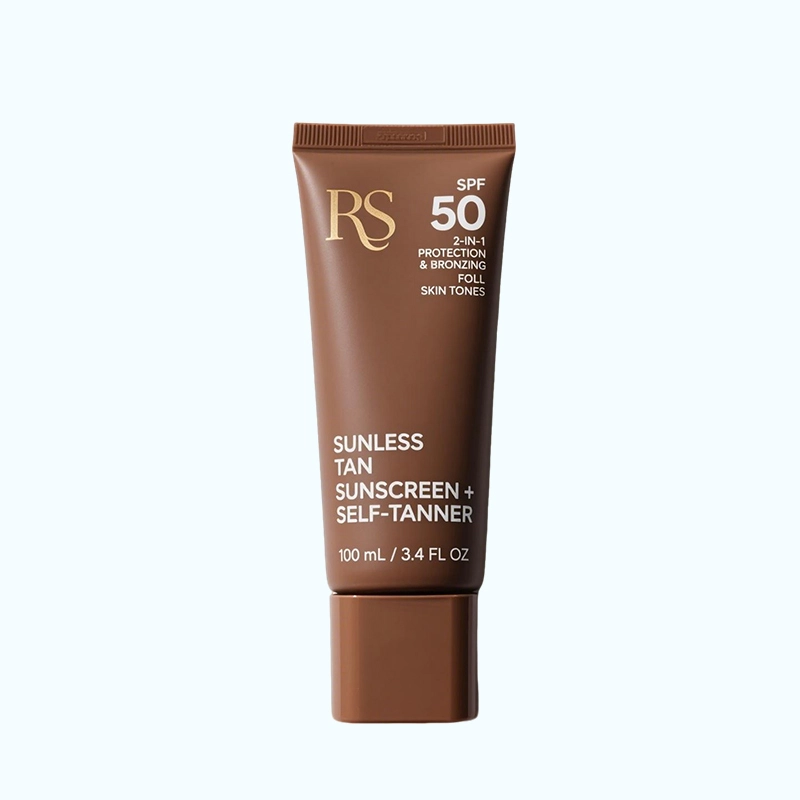
Here is our private label sunscreen, pls click here for more details.
Contender 1: Chemical Sunscreen (The Absorber)
Active Ingredients: Avobenzone, Octinoxate, Oxybenzone, Homosalate.
- The Mechanism: Chemical sunscreens work like a sponge. They absorb UV rays, convert them into heat, and release that heat from the skin.
- The Pros: They are incredibly elegant. They are thin, transparent, and easy to spread, making them ideal for daily wear under makeup.
- The Cons: They can cause irritation (heat generation) in sensitive skin and take 20 minutes to become effective.
- The Rysun Standard: Chemical filters are notoriously unstable. Leveraging our 253 intellectual properties, Rysun utilizes advanced encapsulation and stabilization technologies to ensure our chemical sunscreens provide high SPF without breaking down or causing allergic reactions.
Contender 2: Mineral Sunscreen (The Reflector)
Active Ingredients: Zinc Oxide, Titanium Dioxide.
- The Mechanism: Mineral (Physical) sunscreens work like a shield or mirror. They sit on top of the skin and physically reflect and scatter UV rays away from the body.
- The Pros: They work immediately upon application, are reef-safe, and are generally recognized as safe (GRASE) for babies and sensitive skin.
- The Cons: Historically, they are thick and leave a white cast.
- The Rysun Standard: We have solved the "white cast" problem. Using our 105 product patterns, we formulate with micronized (non-nano) minerals and advanced dispersion technology. This creates a mineral sunscreen that feels lightweight and disappears into the skin—a "Practical Solution" for modern brands.
Head-to-Head Comparison: Mineral vs Chemical Sunscreen
| Feature | Mineral Sunscreen (Physical) | Chemical Sunscreen |
| How it Works | Reflects UV Rays | Absorbs UV Rays |
| Texture | Thicker, moisturizing | Thin, watery, invisible |
| Activation Time | Immediate Protection | Wait 15-20 Minutes |
| Skin Type | Sensitive, Acne-Prone, Post-Procedure | Oily, Sweat-Resistant needs |
| Safety Profile | Non-irritating, Reef-Safe | Potential irritation/heat |
| White Cast | Possible (unless high-tech formula) | None (Transparent) |
The Third Option: The Hybrid (Rysun’s Innovation)
Why choose one when you can have both?
For brands targeting the mass market, Rysun often manufactures Hybrid Sunscreens.
- The Strategy: We combine low levels of chemical filters (for texture) with Zinc Oxide (for broad-spectrum protection).
- The Result: A high SPF (50+) product that feels like a chemical sunscreen but offers the stability and protection of a mineral sunscreen.
The Manufacturer’s Role: Global Compliance
When deciding between mineral vs chemical sunscreen, geography matters.
- USA (FDA): Has strict limits on new chemical filters.
- Europe/Asia: Allows advanced chemical filters (like Tinosorb) that are lighter and more stable.
Rysun Biotechnology exports to over 50 countries. We understand the regulatory landscape. Whether you need an FDA-compliant Mineral SPF for the US or an advanced Hybrid for the EU, our regulatory team ensures your product is legal, safe, and compliant.
Strict Quality Control:
Regardless of the type, SPF testing is rigorous. Our 50 inspection procedures ensure that the SPF number on the bottle matches the protection inside. We test for photostability to ensure the product protects your customers all day long.
Conclusion
Mineral vs chemical sunscreen?
- Choose Mineral for "Clean Beauty," sensitive skin, and baby lines.
- Choose Chemical for "Invisible Daily Wear" and water sports.
At Rysun Biotechnology, we have the expertise to manufacture the highest quality versions of both. We combine Swiss-inspired anti-aging science with global manufacturing power. Partner with us to create a sun care product that your customers will actually want to wear.
FAQs
Q1: Which is better for acne-prone skin?
A: Mineral sunscreen. Zinc Oxide is naturally anti-inflammatory and antimicrobial, which helps soothe breakouts. Chemical sunscreens can trap heat, which sometimes aggravates acne.
Q2: Which one is better for the environment (Reef-Safe)?
A: Mineral sunscreen. Ingredients like Oxybenzone (chemical) are banned in places like Hawaii for damaging coral reefs. Zinc and Titanium are considered earth-friendly.
Q3: Can Rysun make a clear Mineral Sunscreen?
A: Yes. By using specialized dispersion oils and micronized particles, we manufacture mineral sunscreens that rub in clear on most skin tones, eliminating the "ghost" look.
Q4: Can I layer chemical and mineral sunscreens?
A: It is not recommended to mix them yourself, as some ingredients can destabilize others (e.g., Avobenzone and uncoated Zinc). It is better to buy a Hybrid formula manufactured by Rysun, where our chemists have already stabilized the ingredients together.
Related articles
Get more information
If you have any comments or good suggestions, please leave us a message; later our professional staff will contact you as soon as possible.
Rysun Biotechnology--Unremittingly strive for human health and beauty
Contact RYSUN
Email: k.lee@rysunoem.com
WhatsApp: +86 156 0306 9138
Address: No. 62 Nanxiang First Road, Science Town of Guangzhou Developed Zone, Huangpu, Guangzhou, China.
© 2025 RYSUN. All Rights Reserved. Privacy Policy | Terms and Conditions | Sitemap
Facebook
Instagram