



Is Salicylic Acid Absorbed into the Bloodstream? A Safety & Toxicology Guide | Rysun Biotech
Asking "Is salicylic acid absorbed into the bloodstream?" The answer is yes, but the amount matters. Rysun Biotech’s R&D experts explain systemic absorption and how we formulate for safety.
Is Salicylic Acid Absorbed into the Bloodstream? A Manufacturer’s Guide to Safety and Systemic Limits
Introduction
Salicylic Acid (BHA) is a staple in medicine cabinets worldwide for treating acne. However, because it is chemically related to Aspirin (Acetylsalicylic Acid), a serious question often arises regarding its safety profile: "Is salicylic acid absorbed into the bloodstream?"
At Guangzhou Rysun Biotechnology, safety is not an afterthought; it is the foundation of our Research Institute. Founded in 2014 by Ivy Wong to combat the "inconsistent quality" of market products, and inspired by deep discussions with a Swiss anti-aging expert, we approach chemical formulation with strict toxicological awareness.
Backed by 20 leading scientists and experience exporting to 50+ countries, we are here to provide the scientific answer. Yes, it is absorbed—but the safety depends entirely on the dosage and formulation quality.
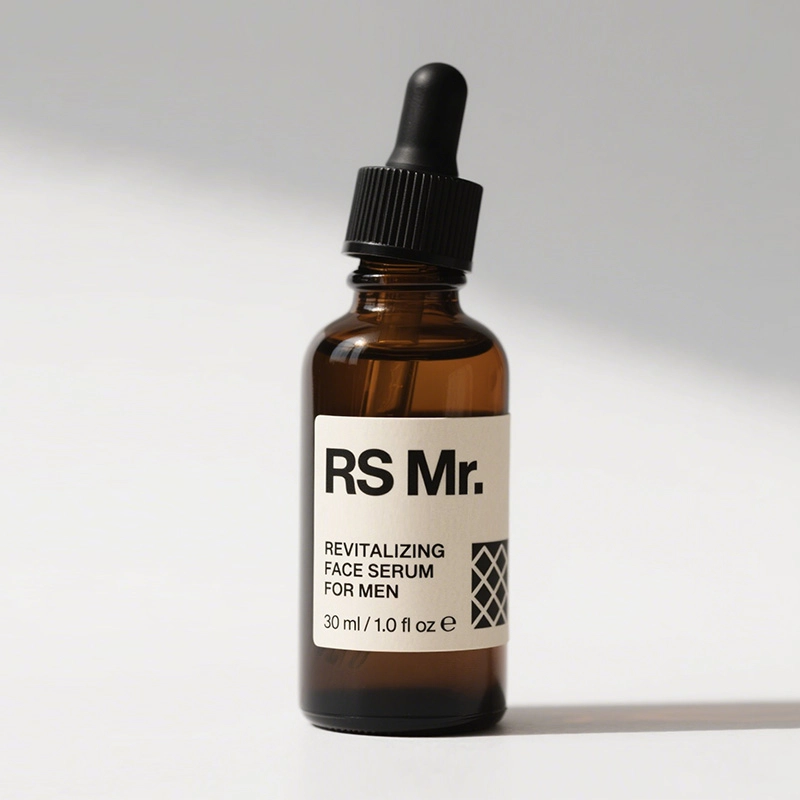
Here is our privatel label salicylic acid face serum, pls click here for more details.
The Short Answer: Yes, But It Is Negligible
To answer the question scientifically: Yes, topical Salicylic Acid is absorbed into the bloodstream.
- The Mechanism: Salicylic Acid is lipid-soluble. It is designed to penetrate oil and skin layers. Because it penetrates deep, a small percentage enters the systemic circulation.
- The Comparison: However, the amount absorbed from a face wash or serum is tiny compared to taking an oral Aspirin.
- Oral Aspirin: 300mg–500mg directly into the system.
- Topical Serum (2%): Only a fraction of the applied amount reaches the blood, and it is rapidly metabolized and excreted by the body.
When Does It Become a Risk? (Salicylism)
Absorption becomes a problem only under specific conditions:
- High Concentration: Using high-strength chemical peels (20%+) over large areas of the body.
- Broken Skin: Applying it to open wounds allows direct entry into the blood.
- Occlusion: Wrapping the skin in plastic after application forces more acid into the blood.
The Risk: If levels get too high, it can lead to "Salicylism" (Salicylate Poisoning), though this is extremely rare with cosmetic products.
The Rysun Standard: Engineering Safety
If the ingredient enters the bloodstream, how do we ensure it is safe?
This is where Rysun Biotechnology’s manufacturing rigor comes into play. We utilize our 253 intellectual properties to keep the ingredient effective on the skin, not in the blood.
1. Precision Dosing
We adhere strictly to global regulations (FDA, EU, ASEAN).
- The Rysun Process: For leave-on products, we typically formulate at 0.5% to 2.0%. Our 50 inspection procedures verify that no batch exceeds the safety threshold. We ensure you never accidentally sell a "toxic" dose.
2. pH and Delivery Control
We formulate to target the pore, not the blood vessel.
- The Rysun Process: By optimizing the pH and using encapsulation technology, we keep the Salicylic Acid active in the epidermis (top layer) and pilosebaceous unit (the pore). This maximizes acne-fighting results while minimizing unnecessary systemic absorption.
3. Clear Labeling & Compliance
Because we export to over 50 countries, we know the laws.
- The Rysun Process: We advise our 700+ brand partners on mandatory warning labels (e.g., "Do not use on children," "Use Sunscreen"). We ensure your brand is compliant with safety data regulations across the globe.
Special Case: Pregnancy Safety
The question of absorption is most critical for pregnant women.
- The Consensus: While low-dose topical absorption is theoretically safe, doctors generally recommend avoiding Salicylic Acid during pregnancy out of an abundance of caution regarding fetal health.
- The Rysun Alternative: For brands targeting this demographic, our R&D team formulates with Lactic Acid, Azelaic Acid, or Bakuchiol. These are effective alternatives with safer absorption profiles for maternity use.
Conclusion
So, is salicylic acid absorbed into the bloodstream?
Yes, in minute amounts. But in a high-quality, regulated cosmetic product, this absorption is well within safe toxicological limits.
At Rysun Biotechnology, we treat skincare as a science of safety. We combine 10 years of manufacturing excellence with Swiss-inspired precision to create Salicylic Acid products that clear the skin without compromising systemic health. Partner with us to manufacture products that are as safe as they are effective.
FAQs
Q1: Can I use Salicylic Acid body wash safely?
A: Yes. Since body wash is rinsed off quickly ("Short Contact Therapy"), the absorption into the bloodstream is significantly lower than a leave-on lotion. It is very safe for treating body acne.
Q2: Does Salicylic Acid thin the blood like Aspirin?
A: Not when used topically in cosmetics. The amount absorbed is too low to have a systemic blood-thinning effect. However, if you are on blood thinners, always consult a doctor.
Q3: Can I use Salicylic Acid if I am allergic to Aspirin?
A: No. Because it enters the bloodstream (even slightly), it can trigger an allergic reaction in those with Aspirin sensitivity. Rysun helps brands place proper "Allergen Alerts" on packaging.
Q4: How does Rysun test for safety?
A: We conduct rigorous stability testing and microbiological checks. While we don't test blood levels on humans in the factory, we formulate strictly within the safety margins established by the SCCS (Scientific Committee on Consumer Safety) and the FDA.
Related articles

Get more information
If you have any comments or good suggestions, please leave us a message; later our professional staff will contact you as soon as possible.
Rysun Biotechnology--Unremittingly strive for human health and beauty
Contact RYSUN
Email: k.lee@rysunoem.com
WhatsApp: +86 156 0306 9138
Address: No. 62 Nanxiang First Road, Science Town of Guangzhou Developed Zone, Huangpu, Guangzhou, China.
© 2025 RYSUN. All Rights Reserved. Privacy Policy | Terms and Conditions | Sitemap
Facebook
Instagram