

Wei

@Wei
Email address
Phone number
WhatsApp
Position

Chief physician, Chief Consultant of Rysun R&D Department

Location

Expertise: Proficient in the diagnosis and treatment of refractory skin diseases, with in-depth research on beauty-related skin diseases (such as acne, rosacea, chloasma, vitiligo, etc.), allergic skin diseases, skin diseases caused by cosmetics, and fungal skin diseases.
Profile: He is the academic leader, former department director and director of the Cosmetics Evaluation Center, professor, chief physician, and doctoral supervisor. He serves as the Vice President and Chairman of the Youth Committee of the 4th/5th Committee of the Dermatologists Branch of the Chinese Medical Doctor Association, Standing Committee Member and Chairman of the Skin Aesthetics Group of the Dermatology and Venereology Branch of the Chinese Medical Association; Vice President of the 4th/5th/6th Committee of the Plastic Surgery Physicians Branch of the Chinese Medical Doctor Association, Vice President of the Guangdong Medical Industry Association and Chairman of the Dermatology Management Branch, Honorary Chairman of the Dermatology and Venereology Branch of the Guangdong Medical Association, Vice President of the Chinese Dermatologists Branch of the Chinese Medical Doctor Association, and Vice President of the Dermatology Rehabilitation Branch of the Chinese Association of Rehabilitation Medicine. He is a member of the American Academy of Dermatology (AAD), the European Academy of Dermatology and Venereology (EADV), and the International League of Dermatological Societies (ILD).
Having studied in the United States, he won the first "Top Ten Outstanding Young and Middle-aged Dermatologists in China" award of the Chinese Medical Doctor Association, and is a well-known dermatologist in China. He has published nearly 200 scientific research papers in domestic and foreign official journals (including more than 60 SCI papers), presided over many national and provincial scientific research projects such as the National Natural Science Foundation of China and the Guangdong Natural Science Foundation. He serves as an editorial board member of many professional journals, a reviewer for projects such as the National Natural Science Foundation, the Excellent Teacher Fund of the Ministry of Education, and the Hundred Excellent Doctoral Dissertations. He also serves as a member of the Cosmetics Standard Committee of the National Medical Products Administration, an expert in cosmetics review of the National Medical Products Administration, and an expert in cosmetics/drugs/medical devices review of the Guangdong Provincial Medical Products Administration.
He is proficient in the diagnosis and treatment of refractory skin diseases, and has in-depth research on beauty-related skin diseases (such as acne, rosacea, chloasma, vitiligo, etc.), allergic skin diseases, skin diseases caused by cosmetics, and fungal skin diseases.

Articles Written by Wei

Cover visual for B2B OEM guide titled Formulating for Brightening featuring abstract serum bottle icon and four pathway icons representing tyrosinase inhibition transfer interception turnover and antioxidant defense for brightening serum formulation. - RYSUN
Private Label Brightening Serum Formulation | OEM Guide

Formulating for Clarity: The OEM Guide to Brightening Serum Mechanisms

Successfully launching a brightening serum requires more than just marketing popular ingredients; it requires advanced formulation stability and a deep understanding of skin biology. Explore our comprehensive B2B guide to the mechanisms of action behind high-performance brightening, from tyrosinase inhibition to overcoming Vitamin C oxidation in mass production.

Private Label Brightening Serum Formulation | OEM Guide
3D rendering of glycolic acid C2H3O3 molecule interacting with shedding corneocytes representing chemical exfoliation mechanism - RYSUN
Glycolic Acid Ingredient Compatibility: What OEM Skincare Brands Must Know Before Formulating

Glycolic acid (GA) is the smallest alpha-hydroxy acid (AHA) in commercial skincare use—molecular weight 76.05 g/mol—which enables penetration depths of 0.2–0.5 mm, deeper than lactic acid (90.08 g/mol) or mandelic acid (152.15 g/mol). At a working pH of 3.0–4.0, free-acid availability reaches 50–70%, driving exfoliation through desmosome disruption in the stratum corneum. This same profile—low molecular weight, low pH requirement, high reactivity—is what makes glycolic acid ingredient compatibility a critical formulation decision, not an afterthought.

For OEM and private-label buyers, compatibility failures translate directly to shortened shelf life, increased consumer irritation complaints, and regulatory non-compliance in target markets. This guide documents the 5 highest-risk ingredient combinations with glycolic acid, with mechanism-level analysis and directly applicable formulation strategies.

Glycolic Acid Ingredient Compatibility: What OEM Skincare Brands Must Know Before Formulating
which serum is best for pigmentation and dark spots​ - RYSUN
Private Label Pigmentation Serum: An OEM/ODM Guide to High-Performance Formulation.

The hyperpigmentation market is rapidly moving away from harsh, single‑acid “bleaching” formulas. Today’s educated consumers demand biocompatible, multi‑pathway serums that deliver rapid results without compromising the skin barrier. So when brand owners ask, “Which serum is best for pigmentation?” or “What fades dark spots fastest?”, the answer is no longer a single hero ingredient—it’s chemical synergy and advanced delivery systems.

In this B2B guide, we break down the high‑performance formulation architecture that defines market‑leading brightening serums. You’ll learn how to combine synergistic actives like Tranexamic Acid, SymWhite® 377, and Niacinamide, why K‑Beauty fermentation changes penetration kinetics, and how Nanostructured Lipid Carriers (NLCs) can cut visible results from 12 weeks down to 4–6 weeks.

Whether you’re developing a private‑label serum or a custom OEM formula, this guide gives you the molecular blueprint to engineer a pigmentation solution that outperforms the competition.

Private Label Pigmentation Serum: An OEM/ODM Guide to High-Performance Formulation.
Do dark spot serums actually work - RYSUN
Dark Spot Serum Formulation: An OEM Guide to Clinical Efficacy

The global hyperpigmentation market is set to hit $9.5 billion by 2031, yet consumers still ask: Do dark spot serums actually work?

For skincare brand owners, this skepticism is a wake-up call. Generic formulas fail because they ignore the real chemistry of pigmentation. Clinical efficacy requires precision engineering—targeting melanogenesis across three pathways, maintaining strict pH compatibility, and ensuring deep penetration past the skin barrier.

In this B2B guide, we skip the marketing fluff. You’ll learn why common ingredient clashes can trigger regulatory risks, how the 500 Dalton Rule determines real results, and what it takes to manufacture a dark spot serum that delivers measurable, marketable efficacy.

Dark Spot Serum Formulation: An OEM Guide to Clinical Efficacy
People think Vit C is out. What are they using now - RYSUN
Formulating K-Beauty Brightening Serums: Beyond Vitamin C (B2B Guide)

Over the last year, a provocative question has echoed through consumer beauty forums: "Is Vitamin C out?" For skincare brand founders and product developers, this shift in consumer sentiment is a critical market signal. While pure L-Ascorbic Acid remains a powerful clinical active, consumers are increasingly frustrated by its rapid oxidation (browning) and high potential for skin irritation.

In response, the industry is looking to the formulation philosophy of Korean Skincare (K-Beauty). Rather than relying on a single, volatile active, K-Beauty utilizes a "multi-pathway" brightening system—blending highly stable ingredients like Niacinamide, Alpha Arbutin, and Tranexamic Acid to deliver superior skin clarity without compromising the skin barrier. This guide breaks down the formulation chemistry, manufacturing challenges, and global regulatory compliance required to build your brand's next-generation brightening serum.

Formulating K-Beauty Brightening Serums: Beyond Vitamin C (B2B Guide)
Is it better to use antioxidant serum at night or morning - RYSUN
AM vs. PM Antioxidant Serums: A B2B Formulation & Chronobiology Guide

For skincare brands, defining the optimal time to apply an antioxidant serum is not just a consumer education touchpoint—it is the foundation of strategic product line architecture. The skin operates on a strict circadian rhythm, meaning its physiological needs, permeability, and cellular activities change drastically between 8:00 AM and midnight. For product developers, understanding these biological shifts is the key to transitioning a brand from selling single commodity serums to offering a highly targeted, multi-SKU "24-Hour Antioxidant System." This guide breaks down the chronobiology of the skin and the precise chemical requirements for formulating specialized morning defense and evening repair serums.

AM vs. PM Antioxidant Serums: A B2B Formulation & Chronobiology Guide
L-ascorbic acid stability - RYSUN
The Chemistry of Stabilization: Why Most L-Ascorbic Acid Serums Fail

In the high-stakes world of dermatological skincare, pure L-ascorbic acid is both the gold standard for clinical results and a potential disaster for brand reputation. For product developers, the challenge isn't just delivering a potent formula—it’s preventing that formula from turning brown on a customer’s vanity. When a Vitamin C serum oxidizes, the result isn't just a loss of efficacy; it’s a loss of consumer trust and a surge in product returns. This guide dives into the chemical architecture of stabilization, detailing the precise interventions in pH, solvent selection, and manufacturing protocols required to transform a volatile active into a stable, market-leading asset.


The Chemistry of Stabilization: Why Most L-Ascorbic Acid Serums Fail
Antioxidant serum vs. Vitamin C serum comparison - RYSUN
Antioxidant Serum vs. Vitamin C: A Brand's Guide to Formulation Chemistry

For most consumers, the choice between an antioxidant serum and a vitamin C serum comes down to skin concerns like hyperpigmentation or fine lines. But for you—a skincare brand founder or enterprise buyer—this isn’t a consumer decision. It’s a high-stakes formulation strategy that directly impacts your manufacturing costs, shelf-life stability, shelf-life stability, and retail positioning.

In this guide, we move beyond basic marketing claims to explore the real biochemical differences between single-active vitamin C serums and complex, multi-pathway antioxidant blends. You’ll learn why the 2026 market is shifting away from unstable L-Ascorbic acid toward stabilized derivatives, the critical “pro-oxidant” risk that destroys formulations (and brand reputations), and how packaging science—from nitrogen-flushed airless systems to UV-blocking materials—can make or break your serum’s performance.

Whether you’re planning a clinical brightener, a daily pollution shield, or both, this article gives you the formulation chemistry insights you need to build a high-margin, future-proof skincare portfolio.


Antioxidant Serum vs. Vitamin C: A Brand's Guide to Formulation Chemistry
Is mandelic acid better than retinol - RYSUN
Mandelic Acid vs. Retinol: Formulation & Market Guide for Skincare Brands

In the clinical skincare landscape of 2026, the industry is reaching a "Retinol Saturation Point." While Vitamin A has long been the gold standard, a massive consumer segment—the "Retinol Drop-Out"—is emerging. These are high-value customers who have abandoned traditional retinoids due to chronic barrier disruption and the dreaded "retinization" phase.

When a consumer asks, "Is mandelic acid better than retinol?", they are essentially asking for a way to achieve anti-aging results without the inflammatory tax. For brand founders and enterprise buyers, this shift represents a significant opportunity to capture market share from traditional clinical giants. This guide dives into the biochemical advantages of Mandelic Acid, its role in preventing "Inflammaging," and the manufacturing advantages that make it a superior, lower-risk business asset for 2026.


Mandelic Acid vs. Retinol: Formulation & Market Guide for Skincare Brands
Which is better, tranexamic acid or mandelic acid - RYSUN
Tranexamic Acid vs. Mandelic Acid: A Formulation & Market Guide for Skincare Brands

Tranexamic Acid vs. Mandelic Acid: A B2B Formulation Guide for Hyperpigmentation
In the global clinical skincare market of 2026, hyperpigmentation—specifically melasma and Post-Inflammatory Hyperpigmentation (PIH)—remains the most challenging category for brand owners to navigate. While consumers are increasingly searching for an "antioxidant vs. brightening" solution, the real choice for high-performance brands often comes down to two specific molecules: Tranexamic Acid and Mandelic Acid.

Choosing between these two is not a matter of which is "stronger," but which biological pathway your brand intends to target. To capture the multi-billion dollar brightening market, brand founders must understand the biochemical distinction between a Plasminogen Inhibitor (The Interceptor) and a Tyrosinase Inhibitor (The Corrector).

This guide breaks down the clinical science behind these powerhouses and reveals why the most successful retail launches are no longer choosing one over the other, but instead utilizing a "Dual-Pathway" formulation to deliver medical-grade results without the inflammatory risks of traditional bleaching agents.

Tranexamic Acid vs. Mandelic Acid: A Formulation & Market Guide for Skincare Brands
how to use mandelic acid serum​ - RYSUN
Formulating Mandelic Acid Serums: A Product Guide for Skincare Brands

Known as the "gentle giant" of the AHA family, Mandelic Acid offers a unique molecular profile that allows brands to capture two of the most lucrative demographics: the Retinol-fatigued consumer and the Adult Acne market. However, commercial success depends on more than just a label claim; it requires a deep understanding of molecular weight, pH optimization, and routine positioning.

This guide provides the technical blueprint for formulating a high-performance Mandelic Acid serum, instructing your customers for maximum compliance, and building a multi-SKU routine that drives long-term brand loyalty.

Formulating Mandelic Acid Serums: A Product Guide for Skincare Brands
Does sunscreen work if you're already sunburned - RYSUN
Does Sunscreen Work on Sunburned Skin? | OEM Sunscreen Guide

When a consumer searches, 'Does sunscreen work if you are already sunburned?', they are usually seeking relief from the severe stinging caused by applying standard SPF to damaged skin. For a private label brand, this consumer pain point reveals a highly lucrative sector: the Clinical-Grade Recovery SPF market. Formulating an emulsion that safely protects and repairs a compromised stratum corneum requires bypassing standard chemical solvents and engineering a 'zero-drag' mineral matrix. Discover the factory-floor science behind post-procedure suncare.


Does Sunscreen Work on Sunburned Skin? | OEM Sunscreen Guide
sunscreen without oxybenzone and octinoxate - RYSUN
Oxybenzone & Octinoxate-Free Sunscreen: B2B Formulation Guide

If Oxybenzone and Octinoxate are facing intense global regulatory scrutiny, why do massive consumer brands still use them? For a private label brand owner, understanding the answer is the key to scaling a modern sun care line. Removing these legacy filters is not a simple swap—it requires completely re-engineering the formula's solvent matrix and economic profile. Discover the R&D behind bridging the 'Solubilization Gap' and future-proofing your SPF portfolio.


Oxybenzone & Octinoxate-Free Sunscreen: B2B Formulation Guide
sunscreen stick vs lotion - RYSUN
Sunscreen Stick vs. Lotion Manufacturing: COGS & Supply Chain Guide

When consumers compare a sunscreen stick to a lotion, they are evaluating convenience. When brand executives make the same comparison, they are evaluating Capital Expenditures (CapEx), fill-weight margins, and supply chain liabilities. Discover how the shift from cold-process emulsification to hot-pour manufacturing radically alters your Cost of Goods Sold (COGS) and why solid suncare commands the highest retail premium in the industry.


Sunscreen Stick vs. Lotion Manufacturing: COGS & Supply Chain Guide
are sunscreen sticks effective - RYSUN
Are Sunscreen Sticks Effective? Engineering Solid-State SPF

Driven by K-Beauty trends and portability demands, transparent sunscreen sticks are dominating the market. But when brand owners ask, 'Are sunscreen sticks actually effective?', the answer lies entirely in the factory's hot-pour chemistry. Discover the complex engineering behind wax rheology, solid-state solubilization, and 'payoff' metrics required to guarantee your private label stick passes rigorous in-vivo testing.

Are Sunscreen Sticks Effective? Engineering Solid-State SPF
sunblock vs sunscreen - RYSUN
Sunblock vs. Sunscreen: Global Regulatory Guide & B2B FAQ Hub

One word. That’s all it takes for the FDA to flag your entire shipment. While your customers might use 'sunblock' and 'sunscreen' interchangeably, global regulators certainly don’t—and in the 2026 market, that linguistic slip-up could cost your brand thousands in recall fees and legal headaches. If you’re building an SPF empire, you aren't just selling a formula; you’re navigating a regulatory minefield where the wrong terminology is the ultimate tripwire.

Sunblock vs. Sunscreen: Global Regulatory Guide & B2B FAQ Hub
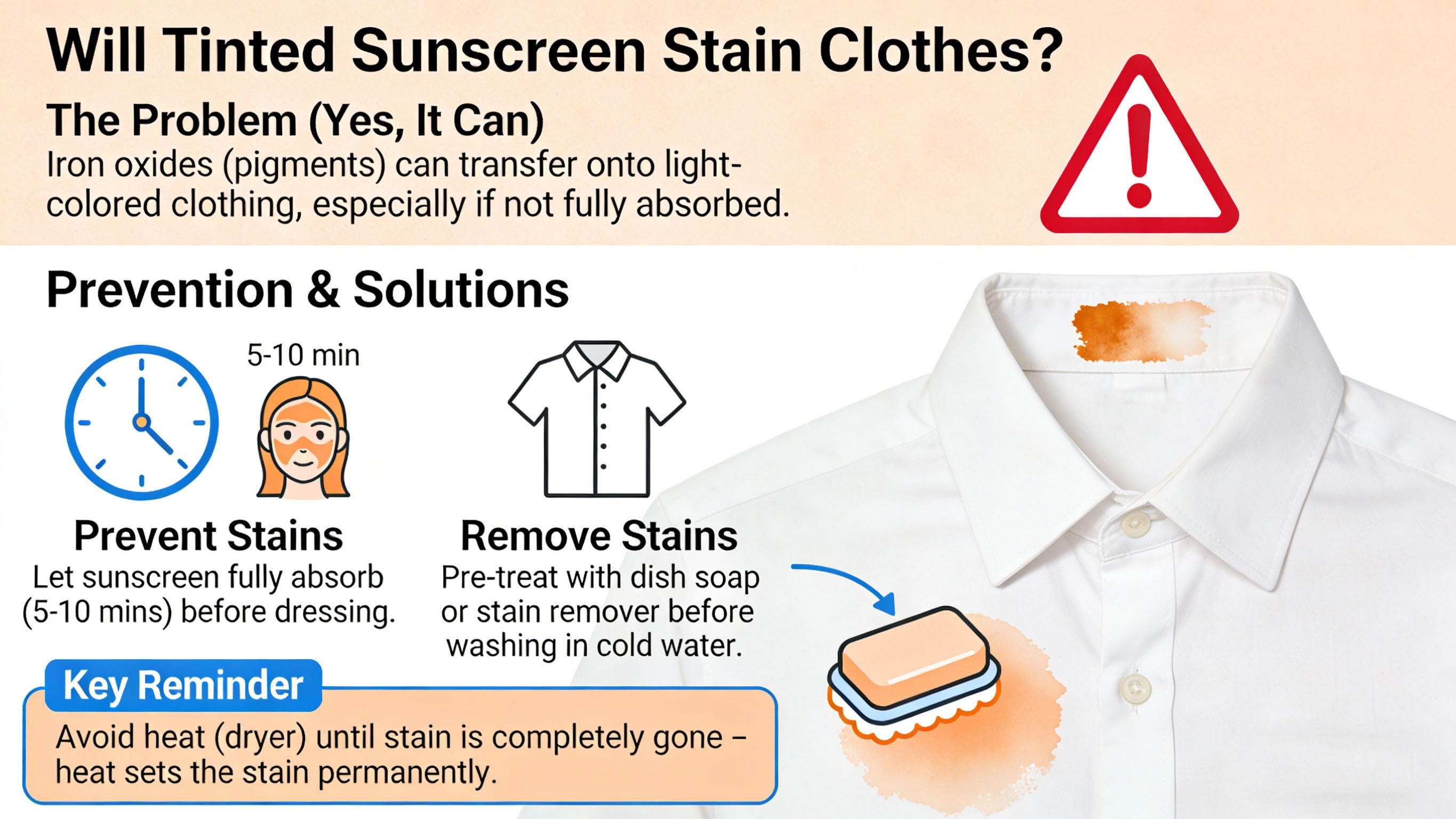
will tinted sunscreen stain clothes - RYSUN
Formulating Transfer-Proof Tinted SPF: OEM Guide | Rysun

Every cosmetic founder dreads the same customer review: "It ruined my white collar." While everyday consumers view transferring tinted sunscreen as a frustrating annoyance, brand owners know it is a massive financial liability that spikes return rates and destroys brand loyalty. Attempting to formulate a tinted SPF using standard, non-volatile carrier oils guarantees that your active pigments will bleed onto fabrics. In this technical OEM guide, the Guangzhou Rysun Research Institute breaks down the cosmetic chemistry of transfer resistance. Discover how our proprietary 90-second dry-down technology and advanced polymer film-formers lock pigment onto the skin, protecting your consumers' wardrobes and your bottom line.


Formulating Transfer-Proof Tinted SPF: OEM Guide | Rysun
How do I choose the right tinted SPF shade - RYSUN
How to Choose Tinted SPF Shades for Your Brand | Rysun OEM

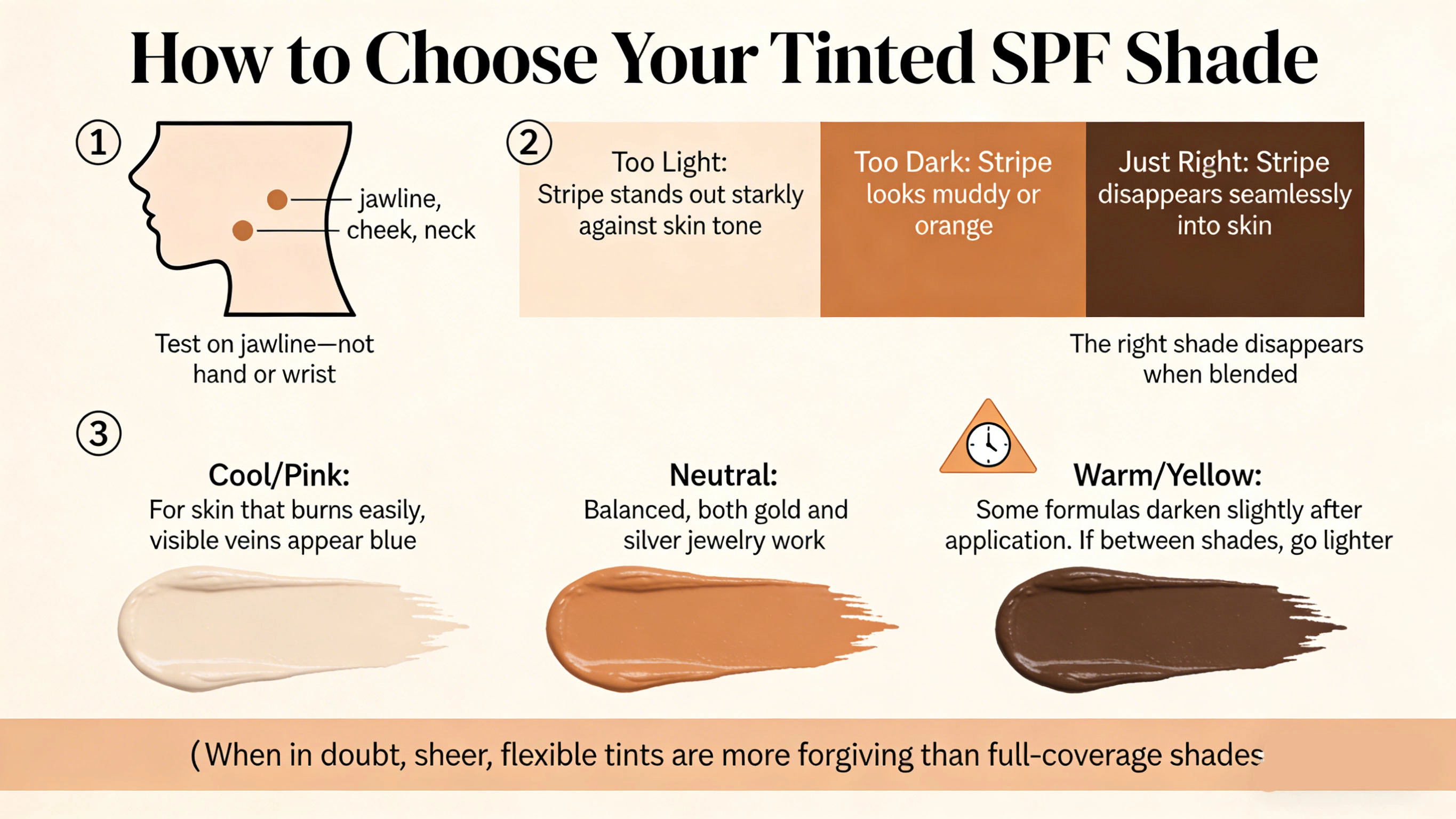
Launching a tinted SPF is one of the most complex product development challenges a skincare brand can face. You are not just matching skin tones; you are fighting the physical opacity of mineral UV filters and the constant threat of pigment oxidation. In this technical formulation guide, the Guangzhou Rysun Research Institute breaks down the cosmetic chemistry behind flawless shade matching. Whether you are developing a minimalist universal tint or a comprehensive, inclusive cosmetic range, discover the chemical engineering and financial strategies required to launch a highly stable, market-ready hybrid SPF.


How to Choose Tinted SPF Shades for Your Brand | Rysun OEM
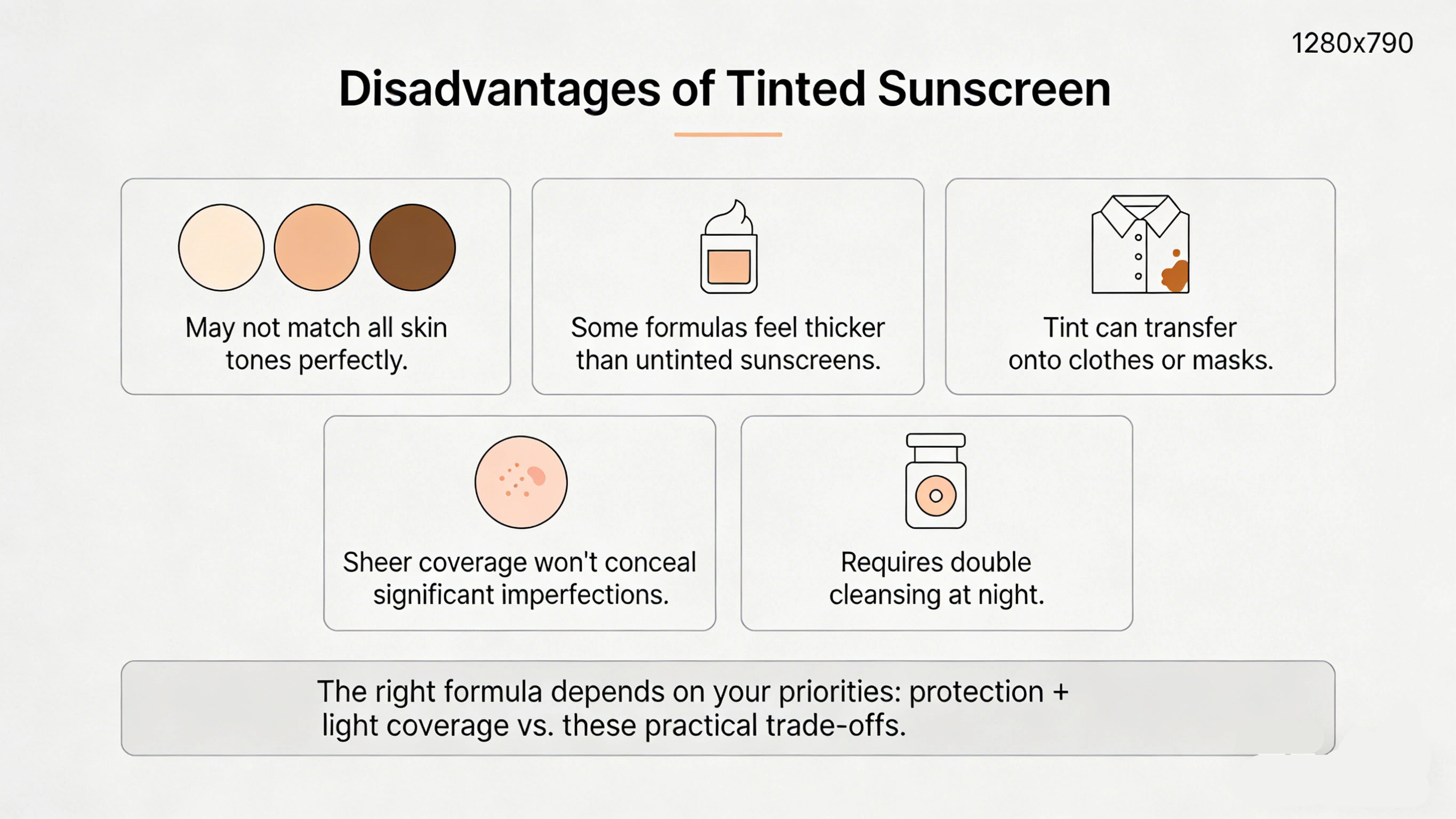
What are the disadvantages of tinted sunscreen - RYSUN
Overcoming Tinted Sunscreen Disadvantages: OEM Formulation Guide

Common consumer complaints regarding tinted sunscreens—such as unnatural shade oxidation, heavy textures, formula separation, and pilling—present significant risks to a brand’s reputation and profit margins. This R&D formulation guide outlines how brand owners can overcome these inherent flaws through advanced OEM/ODM manufacturing. By implementing advanced pigment encapsulation, high-shear homogenization, and premium film-forming agents, cosmetic brands can resolve these stability issues. Ultimately, upgrading your formulation strategy ensures a reliable supply chain, drastically reduces product return rates, and delivers a lightweight, highly stable hybrid SPF that captures market loyalty.

Overcoming Tinted Sunscreen Disadvantages: OEM Formulation Guide
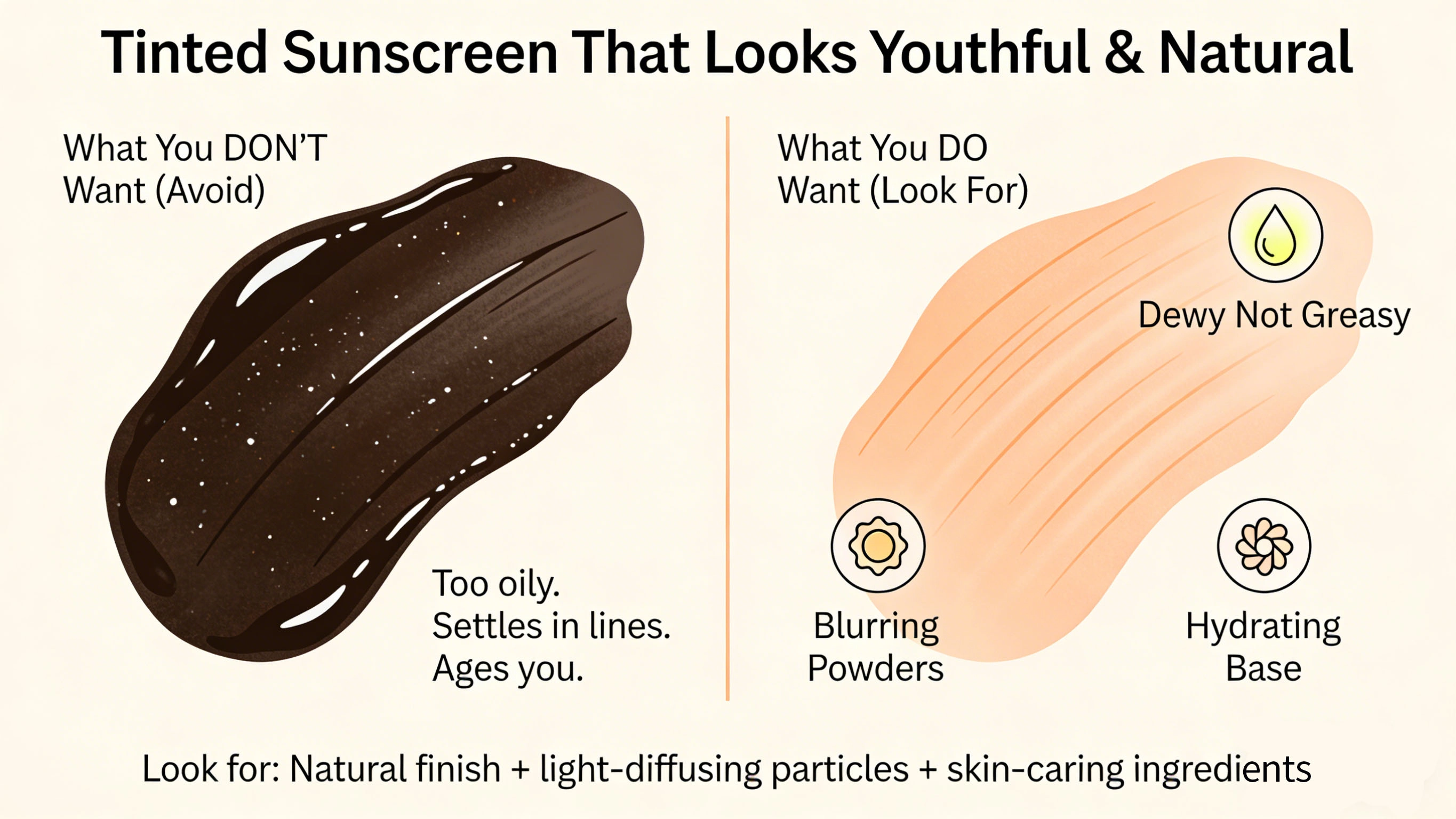
I’m looking for a tinted sunscreen that doesn’t make me look old or oily - RYSUN
OEM Private Label Tinted Sunscreen: Non-Oily & Anti-Aging | Rysun

In the competitive cosmetic manufacturing market, consumers frequently reject tinted sunscreens that either dehydrate mature skin or trigger excess sebum production. For skincare brand owners, balancing these opposing biological needs is a complex R&D challenge.

  • The Biological Problem: Heavy physical UV filters often require occlusive carrier oils that trap oxidizing sebum and clog pores. Conversely, highly astringent mattifying agents strip the aging stratum corneum of its remaining lipids, emphasizing fine lines.

  • The R&D Solution: Utilizing specialized micro-porous silica spheres, micronized mineral filters, and Swiss-inspired peptide matrices, brands can develop a highly breathable, non-comedogenic formula.

  • The Business Impact: Delivering a biologically optimized SPF base drastically reduces product return rates, elevates your brand's clinical authority, and allows you to command a premium retail price.

OEM Private Label Tinted Sunscreen: Non-Oily & Anti-Aging | Rysun
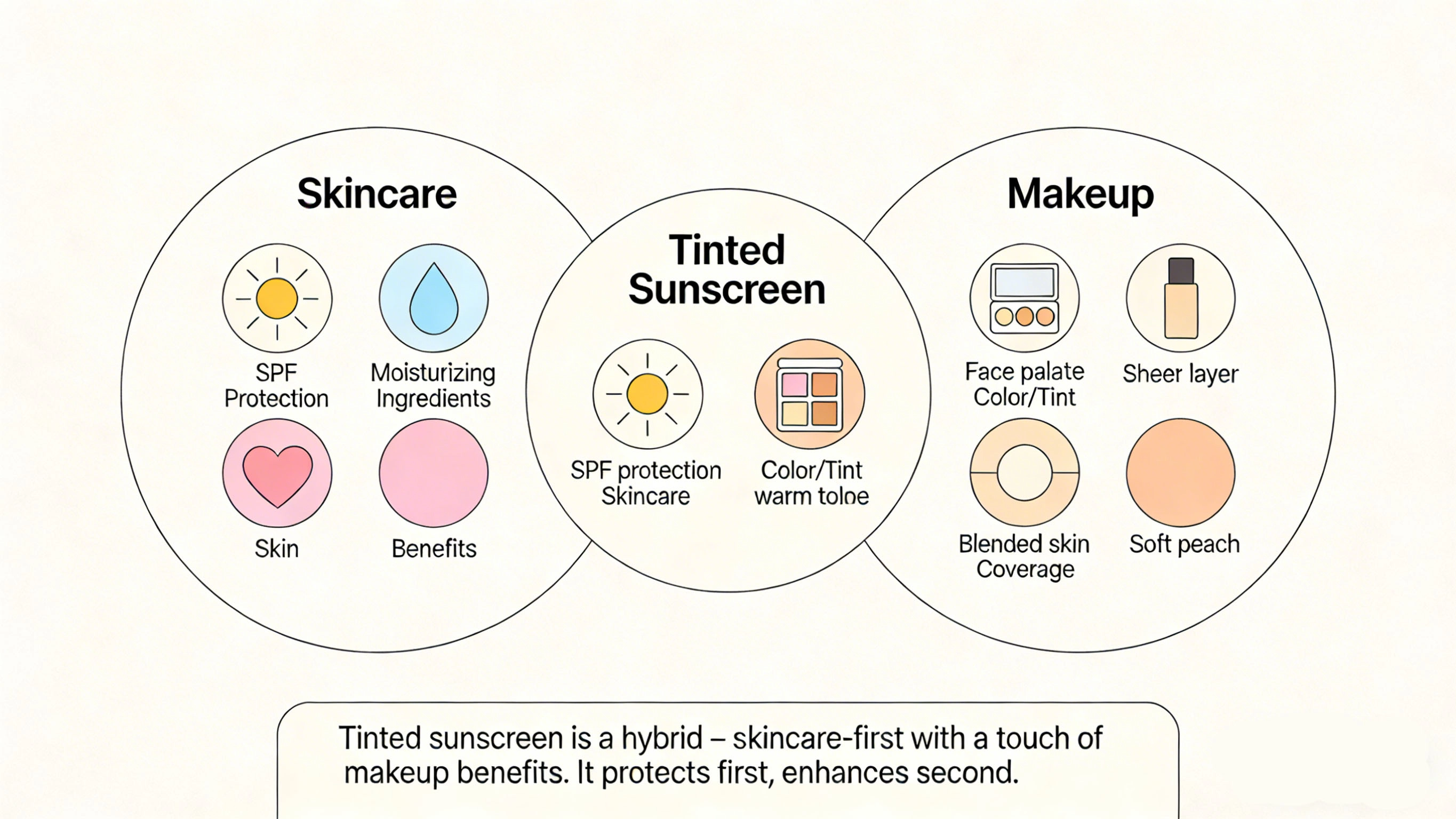
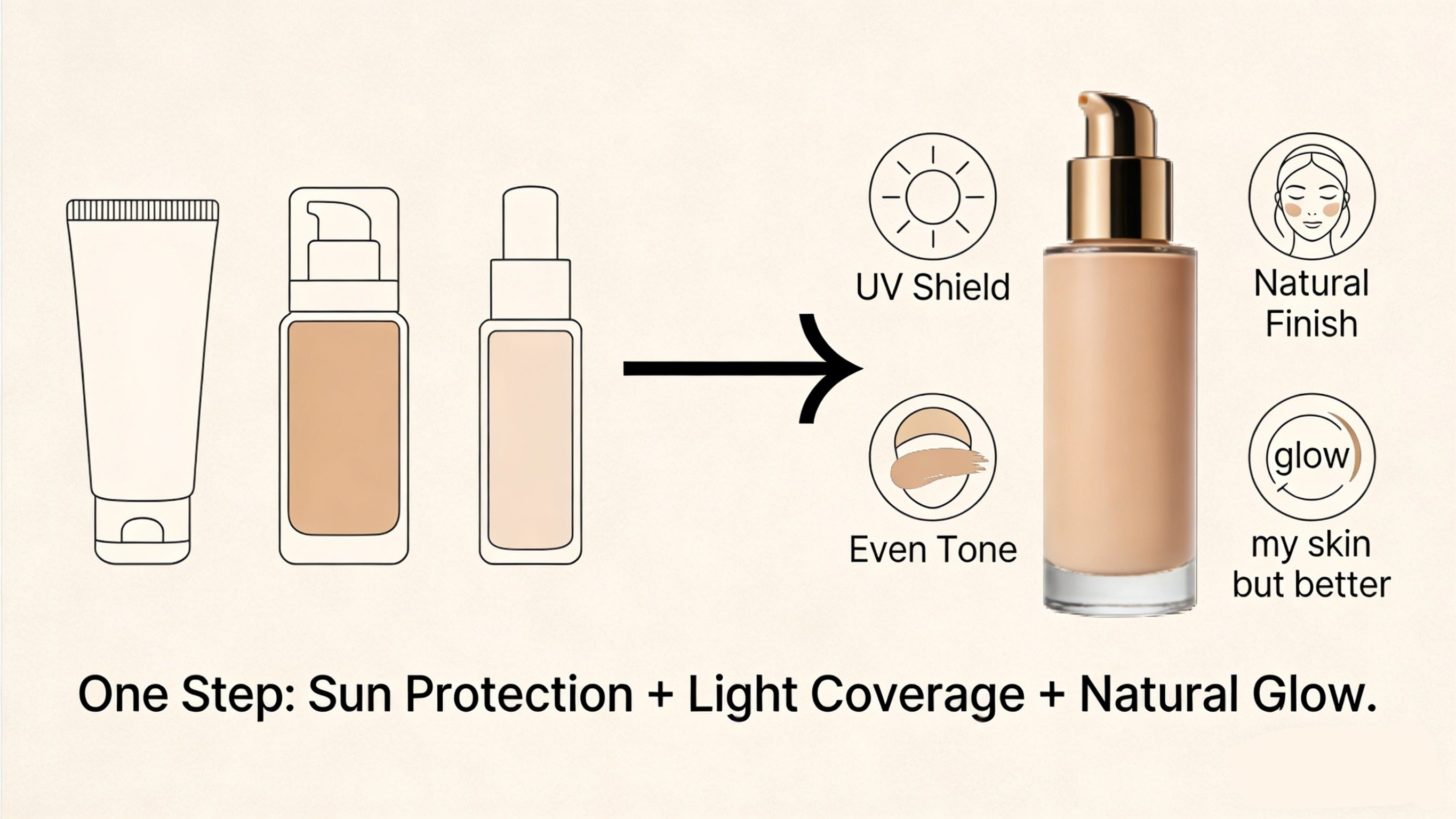
Is tinted sunscreen basically makeup - RYSUN
Is Tinted Sunscreen Basically Makeup? OEM Guide to Hybrid SPF

The global beauty market is undergoing a massive shift driven by "skinimalism." Consumers are abandoning heavy, multi-step routines in favor of high-performance, multi-functional products. At the center of this transition is tinted sunscreen—a product category that is currently expanding at a robust 8% CAGR.

However, a persistent question continues to blur the lines for both consumers and emerging brand developers: Is tinted sunscreen basically just makeup with a little SPF thrown in?

For skincare brands, cosmetic wholesalers, and product managers, the answer to this question dictates everything from formulation chemistry and profit margins to international regulatory compliance. Treating a tinted SPF like a standard BB cream during the R&D phase is a fast track to phase separation, failed SPF testing, and costly product recalls.

In this comprehensive guide, we strip away the consumer marketing fluff to look at the manufacturing reality of hybrid suncare. We will explore the technical complexities of pigment dispersion, map out the regulatory timeline for global compliance, and provide a definitive OEM sourcing checklist to help your brand successfully launch a stable, high-margin tinted sunscreen.

Is Tinted Sunscreen Basically Makeup? OEM Guide to Hybrid SPF
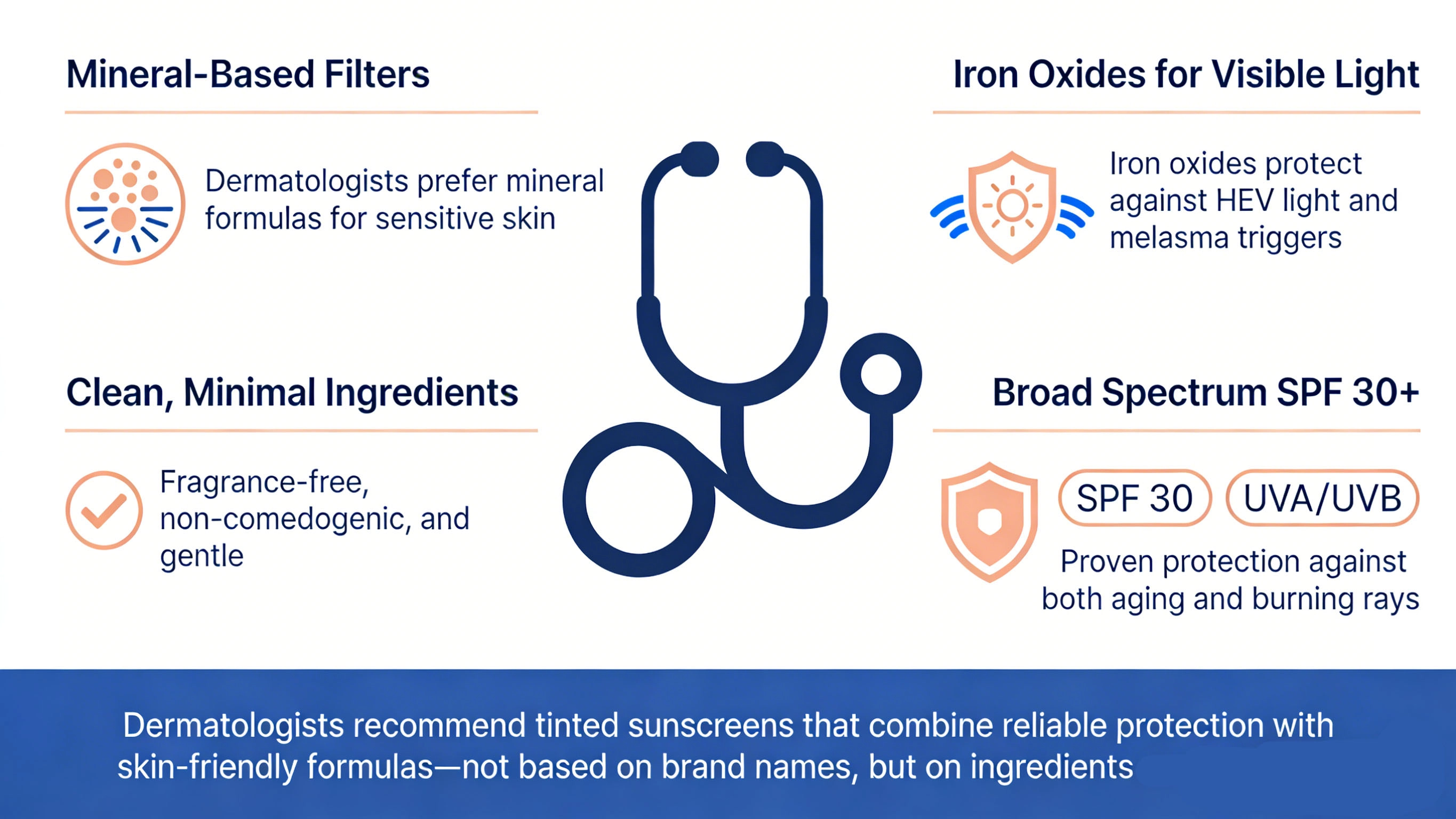
What tinted sunscreen do dermatologists recommend - RYSUN
What Tinted Sunscreen Do Dermatologists Recommend? OEM Guide

Consumers constantly ask what tinted sunscreen dermatologists recommend. Discover how Rysun's OEM experts help brands formulate clinical-grade, safe SPF.
What Tinted Sunscreen Do Dermatologists Recommend? OEM Guide
Is tinted sunscreen good for mature skin - RYSUN
Is Tinted Sunscreen Good for Mature Skin? OEM Formulation Guide

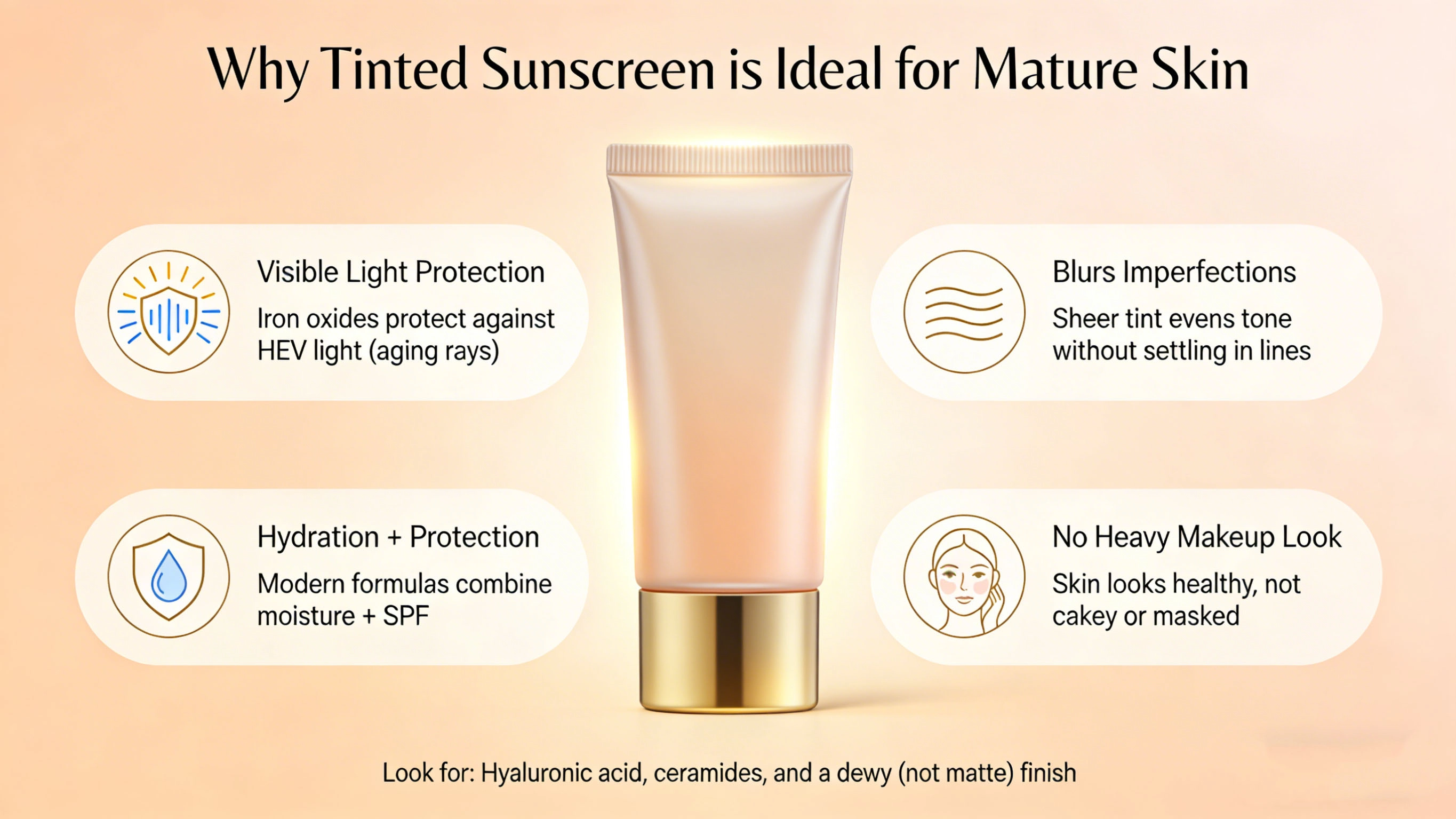
Consumers constantly ask, "is tinted sunscreen good for mature skin?" Discover how to formulate premium, anti-aging private label SPF with Rysun’s OEM experts.
Is Tinted Sunscreen Good for Mature Skin? OEM Formulation Guide
why tinted sunscreen - RYSUN
Why Your Brand Needs a Tinted Sunscreen in 2026 | OEM Guide

As the beauty industry accelerates into 2026, the global demand for hybrid "Skinimalism" cosmetics has transformed tinted sunscreen from a niche clinical offering into a multi-billion-dollar OEM opportunity. Today’s skincare brand owners, dermatology clinics, and beauty entrepreneurs recognize that a high-quality tinted SPF is no longer just a seasonal accessory—it is an essential, high-margin cornerstone of modern skincare routines. Consumers are demanding sophisticated, multitasking formulations that provide flawless cosmetic coverage, active anti-aging hydration, and crucial High-Energy Visible (HEV) blue light defense.

However, capturing a share of this lucrative market requires overcoming notoriously difficult manufacturing hurdles. Developing a premium tinted SPF means navigating unstable emulsions, chalky textures, pigment agglomeration, and strict global regulatory testing.

This is where partnering with an expert manufacturer becomes your strongest competitive advantage. As a premier cosmetic OEM/ODM manufacturer, Guangzhou Rysun Biotechnology Co., Ltd. provides the advanced R&D, specialized packaging compatibility protocols, and strict OTC compliance necessary to help brands launch stable and highly profitable tinted sunscreens.

Whether you are looking to customize a proven white-label formula or engineer a complex new product, this ultimate guide breaks down exactly how to navigate the technical landscape of tinted SPF manufacturing in 2026 and successfully build your brand's next hero product.

Why Your Brand Needs a Tinted Sunscreen in 2026 | OEM Guide
reef safe sunscreen vs regular sunscreen - RYSUN
OEM Chemistry: Reef-Safe Sunscreen vs. Regular Sunscreen Formulation

Transitioning a sun care line from regular chemical filters to true reef-safe formulations requires a complete molecular rebuild. Simply removing the legacy ingredients that harm coral reefs often leaves brands with unstable, chalky pastes. At Guangzhou Rysun Biotechnology Co., Ltd., our FDA-registered Research Institute specializes in elite mineral architectures. Here is the definitive OEM guide comparing reef-safe sunscreen vs. regular sunscreen, detailing how we engineer sheer, globally compliant non-nano zinc oxide formulations.

OEM Chemistry: Reef-Safe Sunscreen vs. Regular Sunscreen Formulation
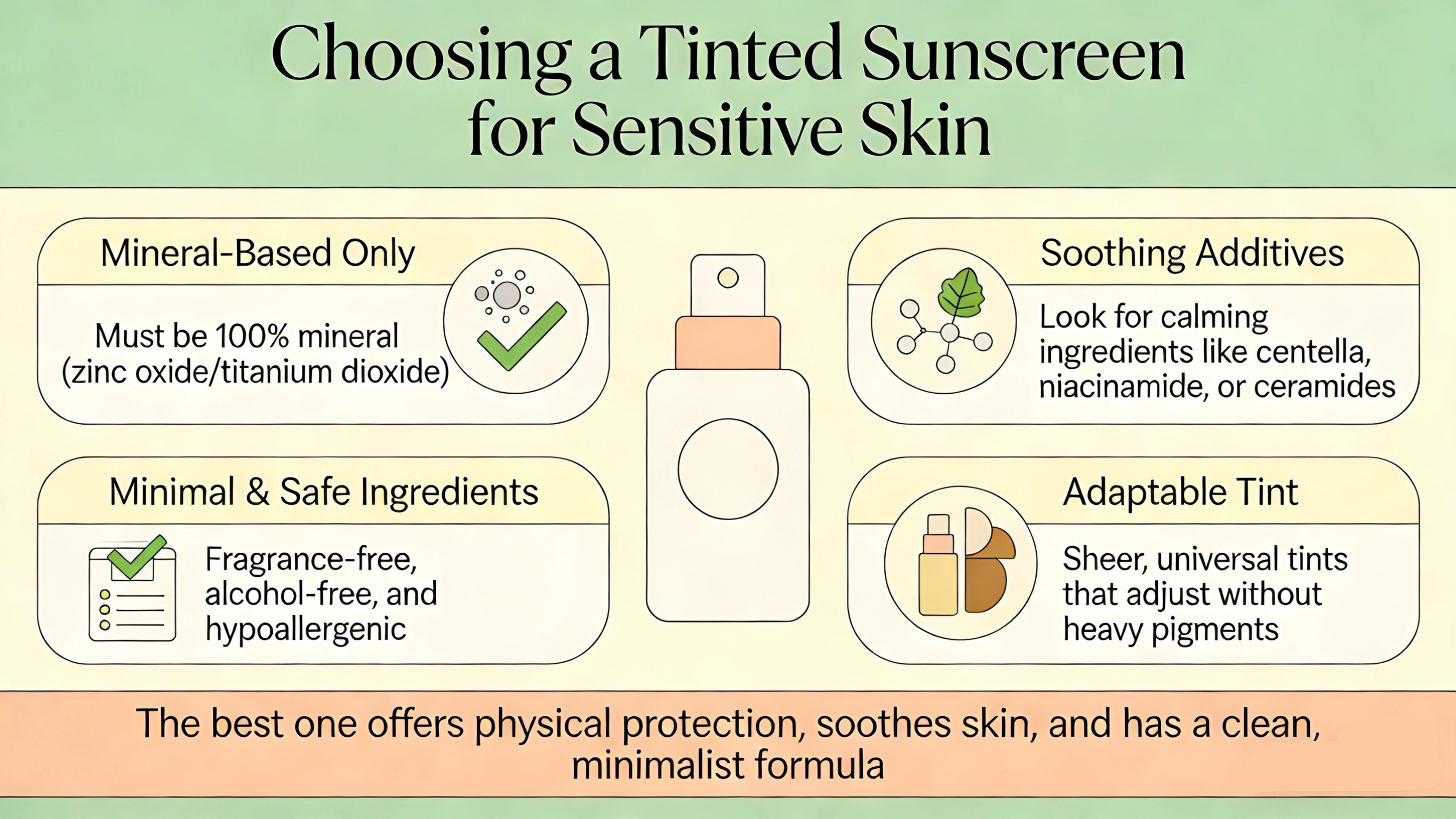
which tinted sunscreen is best for sensitive skin - RYSUN
Formulating Sensitive Skin Tinted SPF | OEM Guide

Formulating a tinted SPF for sensitive skin is one of the highest-stakes challenges in cosmetic manufacturing. Whether you are building a consumer brand for rosacea-prone skin or developing a post-procedure line for a medical spa, the margin for error is zero. Attempting to mask standard chemical UV filters with soothing botanicals inevitably triggers heat-induced contact dermatitis on compromised skin. In this comprehensive OEM guide, the Guangzhou Rysun Research Institute breaks down the clinical chemistry of hypoallergenic suncare. Discover why 100% micronized mineral attenuation is the only financially secure, OTC-compliant way to formulate for the world’s most reactive skin types.


Formulating Sensitive Skin Tinted SPF | OEM Guide
What qualifies as reef safe sunscreen - RYSUN
The OEM Formulation Guide to Reef-Safe Compliance and Marine Ecotoxicology

For modern skincare brand founders, the transition to "Clean Beauty" sun care is fraught with hidden legal and chemical liabilities. Because the phrase "reef-safe" is not a federally standardized term by the FDA, the market is saturated with opportunistic greenwashing. Many contract manufacturers rely on outdated chemical architectures, simply swapping one marine toxin for another to secure a marketing claim. This negligence has triggered aggressive retail crackdowns, consumer class-action lawsuits, and sweeping legislative bans across coastal markets from Hawaii to the U.S. Virgin Islands. At Guangzhou Rysun Biotechnology Co., Ltd., our Research Institute engineers sun care strictly through the lens of verifiable marine ecotoxicology. Backed by an FDA-Registered facility and 105 proprietary patents, here is the definitive OEM formulation guide outlining the banned UV filters, the evolving legislative landscape, and the advanced particle chemistry required to manufacture a legally compliant, non-nano mineral sunscreen.

The OEM Formulation Guide to Reef-Safe Compliance and Marine Ecotoxicology
does mineral sunscreen expire - RYSUN
Mineral Sunscreen Labeling Guide: Expiration, Application & Removal

A premium formulation is only as good as the instructions on the box. In the high-stakes world of sun care, consumer error is a brand owner’s biggest liability. From misunderstanding expiration dates to improper removal protocols, poor education leads to product failure and negative reviews. Here is the manufacturer’s guide to 'Consumer-Proofing' your mineral SPF line—ensuring your brand delivers on its performance promises from the first application to the final drop.

Mineral Sunscreen Labeling Guide: Expiration, Application & Removal
mineral sunscreen that is dewy and leaves no white cast - RYSUN
OEM Mineral Sunscreen: Dewy Finish, No White Cast Technology

The Manufacturing Aim: In 2026, launching a basic zinc sunscreen is no longer enough to win retail space. Consumers demand the safety of a physical filter, but they expect the cosmetic elegance of a luxury skincare serum. If your current manufacturer cannot formulate a mineral sunscreen that is dewy and leaves no white cast, your brand is automatically disqualified from the rapidly growing "Glass Skin" and premium clean beauty markets. Here is how advanced proprietary R&D has finally solved the industry's biggest aesthetic hurdle.

OEM Mineral Sunscreen: Dewy Finish, No White Cast Technology
mineral vs chemical sunscreen - RYSUN
Mineral vs Chemical Sunscreen: What Skincare Brands Must Know

By 2027, the global mineral sunscreen market is projected to surpass $3.5 billion, but for brand founders, the real story isn't just growth—it’s survival. With the FDA moving toward stricter oversight of chemical filters and consumers demanding 'barrier-first' transparency, the choice between mineral and chemical isn't just a formulation preference; it is a long-term business strategy. In a market where dermatological trust is the new currency, are you building your brand on a stable foundation or a regulatory liability?

Mineral vs Chemical Sunscreen: What Skincare Brands Must Know
what is mineral sunscreen - RYSUN
What is Mineral Sunscreen? Ingredients, Benefits & Formulation Challenges

The 2026 Formulation Reality: The question is no longer whether your brand should launch a mineral sunscreen—it’s whether your manufacturer has the technology to make it wearable. As global brands scramble to meet strict FDA GRASE standards with zinc-based formulas, a majority will fail at the sample phase due to a single problem: the dreaded white cast. But what if the white cast isn't an ingredient flaw, but a geometric failure? Here is the exact science of physical UV blockers and how advanced manufacturing is rewriting the rules of cosmetic elegance.

What is Mineral Sunscreen? Ingredients, Benefits & Formulation Challenges
What to apply after dark spot correcting glow serum - RYSUN
What to Apply After Dark Spot Serum: OEM Product Line Strategy

When consumers search for "What to apply after dark spot correcting glow serum," they are actively looking for a routine. However, for skincare brand owners and product developers, this query highlights a critical vulnerability in single-product launches. Highly active brightening serums—loaded with tyrosinase inhibitors, low-pH exfoliants, and penetration enhancers—can temporarily compromise the stratum corneum if not properly supported.

Launching a standalone dark spot serum without engineering the complementary post-serum steps often leads to barrier damage, inflammation-induced pigmentation, and ultimately, high customer churn. At Guangzhou Rysun Biotechnology Co., Ltd., we advise our B2B partners to move away from isolated product launches and instead engineer Skincare Ecosystems. This guide breaks down the clinical chemistry of post-serum layering, demonstrating how brand owners can expand their product lines to guarantee clinical efficacy, reduce irritation, and significantly increase Average Order Value (AOV).

What to Apply After Dark Spot Serum: OEM Product Line Strategy

/ Let’s Build Together

Partner With a Trusted OEM/ODM Manufacturer

We provide end-to-end support tailored to your business needs.

Aelen Tran

Property Manager

Name must not exceed 100 characters.
Invalid email format or length exceeds 100 characters. Please re-enter.
Please enter a valid phone number!
Your MOQ for this order must not exceed 100 characters.
What is your business type must not exceed 100 characters.
Company name must not exceed 100 characters.
Please share more ideas must not exceed 3000 characters.
Contact customer service

Have a specific project?

Hi,

If you are interested in our products/custom services or have any questions, please let us know so that we can better assist you.

×
Name must not exceed 100 characters.
Invalid email format or length exceeds 100 characters. Please re-enter.
Please enter a valid phone number!
Your MOQ for this order must not exceed 100 characters.
What is your business type must not exceed 100 characters.
Company name must not exceed 100 characters.
Please share more ideas must not exceed 3000 characters.

Customize your exclusive skincare solution

Please fill in your brand concept and product requirements. Rysun will rely on its strong scientific research strength to create high-quality, personalized skin care solutions for you.

×
Name must not exceed 100 characters.
Invalid email format or length exceeds 100 characters. Please re-enter.
Please enter a valid phone number!
Your MOQ for this order must not exceed 100 characters.
What is your business type must not exceed 100 characters.
Company name must not exceed 100 characters.
Please share more ideas must not exceed 3000 characters.

Get exclusive product quotation

Please fill in the product type, specification and quantity requirements you are interested in. Rysun will provide you with a fast and accurate quotation plan to help your brand land efficiently.

×
Name must not exceed 100 characters.
Invalid email format or length exceeds 100 characters. Please re-enter.
Please enter a valid phone number!
Your MOQ for this order must not exceed 100 characters.
What is your business type must not exceed 100 characters.
Company name must not exceed 100 characters.
Please share more ideas must not exceed 3000 characters.

Let Us know your brand and needs

In order to better provide you with customized services, please describe your target market, product direction and other special needs. Our professional team will develop the best solution for you.

×
Name must not exceed 100 characters.
Invalid email format or length exceeds 100 characters. Please re-enter.
Please enter a valid phone number!
Your MOQ for this order must not exceed 100 characters.
What is your business type must not exceed 100 characters.
Company name must not exceed 100 characters.
Please share more ideas must not exceed 3000 characters.