


How to Vet Private Label Argan Oil Manufacturers
- Why the Manufacturer Selection Matters for Argan Oil Products
- Cold-pressing, stability and real performance
- Traceability: origin, harvest and fairness
- Product fit: hair oil for dry hair vs. cosmetic uses
- Step-by-Step Vetting Process
- Initial document and claims check
- On-site or virtual factory tour
- Sampling plan and blind comparison
- Quality, Testing and Regulatory Compliance
- Analytical testing: what to request
- Microbial, heavy metals and contaminants
- Stability and oxidative testing
- Commercial, Packaging and Contract Considerations
- Minimum order quantity (MOQ) and scalability
- Packaging, labeling and barrier protection
- Contracts, IP protection and exclusivity
- Practical Tools: Tests, Checklists and Comparison Table
- Quick manufacturer checklist
- Comparison table: key specs to compare across manufacturers
- Third-party verification and references
- Practical Case: Our Private Label Argan Oil Example
- Product brief
- Use-case testing and consumer claims
- Red Flags and When to Walk Away
- Common red flags
- Escalation steps
- FAQ
- Q: What makes a quality argan oil a good hair oil for dry hair?
- Q: Can a manufacturer legally label an oil cold-pressed if they do partial refining?
- Q: How important is Vitamin E in argan oil formulations?
- Q: What are typical lead times and MOQs for private label argan oil?
- Q: Where can I find reliable standards and guidance?
- Next Steps & Contact

Private Label Argan Oil is an increasingly popular choice for brands looking to offer a High Quality hair oil for dry hair. This guide shows brand owners, buyers, and product managers how to vet private label argan oil manufacturers thoroughly: from validating cold-pressing claims and raw material traceability to testing, certifications, packaging, MOQ negotiation, and commercial safeguards. Use these steps to reduce product, regulatory, and reputational risk while ensuring the argan oil you put on shelves delivers the moisturizing, smoothing results consumers expect.
Why the Manufacturer Selection Matters for Argan Oil Products
Cold-pressing, stability and real performance
A cold-pressed argan oil offers a truly natural, lightweight, and effective solution for hair health. Cold-pressing preserves the oil's natural characteristics and high concentration of beneficial nutrients that effectively smooth the hair cuticle, tame frizz and flyaways, and provide deep moisture without a greasy feel—making it an excellent hair oil for dry hair. When vetting manufacturers, verify their cold-press process details, temperature control records, and whether they refine or deodorize the oil (which can reduce potency).
Traceability: origin, harvest and fairness
Argan oil's properties depend heavily on the Argania spinosa tree origin and post-harvest handling. Insist on supplier documentation for origin (e.g., region in Morocco), cooperatives used, harvest dates, and batch-level traceability. Ethical sourcing and cooperative involvement not only impact story and brand trust but also reduce the risk of adulteration. Look for documentation or third-party audits that confirm social and environmental practices.
Product fit: hair oil for dry hair vs. cosmetic uses
Clarify whether the manufacturer formulates the oil for use as a pure oil, a leave-in hair treatment, or as a component in blends (e.g., with vitamin E, silicones, or fragrances). A product marketed as hair oil for dry hair should balance lightweight emollience and rapid absorption—attributes that depend on cold-press quality and possible light fractionation or blending. Ask for finished-product sensory data and consumer-use feedback if available.
Step-by-Step Vetting Process
Initial document and claims check
Before samples, request key documents: COA (Certificate of Analysis) for each batch, safety data sheet (SDS), specification sheet (fatty acid profile, peroxide value, iodine value, free fatty acids), and any organic or fair-trade certificates. Cross-check claims such as cold-pressed or virgin against the COA and production logs. If a manufacturer cannot or will not provide batch-level COAs, treat that as a major red flag.
On-site or virtual factory tour
Whenever possible, arrange an on-site audit. If travel isn't feasible, request a live virtual tour. Focus on cleanliness, cross-contamination controls, storage conditions for raw and finished goods, pump and bottling hygiene, and lab capabilities. Check whether they follow cosmetic GMP such as ISO 22716. ISO 22716 guidance can be reviewed here: ISO 22716.
Sampling plan and blind comparison
Obtain multiple batches for testing: raw argan oil from different harvests and finished private label samples that match your intended packaging. Conduct blind sensory tests (odor, color, texture) and functional trials on hair (hydration, frizz reduction) compared against established benchmarks or competitor products positioned as hair oil for dry hair. Ask for accelerated stability samples and shelf-life projections.
Quality, Testing and Regulatory Compliance
Analytical testing: what to request
Require the following minimum tests on batch COAs: peroxide value (PV), free fatty acids (FFA), moisture & volatile matter, fatty acid profile (oleic, linoleic acid content), and specific extinction (if relevant). These parameters indicate oxidation, purity, and processing level. If the manufacturer adds Vitamin E to improve oxidative stability (as in our formula), verify the added tocopherol content on the COA and confirm it aligns with the finished-product label.
Microbial, heavy metals and contaminants
Although cold-pressed oils are low-risk for microbial proliferation, finished products (especially blends) must be tested for microbial limits. Also request heavy metals testing (lead, arsenic, cadmium, mercury) and tests for pesticide residues or solvent residues. For regulatory context on cosmetics safety and labeling in the U.S., consult the FDA cosmetics resource: FDA Cosmetics.
Stability and oxidative testing
Ask for accelerated stability (e.g., 40°C with 75% RH) and real-time stability data. Important endpoints include changes in peroxide value, sensory changes (rancidity), color shift, and package integrity. Vitamin E addition prevents argan oil from oxidizing; validate how long that protection lasts under expected shelf conditions. If you require longer shelf life, check antioxidant levels and packaging OTR (oxygen transmission rate).
Commercial, Packaging and Contract Considerations
Minimum order quantity (MOQ) and scalability
MOQ is a crucial negotiation point. For our Private Label Argan Oil, the MOQ is 1000 units. Confirm whether MOQ applies to flavors/fragrances, bottle types, or package tiers. Ask about tiered pricing, lead times for scaling, and how rapidly the manufacturer can replenish stock if a product sells faster than forecasted.
Packaging, labeling and barrier protection
Packaging choices materially affect oxidative stability and consumer experience. Amber glass bottles or aluminum containers with airtight pumps reduce light and oxygen exposure—critical for keeping hair oil for dry hair fresh and effective. Insist on specifying barrier performance (e.g., oxygen and light barriers) in your contract, and request packaging prototypes and material certificates.
Contracts, IP protection and exclusivity
Use contracts that cover: batch release criteria, recall and defect procedures, confidentiality, IP ownership of custom formulas, and exclusivity clauses if you require geographic or category protection. Include right-to-audit and third-party testing clauses. If a manufacturer sources raw argan oil blends multiple brands' lots together, insist on segregation or batch identifiers to preserve product integrity.
Practical Tools: Tests, Checklists and Comparison Table
Quick manufacturer checklist
- Batch-level COA for raw and finished goods
- SDS and full ingredient disclosure
- GMP certification or ISO 22716 compliance
- Stability and oxidative test results
- Heavy metals and pesticide testing
- Packaging barrier performance data
- Minimum order quantity & lead times
- Third-party audit or traceability documents
Comparison table: key specs to compare across manufacturers
| Spec / Metric | Why it matters | Acceptable Range / Expectation |
|---|---|---|
| Peroxide Value (meq O2/kg) | Oxidation indicator—higher means rancidity risk | <5 preferred for cold-pressed oils |
| Free Fatty Acids (%) | Indicator of hydrolytic degradation | <1.5% for virgin argan oil |
| Fatty Acid Profile | Defines performance (oleic/linoleic balance) | High oleic (40-50%) & presence of linoleic (30-40%) |
| Heavy Metals (ppm) | Contaminant safety | As low as analytically detectable; meet local limits |
| Microbial Limits | Ensures safe finished product | Complies with cosmetic microbial specs |
| Packaging OTR & Light Protection | Preserves shelf life | Low OTR bottles, amber/glass preferred |
| MOQ & Lead Time | Commercial feasibility | MOQ 1,000 units (example) & clear lead times |
Third-party verification and references
Request references from other brands and independent lab reports. Consider hiring a third-party lab for confirmatory testing of COAs. Industry references and standards help: see Cosmetics Europe for industry guidance: Cosmetics Europe. For general background on argan oil properties, consult the Argan oil entry on Wikipedia: Argan oil — Wikipedia.
Practical Case: Our Private Label Argan Oil Example
Product brief
Below is the sample product description we provide to prospects and private label partners when sharing our cold-pressed argan oil formula and MOQ details:
A cold-pressed argan oil offers a truly natural, lightweight, and effective solution for hair health.
The key to our formula is the cold-pressing Argan Oil, which is crucial as it preserves the oil's natural characteristics and high concentration of beneficial nutrients that effectively smooths the hair cuticle, taming frizz and flyaways, providing deep moisture without a greasy feel. This results in hair that is softer and has a natural, long-lasting shine.
In the formula, we also add Vitamin E to prevent the argan oil from oxidizing. A true mate to your healthier hair.
MOQ for this private label argan oil is 1000 units.
Use-case testing and consumer claims
To substantiate claims like helps reduce frizz or deep moisture for dry hair, run a small consumer panel or clinical trial focused on endpoints such as combability, frizz reduction, shine increase, and subjective moisturization. Document protocol and results so marketing claims are supported. Regulatory expectations vary by market, so ensure claims are worded appropriately to avoid implying drug-like benefits.
Red Flags and When to Walk Away
Common red flags
- Inability to provide batch COAs or lab access
- Lack of basic GMP or refusal of audit
- Inconsistent answers on origin or production process
- Unexplained variability between batches
- Hidden fees, vague lead times, or unwillingness to demonstrate packaging prototypes
Escalation steps
If you find discrepancies, pause new orders, request independent testing, and, if necessary, terminate negotiations. Protect RYSUN with contractual warranties for product conformity and recall assistance. Consider onboarding a second-source supplier to mitigate supply risk.
FAQ
Q: What makes a quality argan oil a good hair oil for dry hair?
A: Quality cold-pressed argan oil has a favorable fatty acid profile and natural antioxidants that penetrate hair to smooth cuticles and restore moisture without leaving a heavy residue. Low peroxide and FFA values indicate freshness and efficacy.
Q: Can a manufacturer legally label an oil cold-pressed if they do partial refining?
A: Labeling practices depend on jurisdiction. Ethically, cold-pressed should mean mechanical extraction without heat or chemical refining that alters the oil's natural composition. Require process documentation and COAs to validate claims.
Q: How important is Vitamin E in argan oil formulations?
A: Vitamin E (tocopherol) is an antioxidant often added to extend shelf life and slow oxidation. It complements cold-pressed argan oil by protecting sensitive unsaturated fatty acids from rancidity, especially in smaller-dose consumer packaging.
Q: What are typical lead times and MOQs for private label argan oil?
A: Lead times vary by manufacturer, but typical MOQs start at 1,000 units for private label batches. Lead times can range from 4-12 weeks depending on packaging complexity, testing, and customs if sourcing internationally.
Q: Where can I find reliable standards and guidance?
A: Useful resources include ISO 22716 for GMP guidance: ISO 22716, FDA cosmetics information: FDA Cosmetics, and industry guidance from Cosmetics Europe: Cosmetics Europe. For background on argan oil properties, see: Argan oil — Wikipedia.
Next Steps & Contact
If you’re ready to evaluate suppliers or request a sample of our Private Label Argan Oil (MOQ 1000 units), view the product details or contact our private label team for pricing, lead times, and sample requests: View Private Label Argan Oil or Contact Sales. You can also email sales at sales@example.com.

Pricing Strategy Guide for Private Label Argan Oil (B2B Buyers)
Benefits of Natural Vitamin C Serum for Different Skin Types
Best Gentle Makeup Removers for Acne-Prone Skin
Top 10 Gentle Makeup Removers for Waterproof Mascara
Face Mist
Is the pH balanced for skin comfort and barrier health?
Yes, it is mild formula with alcohol.
Men's Care
What is the MOQ?
If packed in the bottle, we will ask for 1000 units.
Body Mist
What is the MOQ?
Usually we will ask 1000 units for private label.
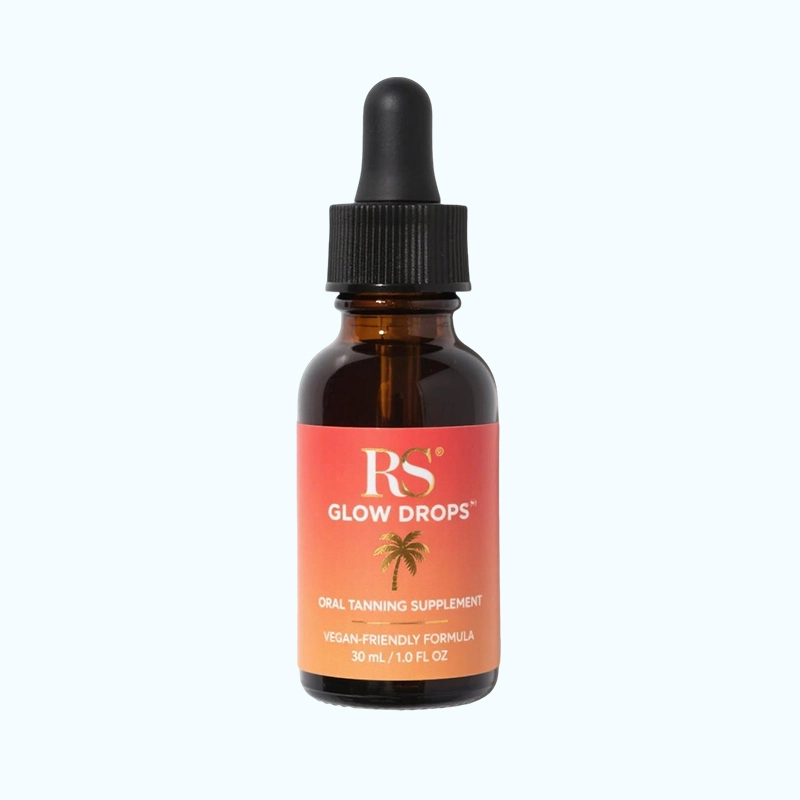
Beauty Tanning
What is the MOQ for tanning products?
If you want to pack the products in tubes, you need 3000 pcs. If in a bottle, 1000 pcs are ok.
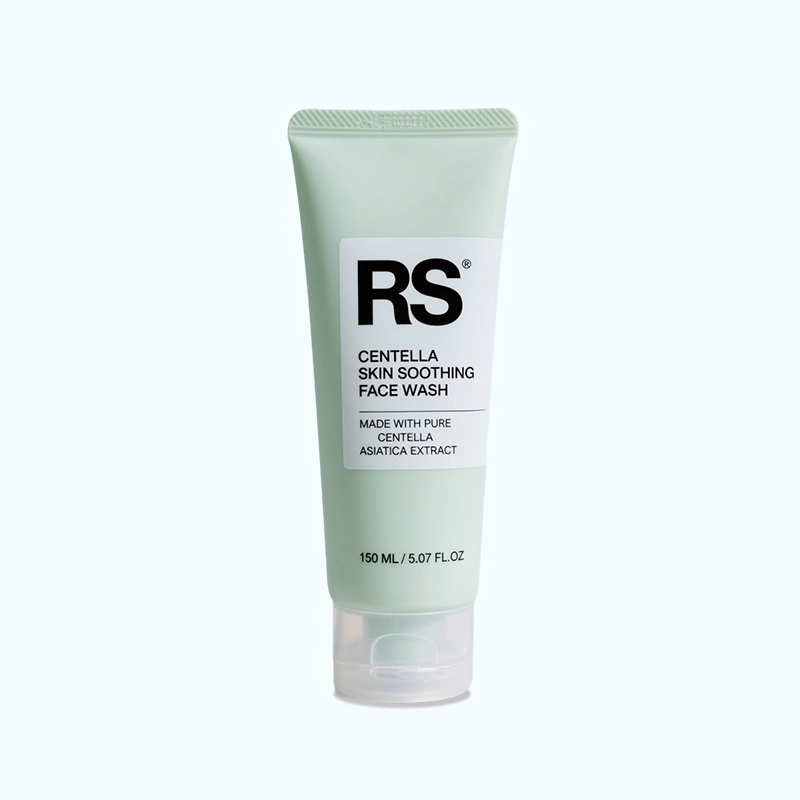
Face Wash
Can you develop a face wash that aligns with current market trends?
Yes, we have regular research on the new ingredients and keyword data.

Get more information
If you have any comments or good suggestions, please leave us a message; later our professional staff will contact you as soon as possible.
Rysun Biotechnology--Unremittingly strive for human health and beauty
Contact RYSUN
Email: k.lee@rysunoem.com
WhatsApp: +86 156 0306 9138
Address: No. 62 Nanxiang First Road, Science Town of Guangzhou Developed Zone, Huangpu, Guangzhou, China.
© 2025 RYSUN. All Rights Reserved. Privacy Policy | Terms and Conditions | Sitemap
Facebook
Instagram