

Private-Label Face Hydrating Cream: Buyer Specification Guide
- Private-Label Face Hydrating Cream: Buyer Specification Guide
- Overview — Why choose a private-label face cream for dry skin
- Product snapshot — Key product positioning and formula summary
- Buyer intent keyword — Face cream for dry skin: target consumer needs
- Formulation Requirements — Active ingredients and concentration ranges
- Essential actives for barrier repair and hydration (embed )
- Functional excipients and texture targets
- Performance Criteria — Measurable claims and testing
- Claims and how to substantiate them (commercial claims for face cream for dry skin)
- Essential laboratory and clinical tests
- Ingredient Comparison — Humectants and their performance
- Manufacturing & Quality Specifications — From lab to shelf
- Batch size, MOQ and production logistics
- Quality control checkpoints
- Regulatory, Labelling and Claims Compliance
- Regulatory frameworks to consider
- Label wording and prohibited claims
- Packaging, Sustainability, and Shelf Life
- Packaging options aligned with product function
- Shelf life and storage
- Brand Advantages — Why choose our Private Label Face Dryness Cream Face Hydrating
- Brand positioning and manufacturing strengths
- Procurement Checklist — Steps to secure a compliant private-label face cream
- FAQ — Frequently Asked Questions about Private-Label Face Hydrating Cream
- Q1: What differentiates this private-label product from generic moisturizers?
- Q2: Is the formula suitable for sensitive skin?
- Q3: What clinical data are needed to support hydrates up to 24 hours claims?
- Q4: Can the formula be customized (e.g., fragrance-free or with SPF)?
- Q5: What does MOQ 1000 units mean for lead times and pricing?
- Q6: How should the product be labeled for international markets?
- Contact & Next Steps — Get the private-label face cream for dry skin
- References and Authoritative Sources
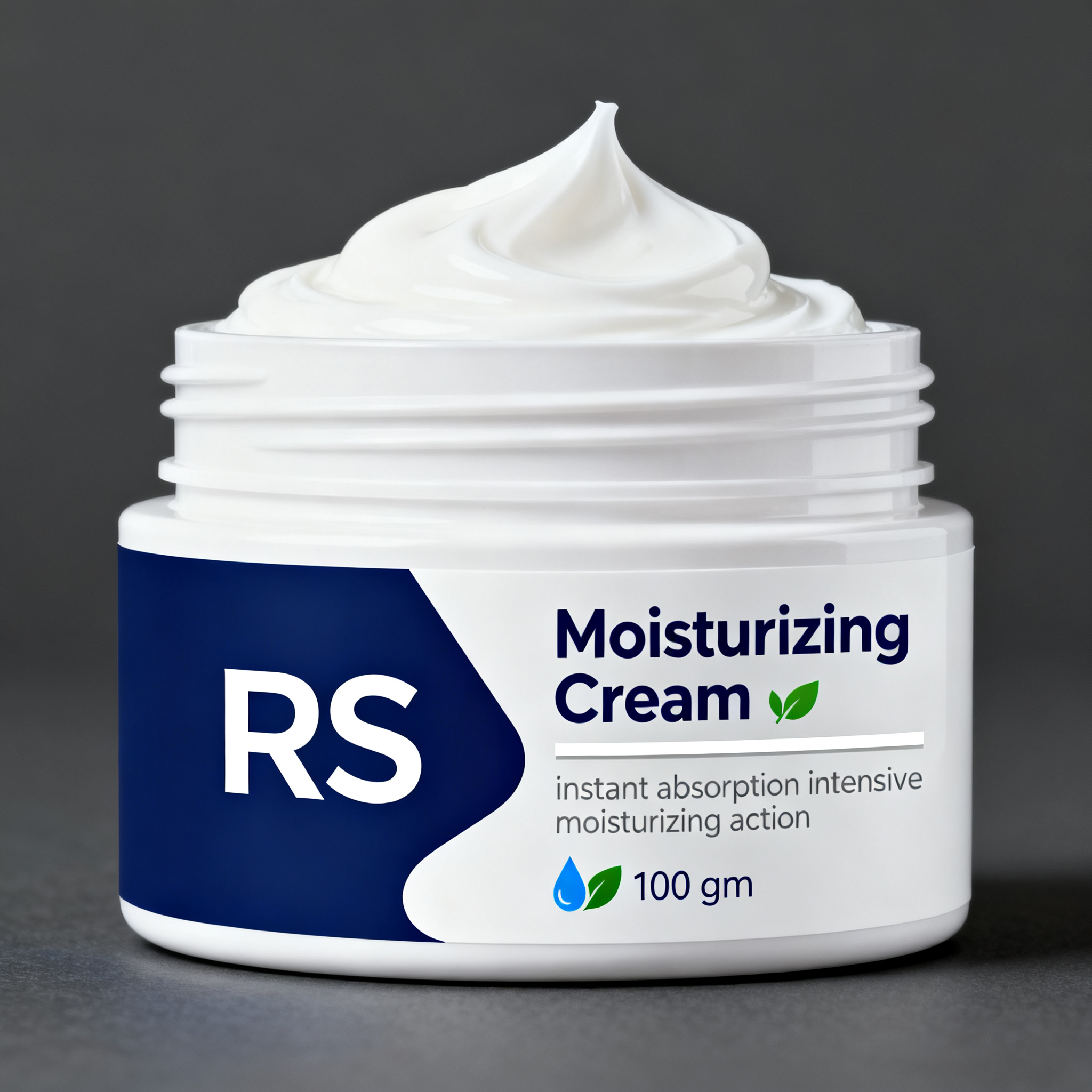
Private-Label Face Hydrating Cream: Buyer Specification Guide
Overview — Why choose a private-label face cream for dry skin
Brands and retailers looking to offer a high-performance face cream for dry skin need a clear, technical buyer specification to ensure product quality, regulatory compliance, and market fit. This guide focuses on the Private Label Face Dryness Cream Face Hydrating, a formula engineered to deliver immediate and long-lasting hydration while addressing the core cause of dryness: a compromised skin barrier.
Product snapshot — Key product positioning and formula summary
Product name: Private Label Face Dryness Cream Face Hydrating
Positioning: Face cream for dry skin that provides instant and long-lasting hydration and restores the skin's natural barrier.
Core formula summary: A dryness cream not only gives an excellent hydration to the skin but also restores the skin's natural barrier to address the fundamental cause of dryness. The core of the formula is the triple Ceramide Complex, which has been clinically proven to be the most effective blend for mimicking and rebuilding the natural intercellular skin's structure, directly correcting the barrier deficiency that causes chronic dryness. For instant hydration, we use three humectants, Saccharide Isomerates, Hyaluronic acid and glycerin. They provide long-lasting, deep hydration by binding to skin cells for up to a whole day, while a low percentage of Hyaluronic Acid provides immediate surface plumping.
MOQ for this private label face dryness cream is 1000 units.
Buyer intent keyword — Face cream for dry skin: target consumer needs
Consumers searching for a face cream for dry skin expect: immediate relief from tightness, visible surface plumping, long-lasting hydration, reduced flaking, and proven barrier repair. The buyer specification must therefore translate these expectations into measurable targets: hydration increase by corneometry, TEWL reduction, tolerability (non-irritating), and demonstrable ingredient actives with accepted mechanisms of action.
Formulation Requirements — Active ingredients and concentration ranges
Essential actives for barrier repair and hydration (embed )
Recommended actives and target ranges for a private-label face cream for dry skin:
- Triple Ceramide Complex (Ceramide NP, Ceramide AP, Ceramide EOP or equivalent): 0.5–3.0% total ceramide content (formulated as a blend to mimic intercellular lipid matrix)
- Hyaluronic Acid (low % sodium hyaluronate, low molecular weight for surface plumping): 0.1–0.5% for instant plumping; cross-linked or higher MW HA optional in separate SKU for longer retention
- Saccharide Isomerate (plant-derived humectant): 0.5–3.0% — provides long-lasting binding to the stratum corneum
- Glycerin (classic humectant): 2–10% depending on product sensory and humectant balance
- Emollients (e.g., caprylic/capric triglyceride, dimethicone alternatives): 3–12% for a non-greasy feel
- Occlusive lipids or botanicals (squalane, shea butter fraction): 1–6% to enhance barrier protection without heavy residue
- Preservative system (broad-spectrum, effective at product pH): level per supplier guidance; must pass preservative efficacy test
- pH target: 5.0–5.5 for skin compatibility and preservative performance
Functional excipients and texture targets
Texture and sensory are critical to consumer acceptance. Aim for a light, rapidly absorbing cream that leaves a non-tacky finish. Use rheology modifiers and emulsifiers compatible with the ceramide complex. Emulsifier selection impacts ceramide delivery and sensory—consider lipid-friendly emulsifiers or lamellar emulsions to mimic skin lipids.
Performance Criteria — Measurable claims and testing
Claims and how to substantiate them (commercial claims for face cream for dry skin)
Common consumer-facing claims and required tests:
- Hydrates up to 24 hours — substantiated by clinical corneometry/humidity chamber studies with measurement points up to 24 hours post-application
- Restores skin barrier — supported by TEWL reduction data and lipid profile analysis or corneocyte cohesion assessment
- Clinically proven triple Ceramide Complex — support with published studies on ceramide blends or in-house clinical data showing statistically significant improvements
- Non-irritating / dermatologist tested — validated by repeated insult patch test (RIPT) or human patch testing and dermatologist evaluation
Essential laboratory and clinical tests
- Preservative Efficacy Test (PET / challenge test)
- Microbial limit testing (total aerobic count, yeast and mold, absence of pathogens)
- Stability testing (accelerated 40°C, real-time 25°C, freeze-thaw cycles, light exposure if transparent packaging)
- pH stability over shelf life
- Packaging compatibility and extractables/leachables testing
- Clinical hydration testing (corneometry) and TEWL for barrier function
- Sensory panels and consumer acceptability testing
Ingredient Comparison — Humectants and their performance
Below is a concise comparison to help specify the hydration system for a private-label face cream for dry skin.
| Ingredient | Primary mechanism | Typical effective range | Duration / Notes |
|---|---|---|---|
| Saccharide Isomerate | Binds to keratin, long-lasting moisture retention | 0.5–3.0% | Bonds to skin for extended hydration up to 24+ hours |
| Hyaluronic Acid (low %) | Hygroscopic, surface plumping, viscoelastic | 0.1–0.5% | Immediate plumping effect; small % reduces tack |
| Glycerin | Classic humectant, draws water to stratum corneum | 2–10% | Cost-effective, synergizes with HA and saccharide isomerate |
Manufacturing & Quality Specifications — From lab to shelf
Batch size, MOQ and production logistics
The Private Label Face Dryness Cream Face Hydrating MOQ is 1000 units. Typical production considerations for a face cream for dry skin include minimum batch weight (e.g., 50–200 kg depending on contract manufacturer), fill accuracy, and packaging type (tube, jar, airless pump). Specify fill volumes and packaging compatibility during contract negotiation.
Quality control checkpoints
- Incoming material certificates of analysis (CoAs) for active ingredients (ceramides, HA, saccharide isomerate)
- In-process checks: pH, viscosity, homogenization parameters, appearance
- Finished product testing: microbial, chemistry, stability, physical attributes
- Retention samples per batch for future reference and regulatory audits
Regulatory, Labelling and Claims Compliance
Regulatory frameworks to consider
Regulatory requirements vary by market. Key considerations:
- United States: cosmetics regulated by FDA; ensure product is safe, accurately labelled, and that claims do not imply the product is a drug (avoid cures or disease claims). Maintain safety assessment and label ingredient declaration.
- European Union: comply with Cosmetics Regulation (EC) No 1223/2009; compile a Cosmetic Product Safety Report (CPSR) and Product Information File (PIF).
- Other markets: review local requirements (e.g., China, ASEAN, Canada) for registration or notification and labelling language rules.
Label wording and prohibited claims
Use consumer-friendly, compliant claims: for dry skin, helps restore the skin barrier, hydrates for up to 24 hours (only if clinically substantiated). Avoid medical claims like heals eczema or treats dermatitis unless supported by drug-level evidence and registration.
Packaging, Sustainability, and Shelf Life
Packaging options aligned with product function
Recommended packaging for face cream for dry skin:
- Airless pump (best for preservative efficiency, consumer convenience, and reduced contamination)
- Opaque tubes if formula is light and stable
- Jars for High Quality positioning but require spatula and careful preservative robustness
Shelf life and storage
Target shelf life: 24–36 months unopened; recommend 12 months once opened (PAO symbol). Stability testing should support claims. For formulas with biodegradable or mild preservatives, ensure accelerated and real-time stability results are robust.
Brand Advantages — Why choose our Private Label Face Dryness Cream Face Hydrating
Brand positioning and manufacturing strengths
This private-label solution emphasizes evidence-based actives and consumer-oriented performance. Key brand advantages to highlight when marketing the product:
- Science-led formula: triple Ceramide Complex plus a tri-humectant system for immediate and sustained hydration
- Proven tolerance profile aimed at sensitive, dry skin types
- Flexible private-label options: custom branding, packaging choices, and label claims based on validated data
- Commercially viable MOQ: 1000 units to balance entry cost and retail readiness
Procurement Checklist — Steps to secure a compliant private-label face cream
- Define target claims and required performance metrics (e.g., corneometry, TEWL reduction)
- Choose packaging type and finalize fill volumes
- Confirm ingredient CoAs and any allergen or restricted substance lists for target markets
- Request full stability and microbial testing reports from manufacturer
- Review CPSR / Safety Assessment and regulatory compliance documents for intended markets
- Finalize MOQ, pricing, lead times, and supply chain contingencies
FAQ — Frequently Asked Questions about Private-Label Face Hydrating Cream
Q1: What differentiates this private-label product from generic moisturizers?
A1: The Private Label Face Dryness Cream Face Hydrating combines a triple Ceramide Complex to actively rebuild the skin lipid matrix with a targeted tri-humectant system (saccharide isomerate, hyaluronic acid, glycerin) to provide both immediate plumping and lasting hydration. This evidence-driven combination addresses both symptoms and the root cause of chronic dryness.
Q2: Is the formula suitable for sensitive skin?
A2: The formulation aims to be non-irritating and skin-compatible (pH 5.0–5.5), using well-tolerated actives and low fragrance or fragrance-free options. Always confirm with manufacturer-supplied tolerability and patch test data. Recommend dermatologist or human patch testing for final SKU.
Q3: What clinical data are needed to support hydrates up to 24 hours claims?
A3: Hydration claims should be backed by controlled clinical studies using corneometry or similar skin hydration instruments with measurements at baseline and multiple time points up to 24 hours post-application, including statistical analysis and a suitable sample size.
Q4: Can the formula be customized (e.g., fragrance-free or with SPF)?
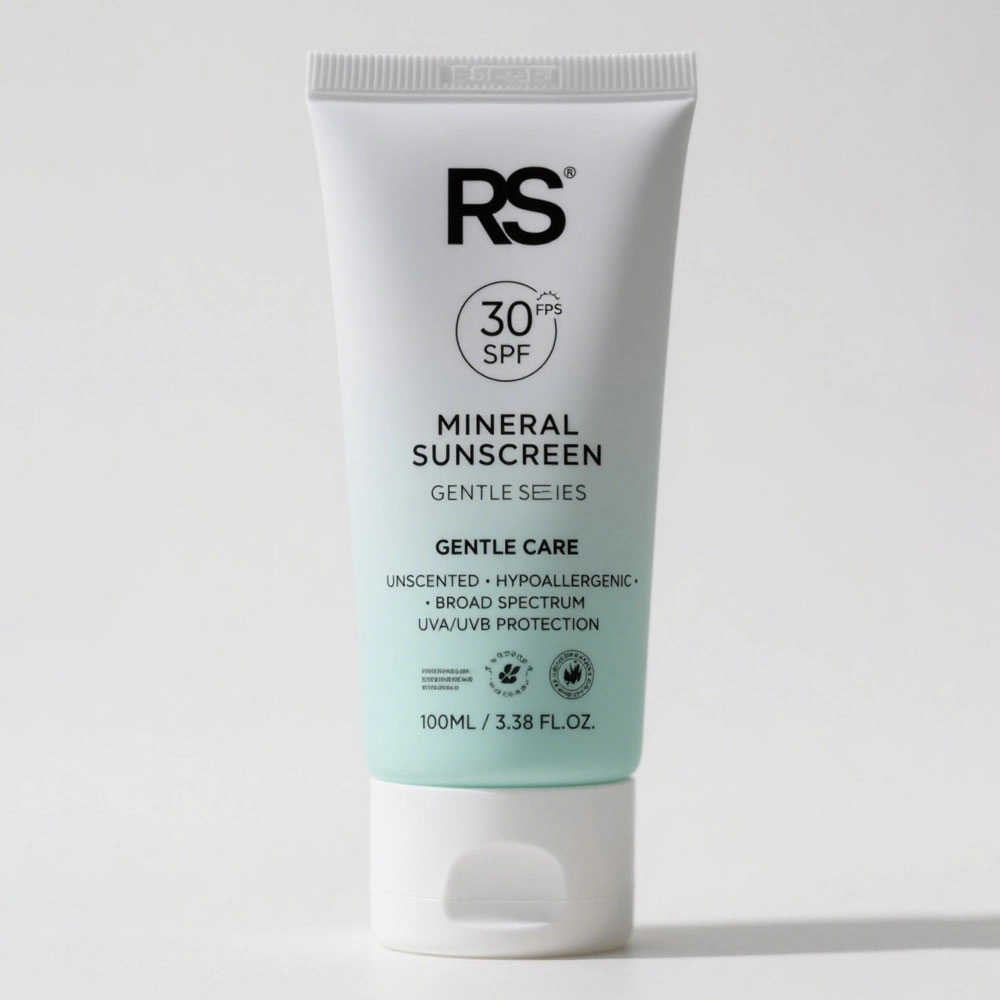
A4: Yes. Fragrance-free and hypoallergenic variants are commonly offered. Adding SPF converts the product into a sunscreen (or hybrid product) and may trigger different regulatory pathways and additional testing (e.g., SPF testing, photostability).
Q5: What does MOQ 1000 units mean for lead times and pricing?
A5: MOQ 1000 units usually balances manufacturing setup and tooling costs. Lead times depend on batch scheduling, packaging availability, and testing; typical lead times range from 8–16 weeks from purchase order to delivery. Pricing scales with volume, packaging selection, and any custom claims or clinical testing requirements.
Q6: How should the product be labeled for international markets?
A6: Labels must meet local language, ingredient listing format (INCI), regulatory statements, and safety data requirements. For the EU, include full ingredient list, manufacturer information, batch number and PAO. For the US, comply with FDA cosmetic labelling guidance. Work with legal/regulatory consultants for market-by-market compliance.
Contact & Next Steps — Get the private-label face cream for dry skin
Ready to launch your own Private Label Face Dryness Cream Face Hydrating? Contact our private-label team to request a formulation sheet, pricing, and lead times. MOQ: 1000 units. We provide packaging options, clinical testing packages, and regulatory support to get your product market-ready.
Call or email our sales team or visit our product inquiry page to receive a custom quote and sample policy. Provide your target markets, preferred packaging, and desired claims to speed up quotation.
References and Authoritative Sources
- American Academy of Dermatology — Skin barrier and moisturizers: https://www.aad.org
- PubMed — Articles on ceramides and barrier repair: https://pubmed.ncbi.nlm.nih.gov
- National Institutes of Health — Hyaluronic acid skin benefits overview: https://www.nih.gov
- European Commission — Cosmetics Regulation (EC) No 1223/2009 overview: https://ec.europa.eu/growth/sectors/cosmetics_en
- FDA — Cosmetic labeling and ingredient guidance: https://www.fda.gov/cosmetics
Authoritative studies and detailed ingredient references should be requested from your manufacturer for each formulation variant. The URLs above provide regulatory and scientific context for substantiating claims and designing compliant formulations.
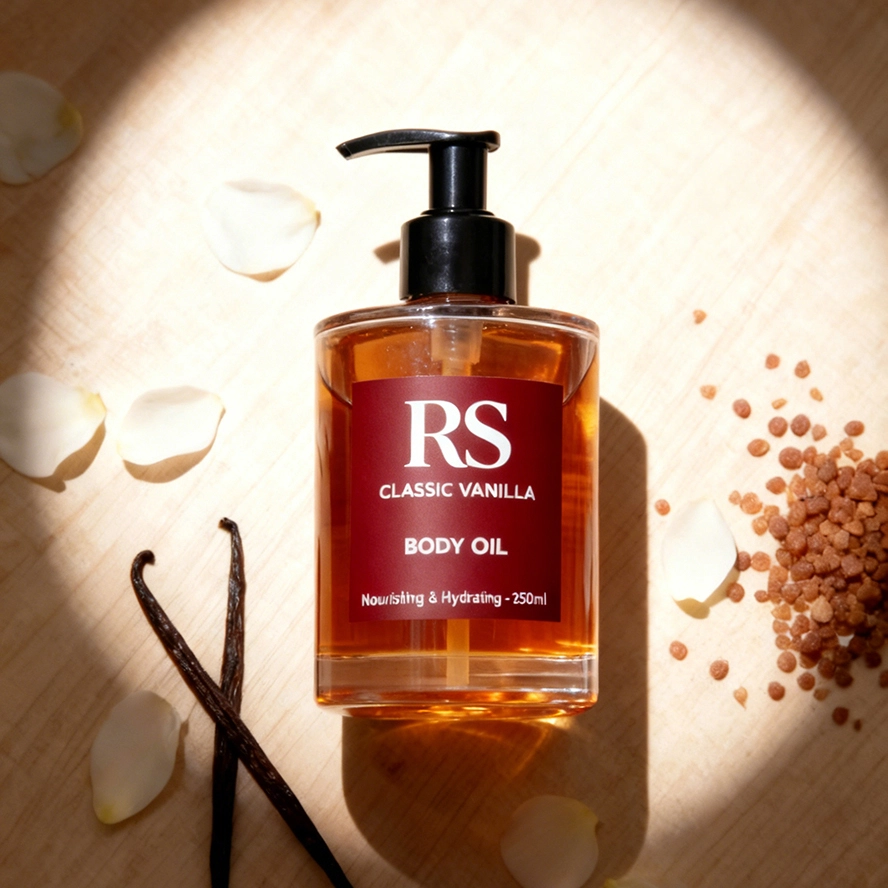
Private Label Vanilla Body Oil: Certification & Compliance Tips
Best Bulk Body Lotions for Subscription Boxes
Best Toner for Face with Hyaluronic Acid for Hydration
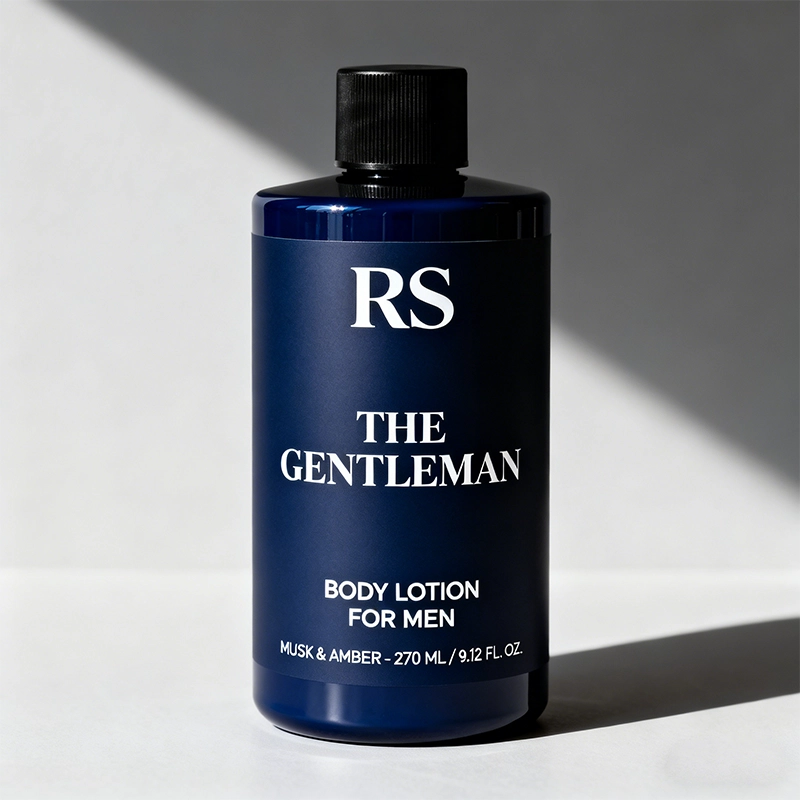
How Men's Body Lotion Prevents Dry, Flaky Skin
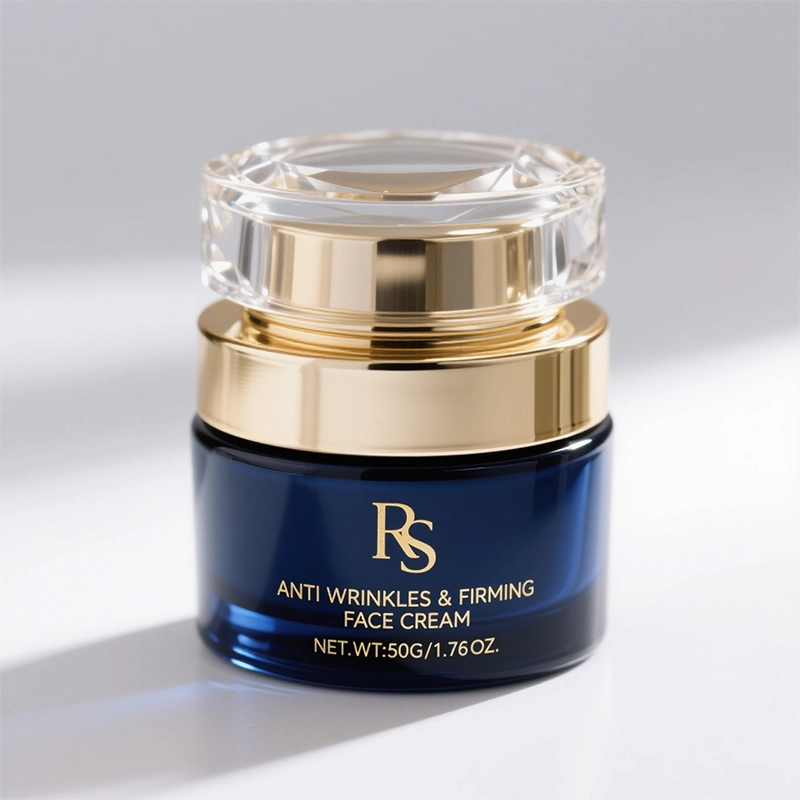
Face Moisturizer
What is the minimum order quantity (MOQ)?
The MOQ is 1000 units in a jar.
Hair Conditioner
What are the different types of conditioning agents you use?
We have difficult formulas; some are using cationic surfactants, some using fatty alcohols, some using silicones, these agents have their own advantages.
Body Wash
What is the MOQ for the body wash?
Usually we ask for at least 1000 units.
Hair Oil
What are the most popular and effective oils for hair?
Please have a look at the ingredients sector above; it introduces the trending ingredients.
Face Toner
What Is The Most Popular Face Toner?
From the database, it is the face toner for oily skin.
Get more information
If you have any comments or good suggestions, please leave us a message; later our professional staff will contact you as soon as possible.
Rysun Biotechnology--Unremittingly strive for human health and beauty
Contact RYSUN
Email: k.lee@rysunoem.com
WhatsApp: +86 156 0306 9138
Address: No. 62 Nanxiang First Road, Science Town of Guangzhou Developed Zone, Huangpu, Guangzhou, China.
© 2025 RYSUN. All Rights Reserved. Privacy Policy | Terms and Conditions | Sitemap
Facebook
Instagram