

Certifications to Request for Hair Oil for Dry Hair
- Understanding Quality Benchmarks for Hair Oil
- Why certifications matter for hair oil for dry hair
- Key categories of certification and testing
- How formulation affects certification needs
- Must-Request Certifications for Safety and Trust
- ISO 22716 / Good Manufacturing Practices (GMP)
- Stability and safety testing (laboratory reports)
- Regulatory compliance (local authorities)
- Ethical and Ingredient-Based Certifications to Prioritize
- Organic and natural standards (USDA, COSMOS, Ecocert)
- Cruelty-free and vegan certifications
- Fair trade and community impact
- Technical Tests and Analytical Reports You Should Request
- Certificate of Analysis (CoA) and batch testing
- Oxidation and shelf-life testing
- Microbiological and heavy metals testing
- How Certifications Translate into Better Performance for Dry Hair
- Assurance of purity and efficacy
- Consistency across batches
- Marketing credibility and reduced liability
- Certifications and Tests Comparison Table
- Practical Checklist When Requesting Certifications
- Request documentation early
- Verify certificate authenticity
- Include testing requirements in contract
- Private Label Argan Oil — How It Aligns with Certification Needs
- Quality documentation you should expect
- Brand advantages and positioning
- Frequently Asked Questions (FAQ)
- Which certification is most important for hair oil for dry hair?
- Do I need organic certification to sell argan oil?
- How does Vitamin E help improve shelf life?
- Are oils less likely to be contaminated than water-based products?
- How can I verify a supplier's certification?
- Next Steps — Contact and Product Inquiry

When selecting a hair oil for dry hair, certifications are more than labels — they are verifiable assurances that the product meets safety, sourcing, and quality standards consumers trust. This guide explains the most important certifications and tests to request for hair oil for dry hair, what each certification guarantees, and how certifications intersect with formulation choices such as cold-pressed argan oil and the addition of antioxidants like Vitamin E to prevent oxidation.
Understanding Quality Benchmarks for Hair Oil
Why certifications matter for hair oil for dry hair
Consumers shopping for hair oil for dry hair seek products that deliver hydration, reduce frizz, and improve shine without harmful contaminants or misleading claims. Certifications provide independent verification of attributes such as organic sourcing, cruelty-free practices, good manufacturing, and chemical safety. For private-label brands, certifications de-risk supply chains and support marketing claims that convert informed buyers.
Key categories of certification and testing
There are three broad categories to consider: provenance and ingredient standards (e.g., organic or fair trade), manufacturing and quality systems (e.g., ISO 22716 / GMP), and product safety/ethical claims (e.g., cruelty-free, vegan). Additionally, laboratory testing — stability, peroxide value, heavy metals, and microbial limits — complements certifications to ensure efficacy and safety for hair oil for dry hair.
How formulation affects certification needs
A cold-pressed argan oil formula, like Private Label Argan Oil, has distinct needs: cold-pressed processing preserves beneficial lipids and tocopherols but may require antioxidant protection (Vitamin E) and careful oxidative stability testing. Certifiers and labs will ask for processing records and test results demonstrating that the oil's sensory and chemical profile remain stable over shelf life.
Must-Request Certifications for Safety and Trust
ISO 22716 / Good Manufacturing Practices (GMP)
ISO 22716 defines Good Manufacturing Practices for cosmetics, covering personnel, premises, equipment, raw materials, production, quality control, storage, and distribution. Requesting ISO 22716 compliance ensures consistent production practices and traceability — essential when offering hair oil for dry hair to customers who prioritize product safety. See ISO 22716 guidance: ISO.org.
Stability and safety testing (laboratory reports)
Independent lab reports should include oxidative stability (peroxide value and anisidine), microbiological testing, heavy metals (lead, arsenic, cadmium, mercury), and if relevant, pesticide residues. For oils destined for hair care, peroxide value testing is important because oxidation affects odor, color, and efficacy. Request full Certificates of Analysis (CoA) from the supplier.
Regulatory compliance (local authorities)
Ensure the product dossier aligns with local cosmetic regulations. In the United States, the FDA regulates cosmetics' safety and labeling; in the EU, Regulation (EC) No 1223/2009 requires a Product Information File (PIF). Request documentation proving compliance with the markets where you will sell the hair oil for dry hair.
Ethical and Ingredient-Based Certifications to Prioritize
Organic and natural standards (USDA, COSMOS, Ecocert)
If you market hair oil for dry hair as organic or natural, ask for certification from recognized bodies. COSMOS and Ecocert are well-known for cosmetic-grade organic/natural claims in Europe and globally, while the USDA covers agricultural organic claims in the U.S. These certifications verify farming practices, allowed processing methods, and acceptable additives. See COSMOS standard: cosmos-standard.org.
Cruelty-free and vegan certifications
Certifications like Leaping Bunny or The Vegan Society demonstrate no animal testing and, for vegan claims, no animal-derived ingredients. For many consumers seeking hair oil for dry hair, cruelty-free status is a key purchase driver. Look for verifiable logos and certification numbers.
Fair trade and community impact
Argan oil often originates from Morocco, where sustainable harvesting supports local economies. Fair trade or similar social-impact certifications verify that producers receive fair compensation and that harvesting methods support community well-being. These certifications can be powerful differentiators for ethically minded customers.
Technical Tests and Analytical Reports You Should Request
Certificate of Analysis (CoA) and batch testing
Always request a CoA for each production batch. A complete CoA for cold-pressed argan oil should include fatty acid profile, peroxide value, UV absorption (for oxidation markers), refractive index, and sensory descriptors. Batch-level CoAs allow traceability if a stability or quality issue arises.
Oxidation and shelf-life testing
Oils oxidize over time; for hair oil for dry hair, oxidation reduces performance and can produce off-odors. Peroxide value (PV) and anisidine values measure primary and secondary oxidation. Accelerated stability testing and real-time shelf-life studies help you set realistic expiration or best-before dates. The addition of Vitamin E in Private Label Argan Oil is a common and recommended antioxidant strategy to slow oxidation.
Microbiological and heavy metals testing
Even though pure oils are less prone to microbial contamination than water-based products, finished-product microbiological testing is important if oil is blended or contains botanicals. Heavy metals testing ensures safety and compliance with limits set by regulators.
How Certifications Translate into Better Performance for Dry Hair
Assurance of purity and efficacy
Certifications and lab tests give confidence that the hair oil for dry hair contains authentic cold-pressed argan oil with minimal contamination and the expected concentration of beneficial fatty acids and tocopherols. Verified purity allows consumers to experience consistent moisturizing performance, frizz control, and shine enhancement.
Consistency across batches
GMP and CoA requirements ensure batch-to-batch consistency. For retailers and private labelers, this consistency reduces returns and builds customer trust — essential for repeat purchases of hair oil for dry hair.
Marketing credibility and reduced liability
Third-party certifications reduce marketing risk by substantiating claims (e.g., organic, cruelty-free). Proper regulatory documentation and testing also reduce legal and recall risks associated with mislabeling or contaminated products.
Certifications and Tests Comparison Table
| Certification/Test | What it proves | Relevance to hair oil for dry hair |
|---|---|---|
| ISO 22716 / GMP | Manufacturing quality and traceability | Ensures consistent, safe production and documentation |
| COSMOS / Ecocert / USDA Organic | Organic/natural sourcing and processing | Supports organic claims, appeals to clean-beauty consumers |
| Leaping Bunny / Vegan Society | Cruelty-free or vegan assertions | Important for ethically focused buyers |
| CoA (Peroxide, FA profile, Heavy Metals) | Batch-specific chemical and contaminant data | Critical for safety, stability, and efficacy |
| Fair Trade / Social Impact | Ethical sourcing and producer welfare | Valuable for brands promoting sustainability and origins |
Practical Checklist When Requesting Certifications
Request documentation early
Ask suppliers for GMP certificates, CoAs for recent batches, regulatory dossiers (PIF for EU, labeling compliance for target markets), and organic/cruelty-free certificates before placing an order. For private label runs, verify certificates remain valid through production and shipping.
Verify certificate authenticity
Always validate certificates with the issuing body. Many certifiers provide online directories or verification tools. Counterfeit or expired certificates are a known industry issue, so verification strengthens due diligence.
Include testing requirements in contract
When negotiating MOQ and pricing, include clauses requiring batch CoAs, stability data, and clear labeling commitments. For Private Label Argan Oil with an MOQ of 1000 units, ensure these requirements are contractually guaranteed to protect RYSUN.
Private Label Argan Oil — How It Aligns with Certification Needs
Product name: Private Label Argan Oil
Product description:
A cold-pressed argan oil offers a truly natural, lightweight, and effective solution for hair health.
The key to our formula is the cold-pressing Argan Oil, which is crucial as it preserves the oil's natural characteristics and high concentration of beneficial nutrients that effectively smooths the hair cuticle, taming frizz and flyaways, providing deep moisture without a greasy feel. This results in hair that is softer and has a natural, long-lasting shine.
In the formula, we also add Vitamin E to prevent the argan oil from oxidizing. A true mate to your healthier hair.
MOQ for this private label argan oil is 1000 units.
Quality documentation you should expect
For Private Label Argan Oil, request ISO 22716/GMP documentation, recent CoAs (peroxide value, fatty acid profile, heavy metals), and stability data demonstrating the effectiveness of Vitamin E in prolonging shelf life. If you need organic or fair-trade claims, request corresponding certificates early in the sourcing process.
Brand advantages and positioning
Private Label Argan Oil is formulated to meet the performance requirements of hair oil for dry hair: cold-pressed extraction preserves beneficial nutrients, and Vitamin E minimizes oxidation. This combination supports a High Quality positioning focused on natural performance, low-greasiness, and long-lasting shine. With a modest MOQ of 1000 units, the product is suitable for emerging brands seeking quality private label options backed by verifiable testing.
Frequently Asked Questions (FAQ)
Which certification is most important for hair oil for dry hair?
ISO 22716 (GMP) and a complete batch Certificate of Analysis (CoA) are the most critical. GMP ensures consistent manufacturing and traceability; CoAs verify chemical composition, peroxide value, and contaminant limits for each batch.
Do I need organic certification to sell argan oil?
No — you can sell high-quality argan oil without organic certification, but if you market it as organic or certified natural, you must obtain and display appropriate certification (e.g., COSMOS, USDA Organic) to substantiate those claims.
How does Vitamin E help improve shelf life?
Vitamin E (tocopherol) acts as an antioxidant that slows oxidation in unsaturated oils like argan oil, reducing peroxide formation and helping maintain sensory qualities and efficacy over time. Request stability data to quantify the benefit for your finished product.
Are oils less likely to be contaminated than water-based products?
Pure oils are less prone to microbial growth than water-containing formulations, but finished products that include botanical extracts or emulsifiers should undergo microbiological testing. Heavy metals and pesticide testing remain important for botanical-origin oils.
How can I verify a supplier's certification?
Ask for the certificate number and verify it on the certifier's official website or contact the certifier directly. Reputable certifiers like COSMOS, Ecocert, and recognized GMP auditors maintain verification services.
Next Steps — Contact and Product Inquiry
If you're ready to source a high-quality hair oil for dry hair, request the Private Label Argan Oil dossier including GMP certificates, CoAs, and stability data. MOQ is 1000 units. For product sheets, certificate copies, or pricing, please contact our customer service or view the product details.
Authoritative references and further reading: Argan oil — Wikipedia, U.S. Food & Drug Administration — Cosmetics, COSMOS Standard.
Best Toner for Face for Combination Skin: Balanced Picks
Packaging and Branding Tips for Private Label Eye Mask Lines
Labelling, Claims and Compliance for Vanilla Body Oil Retailers
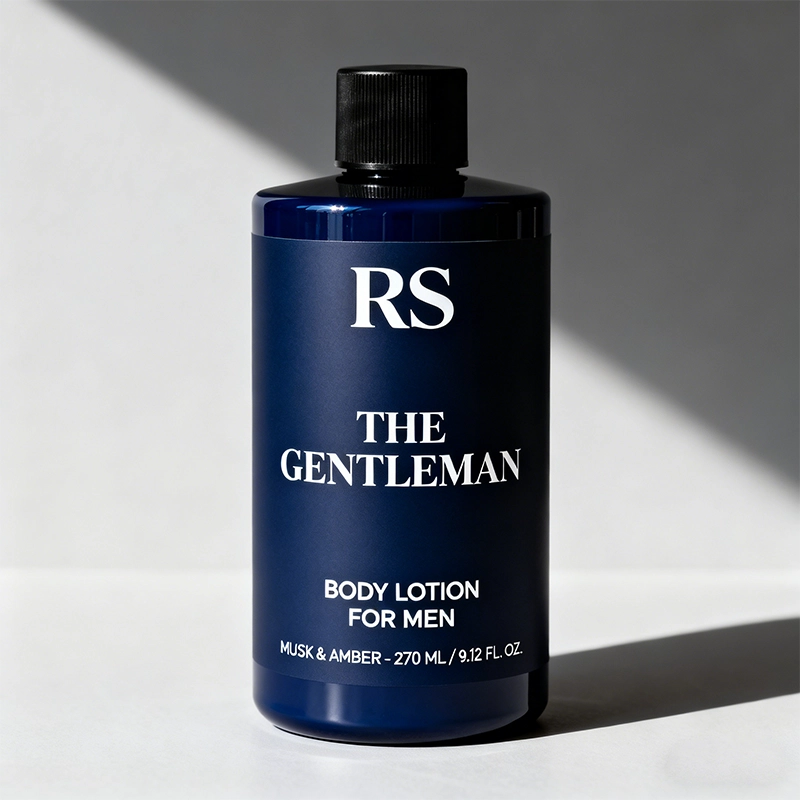
Best Vegan Options for Private Label Men's Lotion
Eye Care
Do you offer branding and marketing support?
Yes, we do. We give marketing videos and photos.
Body Scrub
How do you prevent the sugar from dissolving in the oil base over time?
The formula is stable while in the testing stage.
Face Mist
Is the pH balanced for skin comfort and barrier health?
Yes, it is mild formula with alcohol.
Makeup Remover
What is "double cleansing," and is it necessary?
Double cleansing is a two-step face cleaning. First, use a makeup remover to remove makeup. Second, use a face cleanser to clean your skin. It is a recommended way in the daily routine to protect your skin.
Face Moisturizer
Can it be used day and night, or is it designed for a specific time of day?
Yes, we suggest use day and night twice a day to have a better result.

Get more information
If you have any comments or good suggestions, please leave us a message; later our professional staff will contact you as soon as possible.
Rysun Biotechnology--Unremittingly strive for human health and beauty
Contact RYSUN
Email: k.lee@rysunoem.com
WhatsApp: +86 156 0306 9138
Address: No. 62 Nanxiang First Road, Science Town of Guangzhou Developed Zone, Huangpu, Guangzhou, China.
© 2025 RYSUN. All Rights Reserved. Privacy Policy | Terms and Conditions | Sitemap
Facebook
Instagram