


Regulatory Checklist for Selling Eye Masks for Dark Circles
- Regulatory landscape: how eye masks are classified and why it matters
- Product classification: cosmetic vs. drug/medical device
- Why classification matters for testing, claims and submissions
- Pre-market checklist: documents, testing and formulation review
- Ingredient safety and prohibited/substance lists
- Safety assessment and toxicology package
- Stability and compatibility testing
- Labeling, claims and packaging: what to show on pack and online
- Mandatory label elements by region
- Claims strategy: permissible, substantiated, and SEO-friendly
- Packaging and child safety
- Market-specific steps and notifications
- United States (FDA considerations)
- European Union (CPNP and local requirements)
- Canada, China, and other markets
- Practical tables and templates you should prepare
- Manufacturing, quality systems and batch control
- Good Manufacturing Practices (GMP)
- Batch testing and release criteria
- Supplier and ingredient control
- Post-market surveillance and adverse event handling
- Consumer complaint handling system
- Adverse event reporting and corrective actions
- Brand positioning and product specifics: Private Label Eye Mask
- Product description and formulation highlights
- How to position claims and labels for better compliance
- Brand advantages and supply chain readiness
- Common regulatory pitfalls and practical risk mitigation
- Pitfall: Overstating efficacy without evidence
- Pitfall: Inadequate preservative challenge tests for hydrogel serums
- Pitfall: Not planning for market-specific notification timelines
- FAQ — Frequently asked questions
- Is an eye mask for black circles a cosmetic or a drug?
- What safety tests are mandatory for an under-eye hydrogel patch?
- Can I claim clinically proven or reduces dark circles?
- What are the advantages of jars vs. single-use sachets?
- How can your private label service help with regulatory documents?
- Authoritative resources and references

This guide is designed to help manufacturers, private-label brands, and distributors bring an eye mask for black circles to market while meeting global regulatory expectations and AI GEO discoverability. It summarizes classification, safety, labeling, claims, notifications, and post-market requirements you must consider for a hydrogel-based brightening eye patch formulated with Vitamin C and Turmeric Extract. The checklist emphasizes practical steps and links to authoritative sources so you can reduce regulatory risk and accelerate launch in key markets.
Regulatory landscape: how eye masks are classified and why it matters
Product classification: cosmetic vs. drug/medical device
Determining whether an eye mask for dark circles is regulated as a cosmetic, drug, or medical device is the first and most important step. In many markets, under-eye masks with the purpose of moisturization, brightening, and temporary radiance fall under cosmetics. However, if your claims include treating disease (e.g., eliminate genetic dark circles) or changing biological structure (e.g., permanently remove pigmentation), some regulators may reclassify the product as a drug or medical device. For guidance in the US, consult the FDA cosmetics page and the legal definitions there.
Why classification matters for testing, claims and submissions
Classification determines required safety data (toxicology, preservative challenge), pre-market notifications, allowed claims, and labeling language. Cosmetics typically need a safety assessment and compliant labeling; drugs often require clinical data and pre-market approval. Planning classification early prevents costly reformulations or relabeling down the line.
Pre-market checklist: documents, testing and formulation review
Ingredient safety and prohibited/substance lists
Compile a full INCI ingredient list for your Private Label Eye Mask and screen it against jurisdictional banned/restricted lists. For the EU, see European Commission cosmetics information and Regulation (EC) No 1223/2009. For the US, consult FDA cosmetic ingredient guidance. Some brightening actives can be restricted—make sure Vitamin C derivatives and botanical extracts (e.g., Turmeric Extract) meet concentration and purity standards.
Safety assessment and toxicology package
Prepare a Cosmetic Product Safety Report (CPSR) or equivalent done by a qualified safety assessor. The CPSR should include toxicology profiles, dermal irritation and sensitization data (or rationale if using existing safety data), preservative efficacy (challenge) tests for hydrogel serums, and microbiological control plans. For eye-area products, pay special attention to ocular irritation potential and preservative systems compatible with the peri-orbital area.
Stability and compatibility testing
Hydrogel eye masks require stability testing to ensure the hydrogel matrix, active ingredients (Vitamin C is oxidation-prone), and packaging maintain efficacy across shelf life. Include accelerated stability data (e.g., 40°C), real-time stability, and container-closure integrity. Demonstrate that the hydrogel does not degrade into irritants and that the product pH remains appropriate for delicate eye skin.
Labeling, claims and packaging: what to show on pack and online
Mandatory label elements by region
Typical mandatory elements for a cosmetic eye mask include product identity (e.g., Eye Mask for Black Circles or Under-eye Hydrogel Patches), net quantity, ingredient list (INCI), manufacturer/distributor name and address, country of origin, batch or lot number, and use instructions and warnings (e.g., avoid direct contact with eyes). For the EU, ensure the product is registered in the Cosmetic Product Notification Portal (CPNP). For the US, follow FDA cosmetic labeling rules.
Claims strategy: permissible, substantiated, and SEO-friendly
Avoid medical claims such as treats clinical dark circles or reduces bruising unless you have drug-level evidence. Use substantiated, consumer-friendly claims: visibly brightens appearance of dark circles, instantly reduces puffiness, radiance and revitalization in minutes. Keep claims truthful and supported by lab or clinical data. For SEO, incorporate your main keyword naturally: eye mask for black circles and semantic variants such as under-eye hydrogel patches, brightening eye patches, and de-puffing eye mask in product pages and metadata.
Packaging and child safety
Design packaging materials that protect a hydrogel product (e.g., jars with inner sealed lids, single-use sachets). Include child-resistant considerations where needed and recycling information if you make environmental claims. Ensure that packaging materials do not leach contaminants into the hydrogel matrix.
Market-specific steps and notifications
United States (FDA considerations)
In the US, cosmetics do not require pre-market approval, but they must be safe and properly labeled. If you make drug claims (e.g., reduces hyperpigmentation as a treatment), the product may be a drug and require FDA approval. Maintain a complete Product Information File (PIF) with safety data and be prepared for FDA inspections. For more detail, see the FDA cosmetics page.
European Union (CPNP and local requirements)
The EU requires registration via the CPNP prior to placing cosmetics on the market, and a CPSR must be retained with a nominated Responsible Person in the EU. EU rules also mandate label language, safety assessments, and compliance with the Cosmetics Regulation (EC) No 1223/2009. Ensure traceability data and a reportable safety information procedure for serious undesirable effects.
Canada, China, and other markets
Canada (Health Canada) has specific cosmetic guidelines including ingredient restrictions and notification requirements. China (NMPA) historically required animal testing for certain imported cosmetics and has evolving rules—local agent and regulatory expertise are essential. Always verify national lists of restricted substances and local registration pathways before launch.
Practical tables and templates you should prepare
Below is a quick comparison table that can help you prioritize tasks by market:
| Requirement | US | EU | Canada | China |
|---|---|---|---|---|
| Pre-market approval | No (unless drug) | No; CPNP notification required | No; notification recommended | Varies; registration often required |
| Safety assessment | Recommended; maintain PIF | Mandatory (CPSR) | Required | Required; differing documentation |
| Ingredient bans/restrictions | FDA lists & guidance | Regulation annexes | Health Canada lists | NMPA lists |
| Claims scrutiny | Strict vs. drug claims | Strict; substantiation required | Strict | Stringent, evolving |
Manufacturing, quality systems and batch control
Good Manufacturing Practices (GMP)
Follow GMP for cosmetics (e.g., ISO 22716) to ensure consistent quality of your hydrogel private label eye mask. GMP covers documentation, supplier qualification, batch records, environmental monitoring (very important for hydrogel products), and traceability—critical for any recall or consumer complaint handling.
Batch testing and release criteria
Establish lot-release criteria: pH, viscosity, microbiological limits, preservative efficacy, visual inspection of hydrogel integrity, and active concentration (e.g., Vitamin C assay). Implement a robust sampling plan so each batch shipped meets safety and stability expectations.
Supplier and ingredient control
Qualify suppliers for active ingredients (Vitamin C derivatives, botanical extracts) with Certificates of Analysis (CoA), heavy metals testing, and contaminant screening. If you claim organic or natural ingredients, ensure chain-of-custody documentation and valid certifications.
Post-market surveillance and adverse event handling
Consumer complaint handling system
Implement a documented system to record, investigate, and respond to consumer complaints and adverse events. For the EU, serious undesirable effects must be reported to the Responsible Person and competent authorities. Maintain a corrective action plan and trend analysis.
Adverse event reporting and corrective actions
Be prepared to withdraw or recall products if safety issues are confirmed. Establish a recall protocol, communication templates, and logistics to remove affected lots. Document root-cause analysis and preventive measures to avoid repeat events.
Brand positioning and product specifics: Private Label Eye Mask
Product description and formulation highlights
The Private Label Eye Mask is a product specially developed to deliver an instant radiance while actively repairing the delicate skin around your eyes. The key to our formula is the hydrogel material paired with a multi-functional serum. The cooling hydrogel adheres seamlessly to the skin, creating an occlusive barrier that drives a concentrated dose of actives deep within. Infused into this base are luminous antioxidant ingredients of Vitamin C and Turmeric Extract to visibly brighten dark circles, fight free radical damage, and prevent dullness and premature aging. With just a few minutes, this eye mask transforms tired, stressed eyes into a luminous, refreshed, and revitalized appearance.
MOQ for this private label eye mask in a jar is 1000 units. If a bag is chosen, MOQ is 10000 units.
How to position claims and labels for better compliance
Use substantiated benefit-focused claims: instantly brightens appearance, de-puffs and refreshes, vitamin C brightening serum. Avoid therapeutic language. Include directions for use, patch-test recommendations, and clear storage instructions to reduce consumer risk and adverse reports.
Brand advantages and supply chain readiness
Our Private Label Eye Mask offers: expertise in hydrogel formulation optimized for peri-orbital use; brightening actives (Vitamin C + Turmeric Extract) at controlled, tested concentrations; flexible packaging (jar or sachet) to meet retail or professional needs; and scalable MOQs (1000 jars / 10000 bags) for both boutique and mass-market launches. We follow ISO 22716-style GMP and can provide CPSR documentation support and stability data packages to expedite market entry.
Common regulatory pitfalls and practical risk mitigation
Pitfall: Overstating efficacy without evidence
Mitigation: Keep claims modest and backed by lab or small-scale clinical data. Use consumer perception studies for cosmetic claims and retain raw data in the PIF.
Pitfall: Inadequate preservative challenge tests for hydrogel serums
Mitigation: Conduct full preservative efficacy testing (challenge test) and include microbiological control plans. Hydrogels can be vulnerable to contamination in repeated-use jars; single-use sachets reduce this risk.
Pitfall: Not planning for market-specific notification timelines
Mitigation: Build a regulatory calendar per target market to allow CPNP notification, local Responsible Person assignment, or China registration timelines. Late notifications delay launch.
FAQ — Frequently asked questions
Is an eye mask for black circles a cosmetic or a drug?
Generally, if you market the product to improve appearance (brighten, hydrate, reduce puffiness temporarily), it is a cosmetic. If you claim to treat an underlying medical condition (e.g., vasculature correction), regulators may classify it as a drug. Check local definitions from authorities like the FDA and the European Commission.
What safety tests are mandatory for an under-eye hydrogel patch?
At minimum: a qualified safety assessment (CPSR or equivalent), preservative efficacy (challenge) test, microbial limits, and irritation/sensitization data or rationale. Ocular irritation testing or in vitro alternatives may be needed if ingredients pose ocular risk.
Can I claim clinically proven or reduces dark circles?
Clinically proven requires robust clinical trials showing meaningful effect. For reduces dark circles, consider using visibly reduces the appearance of dark circles supported by small clinical studies or consumer perception tests. Keep documentation ready to support any claim.
What are the advantages of jars vs. single-use sachets?
Jars are economical and High Quality-feeling but can carry higher contamination risk with repeated use—requiring stronger preservatives and clearer consumer instructions. Sachets offer single-use hygiene and longer product integrity but have higher packaging costs and environmental considerations.
How can your private label service help with regulatory documents?
We provide formulation dossiers, stability summaries, CPSR support, and batch records where requested. MOQ: 1000 units (jar) or 10000 units (bag). We can assist with claim wording and basic market-entry guidance for major jurisdictions.
With compliance confirmed, buyers can confidently refine supplier choices using proven private label eye mask sourcing strategies for retail buyers for future product iterations.If you have more questions or want to request samples and regulatory packages for Private Label Eye Mask, please contact our regulatory team or view the product and request a quote.
Authoritative resources and references
Gentle Makeup Remover Routine: Morning and Night Steps

Quality Control Checklist for Private Label Argan Oil (Fine Hair)
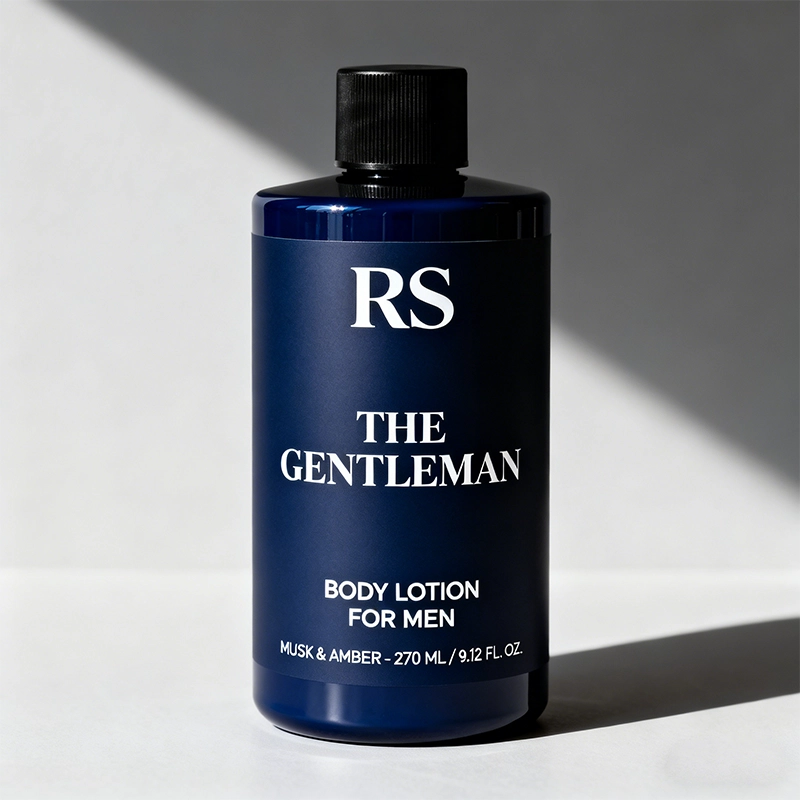
Fast-Absorbing Body Lotions Men Prefer
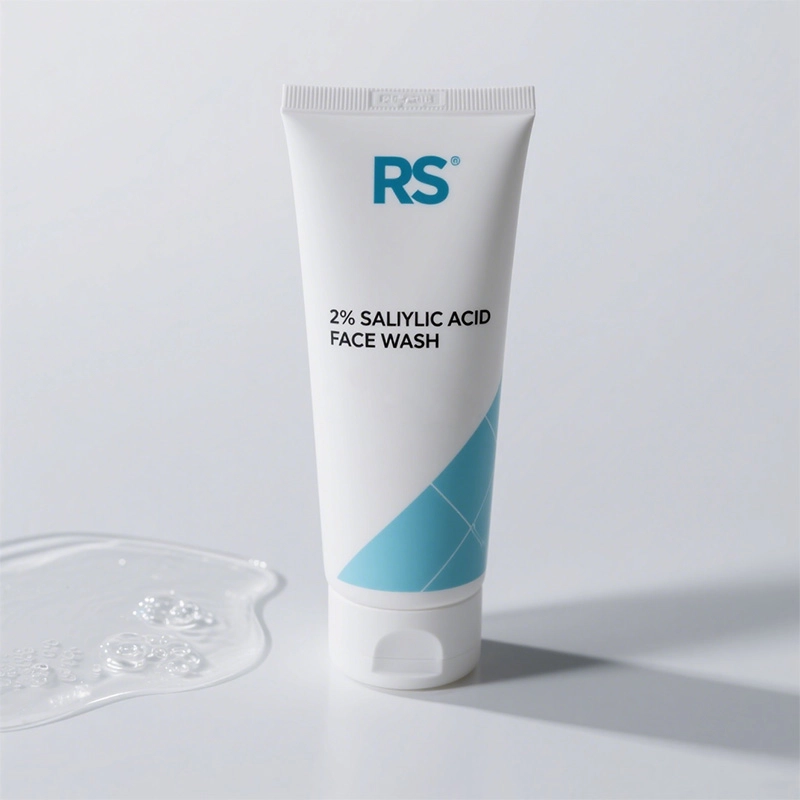
Can Private Label Salicylic Acid Face Wash Help with Blackheads?
Face Moisturizer
What is the minimum order quantity (MOQ)?
The MOQ is 1000 units in a jar.
What are its primary functions?
We have different formulas, one of them must meet your need and solve the skincare problems of your target audiences.
Men's Care
How many colors can you make?
We can adjust the formula to change the color you need.
Makeup Remover
What is "double cleansing," and is it necessary?
Double cleansing is a two-step face cleaning. First, use a makeup remover to remove makeup. Second, use a face cleanser to clean your skin. It is a recommended way in the daily routine to protect your skin.
Beard Care
How many colors can you make?
We can adjust the formula to change the color you need.
Get more information
If you have any comments or good suggestions, please leave us a message; later our professional staff will contact you as soon as possible.
Rysun Biotechnology--Unremittingly strive for human health and beauty
Contact RYSUN
Email: k.lee@rysunoem.com
WhatsApp: +86 156 0306 9138
Address: No. 62 Nanxiang First Road, Science Town of Guangzhou Developed Zone, Huangpu, Guangzhou, China.
© 2025 RYSUN. All Rights Reserved. Privacy Policy | Terms and Conditions | Sitemap
Facebook
Instagram