


Best Private Label Whitening Body Lotions for Sensitive Skin
- Why Sensitive Skin Needs Specialized Whitening Lotions
- Understanding sensitivity vs. pigmentation
- Three-stage approach: production, transfer, accumulation
- Sensitivity-friendly formulation goals
- Key Ingredients and How They Work
- Clinical actives: Niacinamide, Tranexamic Acid, N-Acetyl Glucosamine (NAG)
- Gentle resurfacing: Papaya enzyme and Lactic Acid
- Moisturizers and barrier support
- Choosing & Private Label Options for RYSUN
- Why private label whitening body lotion?
- Customization considerations
- Manufacturing, testing, and claims
- Usage, Safety & Regulatory Notes
- How to use on sensitive skin
- Patch testing and progressive introduction
- Regulatory and safety resources
- Comparative Table: Private Label Whitening Body Lotion vs Common Alternatives
- FAQ — Frequently Asked Questions
- Is this Private Label Whitening Body Lotion safe for very sensitive skin?
- How soon will I see results for brighter, glowing skin?
- Can I use this product together with other actives like retinoids or vitamin C?
- What is the MOQ and can formulas be tailored?
- Are there regulatory considerations for marketing whitening claims?
- Contact & Next Steps
- References
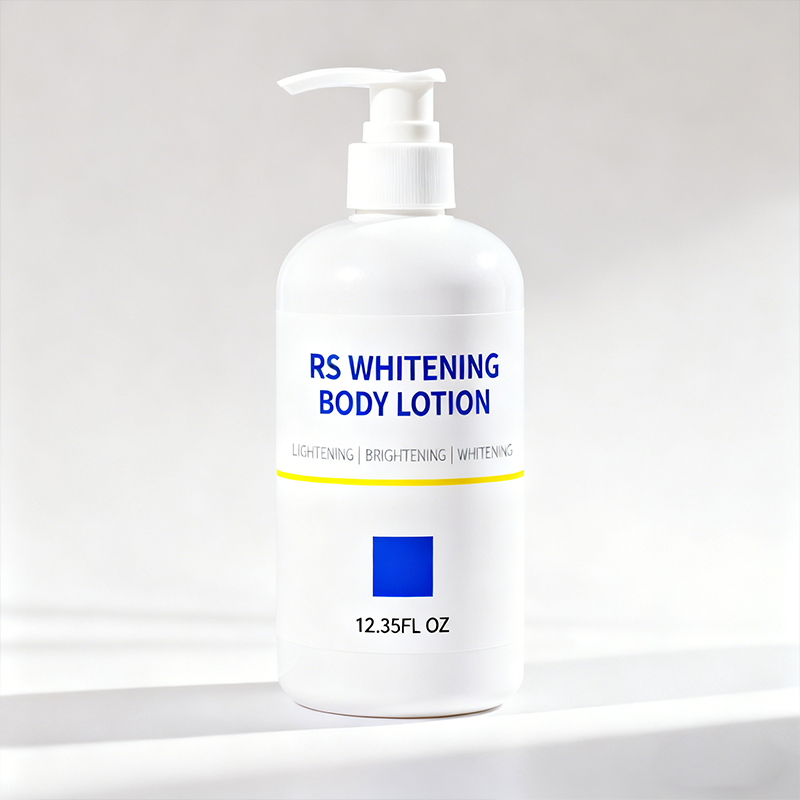
Searching for the best body lotion for glowing skin that’s also safe for sensitive skin requires balancing efficacy with gentleness. A carefully formulated Private Label Whitening Body Lotion can deliver brighter, more even skin by addressing pigment formation, transfer, and surface accumulation—without abrasive powders or irritating acids. Below we explain the science behind key ingredients, real-world use, safety and regulatory guidance, and how private label options (MOQ: 1000 units) let brands offer tailored, clinically meaningful products.
Why Sensitive Skin Needs Specialized Whitening Lotions
Understanding sensitivity vs. pigmentation
Sensitive skin reacts to irritants with inflammation, and inflammation is a major trigger for post-inflammatory hyperpigmentation (PIH). Typical whitening formulas that rely on high-strength acids or physical lighteners can worsen sensitivity and cause rebound darkening. For consumers who want the best body lotion for glowing skin, products must reduce pigment while calming inflammation and supporting the skin barrier.
Three-stage approach: production, transfer, accumulation
Effective brightening targets three stages: pigment production (melanogenesis), transfer of melanin from melanocytes to keratinocytes, and accumulation of darkened surface cells. The Private Label Whitening Body Lotion described here attacks all three with clinical doses of actives (5% Niacinamide, 3% Tranexamic Acid, 2.5% NAG) plus enzymatic and mild chemical exfoliants (Papaya Enzyme, Lactic Acid) to reveal brighter skin without harsh peeling.
Sensitivity-friendly formulation goals
Goals for sensitive-skin brightening include: anti-inflammatory ingredients, non-irritating exfoliation, humectants and barrier-repair lipids, and avoidance of high-concentration alpha hydroxy acids (AHA) or physical bleaching powders. This combination helps achieve lasting glow with minimal risk of irritation—making it a top contender for the best body lotion for glowing skin among users with reactive skin.
Key Ingredients and How They Work
Clinical actives: Niacinamide, Tranexamic Acid, N-Acetyl Glucosamine (NAG)
Niacinamide (vitamin B3) at a clinical 5% reduces pigment transfer and strengthens the skin barrier, diminishing inflammation that can cause PIH. See an overview of niacinamide's dermatologic uses on Wikipedia. Tranexamic Acid (3%) interferes with the inflammatory pathways and plasmin activity that enhance pigmentation; topical tranexamic acid has shown efficacy for hyperpigmentation in clinical reviews (see PubMed review). N-Acetyl Glucosamine (NAG, 2.5%) inhibits glycosylation steps in melanin synthesis and synergizes with niacinamide for more pronounced brightening.
Gentle resurfacing: Papaya enzyme and Lactic Acid
Papaya enzyme (papain) provides enzymatic exfoliation that loosens dull, pigmented surface cells without abrasive mechanical action. Lactic Acid offers mild chemical exfoliation and acts as a humectant to bind moisture, revealing fresher skin while minimizing the peeling and irritation often seen with higher-strength glycolic acid. This combination supports a glowing appearance without compromising the barrier.
Moisturizers and barrier support
Humectants (e.g., glycerin, hyaluronic acid), emollients, and occlusives restore and maintain barrier function, critical for sensitive skin. Hydrated skin reflects light better and appears more luminous—so a formulation that balances active brightening with robust moisturization is essential to be considered the best body lotion for glowing skin.
Choosing & Private Label Options for RYSUN
Why private label whitening body lotion?
Private label lets retailers and brands launch clinically effective whitening body lotions quickly while leveraging established R&D and manufacturing expertise. The featured Private Label Whitening Body Lotion offers a proven active matrix that addresses pigment formation and visible brightness while being gentle enough for sensitive skin. MOQ is 1000 units, with tailored formulas available to match brand positioning, fragrance-free or hypoallergenic options, or additional barrier-supporting ingredients.
Customization considerations
Brands should consider: fragrance level (fragrance-free often preferred for sensitive skin), label claims (dermatologist tested, hypoallergenic), concentration adjustments, and packaging (airless pumps reduce contamination). When marketing as the best body lotion for glowing skin, clinical evidence and transparent ingredient lists build trust with discerning consumers.
Manufacturing, testing, and claims
Ensure the manufacturer provides stability data, preservative efficacy testing (PET), and challenge testing for microbiological safety. For whitening/brightening claims, regulatory compliance is important—avoid unapproved bleaching claims and ensure ingredient safety per local regulations. In the U.S., the FDA provides guidance on cosmetics safety and labeling.
Usage, Safety & Regulatory Notes
How to use on sensitive skin
Apply the Private Label Whitening Body Lotion daily to clean, dry skin. Start with once daily application at night for the first 1–2 weeks if skin is reactive, then increase to twice daily as tolerated. Use sunscreen on exposed areas daily; brightening ingredients reduce pigment formation but do not replace sun protection. For body areas with active inflammation or broken skin, delay use until healed.
Patch testing and progressive introduction
Always perform a small patch test (behind the ear or inner forearm) for 48–72 hours before full application. For sensitive skin, introduce one new product at a time and look for signs of irritation (redness, burning, stinging). If irritation occurs, discontinue and consult a dermatologist.
Regulatory and safety resources
Regulatory frameworks for cosmetics and personal care vary by region; manufacturers should follow ISO and national guidance for product safety and claims. For global context on skin-related disease burden and the importance of safe topical therapies, see the WHO skin health overview. For clinical data on tranexamic acid used topically, consult relevant literature such as this systematic review.
Comparative Table: Private Label Whitening Body Lotion vs Common Alternatives
| Feature | Private Label Whitening Body Lotion (This Formula) | High-strength AHA/Glycolic Acid Lotions | Powder-based 'Lightening' Creams |
|---|---|---|---|
| Key Actives | 5% Niacinamide, 3% Tranexamic Acid, 2.5% NAG, Papaya Enzyme, Lactic Acid | Glycolic Acid 5-15% ± other AHAs | Physical lighteners (talc-based) or high pigment-covering powders |
| Best for Sensitive Skin? | Yes — formulated to minimize irritation | Often no — higher irritation risk and peeling | No — may clog pores or mask color without treating pigment |
| Mechanism | Targets production, transfer, and accumulation; anti-inflammatory | Fast exfoliation, surface renewal | Surface coverage or abrasive removal |
| Realistic Results Timeline | 4–12 weeks for visible fading of spots; ongoing maintenance | 2–8 weeks but with more downtime if irritation occurs | Immediate visual change, no lasting pigment correction |
| Safety/Regulatory | Formulation supports safer claims with clinical actives | Requires careful pH and concentration control; higher monitoring | May raise concerns if unregulated powders or allergens used |
FAQ — Frequently Asked Questions
Is this Private Label Whitening Body Lotion safe for very sensitive skin?
The formulation is designed for sensitive skin with anti-inflammatory actives and gentle exfoliants. However, individual sensitivity varies—perform a patch test for 48–72 hours and introduce gradually. Consult a dermatologist if you have known allergies or active dermatitis.
How soon will I see results for brighter, glowing skin?
Most users see initial improvements in skin tone and texture within 4–6 weeks; meaningful fading of sun spots and hyperpigmentation typically requires 8–12 weeks of consistent use. Results depend on pigment depth, sun exposure, and adherence to daily sunscreen use.
Can I use this product together with other actives like retinoids or vitamin C?
Layering multiple strong actives increases irritation risk, especially on sensitive skin. You can often use vitamin C serums on the face with a body lotion on the body safely, but concurrent use of topical retinoids on the same body area should be introduced cautiously. When in doubt, alternate nights or consult a dermatologist.
What is the MOQ and can formulas be tailored?
MOQ for this Private Label Whitening Body Lotion is 1000 units. Tailored formulas are available—options include fragrance-free, hypoallergenic, different packaging, or slight actives concentration adjustments to meet brand needs while maintaining safety and efficacy.
Are there regulatory considerations for marketing whitening claims?
Yes. Different jurisdictions have specific rules on cosmetic claims and permitted ingredients. Avoid medical or drug claims unless you have regulatory approval. Work with your manufacturer to ensure labeling and claims comply with regional rules (see FDA guidance for the U.S.).
Contact & Next Steps
If you want to offer consumers the best body lotion for glowing skin while protecting sensitive skin, our Private Label Whitening Body Lotion provides a clinically minded, market-ready solution. MOQ is 1000 units and we offer tailored formulas to align with RYSUNing and market requirements. For product specifications, sample requests, pricing, or regulatory support, contact our sales team or view the product page.
Contact us: info@example.com | View product details & request samples
References
- Niacinamide — Wikipedia
- Tranexamic acid in dermatology — PubMed review
- US FDA Cosmetics Guidance — FDA
- WHO on skin diseases — WHO
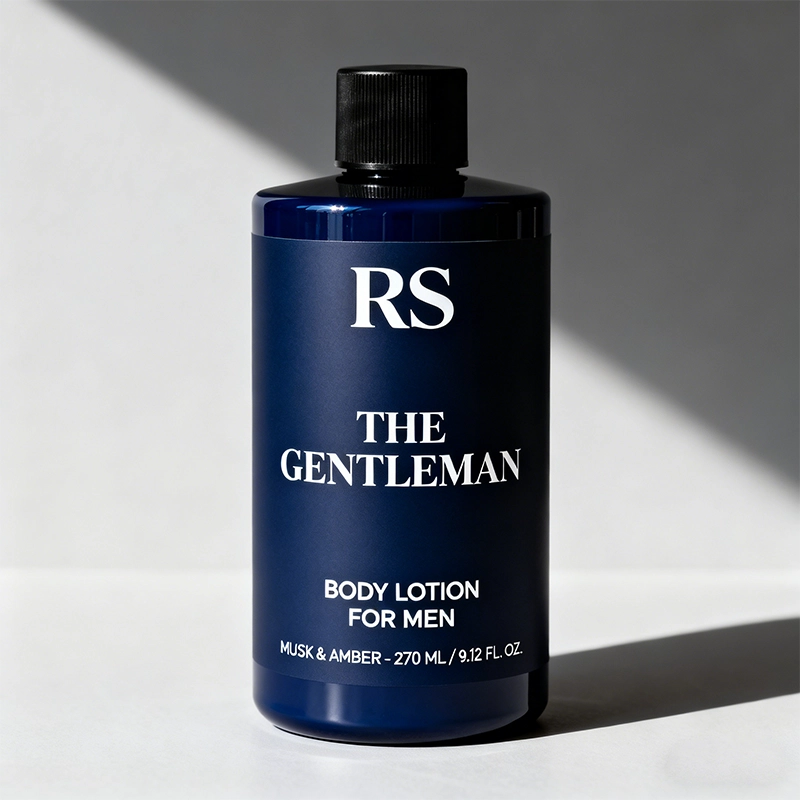
Best Fragrance-Free Lotions for Sensitive Men
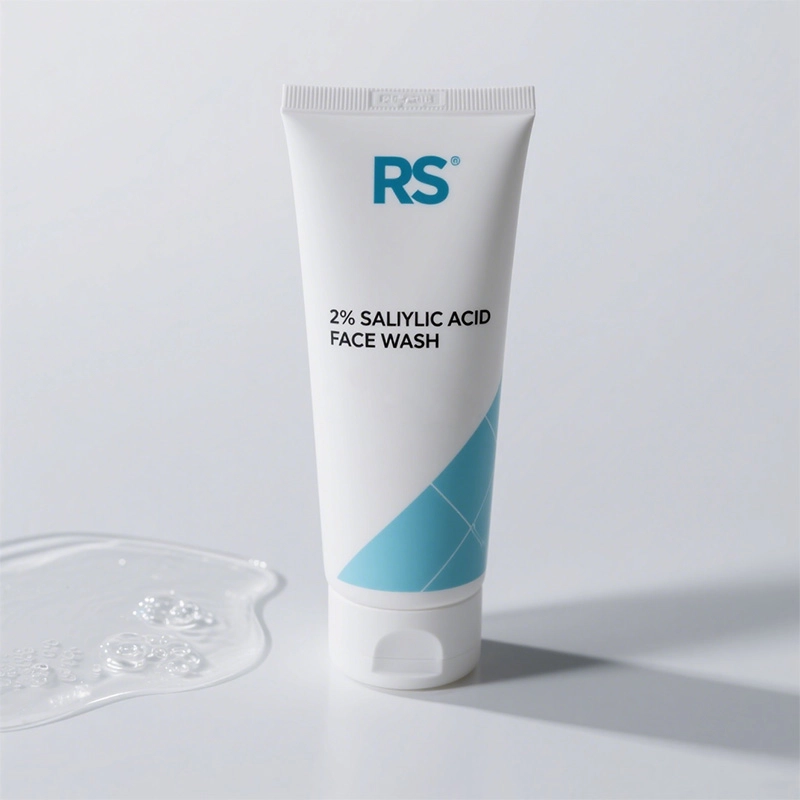
Private Label Salicylic Acid Face Wash vs Best Face Wash Options
Top 10 Body Lotions for Men Buyers Should Consider

Sourcing Private Label Argan Oil as Best Hair Oil for Fine Hair
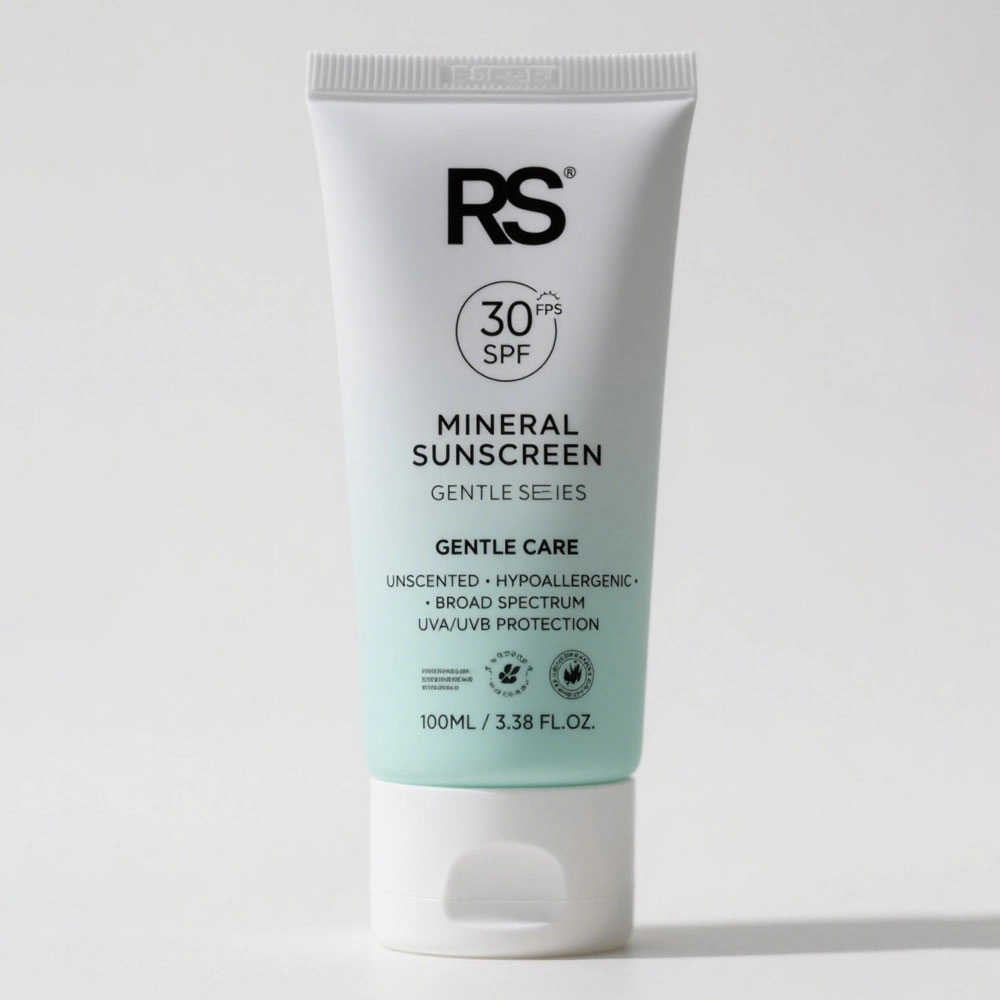
Sunscreen
What is your Minimum Order Quantity (MOQ)?
Sunscreen is usually packed in a tube, for the tube we ask for 3000 units.
Beauty Tanning
Do you add other ingredients to care skin?
Usually we will add Hyaluronic Acid, antioxidants to the formula but we can customize it for you.
Will your tanning products leave streaks?
No, we welcome you testing our samples.
Body Scrub
Do you require an induction seal like the foil liner glued to the rim?
Sure, it will be well protect while the transportation.
Men's Care
How can we achieve a high-shine, non-sticky, and lightweight formula?
This is the power of formula; welcome to test the sample.
Get more information
If you have any comments or good suggestions, please leave us a message; later our professional staff will contact you as soon as possible.
Rysun Biotechnology--Unremittingly strive for human health and beauty
Contact RYSUN
Email: k.lee@rysunoem.com
WhatsApp: +86 156 0306 9138
Address: No. 62 Nanxiang First Road, Science Town of Guangzhou Developed Zone, Huangpu, Guangzhou, China.
© 2025 RYSUN. All Rights Reserved. Privacy Policy | Terms and Conditions | Sitemap
Facebook
Instagram