

Private Label Vanilla Body Oil: Certification & Compliance Tips
- Regulatory Landscape for Private Label Vanilla Body Oil
- Understanding Cosmetic vs. Drug Definitions
- Key Authorities and Standards to Know
- Labeling and Claims: Avoiding Regulatory Traps
- Certifications and Testing: What Matters
- Essential Safety and Stability Tests
- Common Certifications: ISO 22716, ECOCERT, COSMOS, and Organic Claims
- Cost/Timeline Comparison of Common Certifications
- Formulation Considerations and Ingredient Sourcing
- Vanilla as Bioactive: Evidence and Claim Support
- Carrier Oils and Oxidative Stability: Meadowfoam Seed Oil Advantage
- Supply Chain Due Diligence
- Practical Steps for Private Label Launch and Compliance
- Documentation, Technical File, and Product Information File (PIF)
- Packaging, Labeling, and Allergen Declarations
- Quality Control and Batch Release
- Packaging & Marketing: Aligning Claims and Consumer Expectations
- Designing Packaging to Protect Product Integrity
- Marketing Copy: Substantiated, Simple and Honest
- Resources and Authoritative References
- FAQ — Frequently Asked Questions
- 1. What makes a Private Label Vanilla Body Oil the best vanilla body oil?
- 2. Do I need special certification to call vanilla an antioxidant in my marketing?
- 3. What are the minimum tests required before batch release?
- 4. Which certification should I prioritize for export to EU and US retailers?
- 5. What is the typical MOQ for private label of this product?
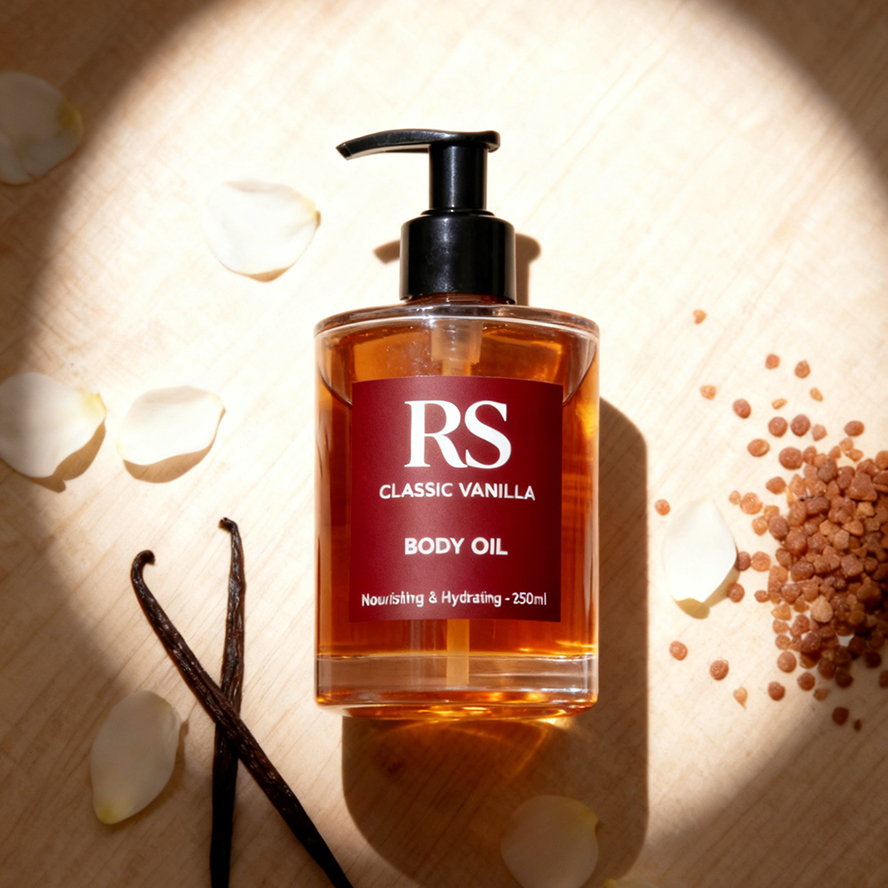
The Private Label Vanilla Body Oil market is growing as brands seek a product that combines sensory luxury with measurable skin benefits. This guide summarizes certification, regulatory and compliance essentials for manufacturers and brands who want to position their product as the best vanilla body oil while meeting global requirements for safety, labeling and traceability.
Regulatory Landscape for Private Label Vanilla Body Oil
Understanding Cosmetic vs. Drug Definitions
Before pursuing certifications, determine whether your formulation is a cosmetic or a drug in target markets. In the United States the FDA defines cosmetics and drugs differently; a product that claims to treat or repair skin structure may cross into drug claims and require additional approval. See the FDA cosmetics overview for authoritative guidance (FDA: Cosmetics). Globally, regulatory definitions vary; EU Regulation (EC) No 1223/2009 covers cosmetic safety requirements in Europe.
Key Authorities and Standards to Know
Important benchmarks for cosmetic manufacturers and private labelers include ISO 22716 (cosmetic Good Manufacturing Practices), local regulatory bodies such as the FDA and the EU Commission, and industry guidance from trade organizations. ISO 22716 provides a framework for quality management and documentation; learn more at the ISO page (ISO 22716). For trade and safety resources, the Personal Care Products Council offers industry best practices (PCPC).
Labeling and Claims: Avoiding Regulatory Traps
Labeling must clearly list ingredients, warnings, batch/lot numbers, net quantity, manufacturer/importer details and country-specific regulatory statements. Be conservative with claims: call vanilla a bioactive antioxidant ingredient only if supported by data. Avoid therapeutic language like heals or treats dermatitis unless you have the required clinical evidence and regulatory approvals.
Certifications and Testing: What Matters
Essential Safety and Stability Tests
For Private Label Vanilla Body Oil, prioritize these tests:
- Microbial Challenge Testing and Total Aerobic Count to ensure product safety.
- Preservative efficacy where applicable (if water is present in formula).
- Oxidative stability and accelerated aging to confirm fragrance and carrier oil stability over shelf life.
- Patch testing or human repeat insult patch tests (HRIPT) for irritation and sensitization risk when making mildness claims.
Third-party labs and CROs can carry out these tests; maintain Certificates of Analysis (CoA) and test reports as part of your technical dossier.
Common Certifications: ISO 22716, ECOCERT, COSMOS, and Organic Claims
Certifications bolster credibility for High Quality blends that aim to be the best vanilla body oil. Consider:
- ISO 22716 (GMP) — essential for manufacturing practices and traceable records.
- ECOCERT or COSMOS — for natural/organic claims in EU and many export markets.
- Leaping Bunny or cruelty-free certification — if positioning as cruelty-free.
Each certification has different audit cadences and documentation requirements; ECOCERT and COSMOS require ingredient origin verification and chain-of-custody documentation.
Cost/Timeline Comparison of Common Certifications
| Certification | What it Verifies | Typical Time to Obtain | Why It Matters for Vanilla Body Oil |
|---|---|---|---|
| ISO 22716 | GMP systems, documentation, traceability | 3–6 months (implementation + audit) | Demonstrates manufacturing quality for private label partners and retailers |
| ECOCERT/COSMOS | Natural/organic ingredient sourcing and limits on synthetics | 3–9 months (depends on supply chain) | Supports High Quality natural positioning and claims like organic vanilla |
| Leaping Bunny / Cruelty-Free | No animal testing for ingredients or final product | 1–3 months | Important for conscious consumers and some retailers |
Formulation Considerations and Ingredient Sourcing
Vanilla as Bioactive: Evidence and Claim Support
Your product brief positions vanilla oil as a bioactive antioxidant and anti-inflammatory. Scientific literature supports antioxidant properties of vanilla extracts and vanillin derivatives; see research summaries at NCBI (PubMed: antioxidant activity). When using vanilla as a functional ingredient rather than merely fragrance, document concentration, method of extraction, and supporting in vitro or clinical data to substantiate claims. Keep CoAs from your vanilla oil supplier that specify vanillin content, microbial status, and solvent residues.
Carrier Oils and Oxidative Stability: Meadowfoam Seed Oil Advantage
Meadowfoam Seed Oil is chosen here for its superior oxidative stability and role as a natural fixative. Because Meadowfoam locks volatile components, it supports longer scent retention and structural skin repair claims. When positioning the product as the best vanilla body oil, include comparative shelf-life data showing volatile retention and rancidity markers versus other carrier oils (e.g., jojoba, almond).
Supply Chain Due Diligence
For traceability and certification, obtain supplier declarations and CoAs for vanilla oil and meadowfoam seed oil. Key elements to validate: botanical identification, country of origin, extraction method, pesticide residues, heavy metals, and allergen declarations. For organic or origin-specific claims, maintain chain-of-custody documents to support audit trails for ECOCERT/COSMOS.
Practical Steps for Private Label Launch and Compliance
Documentation, Technical File, and Product Information File (PIF)
Create a robust Technical File or Product Information File. For EU market compliance, maintain a PIF per Regulation (EC) No 1223/2009, including product description, safety assessment, manufacturing method, proof of claimed effects, and labeling copy. Even outside the EU, similar documentation is required or recommended by retailers and auditors.
Packaging, Labeling, and Allergen Declarations
Labeling should follow destination market regulations. Include INCI ingredient listing, net weight, batch/lot number, manufacturer details, and warnings (e.g., for photosensitizers, allergens). Vanilla absolute and certain natural extracts may contain HICC or vanillin-related allergens; consult IFRA and local allergen disclosure requirements. For international distribution, prepare multi-language labels and country-specific statements.
Quality Control and Batch Release
Institute batch release testing for each production run. Typical release tests: appearance, odor consistency, pH (if relevant), microbial limits, peroxide value and rancidity markers, and fragrance retention metrics. Maintain batch records and CoAs from ingredient suppliers to create a defensible audit trail that supports the product’s status as a High Quality, compliant formulation.
Packaging & Marketing: Aligning Claims and Consumer Expectations
Designing Packaging to Protect Product Integrity
Choose packaging that protects volatile vanilla compounds and prevents oxidation—dark glass, airless pumps or UV-resistant plastics are common. Include tamper-proof seals and secondary packaging to reduce transit risk. Supply chain testing (temperature cycling) will help identify packaging failures before launch.
Marketing Copy: Substantiated, Simple and Honest
Position the Private Label Vanilla Body Oil as a luxury body treatment that uses Vanilla Oil and high-stability carrier oils. Example product blurb:
<p>A luxury body treatment that uses Vanilla Oil and high-stability carrier oils. This product treats Vanilla as a bioactive ingredient, not just a perfume, giving a warm complexity of vanilla while delivering structural skin repair.</p>
<p>In the formula, we use vanilla oil as it is a natural antioxidant and anti-inflammatory. And the main carrier oil we use Meadowfoam Seed Oil, is unique because of its incredible oxidative stability. It acts as a natural fixative, locking the volatile vanilla compounds onto the skin so the scent lasts for hours.</p>
<p>This is a luxury body oil that gives you not only Sensory satisfaction but also like a spa treatment.</p>
<p>MOQ for this private label Vanilla Body Oil is 1000 units, custom formulas are available.</p>
Replace any clinical-sounding lines with documented claims if you have test results. Consumers appreciate transparent proof, such as clinically tested for irritation or microbiologically tested and GMP-manufactured.
Resources and Authoritative References
Refer to these authoritative sources during development and audits:
- ISO 22716: Cosmetics — Good Manufacturing Practices
- U.S. FDA — Cosmetics
- PubMed: Antioxidant studies related to vanilla/vanillin
- Vanilla — background and botanical overview (Wikipedia)
FAQ — Frequently Asked Questions
1. What makes a Private Label Vanilla Body Oil the best vanilla body oil?
The best vanilla body oil combines verified ingredient quality (high-grade vanilla oil, stable carrier like Meadowfoam Seed Oil), third-party GMP certification, documented testing for stability and safety, transparent labeling, and credible supporting data for any functional claims. Packaging and scent retention testing also contribute to perceived product quality.
2. Do I need special certification to call vanilla an antioxidant in my marketing?
Not necessarily, but you must have supporting data and supplier CoAs that demonstrate antioxidant activity or vanillin content. If you make explicit functional or therapeutic claims, you may fall under drug regulations in some jurisdictions—so consult regulatory counsel and retain in vitro or clinical evidence to substantiate the claim.
3. What are the minimum tests required before batch release?
Minimum: microbial limits, peroxide value or other rancidity indicators, visual/odor checks, and matching against a master fragrance/formula. If your formula contains water or emulsifiers, preservative efficacy testing is required. Keep CoAs for each raw material.
4. Which certification should I prioritize for export to EU and US retailers?
ISO 22716 (GMP) is broadly required by many retailers. For EU sales, ensure your Product Information File (PIF) aligns with Regulation (EC) No 1223/2009. For natural/organic positioning, prioritize ECOCERT/COSMOS. Many US retailers also require GMP and supplier audits.
5. What is the typical MOQ for private label of this product?
Our standard MOQ for Private Label Vanilla Body Oil is 1000 units. Custom formulas are available—discuss options with technical services to evaluate testing, stability timelines and certification needs.
If you want to discuss compliance strategy, request sample testing, or see full specification and pricing for Private Label Vanilla Body Oil, contact our team: Contact Sales or view the product page for full details and technical datasheets: Private Label Vanilla Body Oil.

MOQ, Lead Times and Contracts for Private Label Oils
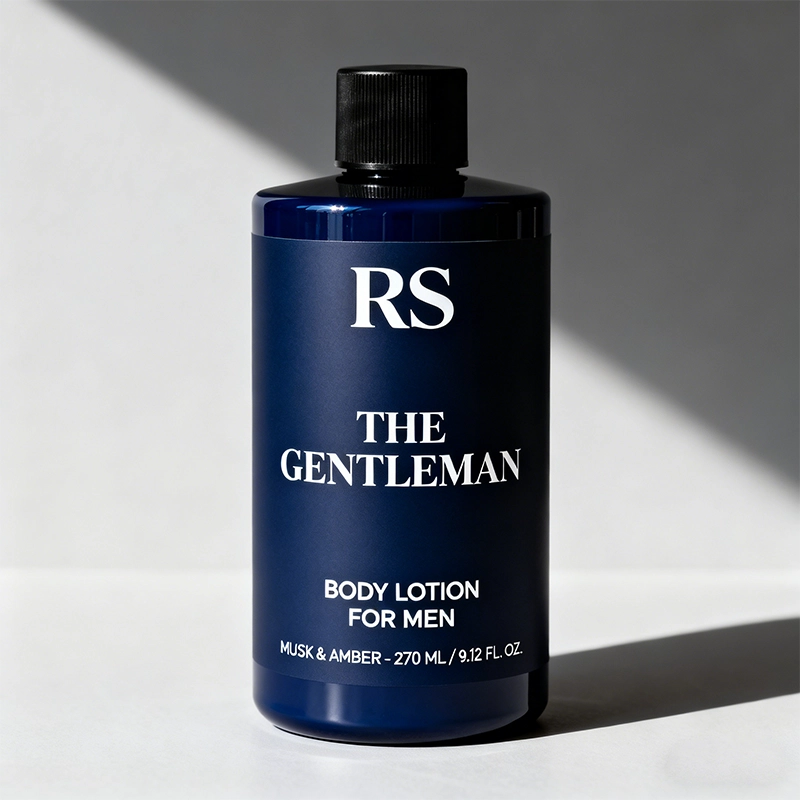
Top 10 Wholesale Body Lotions for Men: Buyer Picks
Formulation Checklist: Effective Hair Oil for Dry Hair
Top 10 Gentle Makeup Removers for Waterproof Mascara
FAQs
Does your company perform quality control and testing procedures?
Our Factory Director worked for P&G before, introduced their experience to our factory, now we have up to 50 quality control procedures for each product and only with the qualified products will they be dispatched.
Body Wash
Beyond basic cleansing, what active ingredients can be integrated?
I list some trendy ingredients above; please have a look. We have our own factory and can add any popular and useful ingredients.
Hand & Foot Care
How do you ensure the actives actually penetrate the hard callus on the heel?
Agents like Urea, Salicylic Acid, or Lactic Acid are useful ingredients.
Face Wash
What is your Minimum Order Quantity (MOQ)?
If you want to pack the face wash in the tube, the MOQ is 3000 without using a sticker. In the bottle will be less.
Hair Oil
Can you create different formulations for specific hair types and concerns?
Yes, we provide 100% customized formulas.


Get more information
If you have any comments or good suggestions, please leave us a message; later our professional staff will contact you as soon as possible.
Rysun Biotechnology--Unremittingly strive for human health and beauty
Contact RYSUN
Email: k.lee@rysunoem.com
WhatsApp: +86 156 0306 9138
Address: No. 62 Nanxiang First Road, Science Town of Guangzhou Developed Zone, Huangpu, Guangzhou, China.
© 2025 RYSUN. All Rights Reserved. Privacy Policy | Terms and Conditions | Sitemap
Facebook
Instagram