


MOQ, Lead Times and Contracts for Private Label Oils
- Practical Guide to Ordering Private Label Argan Oil
- What Private Label Argan Oil offers
- Why this product works for dry hair
- Understanding MOQ, Lead Times, and Contract Structures
- What is MOQ and why 1,000 units is common
- Typical lead time phases and realistic timelines
- Contract terms every buyer should negotiate
- Manufacturing Considerations for Cold-Pressed Argan Oil
- Sourcing and cold-pressing: quality matters
- Stability, preservation, and role of Vitamin E
- Packaging, fill sizes, and labeling considerations
- Logistics, Quality Assurance, and Compliance
- Certifications and good manufacturing practices
- Testing: what to require before full production
- Customs, shipping, and how lead times are impacted
- Commercial Strategies: Pricing, MOQ Variants and Contract Models
- Pricing breakdown and economies of scale
- Contract models: one-off vs rolling orders
- How to reduce risk (samples, pilot runs, cancellation terms)
- Practical Checklist Before You Place an MOQ Order
- Frequently Asked Questions (FAQ)
- Q: Why is the MOQ for Private Label Argan Oil set at 1,000 units?
- Q: How long will it take from sample approval to delivery?
- Q: What testing is essential for a hair oil for dry hair product?
- Q: Can I negotiate a lower MOQ or a staggered production?
- Q: What certifications should I request from my manufacturer?
- Next Steps & Contact

This article provides a practical, actionable overview of MOQ, lead times and contract considerations when launching a private label oil product—specifically Private Label Argan Oil, a cold-pressed formulation ideal as a hair oil for dry hair. It covers why a 1,000-unit MOQ matters, how sampling and stability testing affect timelines, essential contract clauses, compliance and logistics. The goal is to help brands, retailers, and entrepreneurs make informed decisions that reduce risk, shorten time-to-market, and ensure product quality.
Practical Guide to Ordering Private Label Argan Oil
What Private Label Argan Oil offers
A cold-pressed argan oil offers a truly natural, lightweight, and effective solution for hair health.
The key to our formula is the cold-pressing Argan Oil, which is crucial as it preserves the oil's natural characteristics and high concentration of beneficial nutrients that effectively smooths the hair cuticle, taming frizz and flyaways, providing deep moisture without a greasy feel. This results in hair that is softer and has a natural, long-lasting shine.
In the formula, we also add Vitamin E to prevent the argan oil from oxidizing. A true mate to your healthier hair.
MOQ for this private label argan oil is 1000 units.
Why this product works for dry hair
Cold-pressed argan oil retains essential fatty acids (linoleic and oleic acids) and tocopherols that replenish lipids in the hair shaft. For consumers searching for a hair oil for dry hair, the lightweight nature of properly processed argan oil provides deep moisture without weighing hair down. Vitamin E acts as an antioxidant to protect quality during storage and helps maintain performance for the end user.
Understanding MOQ, Lead Times, and Contract Structures
What is MOQ and why 1,000 units is common
MOQ (Minimum Order Quantity) represents the smallest production run a manufacturer can economically support. For cold-pressed oils like argan, MOQs reflect raw material procurement, press throughput, packaging setup, and quality control costs. A 1,000-unit MOQ allows suppliers to amortize fixed costs (tooling, batch testing, lab time) across enough units to keep unit prices reasonable, while still accommodating smaller private label brands.
Typical lead time phases and realistic timelines
Lead time is the sum of the stages from initial sample to finished goods delivered. Typical phases include:
- Formulation & sample production (1–3 weeks)
- Stability & safety testing (2–6 weeks, sometimes longer for expanded testing)
- Raw material procurement and scheduling (2–4 weeks depending on supplier stock)
- Production run and QC (1–2 weeks)
- Packing, labeling, and shipping (1–3+ weeks depending on destination and logistics)
Realistically, most private label cold-pressed oil launches with new suppliers take 6–12 weeks from approval of the final formula to FOB shipment. If additional testing, certification, or custom packaging is required, add 2–6 weeks.
Contract terms every buyer should negotiate
Key clauses to include in private label manufacturing agreements:
- MOQ and pricing tiers: clear pricing for MOQ and stepped discounts for larger volumes.
- Lead time and delivery windows: penalties or remedies for missed dates if critical.
- Quality/spec compliance: reference to agreed specification sheets and acceptable QC tolerances.
- Intellectual property & branding: who owns formula, artwork, and whether supplier can sell similar products.
- Testing and recall responsibilities: who pays for safety issues and logistics in recall scenarios.
- Payment terms and tooling fees: deposit, balance, and any refundable/non-refundable set-up charges.
Manufacturing Considerations for Cold-Pressed Argan Oil
Sourcing and cold-pressing: quality matters
Cold-pressed argan oil quality depends on nut sourcing, pressing methods, and post-press handling (oxygen exposure, light). Look for suppliers with transparent supply chains and traceability. Manufacturers who cold-press at controlled temperatures preserve the oil's fatty acid and tocopherol profile, which is crucial for delivering measurable benefits in a hair oil for dry hair. For background on argan oil composition and uses see the Argan oil article on Wikipedia (Wikipedia) and peer-reviewed analyses such as studies indexed on PubMed (PubMed).
Stability, preservation, and role of Vitamin E
Argan oil is rich in unsaturated lipids that can oxidize. Incorporating a small concentration of Vitamin E (tocopherol) mitigates oxidation and extends shelf life without using synthetic preservatives—important for consumer perception and product stability. Stability testing (accelerated and real-time) should be specified in the contract to define acceptable changes in odor, color, peroxide value, and efficacy over time.
Packaging, fill sizes, and labeling considerations
Packaging choices (amber glass, PET, dropper caps, pump bottles) affect shelf life and user experience. For hair oil for dry hair, a dropper or controlled pump helps prevent over-dispensing. Labeling must comply with cosmetic regulation in the target market—ingredient declaration, batch code, net contents, and any claims. Refer to authorities like the U.S. FDA for cosmetic labeling guidance (FDA).
Logistics, Quality Assurance, and Compliance
Certifications and good manufacturing practices
Ask for supplier certifications such as GMP (Good Manufacturing Practices) and third-party audit reports. ISO standards and recognized GMP programs increase buyer confidence—ISO provides standards related to quality management and some guidance on cosmetic manufacturing (ISO). If you target markets requiring specific certifications (e.g., COSMOS/NaTrue for natural cosmetics, organic certifications), include them early in negotiations because they affect sourcing, lead times, and costs.
Testing: what to require before full production
Essential tests before scaling to an MOQ of 1,000 units include:
- Microbial testing (to ensure preservative effectiveness or low microbial load)
- Peroxide and rancidity testing
- Heavy metals and pesticide residues (if relevant to supply chain)
- Stability (accelerated and real-time)
Include a clause in contracts specifying acceptable test results, retesting procedures, and responsibilities if batches fail.
Customs, shipping, and how lead times are impacted
International shipments add unpredictability—port congestion, customs inspections, and certificates of origin can delay delivery. Plan lead times with buffer and consider DDP vs FOB terms when negotiating contracts. If time-to-market is critical, consider regional co-manufacturers near your sales market to reduce transit time and complexity.
Commercial Strategies: Pricing, MOQ Variants and Contract Models
Pricing breakdown and economies of scale
Per-unit cost decreases as volume increases because fixed costs (setup, testing) are spread over more units. Below is a simplified comparison table to illustrate typical differences. Numbers are illustrative; get supplier quotes for accurate planning.
| Item | MOQ = 1,000 units | MOQ = 5,000 units | MOQ = 10,000 units |
|---|---|---|---|
| Unit cost (ex-factory) | $5.50 | $4.20 | $3.60 |
| Total production cost | $5,500 | $21,000 | $36,000 |
| Estimated lead time (weeks) | 8–10 | 10–12 | 12–14 |
Note: Larger orders may increase lead time slightly because of raw material procurement and scheduling; however, the per-unit savings often justify slightly longer timelines.
Contract models: one-off vs rolling orders
Many buyers start with a pilot order at MOQ to validate market demand, then move to a rolling contract or forecast-driven model that reduces unit cost and secures priority production slots. Rolling contracts often include minimum annual purchase commitments, price review clauses, and lead time windows tied to forecast accuracy.
How to reduce risk (samples, pilot runs, cancellation terms)
Negotiate a sampling and pilot run process: an initial sample for evaluation, a small pilot batch (e.g., 200–500 units) for market testing, then the full MOQ. Include cancellation terms with defined timelines and what portion of deposits are refundable. For a hair oil for dry hair, consumer testing or salon trials can validate claims and improve product-market fit before full production.
Practical Checklist Before You Place an MOQ Order
- Finalize formula and obtain a certificate of analysis (CoA) from the supplier.
- Confirm packaging, label artwork, and regulatory copy for each target market.
- Agree on lead times, shipping terms, and payment schedule in the contract.
- Specify testing requirements (stability, microbial, peroxide levels) and acceptance criteria.
- Decide on inventory strategy—stock-to-order vs forecast—and include in the agreement.
Frequently Asked Questions (FAQ)
Q: Why is the MOQ for Private Label Argan Oil set at 1,000 units?
A: The 1,000-unit MOQ balances supplier economics (set-up, testing, and packaging costs) with accessibility for small to medium brands. For cold-pressed oils, it also reflects the supply chain and small-batch handling required to maintain quality.
Q: How long will it take from sample approval to delivery?
A: Expect 6–12 weeks typically. This covers final formula approval, stability and safety testing, procurement, production, QC, and shipping. Complex certifications or custom packaging can extend timelines.
Q: What testing is essential for a hair oil for dry hair product?
A: At minimum, require peroxide value/rancidity testing, microbial testing, stability (accelerated and real-time), and heavy metals/pesticide screening if raw ingredients originate from areas with agricultural inputs. These safeguard consumer safety and product performance.
Q: Can I negotiate a lower MOQ or a staggered production?
A: Some suppliers allow staggered production or pilot batches for an additional setup fee. Negotiate pricing tiers, a pilot run, or a rolling purchase agreement to reduce upfront risk while planning for scale.
Q: What certifications should I request from my manufacturer?
A: Ask for GMP or third-party audit reports, CoA for each batch, and any requested organic/natural certifications if you market the product with those claims. For regulatory guidance see the FDA cosmetics page (FDA) and ISO references (ISO).
Next Steps & Contact
If you're ready to move forward with Private Label Argan Oil—optimized as a High Quality hair oil for dry hair—our standard MOQ is 1,000 units. We provide formulation support, stability testing coordination, label compliance checks, and logistics assistance to streamline your launch.
Contact our sales team to request a sample, ask for pricing tiers, or discuss contract terms: sales@example.com. View the full product details and order process on our product page.
References:

Packaging and Labeling Tips for Private Label Argan Oil
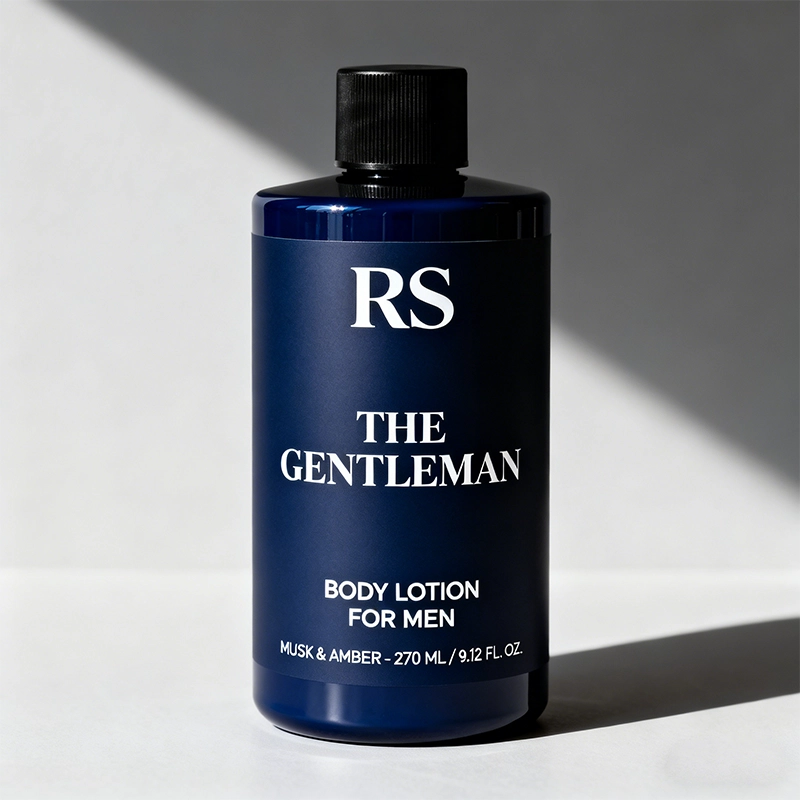
Top Natural Ingredients for Men’s Body Lotions
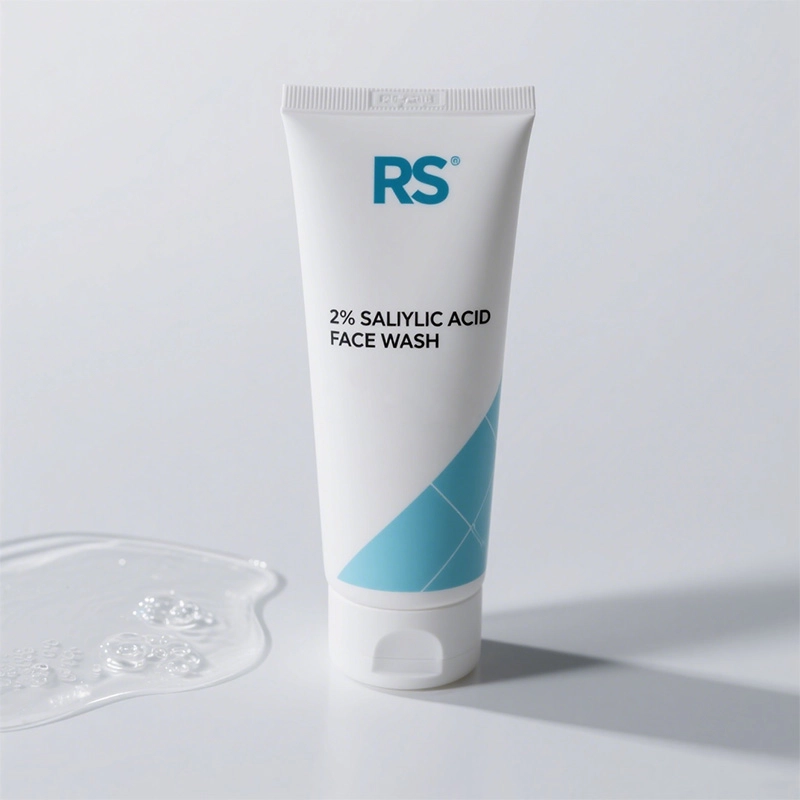
Private Label Salicylic Acid Face Wash vs Best Face Wash Options
Best Face Wash for Acne? Private Label Salicylic Acid Review
Anti Hair Loss
What ingredients you use in the formulate?
Ingredients such as caffeine, rosemary oil, biotin, keratin, etc.
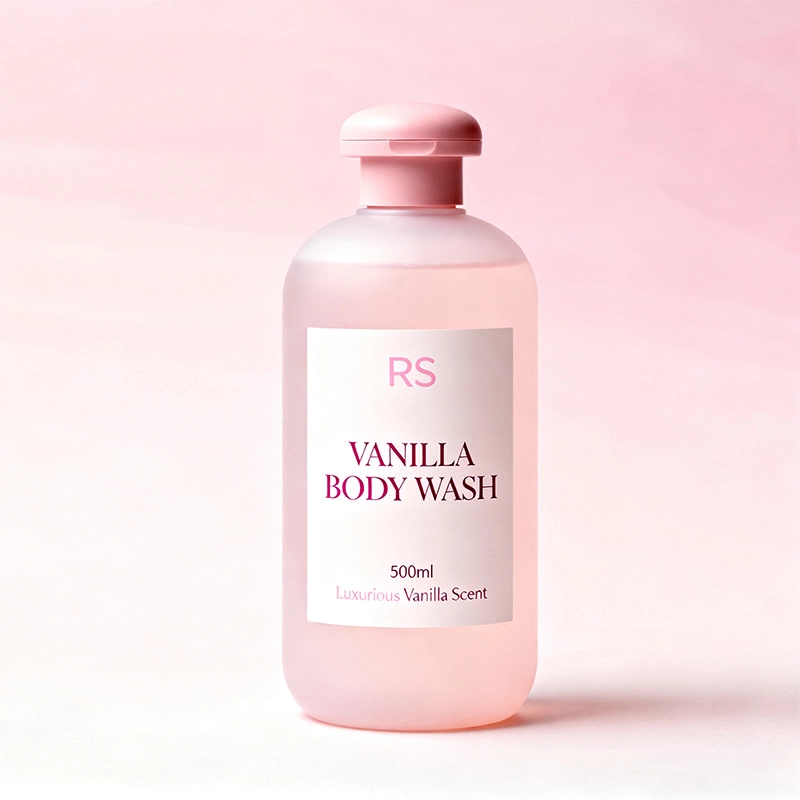
Body Wash
Beyond basic cleansing, what active ingredients can be integrated?
I list some trendy ingredients above; please have a look. We have our own factory and can add any popular and useful ingredients.
Face Mist
Is the pH balanced for skin comfort and barrier health?
Yes, it is mild formula with alcohol.
Body Mist
What is the fragrance oil concentration?
Usually 3% for the body mist.
Sunscreen
What are the different types of sunscreen formulas you can create?
Like I mentioned above, we can create a lot of formulas; please leave your message to share your thoughts. Let's talk.
Get more information
If you have any comments or good suggestions, please leave us a message; later our professional staff will contact you as soon as possible.
Rysun Biotechnology--Unremittingly strive for human health and beauty
Contact RYSUN
Email: k.lee@rysunoem.com
WhatsApp: +86 156 0306 9138
Address: No. 62 Nanxiang First Road, Science Town of Guangzhou Developed Zone, Huangpu, Guangzhou, China.
© 2025 RYSUN. All Rights Reserved. Privacy Policy | Terms and Conditions | Sitemap
Facebook
Instagram