


Private Label Argan Oil: Formulation Tips for Fine Hair Oils
- Private Label Argan Oil: Formulation Tips for Fine Hair Oils
- Why choose cold-pressed Private Label Argan Oil for the best hair oil for fine hair
- Understanding fine hair needs: what makes the best hair oil for fine hair
- Formulation principle 1 — Choose lightweight carriers and esters
- Formulation principle 2 — Active concentrations and dosing for best performance
- Formulation principle 3 — Avoid heavy or film-forming ingredients that weigh hair down
- Packaging and delivery formats for the best hair oil for fine hair
- Stability, preservation and shelf-life considerations
- Regulatory and labeling tips when marketing Private Label Argan Oil
- Texture and sensory optimization: achieving a non-greasy finish
- Performance testing and claims that matter to consumers looking for the best hair oil for fine hair
- Comparison table: common oils vs. argan oil for fine hair
- Brand positioning: using Private Label Argan Oil to meet market demand
- Manufacturing and scale-up considerations for private label customers
- FAQ — Frequently Asked Questions about Private Label Argan Oil and best hair oil for fine hair
- Q: Is argan oil suitable for fine hair daily use?
- Q: What is the recommended ingredient list for a fine-hair leave-in oil?
- Q: Do I need preservatives in an all-oil formula?
- Q: What packaging type is best for cold-pressed argan oil to preserve quality?
- Q: What is the MOQ and private label support available?
- Contact us / View product — CTA
- Authoritative references and further reading

Private Label Argan Oil: Formulation Tips for Fine Hair Oils
Why choose cold-pressed Private Label Argan Oil for the best hair oil for fine hair
A cold-pressed argan oil offers a truly natural, lightweight, and effective solution for hair health.
The key to our formula is the cold-pressing Argan Oil, which is crucial as it preserves the oil's natural characteristics and high concentration of beneficial nutrients that effectively smooths the hair cuticle, taming frizz and flyaways, providing deep moisture without a greasy feel. This results in hair that is softer and has a natural, long-lasting shine.
In the formula, we also add Vitamin E to prevent the argan oil from oxidizing. A true mate to your healthier hair.
MOQ for this private label argan oil is 1000 units.
Understanding fine hair needs: what makes the best hair oil for fine hair
Fine hair has a smaller diameter and lower weight per strand; it becomes weighted down easily and shows oiliness faster. The goal of a hair oil for fine hair is to add shine, reduce frizz, and improve manageability without adding heaviness or residue. Ingredients must be lightweight, quick-absorbing, and formulated in concentrations that deliver benefits without flattening volume.
Formulation principle 1 — Choose lightweight carriers and esters
Argan oil naturally performs well on fine hair due to its relatively low molecular weight and high linoleic and oleic acid profile. To enhance a non-greasy feel, blend argan with lighter carriers or esters such as:
- Fractionated coconut oil (MCT) — fast absorption, light feel.
- Grapeseed oil — high linoleic acid, very lightweight.
- Meadowfoam seed oil — stable, light emollient with good sensory profile.
- Isopropyl myristate or C12-15 alkyl benzoate — esters that reduce tackiness and leave a dry finish.
Typical blend guideline for a leave-in hair oil targeting fine hair: 60–90% argan oil as the star ingredient with 10–40% light esters/carriers depending on desired sensory (e.g., 80% argan + 20% fractionated oil for a richer but still lightweight product; 60% argan + 40% esters for very dry-finish formulations).
Formulation principle 2 — Active concentrations and dosing for best performance
Work with dose ranges that show benefit without overloading fine hair. Suggested ranges:
- Argan oil (cold-pressed): 50–90% in single-phase oil formulations. For oil-in-water (serums/lotions), use 5–20% dispersed in the oil phase.
- Light carrier oils/esters: 10–40%.
- Vitamin E (tocopherol): 0.1–0.5% as antioxidant to extend shelf life and protect oils from oxidation.
- Optional actives (silk proteins, hydrolyzed keratin peptides): 0.1–1% depending on solubility and product type.
Keep concentrations conservative for leave-in products; heavy use of nutrient-dense oils like castor or coconut should be avoided in formulas aimed at fine hair.
Formulation principle 3 — Avoid heavy or film-forming ingredients that weigh hair down
Fine hair is sensitive to heavy waxes, high-viscosity silicones, and dense fatty esters. When creating the best hair oil for fine hair, avoid or limit:
- Pure castor oil (very viscous and heavy) — if used, keep < 5% and blended with lighter oils.
- High molecular weight silicones (e.g., dimethicone 350 cSt) — consider lightweight volatile silicones (e.g., cyclopentasiloxane) or silicone alternatives for a breathable finish.
- Beeswax or heavy butters — reserve for rinse-off or pre-styling masks, not daily leave-ins for fine hair.
Packaging and delivery formats for the best hair oil for fine hair
Packaging affects how consumers dose and perceive weight. For fine hair formulations consider:
- Dropper bottles (glass) — allow precise control to avoid overuse.
- Pump or spray emulsions — light sprays can distribute a thin layer across hair without excess.
- Opaque or amber glass — UV protection preserves cold-pressed oil quality.
Include usage guidance on labels (e.g., 1–2 drops for short/fine hair; 3–5 drops for thicker/longer hair) to prevent over-application.
Stability, preservation and shelf-life considerations
Pure oil formulas generally do not require microbial preservatives unless water is introduced. Key steps to ensure product stability and shelf life:
- Add an antioxidant system: Vitamin E (0.1–0.5%) and optional rosemary extract (0.02–0.2%) to slow oxidation.
- Test peroxide value and rancidity over accelerated stability (40°C, 3 months) and real-time storage.
- If formulating oil-in-water or sprayable emulsions, include a broad-spectrum preservative and perform challenge testing per ISO 11930.
Regulatory and labeling tips when marketing Private Label Argan Oil
Comply with regional cosmetic regulations and transparent labeling: use INCI names (Argania Spinosa Kernel Oil, Tocopherol), list allergens if fragrance is added, and avoid unsupported medical claims. For EU/UK, comply with Cosmetics Regulation (EC) No 1223/2009; for USA, follow FDA Cosmetic labeling guidance. Include batch code and best-before date based on stability testing.
Texture and sensory optimization: achieving a non-greasy finish
Sensory appeal matters for repeat purchase. Use these approaches:
- Blend with volatile esters (C12-15 alkyl benzoate) to create a fast-absorbing feel.
- Reduce perceived weight by including a small percentage of drying esters or light silicones (if allowed by brand positioning).
- Balance fragrance load: low fragrance helps claim suitable for sensitive scalps and avoids masking argan's natural aroma.
Performance testing and claims that matter to consumers looking for the best hair oil for fine hair
Consumers for fine hair want visible shine, reduced frizz, and non-greasy feel. Run simple, credible tests:
- Instrumental shine measurement (gloss meter) before/after application.
- Sensory panels rating weight, residue, and ease of styling.
- Consumer use tests (CUT) across hair types with quantifiable satisfaction scores.
Use claim language that is verifiable: cold-pressed, lightweight formula, non-greasy finish, rather than therapeutic claims.
Comparison table: common oils vs. argan oil for fine hair
| Oil | Relative Weight on Hair | Comedogenic Rating (approx.) | Best Use for Fine Hair |
|---|---|---|---|
| Argan (cold-pressed) | Light–Medium | 0–2 | Daily leave-in shine, frizz control (recommended) |
| Grapeseed | Light | 0 | Excellent lightweight carrier |
| Jojoba | Light | 2 | Scalp balancing, fine hair moisture |
| Coconut (virgin) | Medium–Heavy | 2–4 | Use sparingly; better for pre-wash masks |
| Castor | Heavy | 1–3 | Not recommended for daily leave-in on fine hair |
Brand positioning: using Private Label Argan Oil to meet market demand
Use these selling points in marketing and packaging copy to reach consumers searching for the best hair oil for fine hair:
- Cold-pressed Argan Oil — emphasizes purity and retained nutrients.
- Lightweight, non-greasy finish — specifically formulated for fine hair.
- Enhanced with Vitamin E — natural antioxidant for oil stability and hair protection.
- MOQ 1000 units — attractive for retailers and indie brands seeking quality private label solutions.
Manufacturing and scale-up considerations for private label customers
When moving from lab to market, validate production with attention to mixing order (antioxidants added at lower temperatures), filtration standards, and batch-to-batch sensory checks. Ensure traceability of argan sourcing and include certificates of analysis (COA) for fatty acid profile, peroxide value, and microbiological safety where applicable.
FAQ — Frequently Asked Questions about Private Label Argan Oil and best hair oil for fine hair
Q: Is argan oil suitable for fine hair daily use?
A: Yes—when formulated as a lightweight blend and dosed correctly (1–3 drops for short/fine hair), cold-pressed argan oil provides shine and frizz control without significant weight. Look for formulations that include lighter esters or fractionated oils for a non-greasy finish.
Q: What is the recommended ingredient list for a fine-hair leave-in oil?
A: A simple, effective ingredient list could be: Argania Spinosa Kernel Oil (60–80%), Caprylic/Capric Triglyceride or fractionated coconut (10–20%), C12-15 Alkyl Benzoate (5–15%), Tocopherol (0.2–0.5%). Adjust percentages based on desired sensory.
Q: Do I need preservatives in an all-oil formula?
A: No microbial preservatives are necessary for an anhydrous (no water) oil product, but antioxidants like Vitamin E are recommended to prevent rancidity. If you add water or water-containing extracts, include a cosmetic preservative and perform challenge testing.
Q: What packaging type is best for cold-pressed argan oil to preserve quality?
A: Amber glass bottles with droppers or pumps are ideal to protect from UV and oxygen exposure. Consider tamper-evident closures and nitrogen blanketing during filling to extend shelf life.
Q: What is the MOQ and private label support available?
A: The MOQ for this private label argan oil is 1000 units. Manufacturing partners can support formulation tweaks, custom labeling, and small-batch sampling before full production runs.
Contact us / View product — CTA
If you’re ready to develop the best hair oil for fine hair with Private Label Argan Oil, request samples, formulation support, or pricing for your private label run. MOQ: 1000 units. Contact our sales team today to receive a sample pack and formulation guide tailored to RYSUN.
Authoritative references and further reading
- Argan oil — Wikipedia: https://en.wikipedia.org/wiki/Argan_oil
- Composition and properties of Argan oil (peer-reviewed review): PubMed/NCBI: https://www.ncbi.nlm.nih.gov/pmc/articles/PMC5535880/
- Cosmetic labeling and regulation (European Commission): https://ec.europa.eu/growth/sectors/cosmetics_en
- FDA cosmetic regulations and labeling: https://www.fda.gov/cosmetics
- Cosmetic Ingredient Review (CIR) expert panel: https://www.cir-safety.org/
Note: Always perform stability and safety testing based on your target market's regulatory requirements before commercial release.
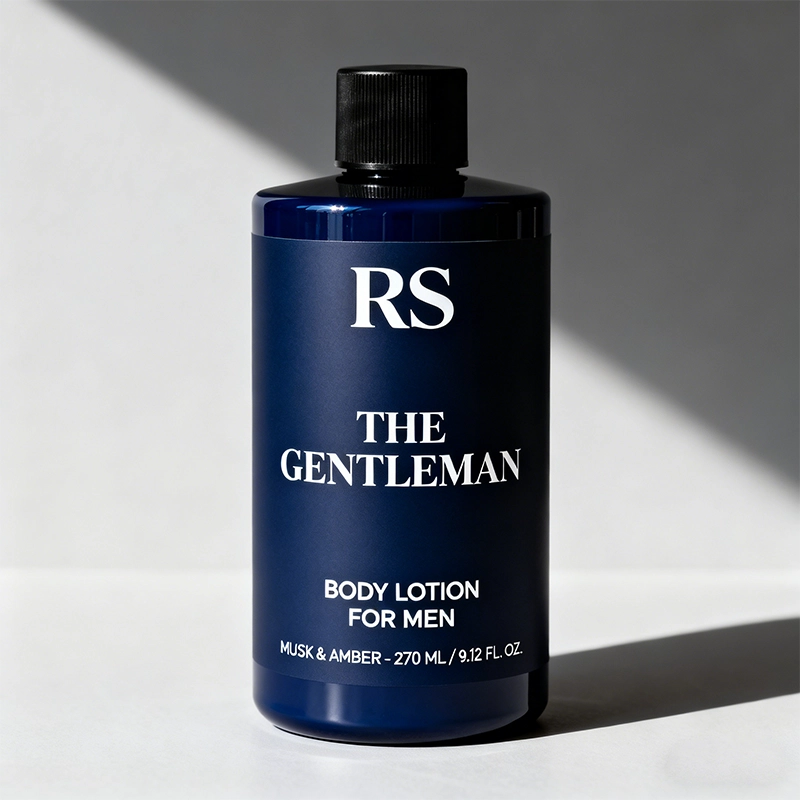
Top Packaging Ideas for Men's Body Lotion Brands
Best Face Washes for Teenagers with Acne
Travel-Friendly Best Toner for Face: Mini and Multipurpose
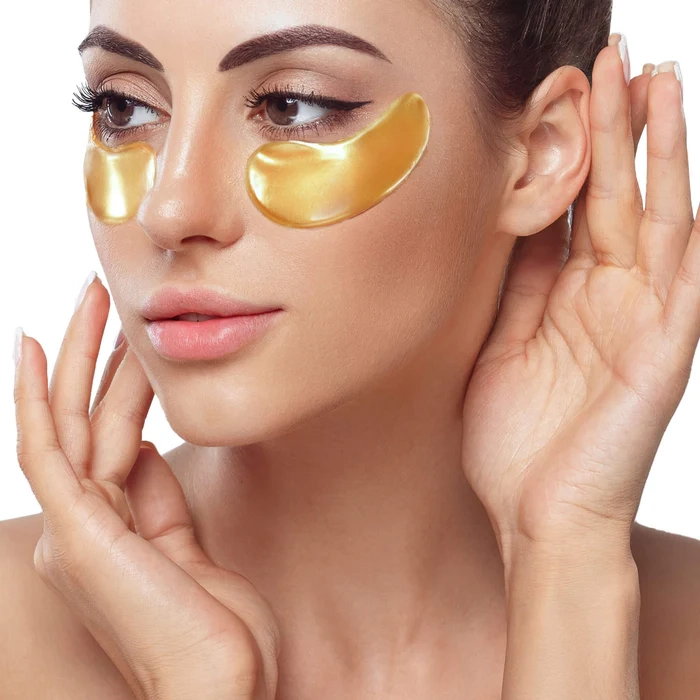
Marketing Strategies for Private Label 24k Gold Eye Masks
Makeup Remover
What is "double cleansing," and is it necessary?
Double cleansing is a two-step face cleaning. First, use a makeup remover to remove makeup. Second, use a face cleanser to clean your skin. It is a recommended way in the daily routine to protect your skin.
Hair Oil
What are the most popular and effective oils for hair?
Please have a look at the ingredients sector above; it introduces the trending ingredients.
Body Scrub
Can you manufacture Whipped Body Polishes?
Yes that is no problem.
Beard Care
What Ingredients do you commonly use?
Some of our ingredients such as Jojoba, Argan and Almond oils, but we have more.
Body Lotion
How do you guarantee a fast-absorbing, non-greasy finish, even in richer formulas?
It related to the ratio of different ingredients; it is a formula matrix.
Get more information
If you have any comments or good suggestions, please leave us a message; later our professional staff will contact you as soon as possible.
Rysun Biotechnology--Unremittingly strive for human health and beauty
Contact RYSUN
Email: k.lee@rysunoem.com
WhatsApp: +86 156 0306 9138
Address: No. 62 Nanxiang First Road, Science Town of Guangzhou Developed Zone, Huangpu, Guangzhou, China.
© 2025 RYSUN. All Rights Reserved. Privacy Policy | Terms and Conditions | Sitemap
Facebook
Instagram