

Why Retailers Choose Private Label Argan Oil for Dry Hair
- Why Cold-Pressed Argan Oil Is an Effective Solution for Dry Hair
- How argan oil nourishes and repairs dry hair
- Why cold-pressing matters for product performance
- Retailer Advantages: Business Reasons to Stock Private Label Argan Oil
- Consumer demand and positioning
- Private-label economics and MOQ details
- Retail-friendly packaging and merchandising options
- Formulation & Performance: What Makes Private Label Argan Oil Stand Out
- Lightweight hydration without a greasy finish
- Stability and shelf life: the role of Vitamin E
- Safety, claims, and ingredient transparency
- Marketing & Merchandising: How Retailers Can Maximize Sales
- Key messages that convert
- SEO and online merchandising strategies
- Sampling, bundling, and cross-promotion
- Comparing Argan Oil to Other Popular Oils for Dry Hair
- Brand Advantages: Why Private Label Argan Oil Works for Retailers
- Proven product story
- Customization and control
- Operational benefits
- Frequently Asked Questions (FAQ)
- Q: Is Private Label Argan Oil suitable for all hair types?
- Q: How should customers use this product for best results?
- Q: What are the ingredients and is it free of harsh chemicals?
- Q: What is the minimum order quantity and lead time?
- Q: Are there clinical studies proving argan oil’s benefits?

Retailers looking to stock an effective hair oil for dry hair are prioritizing natural performance, strong margins, and customer trust. Private Label Argan Oil answers that need: a cold-pressed, nutrient-rich formula that smooths the hair cuticle, reduces frizz, and provides deep moisture without greasiness — backed by clear formulation, retail-friendly packaging options, and a workable MOQ of 1000 units for private label partners.
Why Cold-Pressed Argan Oil Is an Effective Solution for Dry Hair
How argan oil nourishes and repairs dry hair
Argan oil is prized in hair care because it is naturally rich in fatty acids (especially oleic and linoleic acids) and antioxidants, which help restore moisture to the hair shaft, improve elasticity, and reduce breakage. These nutrients work to smooth the cuticle surface, allowing strands to reflect light and appear shinier and healthier. Peer-reviewed summaries and ingredient overviews explain argan oil’s beneficial fatty acid and antioxidant profile, which supports its use for dry and damaged hair (Wikipedia — Argan oil).
Why cold-pressing matters for product performance
Cold-pressing is a mechanical extraction method performed without high heat or harsh solvents. This process helps preserve thermolabile nutrients like polyunsaturated fatty acids and tocopherols (Vitamin E), which are crucial for hair repair and oxidative protection. Products made from cold-pressed argan oil deliver a fuller nutrient profile compared to heat-extracted or solvent-extracted oils, translating into better results for consumers seeking a non-greasy, deeply moisturizing hair oil for dry hair.
Retailer Advantages: Business Reasons to Stock Private Label Argan Oil
Consumer demand and positioning
Consumer search behavior increasingly favors natural, multifunctional remedies for dry hair — terms like hair oil for dry hair and argan hair oil show high intent. Retailers benefit from carrying products that simultaneously address hydration, frizz control, and shine. Private Label Argan Oil positions well in both natural/clean beauty categories and mass-market hair repair shelves, capturing cross-shopping consumers.
Private-label economics and MOQ details
Private Label Argan Oil offers a minimum order quantity of 1000 units, which is often an attractive entry point for retailers who want branded exclusivity without the high minimums of custom contract manufacturing. Private label products typically provide higher margins than national brands while allowing retailers to control pricing, packaging, and promotional strategy — essential levers for retail profitability.
Retail-friendly packaging and merchandising options
Retailers can choose from various bottle sizes, pump or dropper dispensers, and custom labeling options to match shelf space and shopper preferences. Clear messaging (e.g., cold-pressed, contains Vitamin E, lightweight, non-greasy) helps convert in-store and online traffic into purchases, while educational shelf tags and testers can improve trial rates.
Formulation & Performance: What Makes Private Label Argan Oil Stand Out
Lightweight hydration without a greasy finish
Many consumers avoid oils because traditional oils can feel heavy or leave hair greasy. The Private Label Argan Oil formula focuses on a light sensory profile: a high-quality cold-pressed base that penetrates the hair shaft and smooths the cuticle rather than sitting on top of fibers. The result is deep moisture, reduced frizz and flyaways, and a natural-looking sheen — all key selling points for shoppers searching for hair oil for dry hair.
Stability and shelf life: the role of Vitamin E
To maintain product integrity, the formula includes Vitamin E, an antioxidant that helps prevent oxidation and rancidity in natural oils. This addition extends shelf life and protects the active components that deliver benefits to hair, which is important for retailers managing inventory and returns.
Safety, claims, and ingredient transparency
Retailers succeed when product claims are supported by transparent ingredient lists and clear usage guidance. Private Label Argan Oil is formulated with a minimal ingredient list focused on cold-pressed argan oil and Vitamin E, lowering the risk of consumer sensitivity and simplifying compliance with labeling rules in major markets. For authoritative guidance on consumer safety and cosmetic claims, retailers can consult sources like the American Academy of Dermatology (AAD — Hair and Scalp Care).
Marketing & Merchandising: How Retailers Can Maximize Sales
Key messages that convert
Top-performing claims for a hair oil for dry hair include cold-pressed argan, lightweight, non-greasy, deep moisture and frizz control, and enriched with Vitamin E. Positioning the product for multiple uses — pre-styling heat protection, post-wash hydration, and mid-day frizz control — expands occasions and basket size.
SEO and online merchandising strategies
On product pages, include the primary term hair oil for dry hair in the product title, bullet points, and at least once in the first 100 words of description. Use structured FAQs and reviews to generate long-tail content (e.g., how to use argan oil on curly dry hair). Rich snippets from FAQ markup can improve click-through rates. Additionally, educational content (like this article) helps capture searchers at the consideration stage.
Sampling, bundling, and cross-promotion
Retailers can drive trials by offering travel-size testers or including the argan oil in repair-focused bundles (e.g., shampoo + conditioner + oil). Cross-promotion with styling tools and moisturizing shampoos creates complementary upsell opportunities and improves perceived product value.
Comparing Argan Oil to Other Popular Oils for Dry Hair
| Feature | Argan Oil (Cold-Pressed) | Coconut Oil | Jojoba Oil |
|---|---|---|---|
| Texture/Sensory | Lightweight, non-greasy | Heavier, can feel greasy | Light to medium, non-greasy |
| Main benefits for dry hair | Moisture, frizz control, shine | Seals moisture, can solidify at room temp | Balances scalp oil, good for dry ends |
| Stability | Good when cold-pressed + Vitamin E | Moderate; subject to oxidation over time | Stable, long shelf life |
| Best retail positioning | High Quality natural hair oil for daily use | Multiuse, DIY-focused | Scalp and lightweight conditioning |
Sources for ingredient profiles and general background: Wikipedia — Argan oil; scientific overviews and cosmetic reviews on argan oil benefits can be found via PubMed and dermatology literature (see e.g., PubMed review).
Brand Advantages: Why Private Label Argan Oil Works for Retailers
Proven product story
Private Label Argan Oil combines a clear efficacy story (cold-pressed argan oil that smooths and hydrates) with simple, transparent formulation (addition of Vitamin E to stabilize). This straightforward narrative is easy to communicate on shelf, in online listings, and in marketing creatives.
Customization and control
Retailers can request custom labeling, scent adjustments, and packaging sizes that align with their brand identity and customer base. This flexibility increases differentiation from national brands and allows retailers to test price points and promotions with lower risk.
Operational benefits
With an MOQ of 1000 units, Private Label Argan Oil balances accessibility and scale. Retailers can achieve attractive per-unit costs while avoiding excessively large upfront inventory commitments. Combined with predictable shelf performance for a hair oil for dry hair, this makes it a practical choice for both independent boutiques and larger retail chains.
Frequently Asked Questions (FAQ)
Q: Is Private Label Argan Oil suitable for all hair types?
A: Yes — while formulated to address dry hair, the lightweight nature of cold-pressed argan oil makes it suitable for most hair types when used appropriately. Fine hair may need a smaller amount or application only to mid-lengths and ends to avoid weighing hair down.
Q: How should customers use this product for best results?
A: Use a few drops on towel-dried hair before styling to lock in moisture and protect against heat, or apply sparingly to dry ends to tame frizz and add shine. It can also be used as an overnight treatment on particularly dry or damaged areas.
Q: What are the ingredients and is it free of harsh chemicals?
A: The formula focuses on cold-pressed argan oil and Vitamin E to preserve the oil and extend shelf life. Retailers can request full ingredient panels and specific certifications (e.g., organic, cruelty-free) as part of private-label agreements.
Q: What is the minimum order quantity and lead time?
A: The MOQ for Private Label Argan Oil is 1000 units. Lead times vary by customization, labeling, and order size — typical timelines range from 6–12 weeks from order approval for a standard private-label run.
Q: Are there clinical studies proving argan oil’s benefits?
A: There are published reviews and studies on argan oil’s fatty acid and antioxidant composition and its topical benefits. For general background, see the argan oil entry on Wikipedia and review literature indexed on PubMed. Retailers should avoid unsubstantiated medical claims and instead focus on evidence-based performance statements.
If you’re a retailer interested in carrying Private Label Argan Oil or want to request samples, packaging options, or pricing details, please contact our sales team or view the product page to get started. MOQ: 1000 units.

Pricing Strategy Guide for Private Label Argan Oil (B2B Buyers)
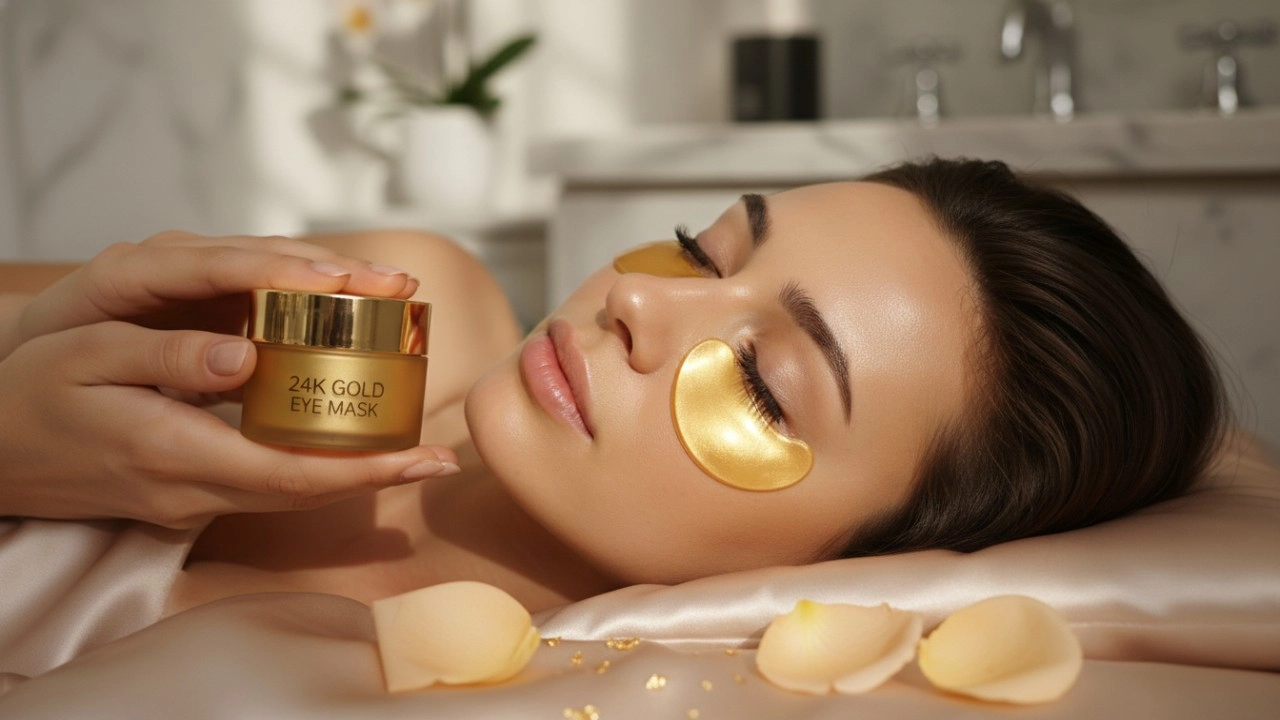
24k Gold Eye Mask Guide 2026: Science-Backed Benefits & Expert Hacks for Ageless Skin
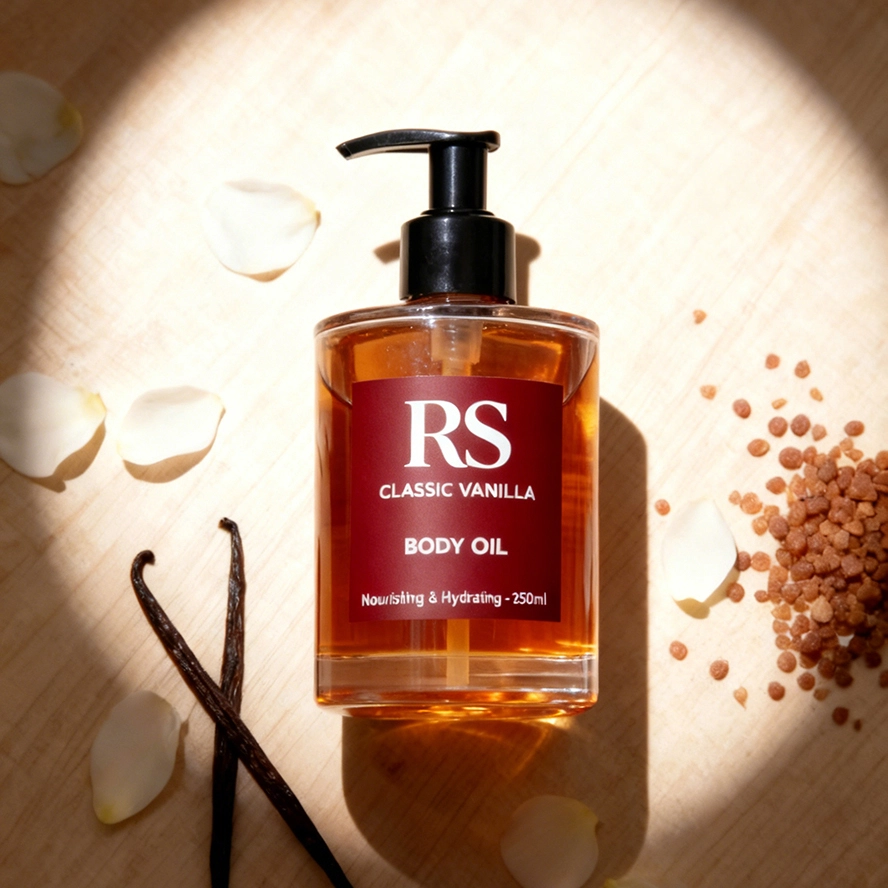
Quality Assurance Tests Buyers Should Require for Vanilla Body Oil
Market Trends: Best Hair Oil for Fine Hair and Private Label Demand
Face Mist
Is the pH balanced for skin comfort and barrier health?
Yes, it is mild formula with alcohol.
Hair Mask
What are the hydrating and repairing agents used in hair masks?
Different regions have their preferences; we almost have all the trending ingredients in the market. Please have a look at the ingredient part.
Face Cream
What is the MOQ for our face cream?
Usually we ask for 1000 units, but it depends on what package you like.
Beauty Tanning
How do you avoid an orange hue?
We balance the pH value to 4-6 to avoid orange color.
Body Wash
What is the target pH range for your body wash base formulas?
It is between 5.0 and 6.0 to support the skin's natural acid mantle and prevent irritation.

Get more information
If you have any comments or good suggestions, please leave us a message; later our professional staff will contact you as soon as possible.
Rysun Biotechnology--Unremittingly strive for human health and beauty
Contact RYSUN
Email: k.lee@rysunoem.com
WhatsApp: +86 156 0306 9138
Address: No. 62 Nanxiang First Road, Science Town of Guangzhou Developed Zone, Huangpu, Guangzhou, China.
© 2025 RYSUN. All Rights Reserved. Privacy Policy | Terms and Conditions | Sitemap
Facebook
Instagram