

Essential Certifications for Private Label Argan Oil for Fine Hair
- Essential Certifications for Private Label Argan Oil for Fine Hair
- Why certifications matter when marketing the best hair oil for fine hair
- Product snapshot: Private Label Argan Oil — cold-pressed, lightweight, and effective
- Core certification: Cosmetics Good Manufacturing Practice (GMP / ISO 22716)
- Organic and natural labels: COSMOS, Ecocert, and USDA Organic
- Safety and quality testing: what lab reports buyers expect
- Allergen, stability and preservative claims: testing to support labeling
- Ethical and consumer-facing certifications: Cruelty-free, Vegan, and Fair Trade
- Regulatory compliance: EU Cosmetics Regulation and FDA guidance
- Analytical metrics and what they mean for performance on fine hair
- Quality and certification comparison
- How to prioritize certifications for a Private Label Argan Oil launch
- Practical checklist for suppliers and private label partners
- Brand positioning: why Private Label Argan Oil stands out as the best hair oil for fine hair
- FAQs — Private Label Argan Oil and certifications
- Q: Which certifications are required to sell argan oil as a cosmetic in the EU?
- Q: Is organic certification necessary to claim the best hair oil for fine hair?
- Q: What lab tests should I expect from a reputable supplier?
- Q: How does adding Vitamin E affect certification?
- Q: What is a reasonable shelf life for cold-pressed argan oil products?
- How to get started: sourcing, audit, and launch checklist
- Contact sales / Check product
- Authoritative references and further reading

Essential Certifications for Private Label Argan Oil for Fine Hair
Why certifications matter when marketing the best hair oil for fine hair
When you position a product as the best hair oil for fine hair, especially under a Private Label Argan Oil line, consumers expect more than marketing claims — they seek verified safety, authenticity, and performance. Certifications and third-party testing reduce commercial risk, increase retailer acceptance, and improve conversion by demonstrating trustworthiness. Certs do not replace good formulation and production, but they validate that what’s on the bottle matches what’s inside.
Product snapshot: Private Label Argan Oil — cold-pressed, lightweight, and effective
Private Label Argan Oil
A cold-pressed argan oil offers a truly natural, lightweight, and effective solution for hair health.
The key to our formula is the cold-pressing Argan Oil, which is crucial as it preserves the oil's natural characteristics and high concentration of beneficial nutrients that effectively smooths the hair cuticle, taming frizz and flyaways, providing deep moisture without a greasy feel. This results in hair that is softer and has a natural, long-lasting shine.
In the formula, we also add Vitamin E to prevent the argan oil from oxidizing. A true mate to your healthier hair.
MOQ for this private label argan oil is 1000 units.
Core certification: Cosmetics Good Manufacturing Practice (GMP / ISO 22716)
GMP for cosmetics — commonly referenced as ISO 22716 — is the baseline certification buyers and retailers expect for finished cosmetic products. It documents manufacturing controls, traceability, staff training, hygiene, and quality management systems. For Private Label Argan Oil claiming position as the best hair oil for fine hair, ISO 22716 ensures consistent batches, reduces contamination risk, and demonstrates responsible manufacturing.
Organic and natural labels: COSMOS, Ecocert, and USDA Organic
Many consumers searching for the best hair oil for fine hair prioritize natural or organic credentials. The principal certifications to consider:
- COSMOS (COSMOS-standard.org) — a widely accepted European standard for organic and natural cosmetics, harmonizing Ecocert, BDIH and others.
- Ecocert — certifies organic ingredients, production processes, and restricts synthetic inputs.
- USDA Organic — applicable if a product meets the USDA organic agricultural ingredient criteria (useful for markets that recognize USDA labeling).
These certifications matter particularly if you plan to market Private Label Argan Oil as a naturally derived, cold-pressed treatment suitable for sensitive, fine hair types, as they help justify High Quality pricing and online conversions.
Safety and quality testing: what lab reports buyers expect
Beyond trust marks, credible buyers and regulators demand analytical testing and Certificates of Analysis (CoA). Essential tests for argan oil include:
- Microbiological testing (total aerobic count, yeast & mold, absence of pathogens)
- Heavy metals (lead, arsenic, cadmium, mercury)
- Pesticide residue screening (GC-MS or equivalent)
- Peroxide value and free fatty acid (indicators of oxidation and rancidity)
- Fatty acid profile (to verify authenticity and quality of argan oil)
- Organoleptic and sensory checks (color, odor, clarity)
For fine hair formulations, low viscosity, light absorption, and minimal residue are desirable attributes — analytical data can quantify these and support marketing claims that your Private Label Argan Oil is the best hair oil for fine hair.
Allergen, stability and preservative claims: testing to support labeling
Label claims like “preservative-free”, “suitable for sensitive scalps”, or “non-greasy” must be backed by stability studies, preservative efficacy tests (when applicable), and fragrance/allergen screening. Even 100% argan oil products can oxidize; including Vitamin E is beneficial, but accelerated stability testing and peroxide tracking help define shelf life and storage instructions essential for retailer listings.
Ethical and consumer-facing certifications: Cruelty-free, Vegan, and Fair Trade
Ethical certifications build loyalty among values-driven buyers searching for the best hair oil for fine hair:
- Leaping Bunny / Cruelty-Free — third-party assurance that no animal testing was involved in ingredient or finished product development.
- Vegan — confirms no animal-derived ingredients or by-products.
- Fair Trade — relevant for argan oil because sourcing from Morocco’s argan cooperatives can be certified to demonstrate ethical sourcing and social impact.
These certifications are valuable for marketing, especially in Western markets and online platforms like Amazon or specialty retailers.
Regulatory compliance: EU Cosmetics Regulation and FDA guidance
Regulatory frameworks vary by market. For EU sales, compliance with EU Cosmetics Regulation (EC) No 1223/2009 is mandatory: safety assessment by a qualified expert, Product Information File (PIF), and correct labeling. For the U.S., while the FDA does not pre-approve cosmetics, companies must comply with ingredient restrictions, proper labeling, and manufacturing best practices. Having documented compliance simplifies cross-border retail and distributor onboarding.
Analytical metrics and what they mean for performance on fine hair
Quality metrics directly influence performance claims when marketing the best hair oil for fine hair. Key metrics include:
- Peroxide value: low values indicate freshness and lower likelihood of oxidative damage to hair.
- Fatty acid profile: a balanced profile with oleic and linoleic acids suggests conditioning without heavy residue — ideal for fine hair.
- Viscosity and absorption rate: measured to ensure lightweight feel and ease of distribution on fine strands.
Quality and certification comparison
| Certification/Test | What it ensures | Why it matters for best hair oil for fine hair |
|---|---|---|
| ISO 22716 / GMP | Good manufacturing practice, traceability | Consistent batches, reduced contamination — critical for consumer trust |
| COSMOS / Ecocert / USDA Organic | Organic/natural ingredient verification | Supports claims of purity and attracts natural-product buyers |
| Microbial & heavy metal testing | Safety and purity validation | Prevents product recalls and protects scalp/skin health |
| Peroxide / Free Fatty Acid | Oxidation/rancidity levels | Ensures shelf-life and that oil won’t damage delicate, fine hair |
| Leaping Bunny / Vegan | Ethical claims | Attracts ethical consumers and supports High Quality positioning |
| Fair Trade | Ethical sourcing and community benefit | Strengthens origin story for argan oil and supports brand values |
How to prioritize certifications for a Private Label Argan Oil launch
Not every certification is necessary for every market or channel. Prioritize based on distribution strategy and target customers:
- Retail chains and department stores: ISO 22716 (GMP) and CoAs are typically mandatory.
- Natural and organic marketplaces: COSMOS/Ecocert and transparent supply chain documentation.
- Direct-to-consumer and DTC beauty brands: cruelty-free, vegan, and third-party test results are highly influential.
For many Private Label projects, start with GMP and essential lab testing, then add organic/ethical certs as the brand scales or targets High Quality channels.
Practical checklist for suppliers and private label partners
Before signing with a manufacturer, request the following documentation and test results for Private Label Argan Oil:
- ISO 22716/GMP certificate and factory audit report
- Certificate of Analysis (CoA) with peroxide value, fatty acid profile, heavy metals, and microbial tests
- Raw material traceability and origin documentation (Morocco region for argan)
- Stability study or accelerated aging data
- Sample labeling and INCI declaration
- Proof of ethical certifications (if claimed): Leaping Bunny, Fair Trade, etc.
Also verify minimum order quantities (MOQ). For our Private Label Argan Oil, MOQ is 1000 units — ensure this aligns with your launch planning and inventory model.
Brand positioning: why Private Label Argan Oil stands out as the best hair oil for fine hair
Our Private Label Argan Oil is designed for fine hair profiles: the cold-pressed extraction preserves a lightweight fatty acid profile, while added Vitamin E enhances oxidative stability. Combined with third-party lab testing and production under GMP systems, these elements enable trustworthy claims about being a non-greasy, smoothing, and shine-enhancing treatment — qualities often prioritized by people searching for the best hair oil for fine hair.
Brand advantages summarized:
- Cold-pressed argan oil for preserved nutrients and lightweight feel
- Vitamin E for antioxidant protection and extended shelf life
- GMP manufacturing and full lab testing to support product safety
- MOQ of 1000 units suitable for boutique and retail private-label launches
FAQs — Private Label Argan Oil and certifications
Q: Which certifications are required to sell argan oil as a cosmetic in the EU?
A: For EU sales, you must comply with the EU Cosmetics Regulation (EC) No 1223/2009. This includes a safety assessment performed by a qualified professional, maintaining a Product Information File (PIF), correct labeling, and ensuring ingredients meet regulatory restrictions. GMP (ISO 22716) and CoAs are widely expected by retailers.
Q: Is organic certification necessary to claim the best hair oil for fine hair?
A: Organic certification is not legally required to call a product the best hair oil for fine hair, but it supports marketing claims, helps justify higher price points, and attracts natural-product consumers. Many brands choose COSMOS or Ecocert to substantiate organic or natural claims.
Q: What lab tests should I expect from a reputable supplier?
A: Expect a full Certificate of Analysis (CoA) with microbial counts, heavy metal screening, pesticide residues, peroxide and free fatty acid values, and fatty acid profile. Stability and sensory test reports are also important for shelf-life and performance expectations on fine hair.
Q: How does adding Vitamin E affect certification?
A: Vitamin E (tocopherol) is commonly used as an antioxidant. It does not block organic or natural certifications when used within allowed limits, but you should disclose it on the INCI listing and ensure the ingredient meets the chosen certifier’s allowed substances list.
Q: What is a reasonable shelf life for cold-pressed argan oil products?
A: Shelf life depends on peroxide value, packaging (dark glass or airless pumps reduce oxidation), and storage conditions. Typical shelf lives range from 12 to 24 months; accelerated stability testing will give a defensible expiration period.
How to get started: sourcing, audit, and launch checklist
Steps for launching Private Label Argan Oil certified for competitive channels:
- Define market and required certifications (GMP mandatory for many retailers)
- Request supplier GMP certificate, CoAs, and sample stability data
- Order pre-production sample and run independent lab testing if needed
- Confirm labeling, INCI, and shelf-life claims with a cosmetic safety assessor
- Place the MOQ order (1000 units) and arrange logistics with traceability documentation
Contact sales / Check product
Interested in launching Private Label Argan Oil as the best hair oil for fine hair? Contact our sales team to request samples, review Certificates of Analysis, and discuss customization (fragrance-free, tinted packaging, label design). MOQ: 1000 units. Reach out to sales@yourcompany.com or visit our product page for more details.
Authoritative references and further reading
- Argan oil — Wikipedia: https://en.wikipedia.org/wiki/Argan_oil
- ISO 22716 Cosmetics — Good Manufacturing Practices: https://www.iso.org/standard/36437.
- COSMOS Standard for organic and natural cosmetics: https://cosmos-standard.org/
- Ecocert: https://www.ecocert.com/
- EU Cosmetics Regulation (EC) No 1223/2009: https://eur-lex.europa.eu/eli/reg/2009/1223/oj
- U.S. Food and Drug Administration — Cosmetics: https://www.fda.gov/cosmetics
- PubMed: scientific literature for argan oil — search results: https://pubmed.ncbi.nlm.nih.gov/?term=argan+oil
- Leaping Bunny (Cruelty-Free certification): https://www.leapingbunny.org/
Note: Documentation and lab results should be current and provided by accredited labs. Certification needs and regulations can change by market, so consult regulatory counsel or a cosmetic safety assessor for market-specific requirements.
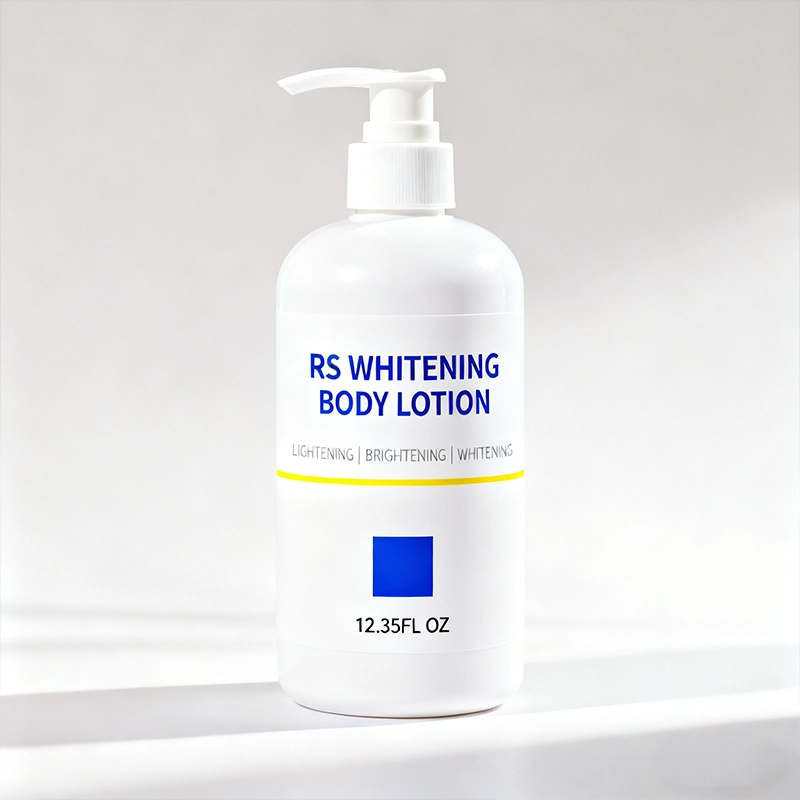
Best Body Lotions for Glowing Skin for Retailers & Brands
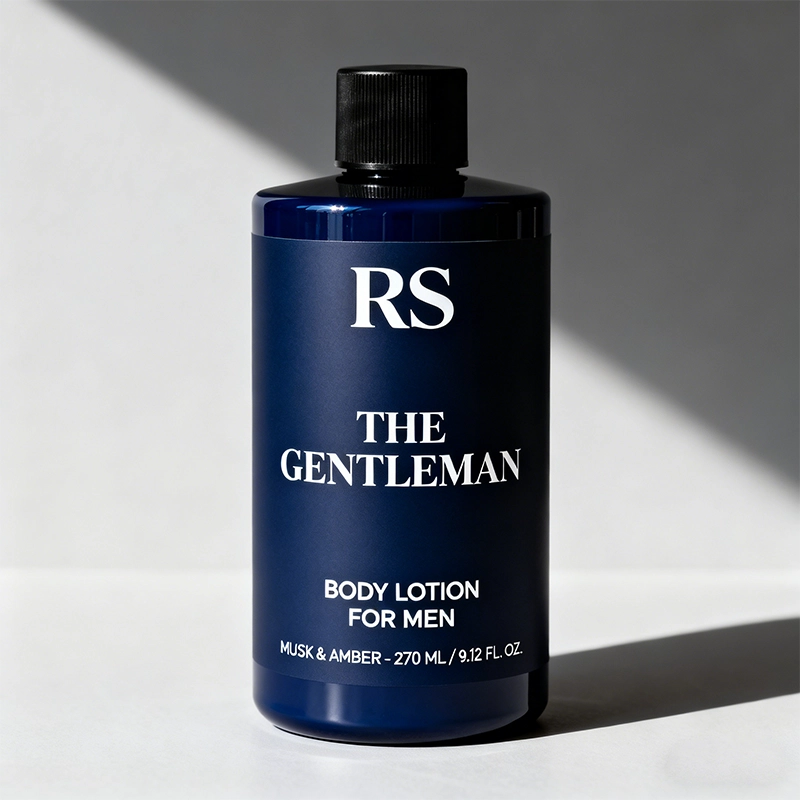
Private Label Body Lotion for Men: Launching Your Brand
Best Fragrance-Free Lotions for Sensitive Men
Best Anti-Aging Body Lotions for Men
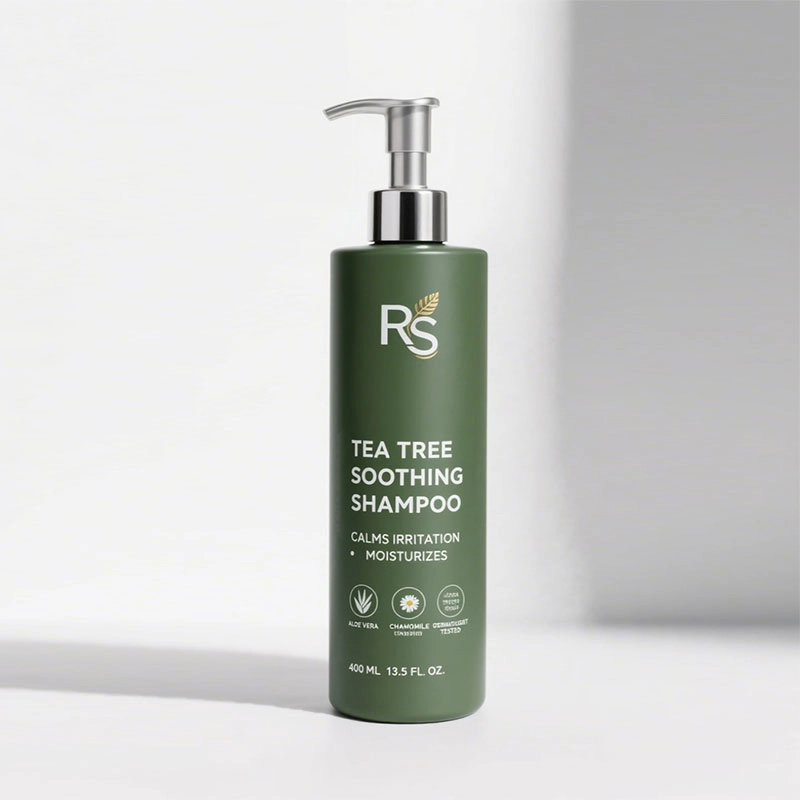
Hair Shampoo
Do you offer base formulas for specific hair types and concerns?
Yes, this is one of the advantages we're good at.
Body Lotion
General MOQ for the body lotion ?
Usually we will ask for 1000 units.
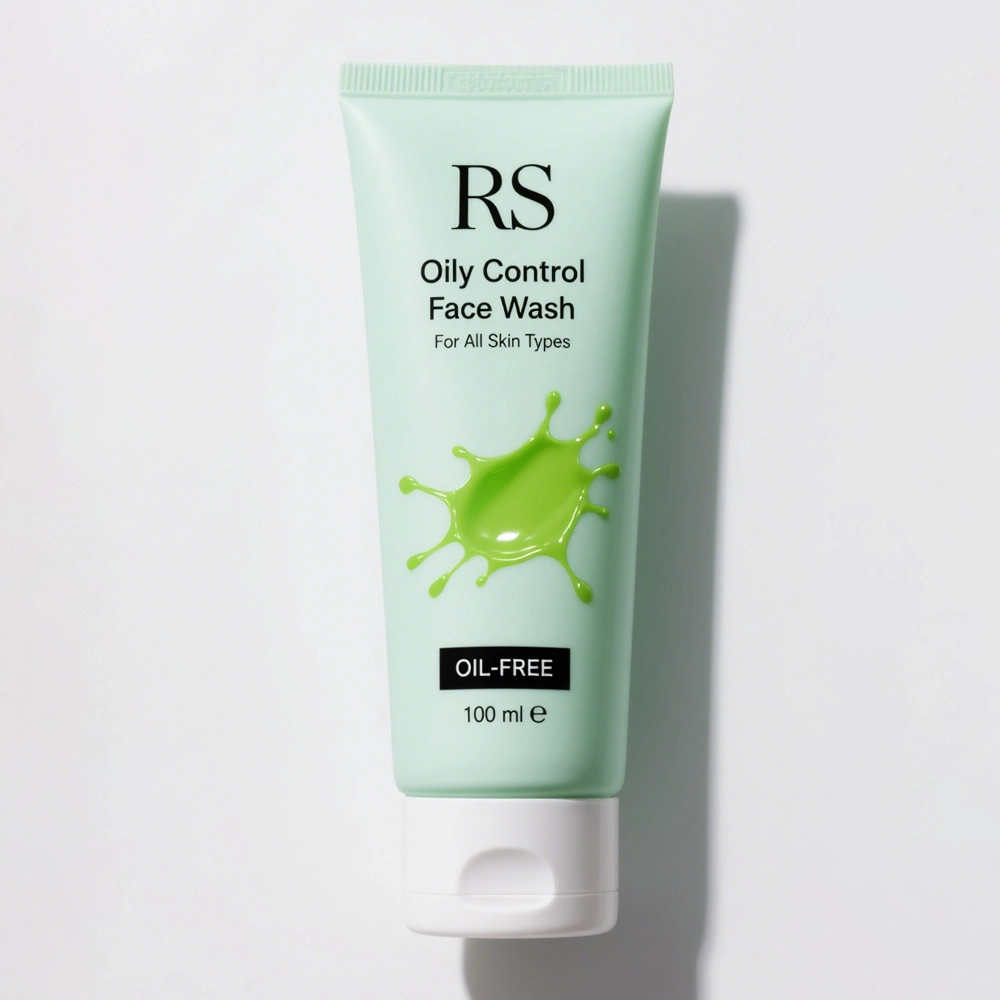
Face Wash
Is there a difference between "face wash" and "face cleanser"?
Different regions have their names, but it is almost the same.
Face Serum
What are the current market trends and consumer preferences for face serums?
The ingredients I list on this page are the popular serums according to the search database.
Eye Care
How do you formulate products for the delicate eye area?
We need a milder ingredient & formula. After sampling, our staff will try it on our eyes to see its sensitivity and perform CAM testing. You can trust our formula and professionalism.
Get more information
If you have any comments or good suggestions, please leave us a message; later our professional staff will contact you as soon as possible.
Rysun Biotechnology--Unremittingly strive for human health and beauty
Contact RYSUN
Email: k.lee@rysunoem.com
WhatsApp: +86 156 0306 9138
Address: No. 62 Nanxiang First Road, Science Town of Guangzhou Developed Zone, Huangpu, Guangzhou, China.
© 2025 RYSUN. All Rights Reserved. Privacy Policy | Terms and Conditions | Sitemap
Facebook
Instagram