

Compliance & Certifications for Face Cream for Dry Skin
- Compliance & Certifications for Face Cream for Dry Skin
- Introduction: Why compliance matters for a face cream for dry skin
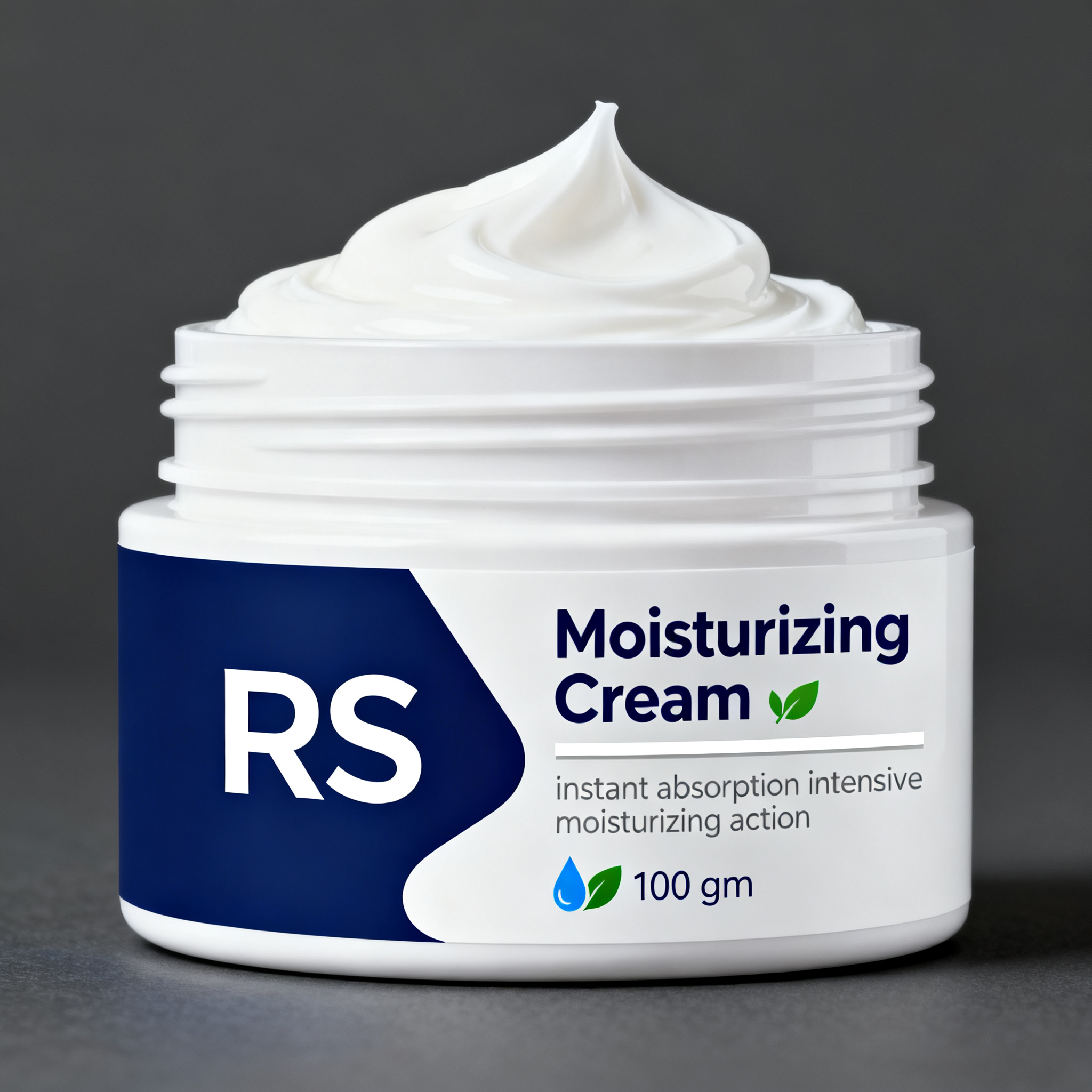
- Product snapshot: Private Label Face Dryness Cream Face Hydrating
- Understanding regulatory frameworks for a face cream for dry skin
- Core certifications and standards to build trust for a face cream for dry skin
- Table: Quick comparison of common certifications and their value for a face cream for dry skin
- Safety testing and claim substantiation for a face cream for dry skin
- Labeling, claims, and ingredient transparency for face cream for dry skin
- Manufacturing and quality assurance considerations for private label face cream for dry skin
- Ingredient-specific compliance: ceramides, hyaluronic acid and humectants
- How to substantiate 'clinically proven hydration' and 'restores barrier' claims
- International market entry tips for face cream for dry skin
- Brand advantages: Why choose Private Label Face Dryness Cream Face Hydrating
- FAQ — Compliance & Certifications for Face Cream for Dry Skin
- Q: Is a face cream for dry skin considered a drug?
- Q: What testing is mandatory before selling a face cream for dry skin?
- Q: How can I substantiate claims like 'restores the skin's natural barrier'?
- Q: Do I need ISO 22716 if I work with a private label manufacturer?
- Q: What certifications help sales of a face cream for dry skin in pharmacies?
- Contact & Call to Action
- Authoritative references and resources
Compliance & Certifications for Face Cream for Dry Skin
Introduction: Why compliance matters for a face cream for dry skin
When you develop or source a face cream for dry skin, compliance and certifications are more than paperwork — they are proof points that build trust with regulators, retailers, clinicians, and consumers. A properly certified product reduces legal risk, supports truthful claims (for example 'restores skin barrier' or 'clinically proven hydration'), and speeds market entry in target regions. This article explains the regulatory landscape, the certifications that matter, required testing and labeling, and how those apply to our Private Label Face Dryness Cream Face Hydrating.
Product snapshot: Private Label Face Dryness Cream Face Hydrating
A dryness cream not only gives an excellent hydration to the skin but also restores the skin's natural barrier to address the fundamental cause of dryness.
The core of the formula is the triple Ceramide Complex, which has been clinically proven to be the most effective blend for mimicking and rebuilding the natural intercellular skin's structure, directly correcting the barrier deficiency that causes chronic dryness.
For instant hydration, we use three humectants: Saccharide Isomerates, Hyaluronic acid and glycerin. They provide long-lasting, deep hydration by binding to skin cells for up to a whole day, while a low percentage of Hyaluronic Acid provides immediate surface plumping.
MOQ for this private label face dryness cream is 1000 units.
Understanding regulatory frameworks for a face cream for dry skin
Cosmetics laws differ by market. A product marketed as a face cream for dry skin is typically classed as a cosmetic (not a drug) if it claims to moisturize or improve skin feel without treating disease. However, claims implying treatment or healing (eg, 'repairs eczema') can trigger drug/medical device regulation in many jurisdictions. Key regulatory frameworks to consider:
- United States: FDA Cosmetics regulations (labeling, safety, voluntary registration & good manufacturing practices).
- European Union: EU Cosmetic Regulation (EC) No 1223/2009 — requires Responsible Person, safety assessments, Product Information File (PIF), and Notification via CPNP.
- Other major markets: China, Canada, Australia and GCC have their own registration/notification systems and ingredient restrictions.
Core certifications and standards to build trust for a face cream for dry skin
Choosing the right certifications depends on target customers and channels (retail, pharmacy, medical). Certifications commonly sought for a consumer-focused face cream for dry skin include:
- ISO 22716: Good Manufacturing Practices (GMP) for cosmetics — demonstrates consistent manufacturing quality.
- ISO 11930: Preservative efficacy testing standard — evidence the preservative system protects against microbial contamination.
- Clinical testing / Instrumental claims: corneometry (skin hydration), transepidermal water loss (TEWL) for barrier function.
- Third-party labels: cruelty-free (eg, Leaping Bunny), organic/ecocert/COSMOS for natural/organic positioning, and allergy/dermatologist-tested endorsements (when supported by clinical data).
- Regional registrations: CPNP (EU), FDA (US voluntary reporting), and country-specific notifications where required.
Table: Quick comparison of common certifications and their value for a face cream for dry skin
| Certification/Standard | What it shows | Why it matters for dry skin creams |
|---|---|---|
| ISO 22716 (GMP) | Manufacturing quality controls | Ensures batch consistency and product safety — important for clinical claims and retail listings |
| ISO 11930 | Preservative efficacy (challenge testing) | Proves the product resists microbial contamination — essential for water-containing creams |
| COSMOS / Ecocert | Natural/organic ingredient verification | Supports ‘natural’ positioning. Important for niche consumers, less for clinical claims |
| Clinical Instrumental Testing | Objective hydration/barrier data (corneometry, TEWL) | Substantiates claims like ‘clinically proven hydration’ or ‘restores barrier’ |
| Leaping Bunny / Cruelty-Free | No animal testing in supply chain | Ethical signal that influences purchase decisions in many markets |
Safety testing and claim substantiation for a face cream for dry skin
To confidently market a face cream for dry skin with barrier repair or ‘clinically proven hydration’ claims, you should complete the following:
- Ingredient safety assessment and toxicological profile (part of the Product Information File in the EU).
- Microbial challenge testing (ISO 11930) and routine microbiological release testing.
- Stability testing (shelf-life, accelerated conditions) to support expiration dating.
- Clinical/instrumental studies: corneometry measures skin capacitance (hydration); TEWL assesses barrier recovery; subjective consumer studies support tolerability and sensory claims.
- Dermatological patch tests (e.g., 48–72 hour patch) for irritation and sensitization assessments.
Labeling, claims, and ingredient transparency for face cream for dry skin
Labels must be truthful, non-misleading, and compliant with local rules. Key labeling elements for a face cream for dry skin include:
- Complete ingredient declaration using INCI names.
- Net quantity, manufacturer/Responsible Person address, batch/lot code, and expiry or PAO (period after opening) where required.
- Clear claims backed by evidence — avoid implying disease treatment unless you intend to register as a drug.
- Allergen labeling where regional regulation requires it (EU: certain fragrance allergens must be declared).
Manufacturing and quality assurance considerations for private label face cream for dry skin
When selecting a private label manufacturer for your Private Label Face Dryness Cream Face Hydrating, verify the following:
- GMP certification (preferably ISO 22716) and documented quality system.
- Batch records, traceability and COA (Certificates of Analysis) for raw materials — especially for active ingredients like ceramides and hyaluronic acid.
- Stability data and microbial control records for the exact formula and packaging you will use.
- Capability to run clinical/instrumental studies and supply evidence packages for claims.
- MOQ — our formula’s MOQ is 1000 units, which balances cost and regulatory testing needs for private label partners.
Ingredient-specific compliance: ceramides, hyaluronic acid and humectants
Key actives used in our formula — the Triple Ceramide Complex, hyaluronic acid, glycerin and saccharide isomerates — are commonly accepted in cosmetics. Compliance notes:
- Ceramides: typically listed by INCI and allowed in cosmetics; proprietary blends should disclose INCI names. Evidence for barrier repair comes from peer-reviewed literature.
- Hyaluronic acid (low % for surface plumping): ensure molecular weight/percentage are accurately represented in technical documentation and safety assessment.
- Humectants and preservatives: balance hydrating actives with an effective preservative system validated by ISO 11930 to avoid microbial growth in water-based creams.
How to substantiate 'clinically proven hydration' and 'restores barrier' claims
Regulators expect objective data when you use phrases like 'clinically proven' or 'restores barrier function'. Typical substantiation pathway:
- Design an instrument-based study: corneometer for hydration, TEWL for barrier integrity. Include appropriate sample size and baseline controls.
- Use standardized test conditions and independent labs or CROs where possible to improve E-E-A-T and credibility.
- Provide full study protocol and results in your PIF or claim dossier; avoid overgeneralization of results beyond the study population.
International market entry tips for face cream for dry skin
Market expansion requires mapping ingredient restrictions, registration steps, and local labeling rules. Practical tips:
- Start with EU and US compliance dossiers (CPNP notification for EU; keep a comprehensive safety dossier for US market).
- For China, verify if animal testing exemptions apply (some import paths now allow animal-free testing under conditions) and register in advance.
- Maintain a clear Master PIF that can be adapted for country-specific submissions.
Brand advantages: Why choose Private Label Face Dryness Cream Face Hydrating
For retailers and private label partners seeking a compliant, effective face cream for dry skin, our product offers several advantages:
- Science-backed formulation: Triple Ceramide Complex plus three humectants targets both instant hydration and long-term barrier restoration.
- Regulatory-ready documentation: formula developed with testing and ISO-focused GMP in mind to ease market registration and retail onboarding.
- Scalable production with MOQ 1000 units — suitable for boutique brands and larger rollouts.
- Flexible certification pathway: we support partners pursuing clinical substantiation, cruelty-free verification, or organic certifications as needed.
FAQ — Compliance & Certifications for Face Cream for Dry Skin
Q: Is a face cream for dry skin considered a drug?
A: Generally no. If your product claims only to moisturize or improve skin feel, it is a cosmetic. Claims that imply treatment or healing (eg, 'treats eczema', 'heals lesions') may reclassify the product as a drug in many jurisdictions and trigger additional regulatory requirements.
Q: What testing is mandatory before selling a face cream for dry skin?
A: Mandatory tests vary by market. At minimum, you should complete a safety assessment and stability testing. For EU market, a Product Information File with safety assessment is required. Preservative efficacy testing (ISO 11930), microbial controls, and appropriate labeling are best practice internationally.
Q: How can I substantiate claims like 'restores the skin's natural barrier'?
A: Use objective measures such as TEWL reduction and corneometry studies to demonstrate barrier improvement and hydration. Clinical studies should be documented and reproducible.
Q: Do I need ISO 22716 if I work with a private label manufacturer?
A: While not legally mandatory everywhere, ISO 22716 (GMP) is strongly recommended. Retailers and distributors often require suppliers to follow GMP to reduce supply chain risk.
Q: What certifications help sales of a face cream for dry skin in pharmacies?
A: Pharmacies typically prioritize evidence-based claims and high-quality manufacturing. Clinical data, dermatologist testing, GMP compliance, and robust safety dossiers are critical. Third-party endorsements by dermatologists or clinical institutions add credibility.
Contact & Call to Action
If you are ready to private label a compliant, clinically-oriented face cream for dry skin, contact our team to request the full technical dossier, pricing, and samples. MOQ for Private Label Face Dryness Cream Face Hydrating is 1000 units — reach out to sales@yourbrand.com or visit our product page to view more details and request a quote.
Authoritative references and resources
- FDA — Cosmetics Overview: https://www.fda.gov/cosmetics
- European Commission — Cosmetics Regulation (EC) No 1223/2009: https://ec.europa.eu/growth/sectors/cosmetics_en
- ISO 22716 summary (Good Manufacturing Practices for cosmetics): https://www.iso.org/standard/36437.
- ISO 11930 overview (Preservative efficacy testing): https://www.iso.org/standard/53318.
- Review on ceramides and skin barrier (NCBI/PubMed): https://www.ncbi.nlm.nih.gov/pmc/articles/PMC5849433/
- Hyaluronic acid in cosmetics (NCBI): https://www.ncbi.nlm.nih.gov/pmc/articles/PMC3583886/
- American Academy of Dermatology — Moisturizers: https://www.aad.org/public/everyday-care/skin-care-basics/dry/moisturizers
- Leaping Bunny — cruelty-free certification: https://www.leapingbunny.org/
Note: For market-specific compliance, consult local regulatory counsel or a compliance specialist to ensure all regional requirements are met before distribution.
Sourcing Guide: How to Procure Private Label Whitening Lotion
Benefits of Natural Vitamin C Serum for Different Skin Types
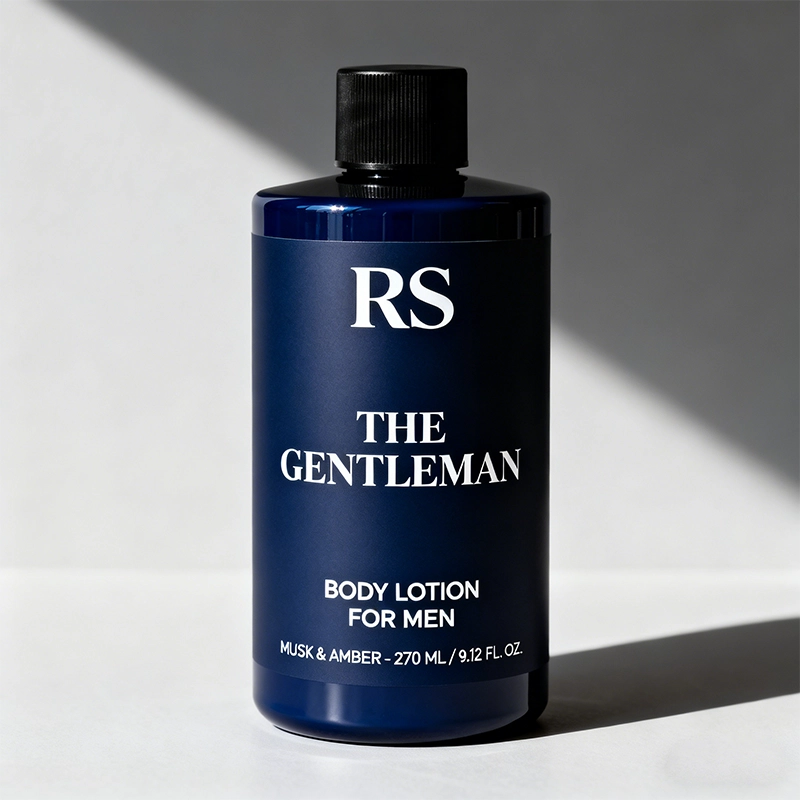
Ingredients to Look for in Men's Body Lotion
Buyer's Guide to Choosing Private Label Whitening Lotions
Sunscreen
Can you develop a reef-safe sunscreen?
Yes, we can and willing more people use it.
Body Wash
Beyond basic cleansing, what active ingredients can be integrated?
I list some trendy ingredients above; please have a look. We have our own factory and can add any popular and useful ingredients.
Makeup Remover
Should I use a separate remover for my eye makeup?
Yes, you should. Because the skin on the eye is thinner and more delicate, the makeup on the eye is usually waterproof, so choosing a remover that is mild and able to remove waterproof makeup is the right way.
Face Cream
How long does it take for the face cream to show visible results?
If your target audiences keep using our cream and have good sun protection, it usually takes around 3 weeks to see an obvious result.
Hand & Foot Care
Can you formulate a hand cream that is also antibacterial?
We could add ingredients like Benzalkonium Chloride to achieve this.
Get more information
If you have any comments or good suggestions, please leave us a message; later our professional staff will contact you as soon as possible.
Rysun Biotechnology--Unremittingly strive for human health and beauty
Contact RYSUN
Email: k.lee@rysunoem.com
WhatsApp: +86 156 0306 9138
Address: No. 62 Nanxiang First Road, Science Town of Guangzhou Developed Zone, Huangpu, Guangzhou, China.
© 2025 RYSUN. All Rights Reserved. Privacy Policy | Terms and Conditions | Sitemap
Facebook
Instagram