

Private Label Argan Oil: Wholesale Tips for New Buyers
- Why cold-pressed argan works for dry hair
- Composition and benefits for dry hair
- How it works on the hair structure
- Role of added Vitamin E
- Wholesale buying essentials for new private-label brands
- Understanding MOQ and inventory planning
- Quality verification and certificates
- Sample policy and pilot testing
- Formulation, stability, and regulatory considerations
- Formulation guidance for consumer success
- Stability, preservatives, and shelf life
- Labeling and claims compliance
- Branding, packaging, and go-to-market tips
- Packaging choices that protect quality
- Positioning and pricing strategy
- Marketing messaging and SEO-friendly content
- Comparisons and performance data
- How argan stacks up against other oils
- Performance metrics to request from suppliers
- Case usage scenarios
- Supplier selection checklist and negotiation tips
- Due diligence and visits
- Price, lead time, and payment terms
- Samples, pilot batches, and exclusivity
- Brand advantages of Private Label Argan Oil
- Product strengths to highlight
- Commercial benefits for resellers
- Trust and transparency
- Frequently Asked Questions (FAQ)
- What makes cold-pressed argan oil better than refined argan oil for dry hair?
- How should customers use Private Label Argan Oil for best results?
- Can I customize scent or add other actives?
- What are the storage and shelf-life recommendations?
- How do I handle claims and regulatory compliance?

Private-label brands seeking a competitive hair oil for dry hair will find cold-pressed argan oil an ideal base: lightweight, nutrient-rich, and consumer-friendly. This guide helps new buyers evaluate Private Label Argan Oil from supplier selection, minimum order quantities, quality checks, formulation tips (including the role of Vitamin E), packaging choices, and marketing angles that align with current and regulatory expectations.
Why cold-pressed argan works for dry hair
Composition and benefits for dry hair
Cold-pressed argan oil is rich in fatty acids (oleic and linoleic acid) and antioxidants such as tocopherols (Vitamin E), making it a natural hair oil for dry hair that restores moisture without weighing strands down. The cold-pressing process preserves fragile nutrients that can be degraded by heat. For a detailed overview of argan oil chemistry and traditional uses, see Wikipedia: Argan oil.
How it works on the hair structure
Argan oil smooths the hair cuticle, reduces friction, tames frizz and flyaways, and improves shine. For dry, porous hair types, a light oil that seals moisture while allowing movement is preferable to heavy occlusive oils. Using Private Label Argan Oil as a leave-in treatment or pre-shampoo mask can significantly improve manageability and visible softness without a greasy finish.
Role of added Vitamin E
Vitamin E in the formula acts as an antioxidant to prevent oxidation of the oil, extending shelf life and preserving efficacy. Evidence on topical antioxidants supports their stabilizing role in oil-based cosmetics; for consumer-facing guidance on hair care and dryness, see the American Academy of Dermatology's resource on dry hair and scalp care: AAD: Dry Hair.
Wholesale buying essentials for new private-label brands
Understanding MOQ and inventory planning
Private Label Argan Oil requires a Minimum Order Quantity (MOQ) of 1000 units. For new buyers, align MOQ with realistic sales forecasts and launch channels. If 1000 units exceed your immediate budget, negotiate staggered shipments, or ask about mixed-SKU pallets (different sizes or formats) to reduce inventory risk.
Quality verification and certificates
Insist on supplier documentation: Certificate of Analysis (CoA), batchstability data, and if marketed as organic, relevant certification. Verify third-party testing for peroxide value and free fatty acid content which indicate oil freshness and quality. Request photos of the production line and storage conditions to confirm cold-press handling.
Sample policy and pilot testing
Order development samples and run small pilot tests for sensory feel, absorbency, and consumer trials focused on hair oil for dry hair use cases (leave-in, overnight, pre-wash). Track feedback on shine, frizz control, and perceived greasiness to adjust recommended usage instructions.
Formulation, stability, and regulatory considerations
Formulation guidance for consumer success
Private Label Argan Oil is presented as a cold-pressed argan oil formula fortified with Vitamin E to prevent oxidation. For a retail-ready product that addresses dry hair concerns, consider offering usage variants (pure oil, blended with lightweight silicones or esters for shine, or infusion options with botanical extracts for scalp benefits). Provide clear directions for how much to use on different hair lengths/types to prevent over-application.
Stability, preservatives, and shelf life
Although pure oils are less prone to microbial growth, oxidative stability is key. The added Vitamin E helps; suppliers should provide accelerated stability data and recommended shelf life (e.g., 12–24 months depending on antioxidants and packaging). Include storage recommendations on label: keep away from direct heat and sunlight.
Labeling and claims compliance
When marketing as a hair oil for dry hair, avoid unverified therapeutic claims. Use compliant language such as helps moisturize and tame frizz rather than treats hair conditions. Check cosmetic regulations for your target markets (e.g., FDA guidance in the U.S., EU Cosmetic Regulation) and retain product documentation and CoAs as part of your Responsible Person/filing requirements.
Branding, packaging, and go-to-market tips
Packaging choices that protect quality
Dark glass droppers or pump bottles reduce light exposure and oxidation, preserving the oil's integrity. Airless pumps minimize oxygen contact, and tamper-evident seals give consumer confidence. Packaging should also be convenient for the common usage patterns of hair oil for dry hair (dropper for small doses, pump for larger bottles).
Positioning and pricing strategy
Differentiate Private Label Argan Oil by highlighting cold-press method, Vitamin E stabilization, and sensory benefits (lightweight, non-greasy, long-lasting shine). Develop tiered pricing: standard 100% oil, High Quality blends (added actives), and travel-size kits. Ensure margins accommodate promotional allowances and retailers’ markups.
Marketing messaging and SEO-friendly content
Optimize product pages and blog posts with natural use of the keyword hair oil for dry hair, while answering practical questions (how to apply, how often, which hair types benefit most). Include before/after visuals, clear ingredient listings, and suggested routines (e.g., weekly hair mask, daily serum). Leverage user-generated reviews to build trust.
Comparisons and performance data
How argan stacks up against other oils
Below is a concise comparison table that helps buyers and consumers understand why cold-pressed argan oil is often favored for dry and frizzy hair types.
| Oil | Texture / Feel | Best for | Notes |
|---|---|---|---|
| Cold-pressed Argan Oil | Lightweight, easily absorbed | Dry, frizzy, chemically treated hair | Rich in Vitamin E and essential fatty acids; non-greasy shine enhancer |
| Refined Argan Oil | Smoother, less odor | General hair use when cost-sensitive | Lower nutrient content due to heat/processing |
| Coconut Oil | Thicker, solid at room temp | Deep conditioning, low porosity hair | Can be heavy or leave residue on fine hair |
| Jojoba Oil | Light, similar to sebum | Scalp balance, fine hair | Good for daily lightweight nourishment |
Performance metrics to request from suppliers
Ask for objective test data: peroxide value, free fatty acids, density, refractive index, and sensory panel feedback on greasiness and shine. These metrics help you benchmark the product versus competitors and support marketing claims about efficacy on dry hair.
Case usage scenarios
Recommend routines: a few drops on damp hair as a leave-in serum to detangle and reduce frizz; warm oil pre-shampoo masks for deep hydration; or mix with conditioner for enhanced slip and long-lasting softness. These use cases should be clearly detailed on product inserts and online descriptions.
Supplier selection checklist and negotiation tips
Due diligence and visits
Verify supplier track record, production capacity, and export documentation. If possible, perform an on-site audit or request a virtual factory tour. Confirm cold-press equipment, storage temperatures, and anti-oxidation handling protocols.
Price, lead time, and payment terms
Compare quotes including unit cost, packaging, labeling, and freight. Negotiate payment terms (e.g., 30% deposit, balance on B/L) and clarity on lead times for repeat orders. Include contingencies for delays and quality disputes in the purchase agreement.
Samples, pilot batches, and exclusivity
Secure development samples and consider negotiating exclusivity or regional restrictions if you plan to invest in a unique blend or branding. Pilot batches help validate supply chain readiness and reveal hidden costs like labeling changes or certifications.
Brand advantages of Private Label Argan Oil
Product strengths to highlight
Private Label Argan Oil is positioned as a cold-pressed argan oil stabilized with Vitamin E to prevent oxidation — offering a lightweight, non-greasy hair oil for dry hair that delivers moisture, frizz control, and long-lasting shine. Its formulation preserves natural nutrients and provides consumer-friendly performance across hair types.
Commercial benefits for resellers
With a clear MOQ of 1000 units, brands can benefit from competitive unit pricing, stable supply, and options to customize labeling and packaging. The product’s straightforward formulation reduces regulatory complexity compared to actives-heavy cosmetics, enabling faster time-to-market.
Trust and transparency
Emphasize traceability (sourcing of argan kernels), cold-press methods, and available CoAs in marketing materials to build consumer trust. Transparent claims and documentation also support retailer onboarding and compliance reviews.
Frequently Asked Questions (FAQ)
What makes cold-pressed argan oil better than refined argan oil for dry hair?
Cold-pressed argan retains more natural fatty acids and antioxidants because it is extracted without high heat or harsh solvents. This translates to better moisture retention and reduced frizz, which are primary concerns for consumers searching for a hair oil for dry hair.
How should customers use Private Label Argan Oil for best results?
Apply 2–6 drops to the palm, rub between hands, and distribute evenly through the mid-lengths to ends of damp or dry hair. For a deep treatment, warm a small amount, apply focusing on lengths and ends, leave for 20–60 minutes, then shampoo as usual.
Can I customize scent or add other actives?
Yes. Many suppliers offer blending services for infusions (e.g., rosemary for scalp, lavender for scent) or inclusion of actives. Ensure any added ingredients are compatible with the oil base and that stability testing is performed.
What are the storage and shelf-life recommendations?
Store in a cool, dark place. With Vitamin E stabilization and proper packaging (dark glass or airless pump), expect a typical shelf life between 12–24 months; confirm with supplier-supplied stability data.
How do I handle claims and regulatory compliance?
Avoid medical claims. Use supported language like helps restore moisture or tames frizz. Keep CoAs, ingredient lists, and stability documentation on file. For US guidance, consult FDA cosmetic regulations; for the EU, review the EU Cosmetic Regulation. Retain product safety and labeling records as required by your market.
If you are ready to request samples, check pricing, or discuss custom labeling for Private Label Argan Oil (MOQ 1000 units), please contact our sales team or view the product page for full specifications and ordering details.
References: Wikipedia on argan oil (link) and American Academy of Dermatology guidance on dry hair (link). For antioxidant properties of Vitamin E, see NIH Office of Dietary Supplements overview (Vitamin E factsheet).
Best Toner for Face 2025: Top Picks for Every Skin Type
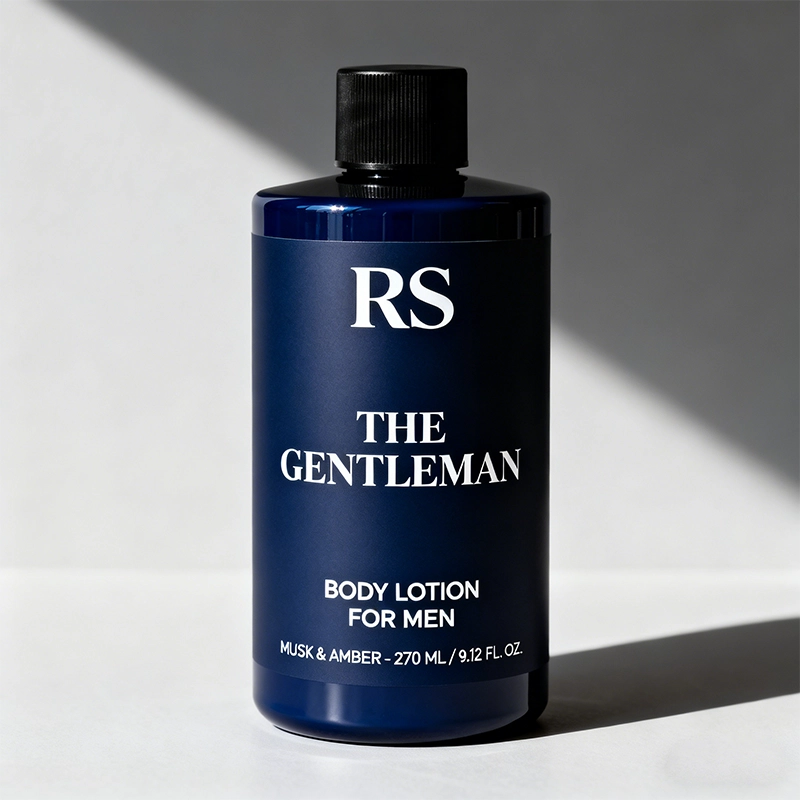
How Men's Body Lotion Prevents Dry, Flaky Skin
Lightweight vs. Rich: Picking Men's Body Lotion Textures
Gentle Makeup Remover: Best Options for Sensitive Skin
Anti Hair Loss
Can you formulate with ingredients that are classified as drugs?
No, we can't. We are a cosmetic factory.
Hair Mask
What are the hydrating and repairing agents used in hair masks?
Different regions have their preferences; we almost have all the trending ingredients in the market. Please have a look at the ingredient part.
Face Mist
Can it be used over makeup without smudging?
Yes, it can.
Face Moisturizer
Is the formula free from common allergens or irritants?
It is a 100% safe formula.
Facial Mask
What is the MOQ for our Facial mask?
Usually we ask for at least 10000 sheets for one design, but price for 30000 sheets will much lower. For clay mask, it is 1000 units.
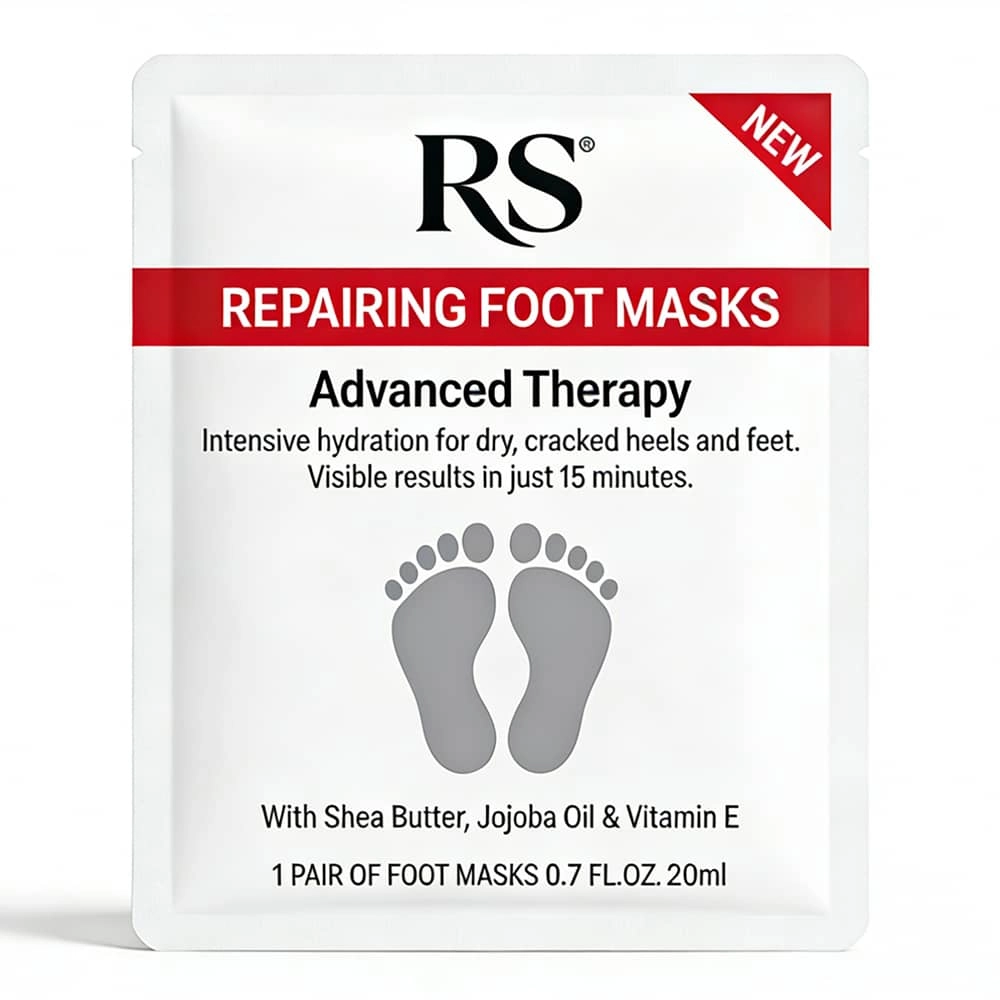
Get more information
If you have any comments or good suggestions, please leave us a message; later our professional staff will contact you as soon as possible.
Rysun Biotechnology--Unremittingly strive for human health and beauty
Contact RYSUN
Email: k.lee@rysunoem.com
WhatsApp: +86 156 0306 9138
Address: No. 62 Nanxiang First Road, Science Town of Guangzhou Developed Zone, Huangpu, Guangzhou, China.
© 2025 RYSUN. All Rights Reserved. Privacy Policy | Terms and Conditions | Sitemap
Facebook
Instagram