



What certifications do B2B buyers demand for vanilla oils?
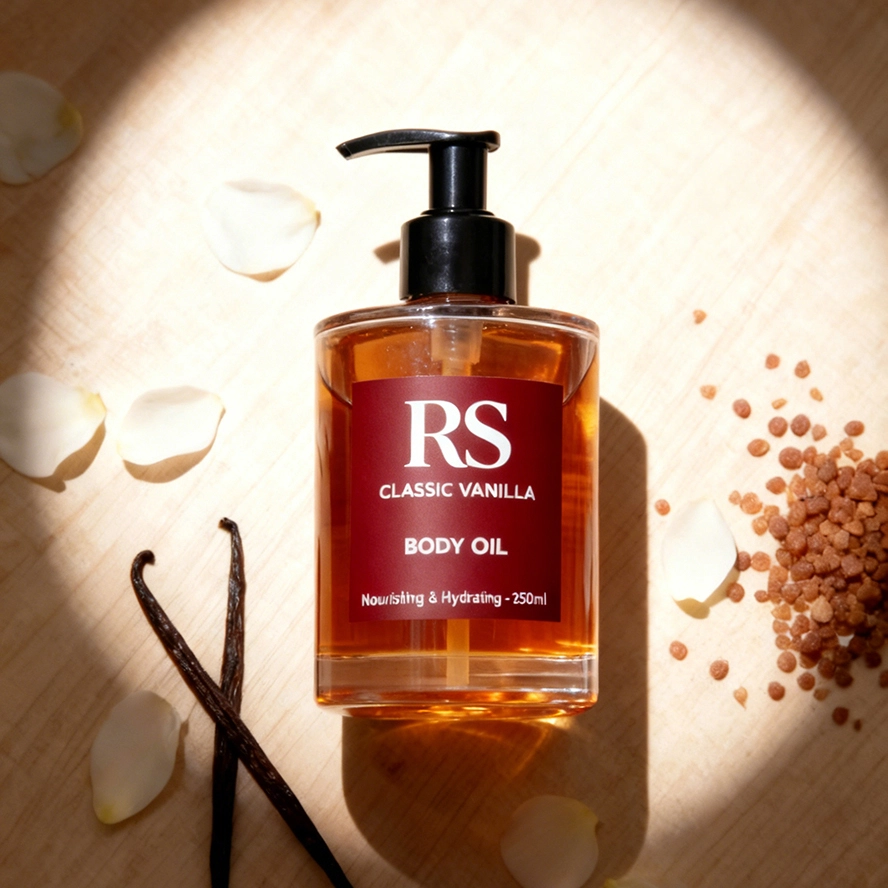
Understanding Vanilla Body Oil: A Guide for Skin Care Product Procurement
Vanilla body oil is a cherished ingredient in the skin care industry, renowned for its soothing properties and delightful fragrance. For businesses aiming to procure high-quality vanilla body oil, it's essential to consider several factors to ensure product excellence and compliance with industry standards. Below are key insights to guide your procurement process:
1. What Certifications Are Essential for Vanilla Body Oil?
When sourcing vanilla body oil, B2B buyers should prioritize the following certifications:
USDA Organic and EU Organic Certifications: These certifications confirm that the vanilla oil is produced without synthetic pesticides or fertilizers, ensuring a natural and pure product.
Fair Trade Certification: Indicates ethical sourcing practices, supporting fair wages and working conditions for farmers.
ISO 22000 Certification: Demonstrates adherence to international food safety management standards, ensuring product safety and quality.
SGS Food-Grade Compliance: Verifies that the product meets global food safety standards, which is crucial for products intended for skin application.
2. How Does the Extraction Method Affect Vanilla Body Oil Quality?
The method of extracting vanilla oil significantly influences its quality:
Supercritical CO₂ Extraction: This method preserves 92-97% of natural vanillin compounds without leaving solvent residues, making it ideal for therapeutic-grade oils.
Steam Distillation: While commonly used, this method can degrade delicate top notes of vanilla, potentially affecting the oil's aroma and therapeutic properties.
3. What Is the Ideal Vanillin Concentration in Vanilla Body Oil?
For premium quality vanilla body oil:
Vanillin Content: A concentration of ≥95% vanillin, as determined by Gas Chromatography-Mass Spectrometry (GC-MS) analysis, is considered high-quality.
Lower Concentrations: Levels below 90% may indicate dilution or inferior extraction processes, potentially compromising the oil's effectiveness and aroma.
4. How Do Climate Factors Impact Vanilla Oil Supply Stability?
Vanilla cultivation is sensitive to climatic conditions:
Optimal Conditions: Vanilla plants thrive in specific humidity (80%) and temperature (21-32°C) ranges.
Supply Chain Risks: Adverse weather events, such as droughts in Madagascar—the source of 80% of premium vanilla beans—can lead to shortages and price increases. For instance, the 2022-2023 droughts resulted in a 120% price surge.
Mitigation Strategies: Diversifying sourcing from regions like Papua New Guinea and Comoros can help mitigate these risks.
5. What Packaging Solutions Ensure Vanilla Body Oil's Longevity?
Proper packaging is crucial for maintaining the quality of vanilla body oil:
Packaging Materials: Amber glass or food-grade HDPE containers with nitrogen flushing are recommended to protect the oil from light and air, which can cause oxidation.
Shelf Life: Reputable suppliers provide a minimum shelf life of 24 months. Incorporating oxygen scavenger packets can extend stability to 36 months.
6. What Are the Market Trends Influencing Vanilla Oil Demand?
Understanding current market dynamics is essential:
Market Growth: The global vanilla oil market was valued at $1.3 billion in 2022 and is projected to reach $2 billion by 2032, growing at a CAGR of 4.2% from 2023 to 2032.
Consumer Preferences: There's a growing demand for natural and organic products, with consumers favoring items that use natural components.
Sustainability Focus: Ethical harvesting practices and eco-friendly production methods are becoming increasingly important to consumers.
7. How Does Packaging Material Affect Vanilla Oil Quality?
The choice of packaging material can influence the oil's quality:
Glass Packaging: Glass is chemically inert and non-porous, offering excellent barrier properties against oxygen and moisture, thus preserving fragrance stability. However, it is heavier and more fragile, which can increase logistics costs.
Aluminum Packaging: Aluminum is lightweight and corrosion-resistant, making it suitable for bulk transport. It requires appropriate linings to prevent reactions with the oil.
Plastic Packaging: Modern plastics like PET and HDPE are lightweight and shatter-resistant. However, certain vanilla compounds may permeate or degrade some plastics, affecting product stability.
8. What Are the Key Growth Drivers in the Vanilla Oil Market?
Several factors are contributing to the growth of the vanilla oil market:
Consumer Demand: There's an increasing preference for natural and organic products in food, beverages, and cosmetics.
Health Benefits: Vanilla oil is recognized for its therapeutic properties, driving its incorporation into medicinal formulations.
Technological Advancements: Innovations in extraction techniques, such as cold-pressing and solvent-free methods, are enhancing product purity and flavor profile.
Conclusion: RYSUN's Commitment to Quality Vanilla Body Oil
When sourcing vanilla body oil, it's imperative to consider certifications, extraction methods, vanillin concentration, climate factors, packaging solutions, and market trends. RYSUN stands out by adhering to stringent quality standards, ensuring that our vanilla body oil products meet the highest industry benchmarks. Our commitment to sustainability, ethical sourcing, and innovative extraction techniques guarantees that our clients receive premium products that align with consumer preferences and market demands.
Related articles
Get more information
If you have any comments or good suggestions, please leave us a message; later our professional staff will contact you as soon as possible.
Rysun Biotechnology--Unremittingly strive for human health and beauty
Contact RYSUN
Email: k.lee@rysunoem.com
WhatsApp: +86 156 0306 9138
Address: No. 62 Nanxiang First Road, Science Town of Guangzhou Developed Zone, Huangpu, Guangzhou, China.
© 2025 RYSUN. All Rights Reserved. Privacy Policy | Terms and Conditions | Sitemap
Facebook
Instagram