



What are common stability test protocols for body oils?
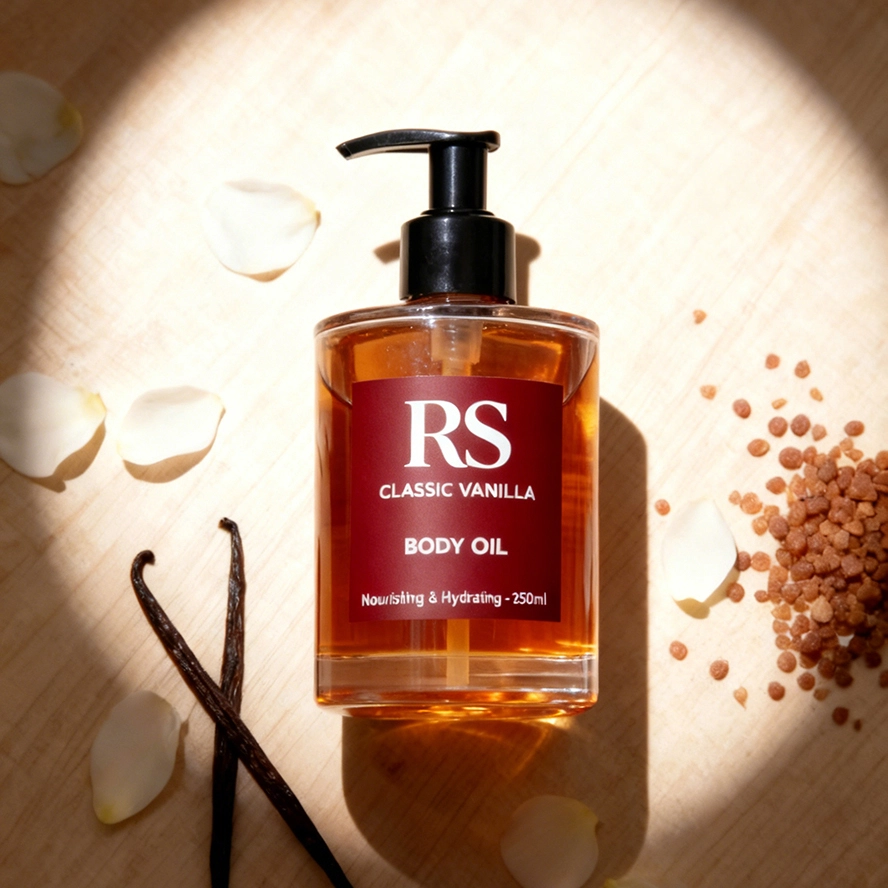
Vanilla body oil is a luxurious addition to skincare routines, offering numerous benefits for the skin and overall well-being. Understanding its advantages and the importance of stability testing can aid consumers in making informed purchasing decisions.
Vanilla body oil is rich in vitamins A, B, and E, which are essential for skin health. Vitamin A promotes skin cell turnover, ensuring that new, healthy cells replace old ones, keeping the skin looking fresh and rejuvenated. Vitamin E, a potent antioxidant, protects the skin from environmental pollutants and UV radiation, strengthening the skin's barrier function and promoting a youthful appearance. Regular application of vanilla body oil provides the necessary nutrients to repair and renew the skin, leaving it with a healthy, radiant complexion.
Beyond its nutritional content, vanilla body oil offers deep hydration by penetrating the skin's layers to lock in moisture and prevent dryness. This hydrating action improves skin elasticity and suppleness, reducing the appearance of fine lines and wrinkles. The oil's natural anti-inflammatory properties also help soothe irritated skin, making it beneficial for those with sensitive or reactive skin types. Regular use promotes a more even skin tone and texture, giving the skin a healthy, radiant glow.
Incorporating vanilla body oil into your skincare routine can be done in various ways. After showering or bathing, applying the oil to damp skin helps lock in moisture, leaving the skin feeling soft and supple. For dry or rough areas, such as elbows, knees, or heels, vanilla body oil can provide targeted hydration and softening effects. The oil also works well as a massage medium, offering both skincare benefits and a relaxing aromatherapy experience.
When purchasing body oils, it's crucial to consider their stability to ensure product efficacy and safety. Common stability test protocols for body oils include:
Accelerated Stability Testing: Subjecting the product to elevated temperatures and humidity levels to simulate long-term storage conditions, helping predict the product's shelf life.
Freeze-Thaw Testing: Alternating the product between freezing and thawing conditions to assess its ability to withstand temperature fluctuations without compromising quality.
Packaging Compatibility Testing: Evaluating the interaction between the product and its packaging materials to prevent issues like leaching or degradation.
Microbial Testing: Assessing the product for microbial contamination to ensure safety and prevent potential health risks.
These tests help manufacturers ensure that body oils remain effective, safe, and appealing throughout their intended shelf life.
In conclusion, vanilla body oil offers a multitude of benefits, from deep hydration and skin regeneration to soothing properties and versatility in skincare routines. Understanding the importance of stability testing ensures that consumers receive high-quality, safe, and effective products.
When selecting body oils, consider reputable brands that adhere to rigorous testing protocols to guarantee product integrity.
RYSUN, a leading brand in skincare, exemplifies these standards by offering products that undergo comprehensive stability testing, ensuring both quality and safety for consumers.
By choosing RYSUN, you can trust that you're investing in skincare products that prioritize your skin's health and well-being.
References:
Related articles
Get more information
If you have any comments or good suggestions, please leave us a message; later our professional staff will contact you as soon as possible.
Rysun Biotechnology--Unremittingly strive for human health and beauty
Contact RYSUN
Email: k.lee@rysunoem.com
WhatsApp: +86 156 0306 9138
Address: No. 62 Nanxiang First Road, Science Town of Guangzhou Developed Zone, Huangpu, Guangzhou, China.
© 2025 RYSUN. All Rights Reserved. Privacy Policy | Terms and Conditions | Sitemap
Facebook
Instagram