


Troubleshooting SPF Failures: Resolving White Cast, Acne, and Instability
The Cost of Formulation Failure: In the skincare industry, a standard moisturizer can survive a mediocre formulation. A sunscreen cannot. If an SPF product fails aesthetically (leaving a white cast or causing breakouts) or functionally (resulting in sunburns), the brand faces immediate customer churn, negative reviews, and severe regulatory liability. When brand founders come to us to reformulate a failed product, they are usually dealing with one of three specific manufacturing errors. Here is the B2B guide to diagnosing and solving the industry's most common SPF formulation failures.
The Formulation Edge: Troubleshooting White Cast, Acne, and SPF Instability
Launching a successful private label sun care line requires more than just mixing UV filters into a lotion base. Sunscreens are technically classified as Over-The-Counter (OTC) drugs in many regions, making them the most complex products in cosmetic chemistry.
When consumers complain about your product online, their grievances usually fall into three categories: aesthetic failure, dermatological failure, or efficacy failure. To protect your brand's reputation and ensure repeat purchases, you must understand the chemistry behind these failures and partner with a manufacturer capable of solving them at the laboratory level.
The Aesthetic Failure: Why Sunscreen Leaves a White Cast
The most common complaint associated with physical (mineral) blockers is the dreaded chalky residue. But why does sunscreen leave a white cast?
Many brand founders mistakenly believe that the white cast is an inherent, unavoidable flaw of using Zinc Oxide or Titanium Dioxide. In reality, a white cast is a symptom of poor particle dispersion during the manufacturing process.
The Chemistry of the Failure: Zinc Oxide is a dry, highly cohesive powder. When introduced into a liquid emulsion by standard, low-speed mixing equipment, the microscopic zinc particles attract one another and clump together into large clusters—a process known as agglomeration. When these large, tightly packed clusters sit on the skin, they act as macroscopic mirrors, aggressively scattering visible light. The human eye perceives this scattered light as a white or gray cast.
The Manufacturing Solution: To eliminate the white cast, a laboratory must prevent agglomeration using both chemical and mechanical interventions.
- Chemical Wetting: Before compounding, premium manufacturers treat the zinc powder with advanced dispersing agents (like Polyhydroxystearic Acid). This creates a "steric hindrance" layer around each particle, physically repelling them from one another.
- High-Shear Homogenization: The emulsion must be processed through high-shear rotor-stator homogenizers. This immense mechanical force shatters any remaining zinc clusters down to their primary, individual particle sizes. The result is a fine, uniform lattice on the skin that allows visible light to pass through naturally, achieving true transparency across all skin tones.
The Dermatological Failure: Why Sunscreen Causes Acne
For daily-use facial SPFs, texture is everything. If a consumer searches "why sunscreen cause acne," and links that breakout to your product, you have permanently lost that customer.
The Chemistry of the Failure: Contrary to popular belief, UV filters themselves (whether mineral or chemical) rarely cause acne. The breakouts are almost always caused by the emulsion base—specifically, the heavy carrier oils, thickeners, and cheap silicones used to keep the UV filters suspended. Because high concentrations of UV filters are difficult to stabilize, amateur formulators often rely on highly occlusive ingredients (like Isopropyl Myristate or heavy mineral oils) to bind the formula. These ingredients trap sebum, sweat, and dead skin cells in the pores, leading to closed comedones and acne mechanica.
The Manufacturing Solution: Formulating a "non-comedogenic" (non-pore-clogging) SPF requires a complete re-engineering of the lipid phase.
- Non-Comedogenic Esters: At Guangzhou Rysun Biotechnology, we replace heavy, pore-clogging solvents with highly breathable, biocompatible esters (such as C12-15 Alkyl Benzoate) and plant-derived Squalane.
- Breathable Film Formers: We utilize advanced, flexible polymers that lock the UV filters onto the skin without creating an impermeable, suffocating barrier. This allows the skin to transpire naturally throughout the day, providing a lightweight, serum-like finish that is safe for acne-prone demographics.
The Efficacy Failure: Why Is My Sunscreen Not Working?
This is the most dangerous failure for a brand owner. If a consumer asks, "why is my sunscreen not working?" because they suffered a sunburn while wearing your product, your brand is exposed to immediate loss of trust.
When a sunscreen fails in the real world, the causes are divided into two categories: superficial consumer errors, and fundamental formulation breakdowns. As a brand owner, your product must be engineered to survive both.
Superficial Causes (Consumer Error & Application Variables)
- Insufficient Dosage: Clinical SPF testing is strictly conducted at an application density of 2.0 milligrams per square centimeter of skin. In the real world, consumers typically apply only 25% to 50% of this amount. If your formula feels heavy or greasy, they will apply even less.
- Failure to Reapply: Sunscreen is not a one-and-done morning application. However, if your formula ruins makeup or leaves a sticky residue, consumers will actively avoid their 2-hour reapplication window.
- Incompatible Skincare Layering (Pilling): If a consumer applies a heavy silicone-based foundation over an incompatible sunscreen base, the friction causes the polymers to pill. This physically rips the UV shield off the skin, leaving vast areas completely unprotected.
The "Real" Causes (Formulation & Structural Failures)
If the consumer applies the product correctly and still burns, the failure lies entirely within the laboratory. These are the technical breakdowns your manufacturer must prevent:
- Photostability Failure: This is a critical issue in chemical sunscreens. Certain organic filters, most notoriously Avobenzone, are inherently photounstable. Without advanced chemical stabilizers (like Octocrylene or proprietary quenchers), the filter actually degrades and breaks down upon exposure to UV light. Within an hour of sun exposure, a poorly formulated product can lose up to 50% of its protective power.
- Poor Film Formation: Skin is not perfectly flat; at a microscopic level, it consists of peaks and valleys. If a manufacturer uses cheap, low-quality film formers, the sunscreen will "pool" in the valleys while leaving the peaks of the skin exposed. UV rays will effortlessly penetrate these micro-gaps.
- Rubbing Off (Poor Adhesion): A sunscreen must bind to the stratum corneum. If the emulsion lacks structural integrity, the protective shield will simply wipe off onto clothing, towels, or hands through casual daily friction.
- Water Degradation: Sweat and humidity naturally break down cosmetic emulsions. If the formula does not utilize specialized hydrophobic (water-repelling) polymers, the sunscreen will easily wash away the moment the consumer begins to perspire, rendering it useless during active outdoor use.
The Manufacturing Solution: Engineering an Unbreakable Shield
Preventing efficacy failure requires rigorous rheology modification, polymer chemistry, and stability testing.
At Guangzhou Rysun Biotechnology, we build robust defenses into every private label SPF:
- Cross-Compatible Bases: We formulate with high-slip, biocompatible esters that play perfectly with standard cosmetics, preventing pilling and ensuring the shield remains intact under makeup.
- Advanced Film-Forming Polymers: We utilize flexible, high-adhesion polymers that drape a uniform, immovable, water-resistant lattice over the microscopic peaks and valleys of the skin.
- Photostable Actives: We ensure that every UV filter system we manufacture (whether mineral or chemical) is rigorously tested to maintain its full labeled SPF rating throughout prolonged UV exposure.
If your current SPF samples are thick, whitening, or separating, you are dealing with fundamental manufacturing failures.
Contact Guangzhou Rysun Biotechnology today to request a sample of our advanced, non-comedogenic, zero-white-cast SPF formulations, and ensure your brand’s next launch is a technical and commercial success.
FAQ
Can we just add an iron oxide tint to mask the white cast instead of investing in advanced dispersion technology?
While iron oxides provide excellent visible light protection (which is highly marketable for melasma prevention) and can mask minor chalkiness, using a tint as a "band-aid" for poor zinc dispersion is a massive manufacturing mistake. If the underlying zinc is heavily agglomerated, the tint will apply patchily, clinging to dry patches and settling heavily into pores and fine lines. True cosmetic elegance requires shattering the zinc clusters with high-shear homogenization first. Once the base is perfectly transparent, the tint can be added to provide a sheer, flawless "second skin" finish rather than acting as a heavy color corrector.
How do we substantiate a "Non-Comedogenic" or "Acne-Safe" claim for our new SPF packaging?
You cannot legally or ethically make a "Non-Comedogenic" claim simply by avoiding certain ingredients on a checklist. To make this claim safely, the final formulation must undergo specific clinical testing—typically a 4-week clinical use trial on human subjects with acne-prone skin, evaluated by a dermatologist. By partnering with a manufacturer that utilizes pre-vetted, highly breathable ester bases and non-occlusive film formers, you drastically lower your risk of failing these expensive clinical trials, ensuring your marketing claims are both legal and scientifically sound.
We want to create a "Skincare Hybrid" by adding Vitamin C to our SPF. Will this cause the film formation to fail or pill?
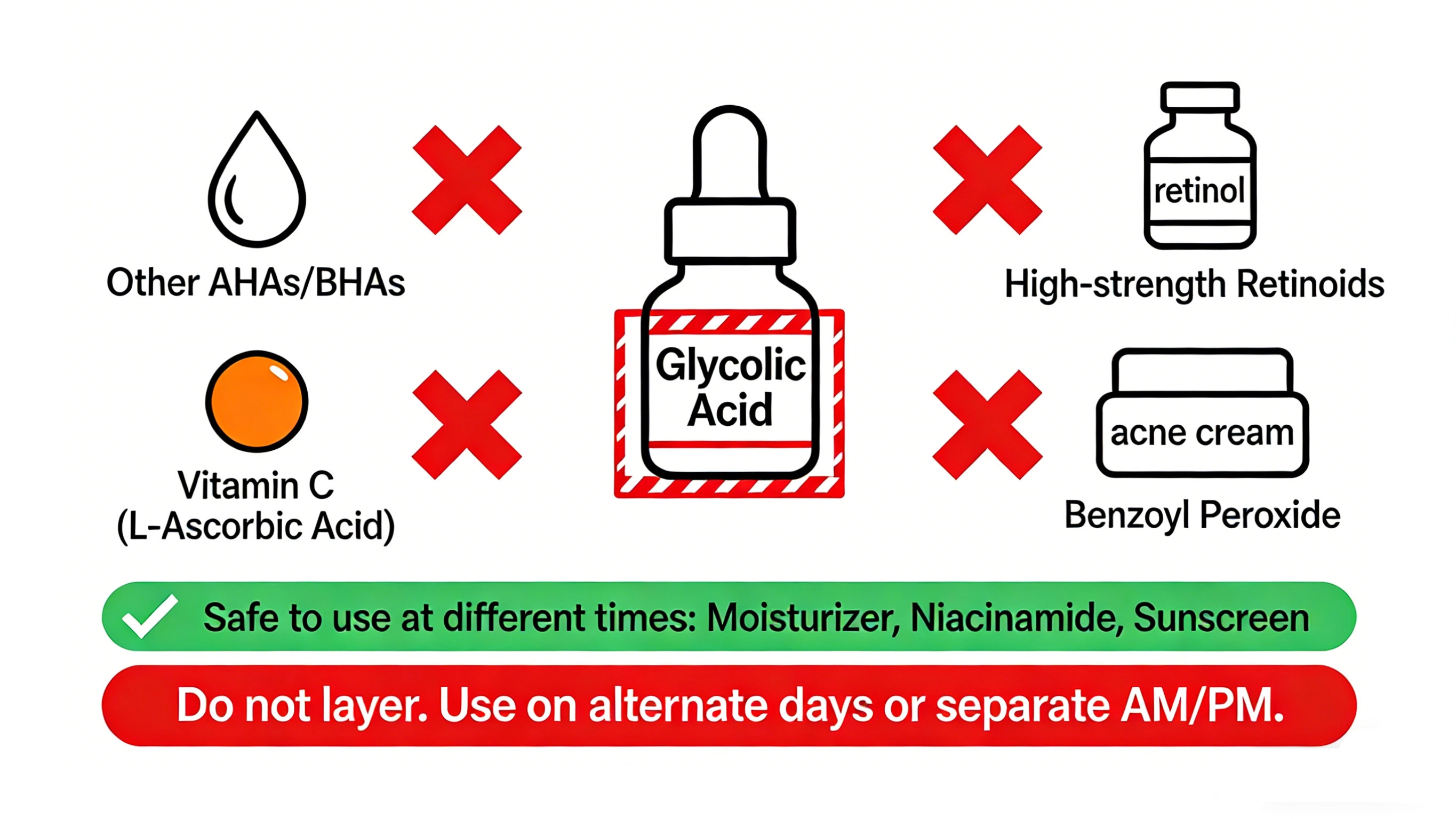
It carries a very high risk of emulsion failure if not engineered correctly. Many trending skincare actives (like pure L-Ascorbic Acid) require highly acidic pH levels. Introducing this acidity into a sun care formula can rapidly destabilize the UV filters, break down the structural polymers, and cause severe pilling when the consumer applies makeup. To successfully build a hybrid product, our chemists utilize stable, pH-compatible active derivatives (such as THD Ascorbate for Vitamin C) or specialized encapsulation technology. This ensures your product delivers high-potency skincare benefits without compromising the structural integrity of the UV shield.
Related articles
Get more information
If you have any comments or good suggestions, please leave us a message; later our professional staff will contact you as soon as possible.
© 2025 RYSUN. All Rights Reserved. Privacy Policy | Terms and Conditions | Sitemap
Facebook
Instagram