



Sunburn and Sunscreen: How Sunscreen Protects Your Skin from UV Damage
Learn how sunscreen helps prevent sunburn, how UV rays damage skin, and how to choose and use sunscreen effectively for better sun protection.
Sunburn and Sunscreen: Why Sun Protection Matters
Sunburn is one of the most common signs of skin damage caused by excessive exposure to ultraviolet (UV) radiation from the sun. While sunlight provides benefits such as vitamin D production, too much UV exposure can harm the skin, leading to redness, inflammation, premature aging, and even long-term skin health concerns.
This is where sunscreen plays a critical role. Sunscreen products are designed to protect the skin from harmful UV rays and reduce the risk of sunburn. Understanding how sunburn occurs and how sunscreen works can help consumers choose the right sun protection products and build an effective daily skincare routine.
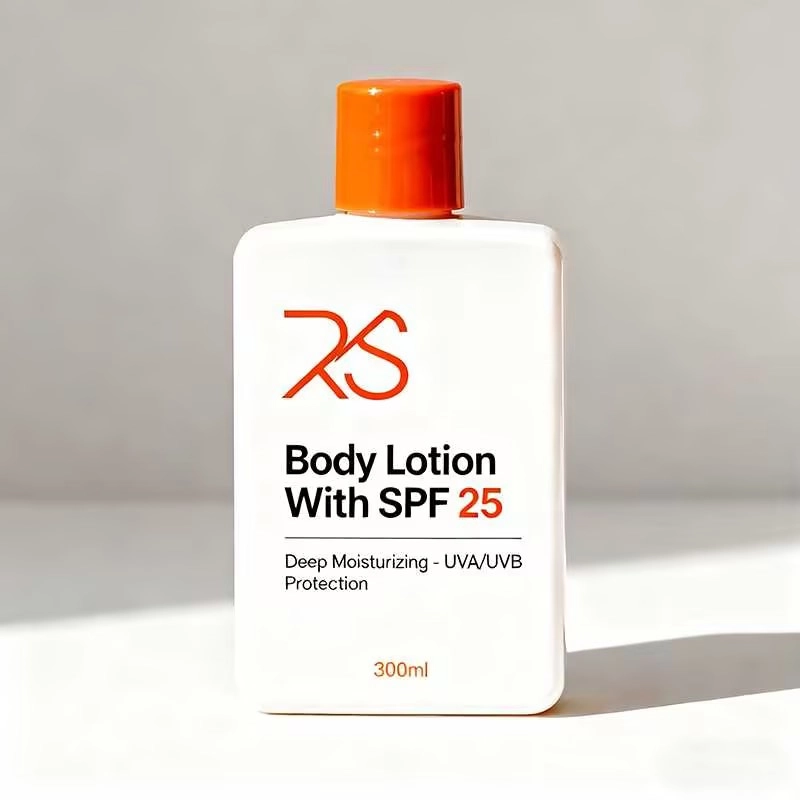
Here is our private label sunscreen collection, pls click here for more details.
What Causes Sunburn?
Sunburn occurs when the skin is exposed to too much ultraviolet radiation, primarily UVB rays, which penetrate the outer layers of the skin and damage skin cells.
When skin cells are damaged by UV radiation, the body triggers an inflammatory response, which leads to common sunburn symptoms such as:
- Redness
- Pain or tenderness
- Swelling
- Peeling skin
- Warm or hot skin surface
In severe cases, sunburn may cause blisters, dehydration, and long-term skin damage.
Frequent sunburn can accelerate photoaging, which includes wrinkles, pigmentation, and loss of skin elasticity.
How Sunscreen Helps Prevent Sunburn
Sunscreen works by protecting the skin from ultraviolet radiation using either chemical filters, physical filters, or a combination of both.
Understanding SPF and Broad-Spectrum Protection
When choosing sunscreen, two important factors should be considered: SPF value and broad-spectrum protection.
1. SPF (Sun Protection Factor)
SPF measures how well a sunscreen protects against UVB rays, which are responsible for sunburn.
| SPF Level | UVB Protection |
|---|---|
| SPF 15 | Blocks about 93% |
| SPF 30 | Blocks about 97% |
| SPF 50 | Blocks about 98% |
Higher SPF does not mean complete protection, but it provides a higher level of defense when applied properly.
2. Broad-Spectrum Protection
Broad-spectrum sunscreen protects against both:
- UVA rays – cause skin aging and long-term damage
- UVB rays – cause sunburn
Both types of UV rays contribute to skin damage, so broad-spectrum protection is essential.
Why Sunburn Can Still Happen Even When Using Sunscreen
Some people experience sunburn even after applying sunscreen. This usually happens because of incorrect use.
Common reasons include:
- Insufficient Application
Most people apply only 25–50% of the recommended amount, which reduces protection significantly.
- Not Reapplying
Sunscreen should be reapplied every two hours, or more frequently after sweating or swimming.
- Low SPF
Using SPF that is too low for the environment (such as beach or tropical climates) may not provide adequate protection.
- Missing Areas
How to Prevent Sunburn Effectively
Preventing sunburn requires a combination of sunscreen and sun protection habits.
- Apply Sunscreen Correctly
Use approximately 2 mg of sunscreen per square centimeter of skin, which equals about a shot-glass amount for the body.
- Reapply Frequently
Reapply sunscreen every two hours, especially during outdoor activities.
- Choose the Right SPF
For daily use, SPF 30 or higher is generally recommended.
For beach, outdoor sports, or strong sun exposure, SPF 50 offers better protection.
- Combine with Other Protection Methods
Sunscreen should be used together with:
-
Protective clothing
-
Hats and sunglasses
-
Seeking shade during peak sunlight hours (10 AM–4 PM)
Innovations in Modern Sunscreen Formulation
With advances in skincare science, sunscreen products have evolved far beyond simple UV protection.
Modern sunscreens may also include:
- Hydrating ingredients such as hyaluronic acid
- Soothing ingredients like centella asiatica
- Antioxidants that help defend against environmental stress
At Guangzhou Rysun Biotechnology Co., Ltd., sunscreen development focuses on combining effective UV filters, skin-friendly ingredients, and stable formulations to meet the needs of global skincare brands and consumers.
With more than 10 years of experience and collaborations with over 700 brands worldwide, the company continues to develop innovative sunscreen products that balance performance, safety, and comfort.
FAQs
1. Can sunscreen completely prevent sunburn?
No sunscreen can block 100% of UV radiation. However, broad-spectrum sunscreen with SPF 30 or higher significantly reduces the risk of sunburn when applied properly.
2. How often should sunscreen be reapplied?
Sunscreen should be reapplied every two hours, and immediately after swimming, sweating, or towel drying.
3. Is mineral sunscreen better for sunburn prevention?
Both mineral and chemical sunscreens can effectively prevent sunburn. The key is choosing a broad-spectrum formula and applying enough product.
4. Can cloudy weather still cause sunburn?
Yes. Up to 80% of UV rays can pass through clouds, which means sunburn can still occur on cloudy days.
5. What should you do if you already have sunburn?
If sunburn occurs, it is recommended to cool the skin, hydrate properly, use soothing skincare products, and avoid further sun exposure until the skin heals.
Related articles

Get more information
If you have any comments or good suggestions, please leave us a message; later our professional staff will contact you as soon as possible.
Rysun Biotechnology--Unremittingly strive for human health and beauty
Contact RYSUN
Email: k.lee@rysunoem.com
WhatsApp: +86 156 0306 9138
Address: No. 62 Nanxiang First Road, Science Town of Guangzhou Developed Zone, Huangpu, Guangzhou, China.
© 2025 RYSUN. All Rights Reserved. Privacy Policy | Terms and Conditions | Sitemap
Facebook
Instagram