



Mineral Sunscreen Ingredients: A Scientific Guide to Zinc & Titanium | Rysun Biotech
Searching for "mineral sunscreen ingredients"? It’s more than just Zinc Oxide. Discover the science of physical blockers and how Rysun Biotech’s R&D formulates invisible, reef-safe protection.
Mineral Sunscreen Ingredients: A Manufacturer’s Guide to the Science of Physical Protection
Introduction
As the global demand for "Clean Beauty" and "Reef-Safe" products skyrockets, mineral sunscreen has moved from a niche category to a market essential. However, consumers are becoming ingredient detectives. They want to know exactly "what are mineral sunscreen ingredients" and why they are safer than chemical alternatives.
At Guangzhou Rysun Biotechnology, we welcome this scrutiny. Founded in 2014 by Ivy Wong to solve the "inconsistent quality" of skincare products, and inspired by deep discussions with a Swiss anti-aging expert, we view sun protection as the most critical step in anti-aging.
Backed by our Research Institute and 20 leading scientists, we are here to decode the ingredient list. We will break down the active minerals that block the sun and the advanced "support ingredients" Rysun uses to make the formula feel elegant, not chalky.
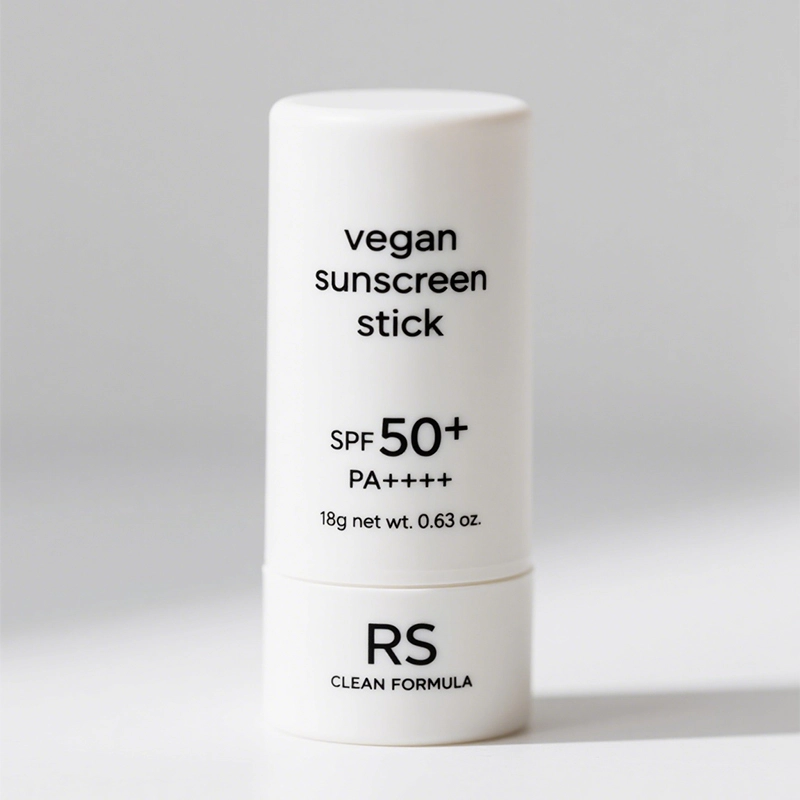
Here is our private label sunscreen collection, pls click here for more details.
The "Big Two": The Active Mineral Filters
Unlike chemical sunscreens that absorb UV rays, mineral sunscreen ingredients act as physical reflectors. There are only two globally recognized mineral filters:
1. Zinc Oxide (The Broad-Spectrum Hero)
- The Function: Zinc Oxide is the only single active ingredient that provides extensive protection against both UVA (Aging) and UVB (Burning) rays. It is the gold standard of physical protection.
- The Rysun Standard: We use pharmaceutical-grade Zinc Oxide. Our R&D team utilizes advanced micronization technology (part of our 253 intellectual properties) to ensure the particles are small enough to be transparent but large enough to remain non-nano (safe for the bloodstream).
2. Titanium Dioxide (The UVB Specialist)
- The Function: This mineral is highly effective at blocking UVB rays and short-wave UVA rays. It has a high refractive index, meaning it is excellent at scattering light.
- The Rysun Standard: We often blend Titanium Dioxide with Zinc Oxide. This synergy allows us to achieve high SPF ratings (50+) without requiring an overly thick texture, creating a "Practical Solution" for daily wear.
The "Silent Partners": Essential Support Ingredients
A bag of Zinc Oxide powder is not a sunscreen. To turn these minerals into a wearable lotion, Rysun utilizes specific inactive ingredients that distinguish a luxury product from a cheap paste.
1. Dispersing Agents (The "No White Cast" Tech)
- The Challenge: Minerals naturally clump together, creating white streaks on the skin.
- The Rysun Solution: We use advanced plant-based dispersants (like Polyhydroxystearic Acid) to coat the mineral particles. This ensures they spread evenly across the skin, eliminating the dreaded "ghost effect."
2. Carrier Oils and Emollients
- The Challenge: Minerals can be drying (astringent).
- The Rysun Solution: Leveraging our 105 product patterns, we suspend the minerals in nourishing bases like Squalane or Caprylic/Capric Triglyceride. This ensures the sunscreen hydrates the skin while protecting it, mimicking the feel of a high-end moisturizer.
3. Antioxidant Boosters
- The Rysun Innovation: Inspired by our Swiss anti-aging origins, we don't just stop at UV blocking. We infuse our mineral sunscreens with antioxidants like Vitamin E or Green Tea Extract. These ingredients neutralize any free radicals that manage to slip past the mineral shield, offering a second line of defense.
The Manufacturing Difference: Stability & Safety
Why does the ingredient list matter if the manufacturing is poor?
If mineral sunscreen ingredients settle at the bottom of the bottle, the SPF value drops to zero.
Rysun Biotechnology ensures efficacy through rigor:
- Suspension Technology: Our chemists engineer the formula’s viscosity to keep heavy mineral particles suspended evenly.
- Strict QC: We implement up to 50 inspection procedures per product. We test for heavy metals (lead/arsenic) in our mineral supply and conduct stability testing to ensure the SPF rating remains accurate from the first pump to the last.
Conclusion
Mineral sunscreen ingredients are simple in theory—Zinc and Titanium—but complex in execution.
At Rysun Biotechnology, we combine over 10 years of manufacturing excellence with Swiss-inspired R&D to master this complexity. We turn raw minerals into elegant, invisible, and high-performance sun protection. Partner with us to create a mineral sunscreen that your customers will trust for safety and love for its texture.
FAQs
Q1: What is the difference between Nano and Non-Nano ingredients?
A: "Nano" refers to particles smaller than 100 nanometers. Some fear these can enter the bloodstream. "Non-Nano" particles are larger and sit safely on the surface. Rysun specializes in Non-Nano formulations that are safe for the body and the ocean.
Q2: Are mineral sunscreen ingredients reef-safe?
A: Yes. Zinc Oxide and Titanium Dioxide are generally considered safe for coral reefs, unlike chemical filters like Oxybenzone. This is a crucial selling point for the 50+ countries we export to.
Q3: Is Zinc Oxide safe for acne-prone skin?
A: Yes. Zinc is naturally anti-inflammatory and antimicrobial. It can actually help soothe redness while protecting the skin. Rysun formulates non-comedogenic mineral sunscreens specifically for acne markets.
Q4: Why does my mineral sunscreen feel greasy?
A: This happens when a manufacturer uses heavy oils to try and hide the white cast. Rysun uses lightweight, volatile emollients that evaporate or absorb quickly, leaving a matte or satin finish, not a grease slick.
Related articles
Get more information
If you have any comments or good suggestions, please leave us a message; later our professional staff will contact you as soon as possible.
Rysun Biotechnology--Unremittingly strive for human health and beauty
Contact RYSUN
Email: k.lee@rysunoem.com
WhatsApp: +86 156 0306 9138
Address: No. 62 Nanxiang First Road, Science Town of Guangzhou Developed Zone, Huangpu, Guangzhou, China.
© 2025 RYSUN. All Rights Reserved. Privacy Policy | Terms and Conditions | Sitemap
Facebook
Instagram