


Does Sunscreen Block Vitamin D? The Science of Safe Protection | Rysun Biotech
Asking "Does sunscreen block vitamin D?" Theoretically yes, but practically no. Rysun Biotech’s R&D experts explain why high-quality SPF protects you without causing deficiency.
Does Sunscreen Block Vitamin D? A Manufacturer’s Guide to the Balance of Health
Introduction
We are told to wear sunscreen daily to prevent aging and cancer. We are also told we need the sun for Vitamin D to maintain bone health and immunity. This creates a confusing dilemma for consumers and a messaging challenge for brand owners. The question is persistent: "Does sunscreen block vitamin D?"
At Guangzhou Rysun Biotechnology, we believe in looking at the complete biological picture. Founded in 2014 by Ivy Wong to solve the "inconsistent quality" of market products, and inspired by deep discussions with a Swiss anti-aging expert, we know that skin health requires a delicate balance.
Backed by our Research Institute and 20 leading scientists, we are here to provide the nuanced, scientific answer. While high-SPF products can block the rays that produce Vitamin D, in real-world scenarios, they rarely cause a deficiency. Here is the scientific breakdown.
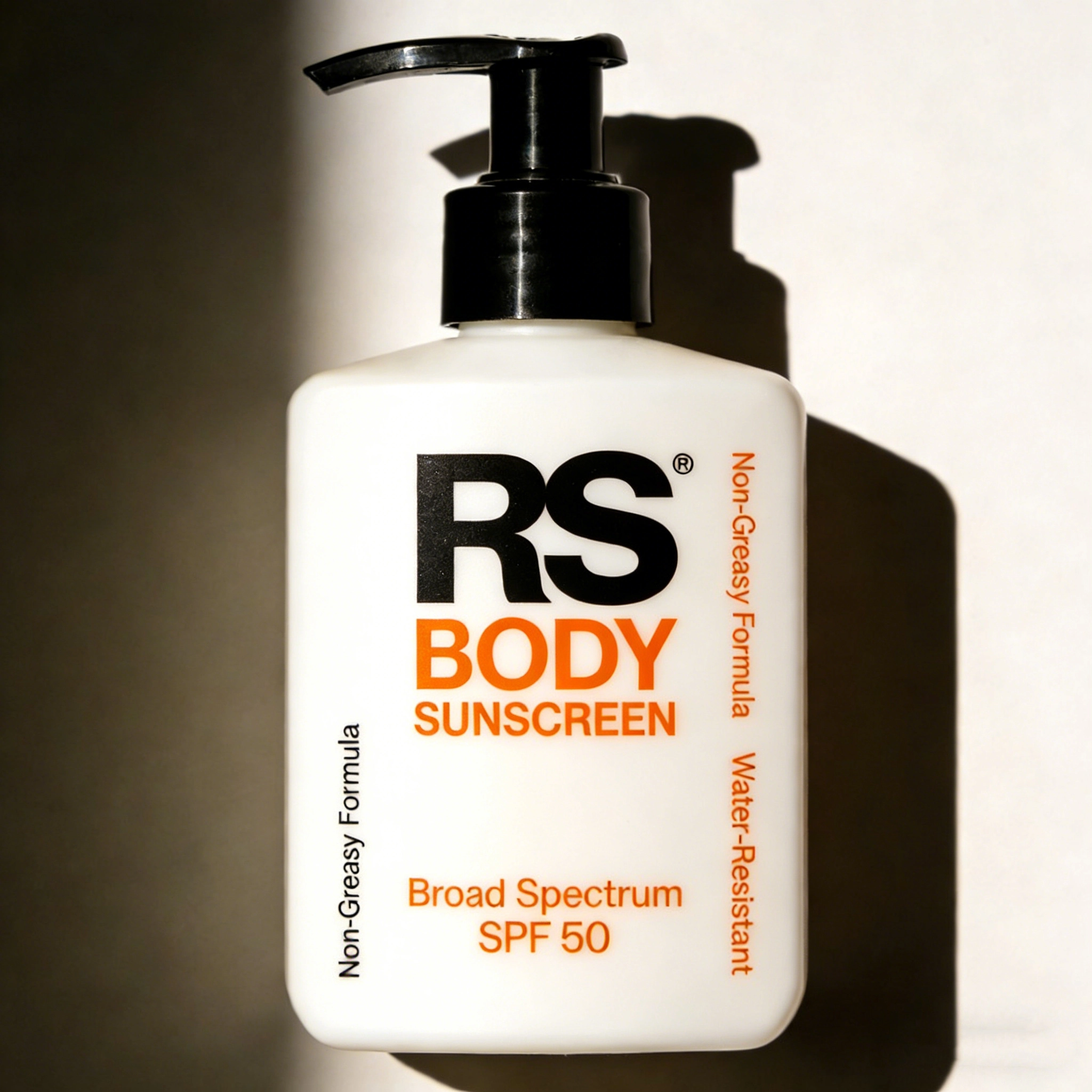
Here is our private label sunscreen collection, pls click here for more details.
The Theoretical Science: Yes, It Blocks UVB
To answer "does sunscreen block vitamin D," we must look at the wavelength.
- The Mechanism: The skin creates Vitamin D when exposed to UVB rays (290–320 nm).
- The Sunscreen Function: A high-quality sunscreen is designed specifically to absorb or reflect these UVB rays to prevent burning.
- The Lab Result: Theoretically, if you applied SPF 50 perfectly to every inch of your body, you would indeed block the production of Vitamin D significantly.
The Real-World Science: Why You Still Get Enough
Despite the theory, clinical studies rarely show Vitamin D deficiency caused solely by sunscreen. Why?
1. Imperfect Application
Most consumers apply 25% to 50% of the recommended amount. This allows enough UVB rays to penetrate the skin to trigger Vitamin D synthesis, while still preventing severe burns.
2. The "Minutes" Rule
It takes very little sun exposure to generate Vitamin D (often 10-15 minutes). Most people get this incidental exposure while walking to the car or sitting by a window (though glass blocks most UVB, some scatters through).
3. The Risk/Reward Ratio
From a Swiss-inspired anti-aging perspective, the damage caused by UV rays (collagen destruction, DNA mutation) far outweighs the benefit of getting Vitamin D exclusively from the sun.
The Manufacturer’s Perspective: Formulating for Health
At Rysun, we don't just manufacture "blockers"; we manufacture Protective Health Systems.
When brand owners worry about this topic, we offer Practical Solutions:
1. Broad Spectrum Integrity
We focus on blocking UVA (Aging) just as much as UVB. While UVB makes vitamins (and burns), UVA only destroys.
- The Rysun Standard: Leveraging our 253 intellectual properties, we create formulas with high PA ratings. This ensures that even if a consumer gets a little UVB for their vitamins, they are fully protected against the UVA rays that cause wrinkles.
2. Supplement-Friendly Skincare
We advise brands to take a holistic approach.
- The Strategy: Market your Rysun-manufactured sunscreen as the "External Shield" and recommend oral Vitamin D supplements as the "Internal Support." This removes the pressure on the sunscreen to be the enemy of nutrition.
3. "Smart" Textures
Consumers skip sunscreen because they dislike the texture, which ironically leads to too much sun exposure.
- The Rysun Solution: We use our 105 product patterns to create lightweight, invisible sunscreens. By making the product enjoyable to wear, we ensure consumers protect themselves during prolonged exposure, which is the dangerous kind.
Conclusion
So, does sunscreen block vitamin D?
In a petri dish? Yes. In daily life? Not enough to cause a health crisis for most people. The risk of skin cancer and premature aging is a far greater threat than the slight reduction in Vitamin D synthesis.
At Rysun Biotechnology, we combine over 10 years of manufacturing excellence with rigorous scientific standards. We create sunscreens that offer maximum protection against damage while allowing your customers to live active, healthy lives. Partner with us to manufacture sun care that prioritizes the long-term health of the skin.
FAQs
Q1: Should I skip sunscreen for 10 minutes a day to get Vitamin D?
A: Dermatologists generally advise against intentional unprotected exposure. It is safer to wear sunscreen and take a Vitamin D supplement. The damage from UV rays accumulates over time.
Q2: Does Mineral Sunscreen block more Vitamin D than Chemical?
A: Both block UVB rays effectively if the SPF is the same. However, Mineral Sunscreen (Zinc Oxide) creates a physical barrier immediately, which might be slightly more effective at blocking synthesis if applied thickly.
Q3: Can Rysun add Vitamin D to the sunscreen?
A: We can add Vitamin D to the formula, but the skin does not absorb it efficiently enough to impact systemic levels (blood levels). Oral supplementation is the only proven way to boost levels reliably.
Q4: Is it true that darker skin needs more sun for Vitamin D?
A: Yes. Melanin acts as a natural sunscreen. People with darker skin tones need more sun exposure to produce the same amount of Vitamin D, making the balance between protection and synthesis even more important. Rysun manufactures clear, no-white-cast sunscreens ideal for darker skin tones to ensure they use protection without hesitation.
Related articles

Get more information
If you have any comments or good suggestions, please leave us a message; later our professional staff will contact you as soon as possible.
Rysun Biotechnology--Unremittingly strive for human health and beauty
Contact RYSUN
Email: k.lee@rysunoem.com
WhatsApp: +86 156 0306 9138
Address: No. 62 Nanxiang First Road, Science Town of Guangzhou Developed Zone, Huangpu, Guangzhou, China.
© 2025 RYSUN. All Rights Reserved. Privacy Policy | Terms and Conditions | Sitemap
Facebook
Instagram