



Do Dermatologists Recommend Azelaic Acid? Benefits & Guide
Find out why dermatologists recommend azelaic acid and how skincare brands can use it to create effective, gentle, and market-ready products.
Do Dermatologists Recommend Azelaic Acid?
As Azelaic Acid continues to gain recognition in the skincare industry, many brands and consumers are asking:
Do dermatologists actually recommend azelaic acid?
The answer is yes—azelaic acid is widely recognized and recommended by dermatologists due to its multi-functional benefits, safety profile, and versatility across different skin concerns.
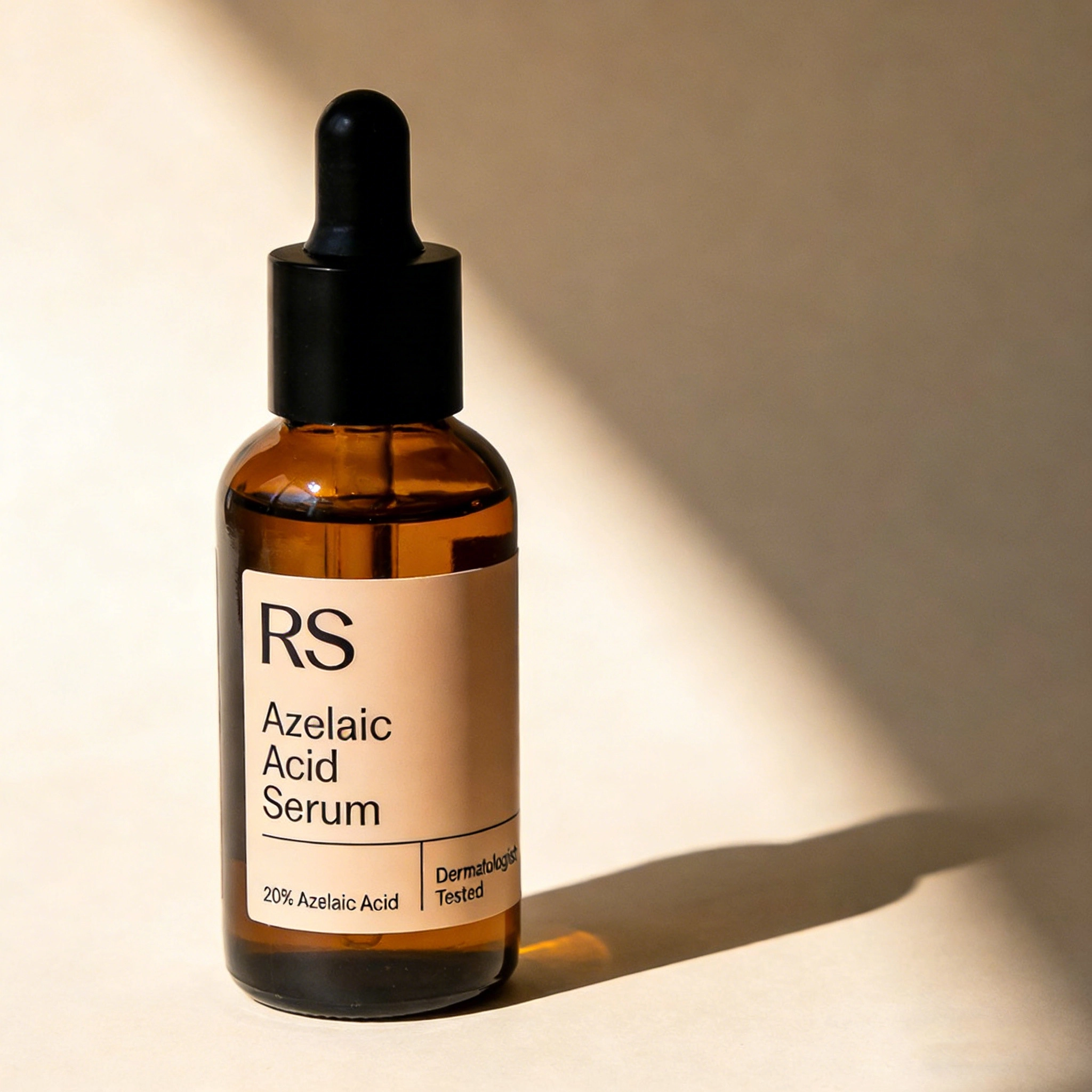
For skincare brands, this makes azelaic acid a highly valuable ingredient when developing clinically inspired and market-driven products. Here is our private label Azelaic Acid serum, pls click here for more details.
Why Dermatologists Recommend Azelaic Acid
Dermatologists typically recommend ingredients that are:
- Scientifically supported
- Effective across multiple concerns
- Suitable for different skin types
- Well-tolerated with minimal side effects
Azelaic acid meets all these criteria, making it a strong candidate for both cosmetic and dermatological formulations.
1. Effective for Acne Treatment
Azelaic acid is commonly recommended for acne-prone skin because it helps:
- Reduce acne-causing bacteria
- Prevent clogged pores
- Regulate oil production
Compared with more aggressive treatments, azelaic acid offers a gentler alternative suitable for long-term use.
2. Clinically Supported for Hyperpigmentation
One of the key reasons dermatologists recommend azelaic acid is its ability to treat uneven skin tone and dark spots.
It works by:
- Inhibiting melanin production
- Reducing post-inflammatory pigmentation
- Improving overall skin clarity
This makes it ideal for brightening and tone-correcting products.
3. Suitable for Sensitive Skin and Redness
Azelaic acid is often recommended for sensitive skin conditions, including:
- Redness-prone skin
- Inflammation
- Rosacea
Its anti-inflammatory properties help calm the skin without causing excessive irritation.
4. Multi-Functional and Versatile
Unlike single-target ingredients, azelaic acid addresses multiple concerns at once:
- Acne
- Pigmentation
- Redness
- Skin texture
This versatility aligns with modern skincare trends focused on simplified yet effective routines.
How Azelaic Acid Compares to Other Dermatologist-Recommended Ingredients
From a formulation perspective, azelaic acid is often compared with other well-known actives.
vs. Retinoids (e.g., Retinol)
- Retinoids: Strong anti-aging effects but higher irritation risk
- Azelaic acid: Gentler, better for sensitive skin
vs. Vitamin C (e.g., L-Ascorbic Acid)
- Vitamin C: Powerful antioxidant but unstable
- Azelaic acid: More stable and easier to formulate
vs. Niacinamide
- Niacinamide: Barrier support and brightening
- Azelaic acid: Stronger effect on acne and pigmentation
Why Azelaic Acid Is Growing in Skincare Formulations
For B2B skincare brands, the growing dermatologist endorsement translates into strong market potential.
1. Alignment with Sensitive Skin Trends
Consumers increasingly prefer:
- Gentle actives
- Non-irritating formulations
- Dermatologist-recommended ingredients
2. Multi-Benefit Product Development
Azelaic acid allows brands to develop:
- Acne + brightening serums
- Sensitive skin treatments
- Anti-redness products
3. Global Market Acceptance
Azelaic acid is widely recognized across:
- Dermatology practices
- Clinical skincare
- Cosmetic product development
This makes it a reliable ingredient for international markets.
Formulation Insights for Skincare Brands
To fully leverage azelaic acid, brands should consider:
Optimal Concentration
- 5%–10% for cosmetic formulations
- Higher concentrations for targeted treatments
Ingredient Synergy
Pairing with:
- Hyaluronic Acid for hydration
- Niacinamide for enhanced brightening
Delivery Systems
Using advanced technologies such as:
- Encapsulation
- Controlled-release systems
to improve performance and reduce irritation.
Why Work with a Professional Cosmetic Manufacturer?
Developing dermatologist-aligned skincare products requires scientific expertise and strong R&D capabilities.
As a research-driven company, Guangzhou Rysun Biotechnology Co., Ltd. provides comprehensive OEM/ODM cosmetic manufacturing services.
With:
- Over 10 years of industry experience
- A dedicated research institute established in 2015
- A multidisciplinary team in dermatology, chemistry, microbiology, and pharmacology
- 105 product patterns and 253 intellectual properties
- Partnerships with 700+ brands across 50+ countries
Rysun helps brands develop high-quality, clinically inspired skincare products.
Through up to 50 strict quality inspection procedures per product, the company ensures product safety, stability, and global compliance, making it a trusted partner for cosmetic brands worldwide.
FAQs
1. Do dermatologists really recommend azelaic acid?
Yes. Azelaic acid is widely recommended due to its effectiveness, safety, and suitability for multiple skin concerns.
2. Is azelaic acid safe for daily use?
Yes, most formulations are designed for regular use, especially at cosmetic concentrations.
3. Why is azelaic acid popular in dermatology?
Because it offers anti-inflammatory, antibacterial, and brightening benefits in one ingredient.
4. Can azelaic acid replace other active ingredients?
It can complement or replace certain actives, especially for users seeking gentler alternatives.
5. How can brands develop dermatologist-recommended products?
By using scientifically backed ingredients, optimized formulations, and working with experienced OEM/ODM manufacturers.
Related articles
Get more information
If you have any comments or good suggestions, please leave us a message; later our professional staff will contact you as soon as possible.
Rysun Biotechnology--Unremittingly strive for human health and beauty
Contact RYSUN
Email: k.lee@rysunoem.com
WhatsApp: +86 156 0306 9138
Address: No. 62 Nanxiang First Road, Science Town of Guangzhou Developed Zone, Huangpu, Guangzhou, China.
© 2025 RYSUN. All Rights Reserved. Privacy Policy | Terms and Conditions | Sitemap
Facebook
Instagram