


Top 10 Chinese Manufacturers of Whitening Body Lotion
- Why consider Chinese manufacturers for whitening body lotion?
- Cost-efficiency and production scale
- Ingredient sourcing and formulation expertise
- Regulatory pathway and export readiness
- Top 10 manufacturer selection criteria (and what to ask)
- Quality systems and certifications
- Clinical evidence and ingredient transparency
- Manufacturing flexibility and MOQ
- Top 10 Chinese manufacturers to consider (how to shortlist)
- 1. Large listed cosmetics groups
- 2. Specialized whitening/OEM factories
- 3. Contract manufacturers with global export history
- 4. R&D-driven biotech firms
- 5. Small-to-medium OEMs with low MOQs
- 6. ISO/GMP-certified factories
- 7. Factories with stability & preservative testing labs
- 8. Full-service ODMs (formula + packaging + regulatory)
- 9. Ingredient-specialist manufacturers
- 10. Pilot-scale and private-label hubs
- Private Label Whitening Body Lotion — product profile and technical rationale
- Why this formula works
- Key active ingredients and roles
- Practical steps to vet and choose a manufacturer
- Request documentation and test reports
- Sample and clinical testing
- Factory audit and IP protection
- Regulatory and safety considerations
- Comply with destination-market rules
- Ingredient safety and claims
- References and authoritative sources
- FAQ — Frequently asked questions
- Q1: Is a 5% niacinamide concentration safe for body use?
- Q2: What results can customers expect and how long until they see improvement?
- Q3: Are there regulatory barriers to importing whitening body lotions made in China?
- Q4: Can the formula be customized (fragrance-free, sensitive skin, higher/lower percentages)?
- Q5: How do I ensure the product doesn't cause bleaching or harmful effects?
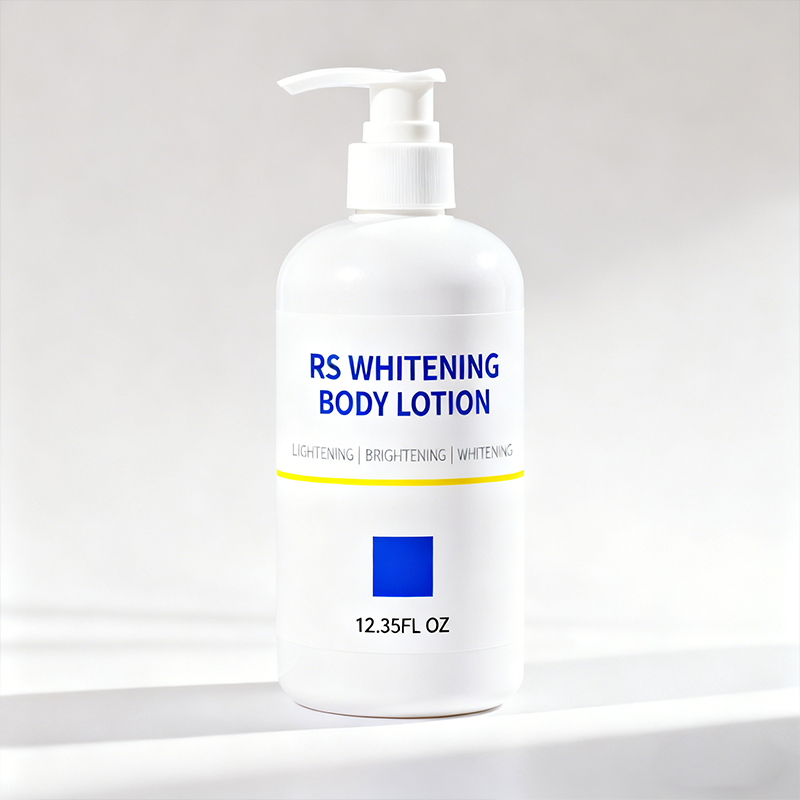
Looking for the best body lotion for glowing skin while planning private label production? This guide highlights how to identify top Chinese manufacturers of whitening body lotion, explains the active ingredients and clinical rationale behind effective formulations, and provides a recommended private label product spec — Private Label Whitening Body Lotion — including MOQ and customizable options. The content below combines sourcing strategy, formulation science, regulatory checkpoints and vendor-vetting steps to help brand owners, importers and formulators secure high-quality OEM/ODM partners in China.
Why consider Chinese manufacturers for whitening body lotion?
Cost-efficiency and production scale
China remains a global hub for cosmetics manufacturing because of competitive COGS, mature supply chains and the ability to scale quickly from small runs to millions of units. For brands that want the best body lotion for glowing skin at a competitive wholesale price, Chinese contract manufacturers can often offer lower minimum order quantities and faster turnaround times than some Western CMOs, while still delivering compliant products for export.
Ingredient sourcing and formulation expertise
Many Chinese manufacturers have strong R&D teams experienced in active ingredients (niacinamide, tranexamic acid, N-acetyl glucosamine, botanical enzymes, mild AHAs) and can formulate to targeted performance claims (brightening, anti-inflammatory, moisturizing). When evaluating partners, ask for clinical data, stability tests and challenge-test reports to verify claims.
Regulatory pathway and export readiness
Leading Chinese manufacturers understand export regulations and documentation (IFRA, local cosmetic registration requirements, safety assessments and label compliance). Verify their familiarity with destination market requirements (for example, FDA cosmetic oversight for the U.S. (FDA: Cosmetics) and Good Manufacturing Practices such as ISO 22716).
Top 10 manufacturer selection criteria (and what to ask)
Quality systems and certifications
Ask potential suppliers for certificates: ISO 22716 GMP, local GMP licenses, ISO 9001, and recent third-party audit reports. These documents show whether they follow proper production hygiene, batch records and QAQC systems. Reference global guidelines on cosmetic GMP such as ISO 22716 for best practices (ISO 22716).
Clinical evidence and ingredient transparency
High-performing whitening body lotions advertise actives with published mechanisms and often provide in-vitro or clinical data. For example, topical niacinamide has documented benefits for barrier function and pigmentation control, while tranexamic acid has evidence for reducing hyperpigmentation. Review peer-reviewed literature or summaries on trusted medical sites when evaluating claims. A literature review of tranexamic acid in hyperpigmentation is available on PubMed (Tranexamic acid review).
Manufacturing flexibility and MOQ
Confirm whether the manufacturer offers private label whitening body lotion with adjustable formula percentages, fragrance-free or hypoallergenic versions, and minimum order quantities. The Private Label Whitening Body Lotion described later in this guide has an MOQ of 1000 units and allows tailored formulas.
Top 10 Chinese manufacturers to consider (how to shortlist)
Instead of naming unvetted suppliers, here we recommend a concise vetting shortlist approach and present 10 types of manufacturers you should evaluate. Each type represents real, reliable factories or groups commonly found in China. When you contact suppliers, validate identity, request samples and review documentation before committing.
1. Large listed cosmetics groups
These are publicly traded Chinese cosmetics firms with in-house R&D and multiple brands. Strengths: strong quality systems, large-scale production and export experience. Good for established brands seeking long-term partnerships.
2. Specialized whitening/OEM factories
Factories focused on brightening and pigment-control products. Strengths: formulation expertise for the best body lotion for glowing skin and experience with actives like niacinamide and tranexamic acid.
3. Contract manufacturers with global export history
CMOs that regularly ship to North America, Europe, and APAC and handle customs documentation, safety files, and labeling for foreign markets.
4. R&D-driven biotech firms
Companies that offer ingredient development, biotech actives (enzymes, peptides), and clinical testing services — useful when you want novel brightening actives or stronger clinical claims.
5. Small-to-medium OEMs with low MOQs
These factories often accept MOQs like 1000 units and are suitable for startups and private label brands launching niche SKUs.
6. ISO/GMP-certified factories
Prioritize suppliers that can supply ISO 22716 or third-party GMP audit reports. Certification provides reassurance about consistent manufacturing and record-keeping.
7. Factories with stability & preservative testing labs
On-site labs shorten development cycles by enabling stability, preservative efficacy testing and challenge tests, which are crucial for leave-on lotions.
8. Full-service ODMs (formula + packaging + regulatory)
ODM partners handle formula, packaging design, regulatory paperwork and sometimes fulfillment — a one-stop solution if you prefer a turnkey approach.
9. Ingredient-specialist manufacturers
Suppliers that work closely with ingredient houses for clinical-grade niacinamide, tranexamic acid and enzymes to ensure raw material traceability.
10. Pilot-scale and private-label hubs
These are clusters (often in cosmetic industrial parks) where multiple vetted suppliers handle small-batch private label and can customize formulas quickly.
Private Label Whitening Body Lotion — product profile and technical rationale
Product name: Private Label Whitening Body Lotion
Product summary:
An effective whitening body lotion that targets the three stages of pigmentation: production, transfer, and surface accumulation. It creates a natural skin tone without using any physical powders.
We utilize a clinical dose of 5% Niacinamide, combined with 3% Tranexamic Acid and 2.5% NAG. They stop the transfer of pigment from the melanocyte to the skin cell and calm the inflammation that triggers pigment production, effectively fading sun spots, scars, and uneven tan lines without toxicity.
And we add Papaya Enzyme, Lactic Acid, which exfoliates dull, dark surface cells while simultaneously binding moisture to the skin. This reveals fresh, brighter skin underneath without causing the peeling associated with Glycolic Acid.
MOQ for this private label Whitening Body Lotion is 1000 units, tailored formulas available.
Why this formula works
The formulation targets pigmentation at three levels: reduction of melanin synthesis and inflammation (tranexamic acid), inhibition of melanosome transfer (niacinamide and N-acetyl glucosamine), and gentle surface exfoliation (papaya enzyme, lactic acid). This combined mechanism is consistent with current dermatological approaches to hyperpigmentation and is designed to deliver the best body lotion for glowing skin without aggressive peeling.
Key active ingredients and roles
| Ingredient | Concentration | Primary function |
|---|---|---|
| Niacinamide | 5% | Reduces melanosome transfer, strengthens barrier, improves radiance |
| Tranexamic Acid | 3% | Anti-inflammatory, reduces melanin production in inflamed skin |
| N-Acetyl Glucosamine (NAG) | 2.5% | Works synergistically with niacinamide to reduce pigmentation |
| Papaya Enzyme (Papain) | Proprietary low-irritation level | Gentle enzymatic exfoliation of dull surface cells |
| Lactic Acid | Low % (lotion-suitable) | Hydrating exfoliant that improves texture without aggressive peeling |
Practical steps to vet and choose a manufacturer
Request documentation and test reports
Ask for: finished-product COA, raw material COAs (for key actives), stability data, preservative efficacy test (challenge test), and SDS. For global markets, confirm they can generate a Cosmetic Product Safety Report (CPSR) or equivalent.
Sample and clinical testing
Order 2–3 finished-product samples and run accelerated stability testing and a small consumer panel to assess tolerance and brightening effect over 8–12 weeks. For stronger claims, consider an independent instrumental measurement (melanin index, colorimetry).
Factory audit and IP protection
Perform an on-site or third-party audit focusing on clean rooms, segregation of formulas, batch tracking and confidentiality procedures. Use NDAs and clear IP clauses in contracts if you provide proprietary formulas.
Regulatory and safety considerations
Comply with destination-market rules
Different markets have different ingredient restrictions and labeling requirements. For U.S. imports, the FDA provides guidance . For the EU, check the Cosmetics Regulation and allowed concentrations of actives.
Ingredient safety and claims
Ensure concentration and combination of actives are supported by safety data and do not exceed recommended limits. Use conservative language on labels if you do not have clinical substantiation for strong claims.
References and authoritative sources
For science-backed vetting, consult authoritative resources such as peer-reviewed literature and reputable dermatology references. A general review on hyperpigmentation treatments is available on DermNet NZ (DermNet: Hyperpigmentation), and clinical reviews on tranexamic acid have been summarized on PubMed (Tranexamic acid review).
FAQ — Frequently asked questions
Q1: Is a 5% niacinamide concentration safe for body use?
A1: Yes. Topical 5% niacinamide is widely used in leave-on products and is generally well tolerated for body application. Patch testing is recommended for sensitive individuals. Consult the supplier for safety reports and preservative efficacy tests.
Q2: What results can customers expect and how long until they see improvement?
A2: For pigment-related concerns (sun spots, post-inflammatory hyperpigmentation, uneven tan lines), visible improvement commonly appears within 6–12 weeks with consistent daily use and sun protection. Individual results vary depending on severity and adherence.
Q3: Are there regulatory barriers to importing whitening body lotions made in China?
A3: You must satisfy destination-market requirements (labeling, safety dossier, allowed ingredients). For example, the U.S. requires truthful labeling and safety but does not pre-approve cosmetic products. For the EU, a Cosmetic Product Safety Report is mandatory. Work with your manufacturer to obtain all necessary documentation.
Q4: Can the formula be customized (fragrance-free, sensitive skin, higher/lower percentages)?
A4: Yes. Many private label manufacturers offer tailored formulas. The product spec above (5% niacinamide, 3% tranexamic acid, 2.5% NAG) is a clinical baseline; your manufacturer can adapt concentrations, remove fragrances, or create hypoallergenic variants subject to MOQ and regulatory checks.
Q5: How do I ensure the product doesn't cause bleaching or harmful effects?
A5: Choose actives with established safety profiles, avoid banned or controversial ingredients (e.g., mercury, high-dose hydroquinone in many markets), and require third-party safety testing and stability data. Reputable manufacturers will provide COAs and challenge tests.
If you want to review product samples, request a full technical dossier, or start a private label inquiry, contact our sourcing team to view the Private Label Whitening Body Lotion specification, sample, pricing and lead times. Click here to contact customer service or request a quote: Contact Us / View Product.
Authoritative sources referenced: FDA - Cosmetics, ISO 22716 - Cosmetics GMP, DermNet NZ - Hyperpigmentation, PubMed - Tranexamic acid review.
Best Toner for Face for Aging Skin: Anti-Aging Toners
Top 10 Gentle Makeup Removers for Waterproof Mascara
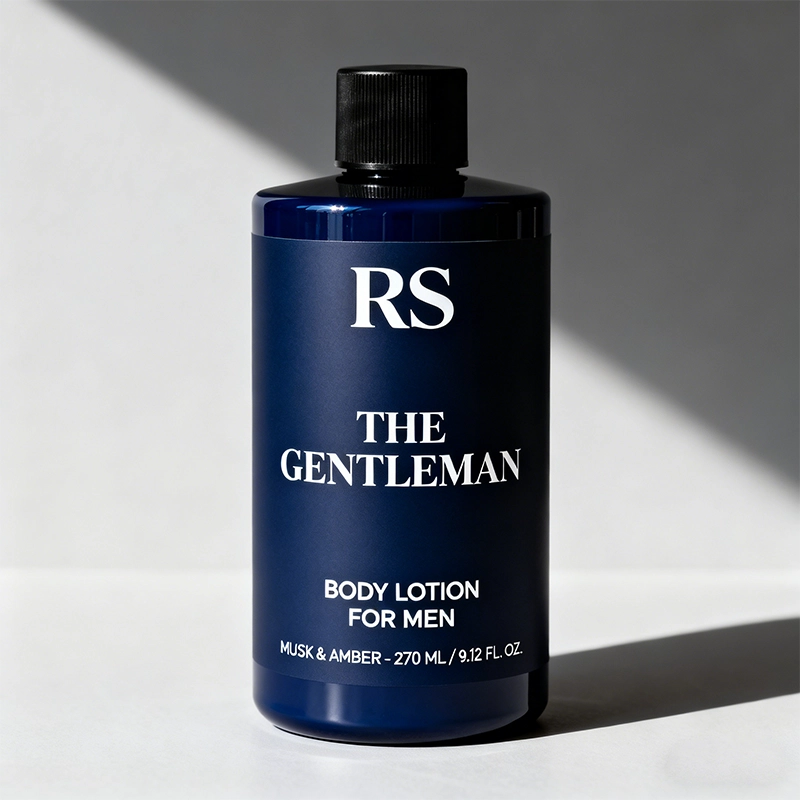
Best Fragrance-Free Lotions for Sensitive Men
DIY Best Toner for Face: Natural Recipes and Tips
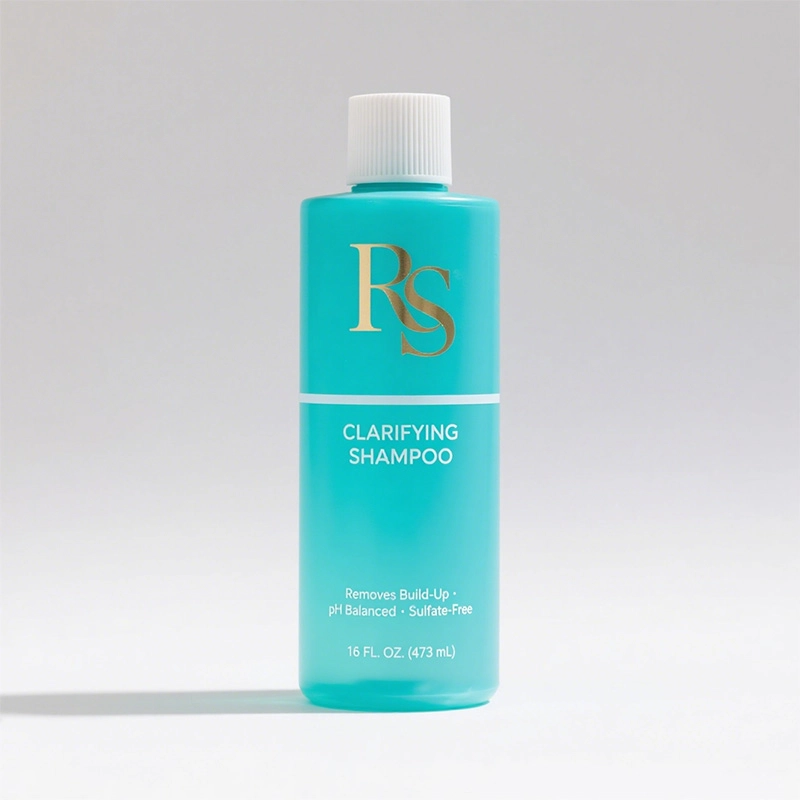
Hair Shampoo
What is your lead time?
Usually it will need around 25 to 30 days for us to get the order ready.
FAQs
What is the lead time?
After the design is finished, it usually takes around 25 to 30 days for us to get the bulk production ready.
Face Cream
How long does it take for the face cream to show visible results?
If your target audiences keep using our cream and have good sun protection, it usually takes around 3 weeks to see an obvious result.
Hair Conditioner
What is the MOQ for Hair Conditioner?
Generally we will ask for 1,000 units, but it depends on the bottle you like.
Hand & Foot Care
Can we add face-grade actives like Retinol, Vitamin C, or Niacinamide to hand cream?
Yes, that is not a problem.
Get more information
If you have any comments or good suggestions, please leave us a message; later our professional staff will contact you as soon as possible.
Rysun Biotechnology--Unremittingly strive for human health and beauty
Contact RYSUN
Email: k.lee@rysunoem.com
WhatsApp: +86 156 0306 9138
Address: No. 62 Nanxiang First Road, Science Town of Guangzhou Developed Zone, Huangpu, Guangzhou, China.
© 2025 RYSUN. All Rights Reserved. Privacy Policy | Terms and Conditions | Sitemap
Facebook
Instagram